Big Green Egg Chicken Thighs with Harissa Veloute and Roasted Summer Vegetables
1 hr 45 min · Advanced · Serves 4
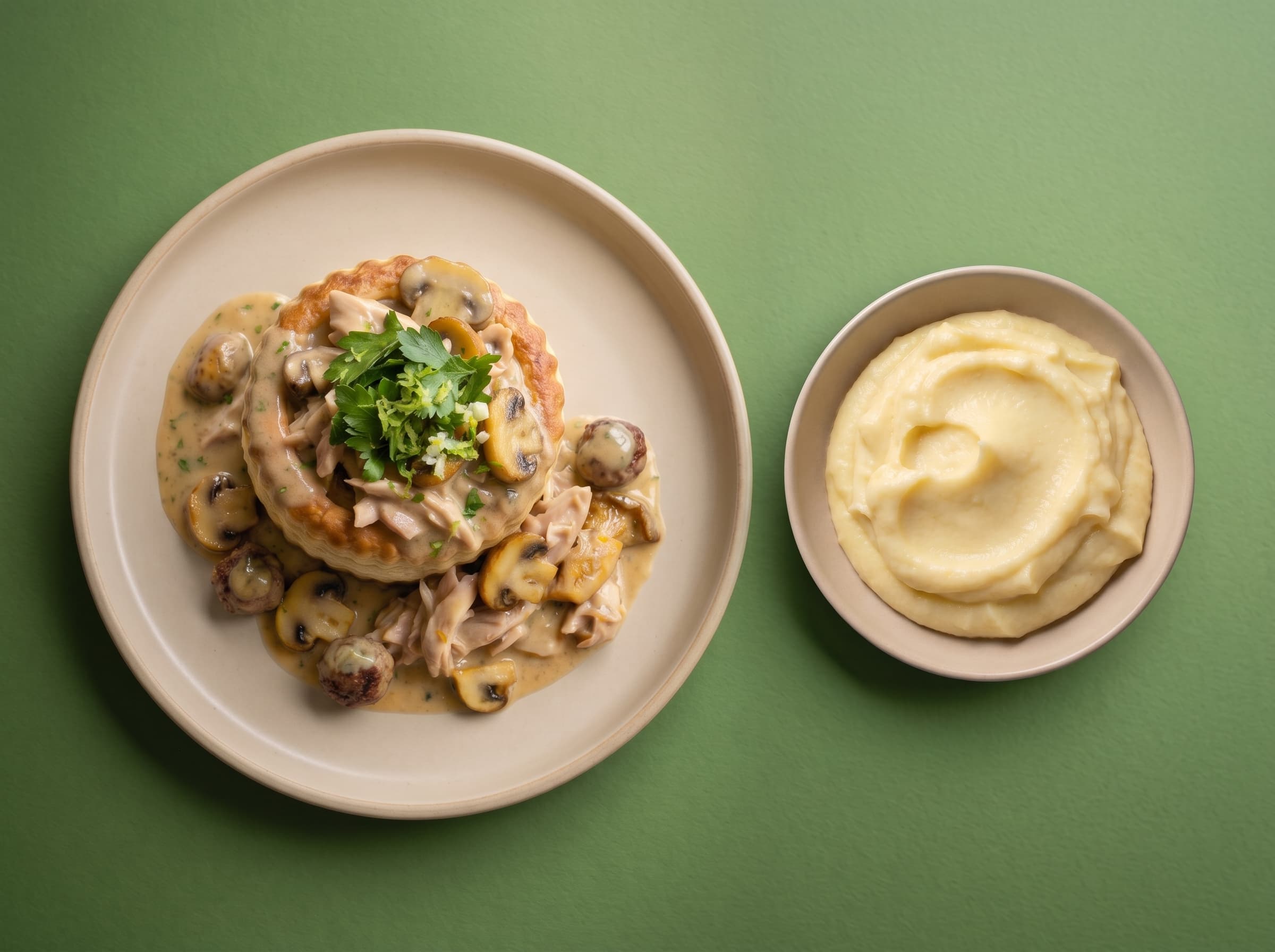 From our menuVol-au-Vent East meets West€19.95 · Made by us, delivered chilled.
This is a smoky, one-pan roast where juicy chicken thighs cook over live fire, then their golden drippings become the base for roasting sweet summer vegetables. A classic French veloute sauce—sharpened with harissa and bright preserved lemon—ties it all together. Ready in about 1 hour 45 minutes and serves 4.
Recipe by Christophe Rammant
Cordon Bleu Paris alumni - Two star Michelin kitchen experience
Why Does Cooking in Layers Make This Dish So Special?
Traditional French technique teaches us to build flavor in stages, not all at once. Here, the chicken goes in first so its fat renders down and coats the pan. That golden, smoky fat then becomes the cooking medium for the vegetables—so every bite carries the same deep, savory backbone.
Food science shows that dry-brining the chicken overnight pulls moisture to the surface and then back in, seasoning the meat all the way through. It also dries out the skin so it crisps up beautifully instead of steaming and going soft.
Professional chefs know that a proper veloute—butter, flour, and good stock cooked slowly together—gives a sauce real body and silk. Adding harissa brings warmth and a North African soul, while preserved lemon cuts through the richness with a clean, salty brightness that keeps the whole dish feeling light.
Estimated nutrition per serving
Estimated from ingredient weights, not lab-tested.
- Calories
- 828
- Protein
- 34g
- Fat
- 61g
- Carbohydrates
- 38g
The weekly recipe note
Enjoyed this recipe? Get the next one first.
One new recipe each week from Christophe: global flavor, French technique, and practical home-cook timing.
By signing up, you agree to receive emails from Mr. Saucy.
Ingredients
Recipe yields 4 servings
For the Chicken
| Amount | Ingredient | Notes |
|---|---|---|
| 1200 g (about 6 large thighs) | Bone-in, skin-on chicken thighs | patted dry before brining |
| 12 g (about 2 tsp) | Kosher salt | for the dry brine |
| 4 g (about 3/4 tsp) | Black pepper | freshly ground |
| 6 g (about 1 tsp) | Smoked paprika | for the dry brine |
| 20 g (about 1.5 tbsp) | Olive oil | for the pan at the start |
For the Roasted Vegetables
| Amount | Ingredient | Notes |
|---|---|---|
| 60 g (1 whole bulb) | Garlic bulb | top trimmed slightly, kept whole |
| 400 g (about 2.5 cups) | Cherry tomatoes | kept whole |
| 300 g (about 2 medium) | Red onions | cut into wedges |
| 250 g (about 2 medium) | Yellow bell peppers | cut into large strips |
| 220 g (about 1 medium bulb) | Fennel bulb | cut into wedges |
| 40 g (about 3 tbsp) | Olive oil | tossed with vegetables |
| 6 g (about 1 tsp) | Kosher salt | for seasoning the vegetables |
For the Harissa Veloute
| Amount | Ingredient | Notes |
|---|---|---|
| 50 g (3.5 tbsp) | Unsalted butter | for the blond roux |
| 50 g (about 6 tbsp) | Flour | for the blond roux |
| 750 g (3 cups) | Chicken stock | hot, preferably gelatin-rich homemade stock |
| 35 g (about 2.5 tbsp) | Harissa paste | adjust to your heat preference |
| 80 g (about 1/3 cup) | Heavy cream | for rounding and finishing the sauce |
| 25 g (about 2 tbsp) | Preserved lemon peel | finely brunoised (tiny dice), thick pith removed |
| 15 g (about 1 tbsp) | Fresh lemon juice | to balance the sauce at the end |
For Finishing
| Amount | Ingredient | Notes |
|---|---|---|
| 12 g (about 1/4 cup loosely packed) | Fresh mint leaves | finely sliced, added mostly at the end |
| 15 g (about 1/4 cup loosely packed) | Flat-leaf parsley | roughly chopped for finishing |
Instructions
The Night Before (or 2 Hours Ahead): Dry Brine the Chicken
- 1
Season and Rest the Chicken (The Secret to Crispy Skin)
Mix together 12 g salt, the black pepper, and smoked paprika. Pat the chicken thighs completely dry with paper towels, then rub the spice mix all over them. Place them on a rack or plate, skin-side up, and leave them uncovered in the fridge for at least 2 hours—overnight is even better. This does two important things: the salt travels deep into the meat so every bite is seasoned, and the skin dries out so it crisps up beautifully instead of steaming.
Fire Up and First Roast: The Chicken
- 2
Set Up the Big Green Egg for Indirect Roasting
Place the convEGGtor (or your indirect setup) in the Egg and bring the dome temperature to 390–430°F / 200–220°C. Let it sit and stabilize for at least 10 minutes before you cook. Steady, even heat is what you want here—it gives you slow-rendered fat, good browning on the bottom of the pan, and gentle smoke rather than scorched, bitter edges.
- 3
Start the Chicken Skin-Side Up (Let the Fat Do the Work)
Set a large cast-iron pan on the Egg and add 20 g olive oil. Arrange the chicken thighs skin-side up in a single layer and nestle the whole garlic bulb alongside them. The pan catches every drop of rendered fat and those delicious brown bits on the bottom—called fond—that will flavor the vegetables next. The garlic roasts slowly in the chicken fat and smoke, turning sweet and mellow.
- 4
Roast Until Bronzed and Nearly Done (165°F / 74°C Is the Goal Later)
Roast the chicken for 25 to 35 minutes. You are looking for deeply bronzed skin, fat that has rendered and pooled in the pan, and an internal temperature of about 155–160°F / 68–70°C in the thickest part—not fully done yet. Use an instant-read thermometer to check. You will finish the chicken later, so pulling it now keeps it from drying out.
- 5
Rest the Chicken and Save Every Drop of Pan Juice
Lift the chicken out onto a tray and let it rest. Leave all the golden fat and fond right in the pan—do not drain it. This short rest lets you roast the vegetables in that flavorful fat without the chicken sitting in the pan too long and overcooking.
Second Roast: The Vegetables and the Sauce
- 6
Toss the Vegetables in the Chicken Fat (Flavor from the Pan Up)
Add the cherry tomatoes, red onion wedges, yellow pepper strips, and fennel wedges to the hot pan. Drizzle over the remaining 40 g olive oil and season with the remaining 6 g salt. Toss everything so it is lightly coated in the fat and juices—you want the vegetables glistening, not swimming in liquid, so they roast and caramelize rather than stew and go soggy.
- 7
Roast the Vegetables Until Sweet and Slightly Charred
Return the pan to the Egg and roast for 20 to 25 minutes. You are looking for tomatoes that have blistered and burst, onions that are soft at the core, peppers with light char on the edges, and fennel that has turned translucent and sweet. This mix of textures—some collapsed and juicy, some still with a little structure—is what makes the dish interesting on the plate.
- 8
Make the Blond Roux (The Foundation of the Sauce)
While the vegetables roast, melt the butter in a saucepan over medium heat. Add the flour all at once and stir constantly with a wooden spoon or whisk for 2 to 3 minutes. You want the mixture to turn a pale golden color and smell slightly nutty—but not brown. Traditional French technique calls this a blond roux, and keeping it light means your sauce will taste clean and chickeny rather than heavy.
- 9
Build the Veloute (Add Stock Slowly to Avoid Lumps)
With the pan off the heat, pour in about one-third of the hot chicken stock and whisk vigorously until smooth. Return to medium heat, add another third, whisk again, then add the rest. Bring to a gentle simmer—you will see small, lazy bubbles—and cook for 15 minutes, skimming any foam that rises to the top. Food science shows that this slow simmer fully activates the starch in the flour, giving you a silky, smooth sauce rather than a pasty one.
- 10
Finish the Sauce with Harissa, Cream, and Lemon (Balance Is Everything)
Whisk in the harissa paste and let the sauce reduce until it lightly coats the back of a spoon—this is called nappant consistency. Then stir in the heavy cream, the preserved lemon brunoise, the fresh lemon juice, and half the mint. Taste and adjust salt carefully, especially after adding the preserved lemon since it is already salty. The harissa brings warmth and depth, the cream softens the edges, and the lemon keeps everything bright and alive.
Final Roast and Plating
- 11
Nestle the Chicken Back In and Finish to Safe Temperature
Place the rested chicken thighs back on top of the roasted vegetables in the pan. Return the pan to the Egg for 8 to 12 minutes, until the chicken reaches 165°F / 74°C internally—this is the safe temperature for poultry. The garlic bulb should be completely soft when you press it. This final time in the pan lets the chicken soak up the aromatic steam rising from the vegetables and brings everything together.
- 12
Fold in the Roasted Garlic (Sweet, Not Sharp)
Squeeze the soft, golden garlic out of the bulb directly into the vegetables and gently fold it through. Roasted garlic is sweet and mellow—nothing like raw garlic—and it adds a gentle richness and body to the vegetables without any sharpness.
- 13
Plate and Sauce Around, Not Over (Keep That Crispy Skin)
Spoon the roasted vegetables onto the plate as the base. Set a chicken thigh on top, skin-side up. Spoon the harissa veloute around the chicken and partially over the vegetables—not directly over the skin. Finish with the remaining mint and the chopped parsley. Saucing around rather than drowning the chicken keeps that golden skin crisp while still making the dish feel unified and saucy.
The weekly recipe note
Enjoyed this recipe? Get the next one first.
One new recipe each week from Christophe: global flavor, French technique, and practical home-cook timing.
By signing up, you agree to receive emails from Mr. Saucy.
Tips & Tricks
Your vegetables are releasing a lot of liquid and starting to stew instead of roast:
Pull the chicken out and keep roasting the vegetables alone for a few extra minutes with the lid open slightly. You want the liquid to evaporate so the vegetables concentrate and caramelize—not simmer in their own juices.
Your mint tastes flat or dull after cooking:
Add most of the mint at the very end, off the heat or just before serving. Mint is delicate—heat kills its bright, fresh top notes quickly. Think of it as a finishing herb, not a cooking herb.
Your veloute looks lumpy after adding the stock:
Take the pan off the heat and whisk hard for 30 seconds. If lumps remain, pour the sauce through a fine sieve and press it through with a spoon. Next time, add the stock in smaller stages and whisk between each addition.
Your sauce tastes too salty after adding the preserved lemon:
Taste the preserved lemon before it goes in—some brands are much saltier than others. Add it a little at a time and taste as you go. A small squeeze of fresh lemon juice can add brightness without adding more salt.
You want a smoother, restaurant-style sauce:
After the 15-minute simmer, pour the veloute through a fine-mesh sieve (chinois) and press it through. Then finish with the harissa, cream, and lemon. This extra step gives you a silky, polished sauce with no texture at all.
You are short on time and cannot do everything at once:
This dish is perfect for splitting up. Dry-brine the chicken the night before, cut all the vegetables earlier in the day, and make the veloute base a few hours ahead. Reheat the sauce gently and stir in the harissa, cream, lemon, and herbs right before serving.
Your vegetables are releasing a lot of liquid and starting to stew instead of roast:
Pull the chicken out and keep roasting the vegetables alone for a few extra minutes with the lid open slightly. You want the liquid to evaporate so the vegetables concentrate and caramelize—not simmer in their own juices.
Your mint tastes flat or dull after cooking:
Add most of the mint at the very end, off the heat or just before serving. Mint is delicate—heat kills its bright, fresh top notes quickly. Think of it as a finishing herb, not a cooking herb.
Your veloute looks lumpy after adding the stock:
Take the pan off the heat and whisk hard for 30 seconds. If lumps remain, pour the sauce through a fine sieve and press it through with a spoon. Next time, add the stock in smaller stages and whisk between each addition.
Your sauce tastes too salty after adding the preserved lemon:
Taste the preserved lemon before it goes in—some brands are much saltier than others. Add it a little at a time and taste as you go. A small squeeze of fresh lemon juice can add brightness without adding more salt.
You want a smoother, restaurant-style sauce:
After the 15-minute simmer, pour the veloute through a fine-mesh sieve (chinois) and press it through. Then finish with the harissa, cream, and lemon. This extra step gives you a silky, polished sauce with no texture at all.
You are short on time and cannot do everything at once:
This dish is perfect for splitting up. Dry-brine the chicken the night before, cut all the vegetables earlier in the day, and make the veloute base a few hours ahead. Reheat the sauce gently and stir in the harissa, cream, lemon, and herbs right before serving.
Frequently Asked Questions
Can I make the harissa veloute ahead of time?
Yes! Make the base veloute up to a day ahead and keep it covered in the fridge. When you are ready to serve, reheat it gently over low heat and then stir in the harissa, cream, preserved lemon, and mint at the last minute. This keeps the citrus and herbs tasting fresh and bright rather than cooked out.
Why do you roast the chicken first and the vegetables second?
Because the chicken builds the flavor foundation for the whole dish. As it roasts, it releases golden fat and creates those delicious brown bits on the pan bottom called fond. Roasting the vegetables in that smoky, savory fat seasons them far more deeply than dressing them separately ever could.
What if I don't have a Big Green Egg?
A regular oven works well. Set it to 425°F / 220°C and use a cast-iron pan or heavy roasting pan. You will miss the live-fire smoke, but the layered cooking method—chicken first, then vegetables, then together—works exactly the same way and still produces a deeply flavorful dish.
Is mint the best herb here, or can I use something else?
Mint is a great match because it cools the heat from the harissa and brightens the sauce. If you want a deeper, earthier finish, cilantro is the best swap. A mix of mint and flat-leaf parsley is often the most balanced option and is what this recipe uses for the final garnish.
What if my sauce gets too thick or too thin?
Too thick? Whisk in hot chicken stock a little at a time until it lightly coats a spoon. Too thin? Simmer it longer over low heat so the starch concentrates naturally. Avoid adding more raw flour late in cooking—it will taste pasty and uncooked.
Can I add other vegetables without ruining the dish?
Yes, with a little care. Fennel is the best addition because it loves chicken fat, smoke, and harissa. Zucchini works too, but add it in the last 10 minutes so it does not collapse. Avoid very watery vegetables like cucumber or spinach—they release too much liquid and dilute the roasting juices.
How do I keep the chicken skin crispy when I add the sauce?
Spoon the sauce around the chicken and over the vegetables—not directly on top of the skin. Also make sure the skin has rendered well during the first roast and avoid covering the pan after cooking. Steam is the fastest way to soften crispy skin, so keep the dish open and serve quickly.
How do I know when the chicken is fully cooked and safe to eat?
Use an instant-read thermometer and check the thickest part of the thigh, away from the bone. You are looking for 165°F / 74°C—that is the safe temperature for poultry. The juices should run clear and the meat should feel firm, not wobbly, when you press it gently.
Can I make the harissa veloute ahead of time?
Yes! Make the base veloute up to a day ahead and keep it covered in the fridge. When you are ready to serve, reheat it gently over low heat and then stir in the harissa, cream, preserved lemon, and mint at the last minute. This keeps the citrus and herbs tasting fresh and bright rather than cooked out.
Why do you roast the chicken first and the vegetables second?
Because the chicken builds the flavor foundation for the whole dish. As it roasts, it releases golden fat and creates those delicious brown bits on the pan bottom called fond. Roasting the vegetables in that smoky, savory fat seasons them far more deeply than dressing them separately ever could.
What if I don't have a Big Green Egg?
A regular oven works well. Set it to 425°F / 220°C and use a cast-iron pan or heavy roasting pan. You will miss the live-fire smoke, but the layered cooking method—chicken first, then vegetables, then together—works exactly the same way and still produces a deeply flavorful dish.
Is mint the best herb here, or can I use something else?
Mint is a great match because it cools the heat from the harissa and brightens the sauce. If you want a deeper, earthier finish, cilantro is the best swap. A mix of mint and flat-leaf parsley is often the most balanced option and is what this recipe uses for the final garnish.
What if my sauce gets too thick or too thin?
Too thick? Whisk in hot chicken stock a little at a time until it lightly coats a spoon. Too thin? Simmer it longer over low heat so the starch concentrates naturally. Avoid adding more raw flour late in cooking—it will taste pasty and uncooked.
Can I add other vegetables without ruining the dish?
Yes, with a little care. Fennel is the best addition because it loves chicken fat, smoke, and harissa. Zucchini works too, but add it in the last 10 minutes so it does not collapse. Avoid very watery vegetables like cucumber or spinach—they release too much liquid and dilute the roasting juices.
How do I keep the chicken skin crispy when I add the sauce?
Spoon the sauce around the chicken and over the vegetables—not directly on top of the skin. Also make sure the skin has rendered well during the first roast and avoid covering the pan after cooking. Steam is the fastest way to soften crispy skin, so keep the dish open and serve quickly.
How do I know when the chicken is fully cooked and safe to eat?
Use an instant-read thermometer and check the thickest part of the thigh, away from the bone. You are looking for 165°F / 74°C—that is the safe temperature for poultry. The juices should run clear and the meat should feel firm, not wobbly, when you press it gently.
Recipe Reviews
No reviews yet — Be the first to review this recipe!
The collection
All recipes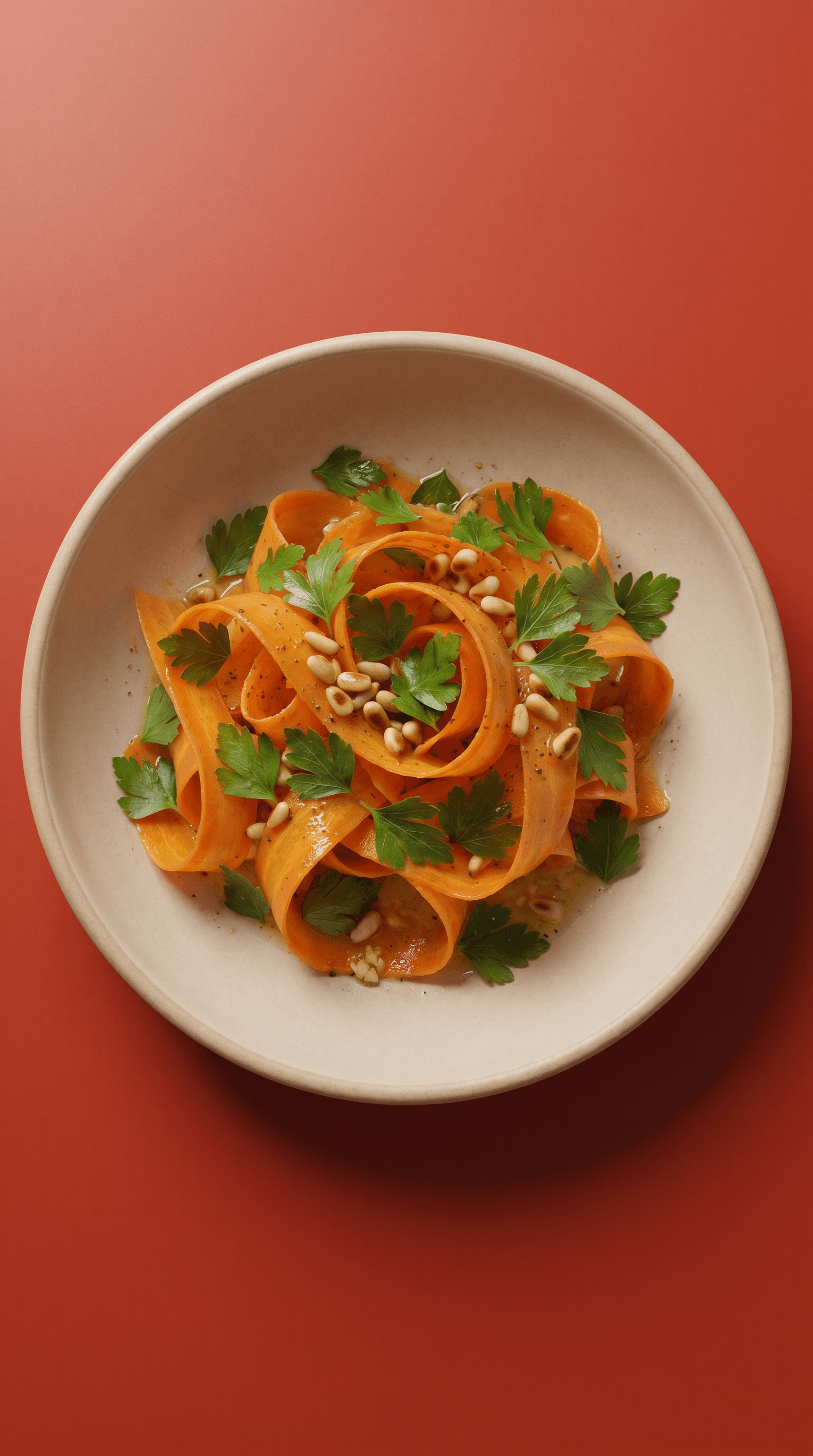
Algerian-Inspired Citrus Carrot Ribbon Salad with Cumin and Toasted Pine Nuts
This elegant North African salad transforms humble carrots into delicate, translucent ribbons using a mandoline and an ice-water bath for maximum crispness. A bright citrus-cumin dressing with toasted pine nuts brings Algerian warmth to the dish. Ready in 25 minutes, it serves 4 as a vibrant side that looks restaurant-fancy but comes together easily at home.
25 min · Easy · Mediterranean
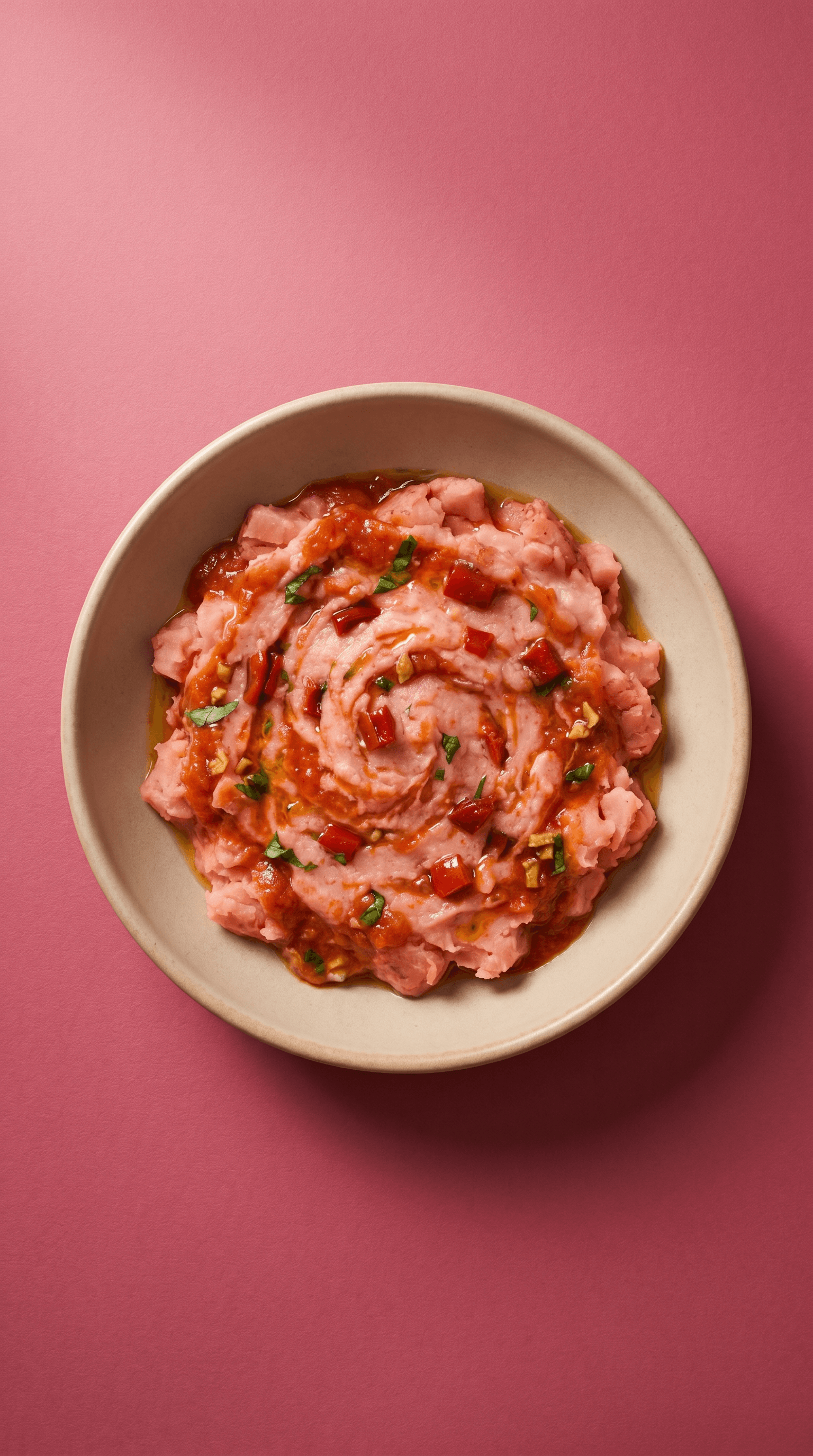
Mediterranean Roasted Pepper and Tomato Crushed Potatoes
These crushed potatoes combine French technique with Mediterranean flavors. You boil starchy potatoes, dry them out to absorb maximum flavor, then fold in a fresh tomato-basil sauce and smoky roasted peppers. The whole dish takes 45 minutes and serves 4 as a vibrant, chunky side that's creamy inside with pockets of sweet roasted vegetables.
45 min · Intermediate · Mediterranean
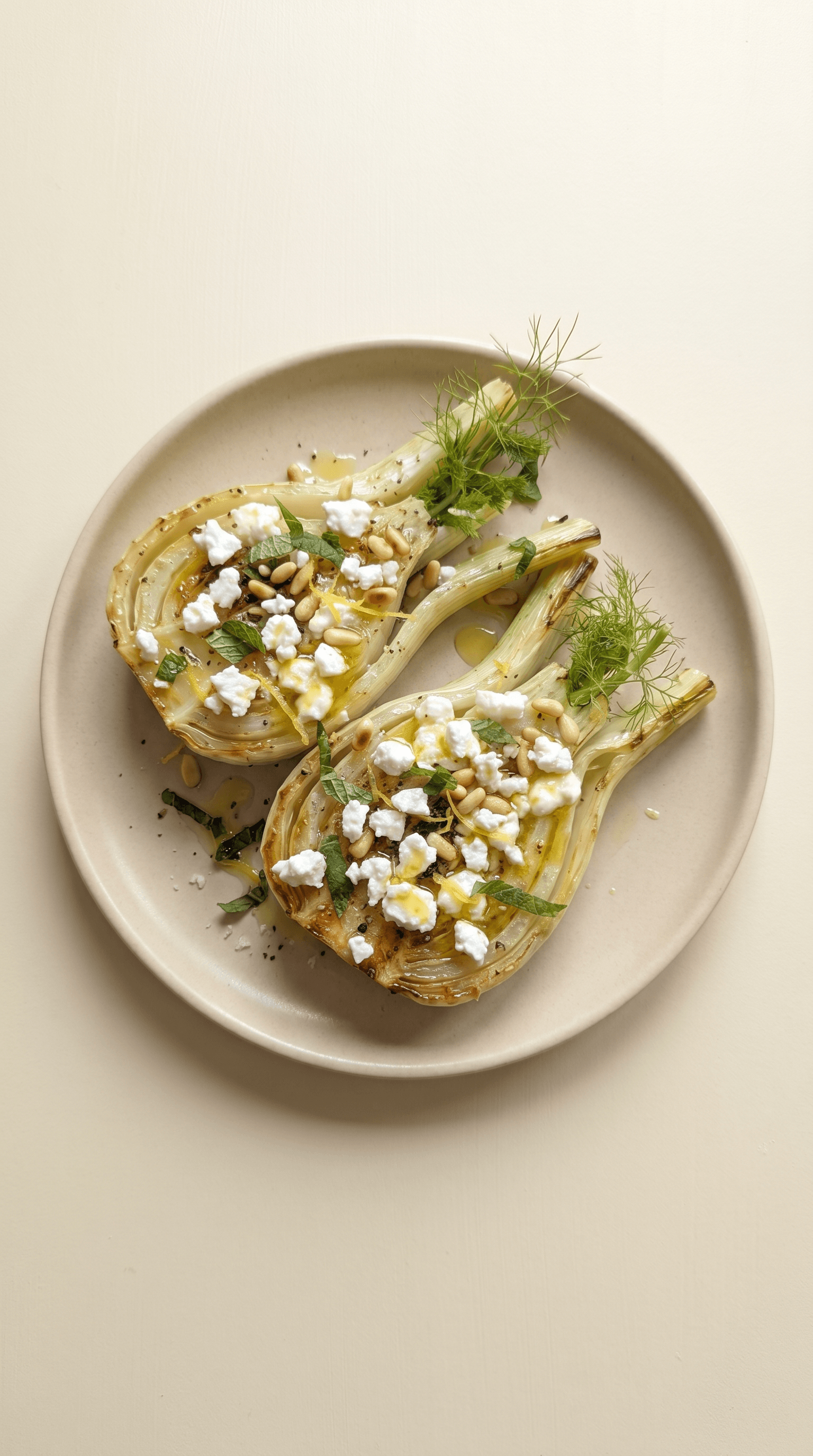
Mediterranean Roasted Fennel with Goat Cheese and Toasted Pine Nuts
This elegant side dish transforms fennel bulbs into a sweet, tender Mediterranean delight in just 40 minutes. Using the French dry-braising technique, you sear the fennel until golden, then roast it until buttery soft. Top with creamy goat cheese, crunchy pine nuts, and bright lemon zest for a dish that serves 4-6 people perfectly alongside roasted meats or grilled fish.
40 min · Intermediate · Mediterranean