Classic Pithiviers
1 hr 10 min · Medium · Serves 4
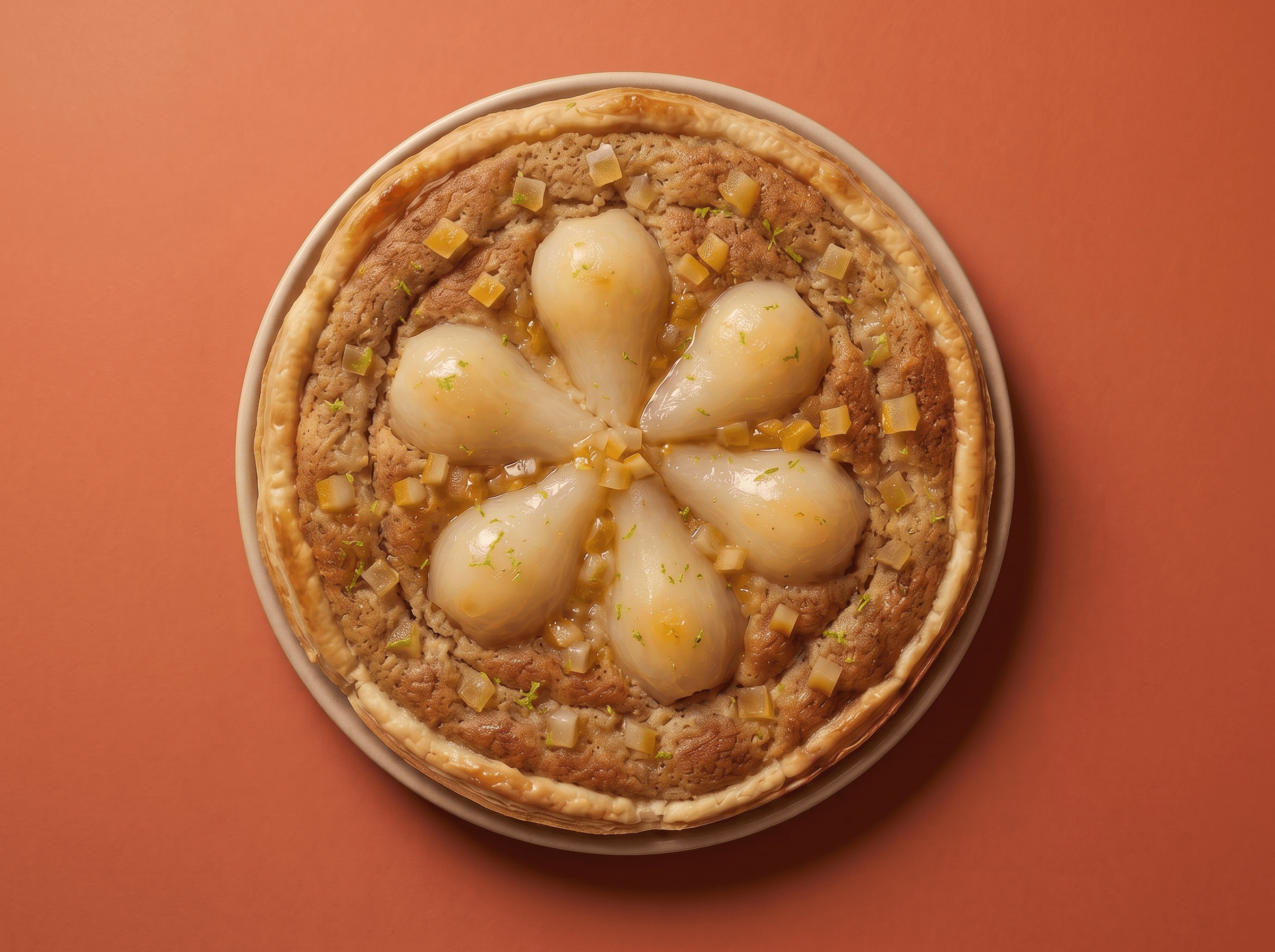 From our menuPear Tart€22.95 · Made by us, delivered chilled.
This Classic Pithiviers is an elegant French almond pie with buttery, flaky puff pastry wrapped around a light, rum-kissed frangipane filling. The secret is folding whipped cream into the almond mixture for an airy texture that melts in your mouth. Takes about 70 minutes total and serves 4 people—perfect for a special occasion dessert.
Recipe by Christophe Rammant
Cordon Bleu Paris alumni - Two star Michelin kitchen experience
What Makes This Pithiviers So Light and Flaky?
Traditional French patisserie technique uses whipped cream folded into the frangipane filling instead of the usual heavy butter-and-egg base. This creates tiny air pockets that make the filling fluffy and delicate rather than dense and heavy.
Food science shows that cold puff pastry hitting a hot oven creates steam between the butter layers. This steam pushes the layers apart and gives you those dramatic, crispy flakes that professional bakers are known for.
Professional chefs know that emulsifying the egg yolks one at a time into the butter mixture creates a stable base that holds the filling together. This prevents it from separating or leaking out during baking, giving you a perfect slice every time.
Estimated nutrition per serving
Estimated from ingredient weights, not lab-tested.
- Calories
- 618
- Protein
- 10g
- Fat
- 47g
- Carbohydrates
- 41g
The weekly recipe note
Enjoyed this recipe? Get the next one first.
One new recipe each week from Christophe: global flavor, French technique, and practical home-cook timing.
By signing up, you agree to receive emails from Mr. Saucy.
Ingredients
Recipe yields 4 servings
For the Pastry
| Amount | Ingredient | Notes |
|---|---|---|
| 250 g (about 9 oz) | puff pastry | divided into two layers |
For the Frangipane Filling
| Amount | Ingredient | Notes |
|---|---|---|
| 75 g (3/4 cup) | almond powder | — |
| 50 g (3.5 tablespoons) | butter | softened to room temperature |
| 50 g (1/4 cup) | sugar | — |
| 36 g (2 large yolks) | egg yolks | — |
| 100 g (1/2 cup) | heavy cream | whipped to soft peaks |
| 15 g (1 tablespoon) | rum | — |
Instructions
Make the Filling
- 1
Cream the Base Together
Cream together the softened butter, sugar, and almond powder until smooth and well-combined. This step ensures the sugar dissolves evenly and the almond flavor gets distributed throughout, creating a consistent taste in every bite.
- 2
Add the Egg Yolks (The Emulsion Trick)
Beat in the egg yolks one at a time, mixing well after each addition. This emulsifies the fats and liquids—meaning they blend together smoothly instead of separating—which creates a stable, creamy base that holds the filling together during baking.
- 3
Fold in the Whipped Cream
Gently fold the whipped cream and rum into the almond mixture using a spatula in a sweeping motion from bottom to top. This folding technique preserves the air bubbles in the cream, which makes the filling light and airy instead of dense and heavy like traditional frangipane.
Assemble and Bake
- 4
Cut the Pastry Circles
Roll out your puff pastry and cut two equal circles about 8 inches (20 cm) in diameter. Keep them cold—warm pastry won't puff properly because the butter layers start to melt before they hit the oven.
- 5
Fill and Seal (Lock It In)
Place the filling in the center of one pastry circle, leaving a 1-inch (2.5 cm) border around the edge. Place the second layer over the filling and press the edges firmly together to seal. This prevents the filling from leaking out as the pastry rises and expands in the hot oven.
- 6
Chill Before Baking
Refrigerate the assembled Pithiviers for 30 minutes. Cold pastry hitting a hot oven creates more dramatic steam and a better rise, plus it helps prevent a soggy bottom by keeping the butter layers distinct.
- 7
Bake Until Golden and Puffed
Bake for 40 minutes at 190°C / 375°F until the pastry is deep golden brown and has puffed significantly. The high heat turns the water in the pastry layers into steam, which pushes the layers apart and creates those signature flaky, crispy sheets.
The weekly recipe note
Enjoyed this recipe? Get the next one first.
One new recipe each week from Christophe: global flavor, French technique, and practical home-cook timing.
By signing up, you agree to receive emails from Mr. Saucy.
Tips & Tricks
your pastry has a soggy bottom:
Chill the assembled Pithiviers in the fridge for 30 minutes before baking. Cold pastry hitting a hot oven ensures better rise and a crispier base because the butter stays solid longer.
the edges won't stay sealed and filling leaks out:
Lightly brush the border of the bottom pastry layer with a tiny bit of water or egg wash before placing the top layer on. This acts as glue to keep the filling trapped inside.
you want a professional-looking finish:
Use the back of a small knife to score a sunburst pattern—curved lines radiating from center to edges—on the top pastry. Be careful not to cut all the way through the dough, just make shallow decorative marks.
your puff pastry didn't rise:
Make sure your oven is fully preheated to 190°C / 375°F and the dough stays cold until baking. Warm butter can't create the steam needed to separate the layers and make them puff.
the filling tastes too dense:
Make sure you whip the cream to soft peaks before folding it in, and use a gentle folding motion instead of stirring. Stirring deflates the air bubbles that make the filling light.
your pastry has a soggy bottom:
Chill the assembled Pithiviers in the fridge for 30 minutes before baking. Cold pastry hitting a hot oven ensures better rise and a crispier base because the butter stays solid longer.
the edges won't stay sealed and filling leaks out:
Lightly brush the border of the bottom pastry layer with a tiny bit of water or egg wash before placing the top layer on. This acts as glue to keep the filling trapped inside.
you want a professional-looking finish:
Use the back of a small knife to score a sunburst pattern—curved lines radiating from center to edges—on the top pastry. Be careful not to cut all the way through the dough, just make shallow decorative marks.
your puff pastry didn't rise:
Make sure your oven is fully preheated to 190°C / 375°F and the dough stays cold until baking. Warm butter can't create the steam needed to separate the layers and make them puff.
the filling tastes too dense:
Make sure you whip the cream to soft peaks before folding it in, and use a gentle folding motion instead of stirring. Stirring deflates the air bubbles that make the filling light.
Frequently Asked Questions
Can I make this Pithiviers ahead of time?
Yes, you can assemble it up to 24 hours in advance and keep it refrigerated. Bake it straight from the fridge for the best rise. Once baked, enjoy it fresh the same day while the pastry is still crisp and flaky.
What can I use instead of rum?
Use 1 teaspoon of pure vanilla extract or a few drops of almond extract instead. This keeps the aromatic flavor without the alcohol, making it more kid-friendly while maintaining that classic French taste.
Why did my puff pastry not rise?
The oven probably wasn't hot enough or the dough got too warm before baking. Puff pastry needs cold butter layers hitting a hot oven (190°C / 375°F) to create steam. Always preheat fully and keep the dough chilled.
What temperature is a moderately hot oven?
For puff pastry, that's 190°C to 200°C (375°F to 400°F). This temperature is high enough to quickly evaporate the water in the butter, which creates the steam that forces the dough layers apart for that beautiful flaky height.
Can I freeze the unbaked Pithiviers?
Yes, freeze it assembled but unbaked for up to 1 month. Bake directly from frozen, adding 5-10 extra minutes to the baking time. The cold pastry will actually puff even better this way.
How do I know when it's fully baked?
Look for deep golden brown color all over, especially on the bottom. The pastry should be puffed and crispy, not pale or soft. If you tap the bottom, it should sound hollow.
What if I don't have almond powder?
You can make your own by grinding blanched almonds in a food processor until fine. Pulse in short bursts and don't over-process or you'll end up with almond butter instead of powder.
Why does the recipe use whipped cream instead of more butter?
Traditional frangipane is very rich and dense. Folding in whipped cream lightens the texture and makes it more delicate, so it melts in your mouth instead of sitting heavy. It's a modern twist that makes the dessert feel more elegant.
Can I make this Pithiviers ahead of time?
Yes, you can assemble it up to 24 hours in advance and keep it refrigerated. Bake it straight from the fridge for the best rise. Once baked, enjoy it fresh the same day while the pastry is still crisp and flaky.
What can I use instead of rum?
Use 1 teaspoon of pure vanilla extract or a few drops of almond extract instead. This keeps the aromatic flavor without the alcohol, making it more kid-friendly while maintaining that classic French taste.
Why did my puff pastry not rise?
The oven probably wasn't hot enough or the dough got too warm before baking. Puff pastry needs cold butter layers hitting a hot oven (190°C / 375°F) to create steam. Always preheat fully and keep the dough chilled.
What temperature is a moderately hot oven?
For puff pastry, that's 190°C to 200°C (375°F to 400°F). This temperature is high enough to quickly evaporate the water in the butter, which creates the steam that forces the dough layers apart for that beautiful flaky height.
Can I freeze the unbaked Pithiviers?
Yes, freeze it assembled but unbaked for up to 1 month. Bake directly from frozen, adding 5-10 extra minutes to the baking time. The cold pastry will actually puff even better this way.
How do I know when it's fully baked?
Look for deep golden brown color all over, especially on the bottom. The pastry should be puffed and crispy, not pale or soft. If you tap the bottom, it should sound hollow.
What if I don't have almond powder?
You can make your own by grinding blanched almonds in a food processor until fine. Pulse in short bursts and don't over-process or you'll end up with almond butter instead of powder.
Why does the recipe use whipped cream instead of more butter?
Traditional frangipane is very rich and dense. Folding in whipped cream lightens the texture and makes it more delicate, so it melts in your mouth instead of sitting heavy. It's a modern twist that makes the dessert feel more elegant.
Recipe Reviews
No reviews yet — Be the first to review this recipe!
The collection
All recipesPheasant with Grapes, Verjus Jus and Celery Root
This pheasant with grapes recipe pairs juicy roast pheasant with glossy Muscat grapes, sweet caramelised shallots, and bright verjus jus. Gentle pan-roasting keeps the skin crisp, while celery root purée adds silky depth. Plan on about 2 hours for 4 servings, with several parts ready ahead for an easy dinner party.
120 min · Intermediate · France
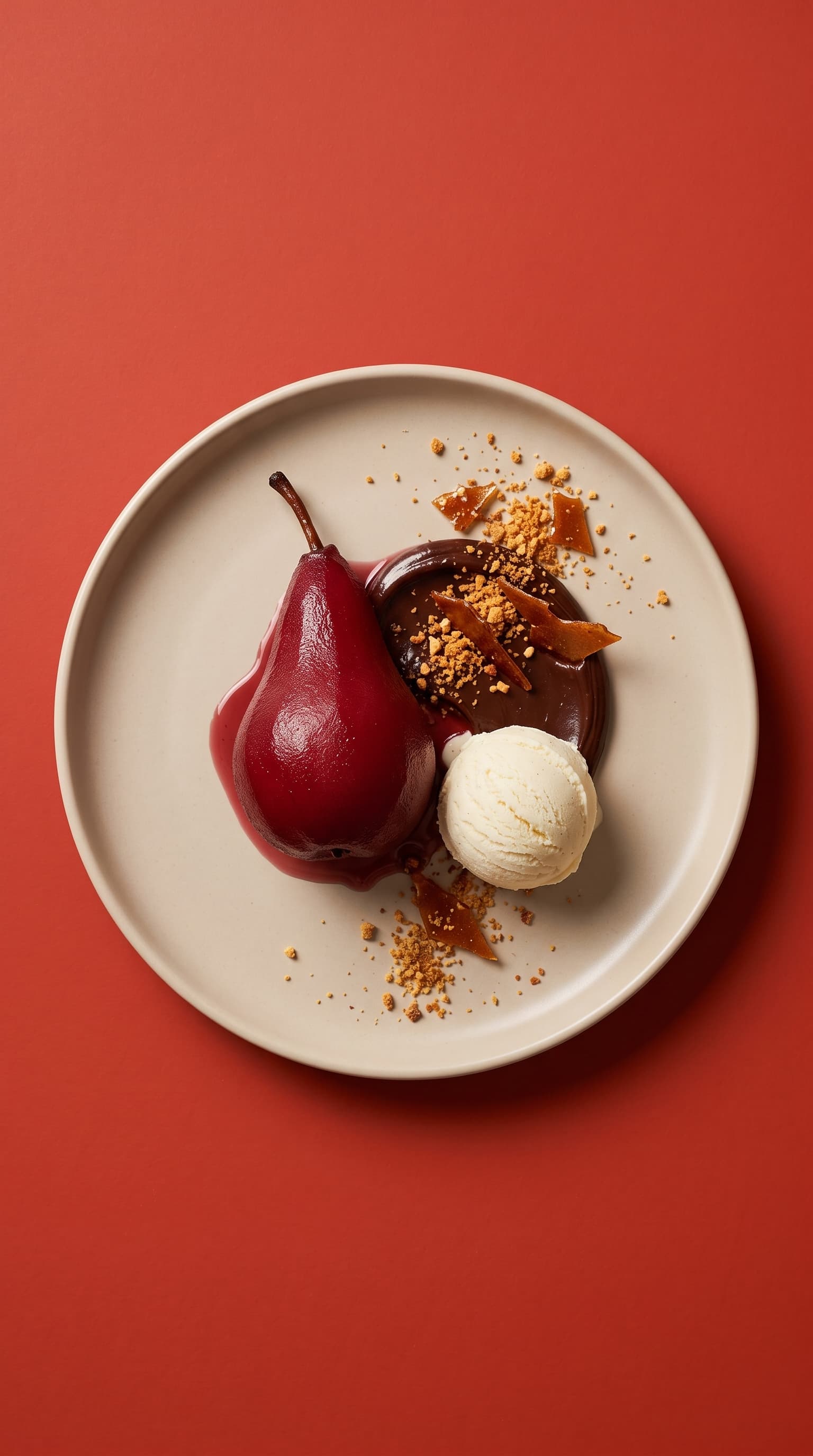
Poires Belle Hélène Recipe with Wine Poached Pears
This poires belle hélène recipe pairs tender red wine poached Conference pears with warm dark chocolate sauce, cold vanilla ice cream, and crisp hazelnut praline. Gentle poaching keeps the pears whole and silky. Plan about 2 hours for cooking and cooling, and serve 4 people right away for the best warm and cold contrast.
150 min · Intermediate · France
Roast Partridge Recipe with Celeriac Mousseline
This roast partridge recipe pairs rosy roasted breast with a crisp confited leg, silky celeriac mousseline, glazed baby carrots, and a glossy juniper-port jus. Dry-brining helps the lean meat stay seasoned and juicy. Allow about 3 hours for cooking and resting, plus overnight dry-brining if you have time. Serves 4.
210 min · Intermediate · France