Tarte Bourdaloue (Pear and Almond Cream Tart)
2 hrs · Medium · Serves 6
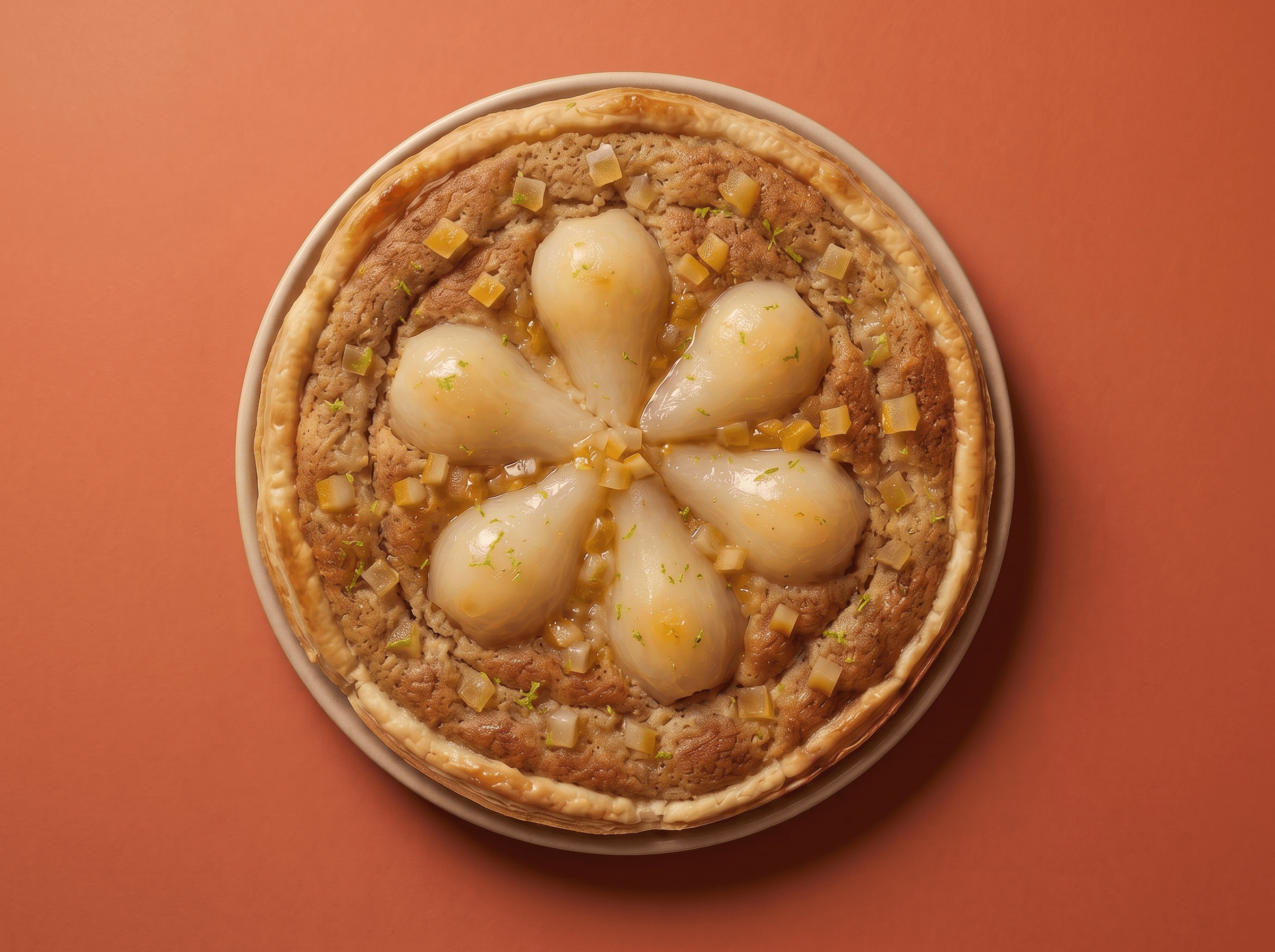 From our menuPear Tart€22.95 · Made by us, delivered chilled.
This elegant French pear tart combines a buttery, crumbly pastry shell with rich almond cream and tender vanilla-poached pears. The key technique is 'sablage'—rubbing cold butter into flour to create that signature short, cookie-like crust. Plan for 2 hours total, with about 45 minutes of hands-on work. Makes one 9-inch tart serving 8-10 people.
Recipe by Christophe Rammant
Cordon Bleu Paris alumni - Two star Michelin kitchen experience
What Makes This Tart So Tender and Flavorful?
Traditional French technique shows that the 'sablage' method—rubbing cold butter into flour until it looks like breadcrumbs—coats each flour particle in fat. This prevents gluten from forming when you add the egg, giving you that melt-in-your-mouth shortbread texture instead of a tough crust.
Professional pastry chefs know that poaching pears in vanilla syrup does two things: it infuses the fruit with flavor and breaks down the cell walls so they become translucent and silky. The gentle heat at 185°F / 85°C keeps them from falling apart while making them tender enough to cut with a spoon.
Food science shows that almond cream (frangipane) stays creamy because ground almonds release their oils during baking, keeping the filling moist. The egg provides structure so it sets without becoming dry, while the rum adds depth that balances the sweetness of the pears.
Estimated nutrition per serving
Estimated from ingredient weights, not lab-tested.
- Calories
- 579
- Protein
- 8g
- Fat
- 24g
- Carbohydrates
- 88g
The weekly recipe note
Enjoyed this recipe? Get the next one first.
One new recipe each week from Christophe: global flavor, French technique, and practical home-cook timing.
By signing up, you agree to receive emails from Mr. Saucy.
Ingredients
Recipe yields 6 servings
For the Pâte Sucrée (Sweet Pastry)
| Amount | Ingredient | Notes |
|---|---|---|
| 100 g (¾ cup plus 1 tablespoon) | Flour T55 | all-purpose flour works too |
| 50 g (3½ tablespoons) | Butter | cold, cut into small cubes |
| 12 g (2 tablespoons) | Ground almonds | almond flour |
| 32 g (¼ cup) | Icing sugar | powdered sugar |
| 1 g (pinch) | Salt | — |
| 20 g (1 tablespoon plus 1 teaspoon) | Egg | approximately half a large egg, beaten |
For the Almond Cream (Frangipane)
| Amount | Ingredient | Notes |
|---|---|---|
| 50 g (3½ tablespoons) | Butter, softened | pommade consistency—soft like hair cream |
| 30 g (2½ tablespoons) | Sugar | granulated |
| 50 g (½ cup) | Ground almonds | almond flour |
| pinch | Vanilla powder | or ¼ teaspoon vanilla extract |
| 50 g (1 large egg) | Egg | at room temperature |
| 7 g (1½ teaspoons) | Rum | dark rum preferred |
For the Poached Pears
| Amount | Ingredient | Notes |
|---|---|---|
| 750 g (3 cups) | Water | — |
| 225 g (1 cup plus 2 tablespoons) | Sugar | for poaching syrup |
| 600 g (3 whole pears) | Fresh pears | Comice or Conference variety, about 200 g each |
| 10 g (2 teaspoons) | Lemon juice | prevents browning |
For Finishing
| Amount | Ingredient | Notes |
|---|---|---|
| 50 g (½ cup) | Flaked almonds | sliced almonds |
| 70 g (¼ cup) | Apricot glaze | nappage blond or warmed apricot jam |
Instructions
Poach the Pears
- 1
Make the Poaching Syrup
Combine water, 225 g sugar, and lemon juice in a medium saucepan. Bring to a boil over high heat, then reduce to a gentle simmer at 185°F / 85°C—you'll see small bubbles around the edges but no rolling boil. This creates a sweet, fragrant bath that infuses the pears with flavor without breaking them down too fast.
- 2
Prepare and Poach the Pears
Peel the pears, cut them in half lengthwise, and use a melon baller or spoon to scoop out the cores. Lower them gently into the simmering syrup and cook for 15-20 minutes until translucent and tender—a knife should slide through with no resistance. The gentle heat breaks down the cell walls while keeping the pears intact and silky.
- 3
Drain and Dry the Pears
Remove the pears with a slotted spoon and place them on paper towels. Pat them completely dry—any excess moisture will make your pastry soggy. Let them cool to room temperature while you make the dough.
Make the Pâte Sucrée
- 4
Create the Sablage (Sandy Texture)
In a large bowl, combine flour, ground almonds, icing sugar, and salt. Add the cold butter cubes and rub them into the dry ingredients with your fingertips until the mixture looks like fine breadcrumbs. This coating of fat around each flour particle prevents gluten from forming, which gives you that tender, crumbly texture instead of a chewy crust.
- 5
Bring the Dough Together
Make a well in the center and add the beaten egg. Use a fork to gradually incorporate the dry ingredients, then use the 'fraisage' technique—smear the dough across your work surface with the heel of your hand in short strokes. This creates a homogenous dough without overworking it. The dough should come together but still feel slightly crumbly.
- 6
Chill the Dough
Shape the dough into a flat disc, wrap it in plastic wrap, and refrigerate for at least 30 minutes. This rest period relaxes the gluten and firms up the butter so the dough rolls out smoothly without shrinking in the oven.
- 7
Line the Tart Ring
Butter a 9-inch tart ring or fluted tart pan. Roll the chilled dough on a lightly floured surface to about ⅛ inch thick. Drape it over the ring and gently press it into the corners. Trim the excess with a knife for clean, professional edges. If the dough cracks, patch it with scraps—the high butter content means it fuses back together during baking.
Make the Almond Cream and Assemble
- 8
Cream the Butter and Sugar
In a medium bowl, beat the softened butter (it should be pommade consistency—soft like hair cream but not melted) with the 30 g sugar until smooth and creamy, about 2 minutes. This incorporates air and creates a light base for the filling.
- 9
Add the Almonds and Flavorings
Fold in the ground almonds, vanilla powder, egg, and rum. Mix until just combined into a smooth paste—don't over-whisk or you'll incorporate too much air, which can cause the cream to leak during baking. The mixture should be thick and spreadable.
- 10
Fill the Tart Shell
Spoon or pipe the almond cream into the raw tart shell, spreading it evenly with a spatula. The layer should be about ½ inch thick—enough to support the pears but not so much that it overflows when it puffs slightly in the oven.
- 11
Arrange the Pears
Slice each pear half crosswise into thin slices (about ¼ inch thick), keeping the slices together. Fan them out slightly and arrange them decoratively on top of the almond cream in a circular pattern. The pears will sink slightly into the cream as it bakes, creating that classic look.
- 12
Add the Almonds
Sprinkle the flaked almonds over the top, focusing on the gaps between the pear slices. They'll toast during baking and add a lovely crunch that contrasts with the creamy filling.
Bake and Finish
- 13
Bake Until Golden
Preheat your oven to 350°F / 175°C. Bake the tart for 35-40 minutes until the pastry is golden brown and the almond cream is set and lightly browned on top. The cream should feel firm when you gently press the center—it will continue to set as it cools.
- 14
Apply the Apricot Glaze
While the tart is still warm (but not hot), brush the top generously with warmed apricot glaze. This creates that professional glossy finish and seals the pears so they don't dry out. If using apricot jam, warm it gently and strain out any chunks before brushing.
- 15
Cool and Serve
Let the tart cool in the ring for 10 minutes, then carefully remove the ring and transfer to a serving plate. Serve at room temperature for the best flavor and texture—the pastry stays crisp and the almond cream is perfectly creamy.
The weekly recipe note
Enjoyed this recipe? Get the next one first.
One new recipe each week from Christophe: global flavor, French technique, and practical home-cook timing.
By signing up, you agree to receive emails from Mr. Saucy.
Tips & Tricks
your tart has a soggy bottom:
Make sure the poached pears are completely dry before placing them on the almond cream. Pat them thoroughly with paper towels and let them sit for a few minutes to release any hidden moisture. Excess liquid seeps into the crust during baking and makes it soft.
the dough cracks when you roll it:
Let it sit at room temperature for 5-10 minutes to soften slightly. If it's too cold, it won't be pliable. You can also patch any cracks with small scraps of dough—the high butter content means they'll fuse together seamlessly during baking.
the pears turn brown while you work:
Keep them submerged in the poaching syrup or in a bowl of water with lemon juice until you're ready to use them. Exposure to air causes oxidation, which turns them brown and makes them less appealing.
your butter is too hard or too soft for the almond cream:
The butter should be pommade consistency—soft enough to spread easily but not melted or greasy. If it's too cold, the cream will be lumpy and won't incorporate air. If it's too warm, it won't hold its structure and may leak during baking. Leave it at room temperature for 30-60 minutes before using.
the almond cream leaked out during baking:
This happens when there are gaps in the pastry or when the cream is over-aerated. Press the dough firmly into the corners of the tart ring and patch any holes. When mixing the almond cream, aim for a smooth paste rather than a fluffy mixture—gentle folding is better than vigorous whisking.
you don't have a piping bag:
Use a spoon to dollop the almond cream into the tart shell, then spread it evenly with an offset spatula or the back of the spoon. It won't look quite as neat, but the flavor will be exactly the same.
your tart has a soggy bottom:
Make sure the poached pears are completely dry before placing them on the almond cream. Pat them thoroughly with paper towels and let them sit for a few minutes to release any hidden moisture. Excess liquid seeps into the crust during baking and makes it soft.
the dough cracks when you roll it:
Let it sit at room temperature for 5-10 minutes to soften slightly. If it's too cold, it won't be pliable. You can also patch any cracks with small scraps of dough—the high butter content means they'll fuse together seamlessly during baking.
the pears turn brown while you work:
Keep them submerged in the poaching syrup or in a bowl of water with lemon juice until you're ready to use them. Exposure to air causes oxidation, which turns them brown and makes them less appealing.
your butter is too hard or too soft for the almond cream:
The butter should be pommade consistency—soft enough to spread easily but not melted or greasy. If it's too cold, the cream will be lumpy and won't incorporate air. If it's too warm, it won't hold its structure and may leak during baking. Leave it at room temperature for 30-60 minutes before using.
the almond cream leaked out during baking:
This happens when there are gaps in the pastry or when the cream is over-aerated. Press the dough firmly into the corners of the tart ring and patch any holes. When mixing the almond cream, aim for a smooth paste rather than a fluffy mixture—gentle folding is better than vigorous whisking.
you don't have a piping bag:
Use a spoon to dollop the almond cream into the tart shell, then spread it evenly with an offset spatula or the back of the spoon. It won't look quite as neat, but the flavor will be exactly the same.
Frequently Asked Questions
Can I use canned pears instead of fresh?
Yes, high-quality canned pear halves work in a pinch. Drain them thoroughly and pat them completely dry with paper towels—they hold even more moisture than fresh poached pears. However, poaching your own gives you control over the texture and lets you infuse them with vanilla and lemon for that authentic French flavor.
Why did my almond cream leak out of the tart?
This usually happens when the pastry shell has gaps or cracks, or when the cream is over-aerated. Make sure to press the dough firmly into the tart ring and patch any holes with scraps. When mixing the almond cream, fold gently rather than whisking vigorously—you want a smooth paste, not a fluffy meringue. Also check that your pastry ridge is high enough to contain the filling as it expands slightly.
What is the best way to store this tart?
Tarte Bourdaloue is best enjoyed the day it's made to keep the pastry crisp. If you need to store it, keep it in a cool, dry place loosely covered with foil for up to 24 hours. Avoid the refrigerator if possible—the moisture softens the crust—but refrigeration is necessary if keeping it overnight. Let it come to room temperature before serving.
What can I use if I don't have a tart ring?
A standard 9-inch fluted tart pan with a removable bottom works perfectly. The tart ring gives you those professional straight sides, but a traditional pan produces the same delicious flavor and texture. Just butter the sides well and press the dough firmly into the fluted edges.
Can I make any components ahead of time?
Yes! Poach the pears up to 2 days ahead and store them in their syrup in the refrigerator. The pastry dough can be made a day ahead and kept wrapped in the fridge. The almond cream is best made fresh, but you can prepare it a few hours ahead and keep it covered. Assemble and bake the tart the day you plan to serve it for the crispest crust.
What if I don't have rum?
You can substitute the rum with amaretto for an extra almond flavor, or simply leave it out and add ½ teaspoon of vanilla extract instead. The rum adds depth and balances the sweetness, but the tart will still be delicious without it.
How do I know when the tart is fully baked?
The pastry should be golden brown all over, including the bottom edges. The almond cream should be set and lightly browned on top—gently press the center and it should feel firm, not jiggly. If the edges brown too quickly, cover them loosely with foil and continue baking until the center is done.
Can I use a different type of pear?
Comice and Conference pears are ideal because they hold their shape during poaching and have a delicate, sweet flavor. Bosc pears also work well. Avoid very soft varieties like Bartlett, which can turn mushy. Choose pears that are ripe but still firm—they should give slightly when pressed but not feel soft.
Can I use canned pears instead of fresh?
Yes, high-quality canned pear halves work in a pinch. Drain them thoroughly and pat them completely dry with paper towels—they hold even more moisture than fresh poached pears. However, poaching your own gives you control over the texture and lets you infuse them with vanilla and lemon for that authentic French flavor.
Why did my almond cream leak out of the tart?
This usually happens when the pastry shell has gaps or cracks, or when the cream is over-aerated. Make sure to press the dough firmly into the tart ring and patch any holes with scraps. When mixing the almond cream, fold gently rather than whisking vigorously—you want a smooth paste, not a fluffy meringue. Also check that your pastry ridge is high enough to contain the filling as it expands slightly.
What is the best way to store this tart?
Tarte Bourdaloue is best enjoyed the day it's made to keep the pastry crisp. If you need to store it, keep it in a cool, dry place loosely covered with foil for up to 24 hours. Avoid the refrigerator if possible—the moisture softens the crust—but refrigeration is necessary if keeping it overnight. Let it come to room temperature before serving.
What can I use if I don't have a tart ring?
A standard 9-inch fluted tart pan with a removable bottom works perfectly. The tart ring gives you those professional straight sides, but a traditional pan produces the same delicious flavor and texture. Just butter the sides well and press the dough firmly into the fluted edges.
Can I make any components ahead of time?
Yes! Poach the pears up to 2 days ahead and store them in their syrup in the refrigerator. The pastry dough can be made a day ahead and kept wrapped in the fridge. The almond cream is best made fresh, but you can prepare it a few hours ahead and keep it covered. Assemble and bake the tart the day you plan to serve it for the crispest crust.
What if I don't have rum?
You can substitute the rum with amaretto for an extra almond flavor, or simply leave it out and add ½ teaspoon of vanilla extract instead. The rum adds depth and balances the sweetness, but the tart will still be delicious without it.
How do I know when the tart is fully baked?
The pastry should be golden brown all over, including the bottom edges. The almond cream should be set and lightly browned on top—gently press the center and it should feel firm, not jiggly. If the edges brown too quickly, cover them loosely with foil and continue baking until the center is done.
Can I use a different type of pear?
Comice and Conference pears are ideal because they hold their shape during poaching and have a delicate, sweet flavor. Bosc pears also work well. Avoid very soft varieties like Bartlett, which can turn mushy. Choose pears that are ripe but still firm—they should give slightly when pressed but not feel soft.
Recipe Reviews
No reviews yet — Be the first to review this recipe!
The collection
All recipesPheasant with Grapes, Verjus Jus and Celery Root
This pheasant with grapes recipe pairs juicy roast pheasant with glossy Muscat grapes, sweet caramelised shallots, and bright verjus jus. Gentle pan-roasting keeps the skin crisp, while celery root purée adds silky depth. Plan on about 2 hours for 4 servings, with several parts ready ahead for an easy dinner party.
120 min · Intermediate · France
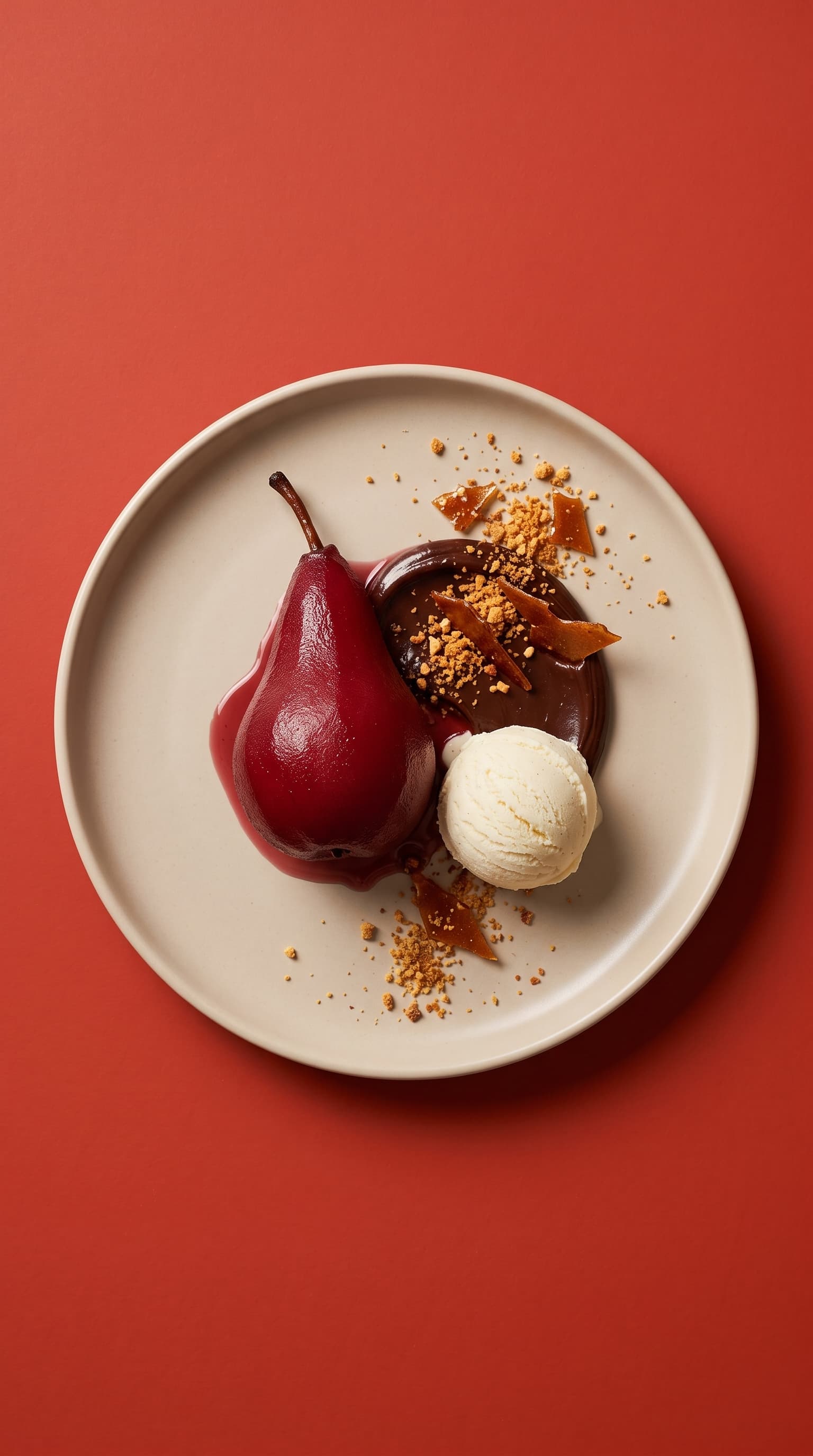
Poires Belle Hélène Recipe with Wine Poached Pears
This poires belle hélène recipe pairs tender red wine poached Conference pears with warm dark chocolate sauce, cold vanilla ice cream, and crisp hazelnut praline. Gentle poaching keeps the pears whole and silky. Plan about 2 hours for cooking and cooling, and serve 4 people right away for the best warm and cold contrast.
150 min · Intermediate · France
Roast Partridge Recipe with Celeriac Mousseline
This roast partridge recipe pairs rosy roasted breast with a crisp confited leg, silky celeriac mousseline, glazed baby carrots, and a glossy juniper-port jus. Dry-brining helps the lean meat stay seasoned and juicy. Allow about 3 hours for cooking and resting, plus overnight dry-brining if you have time. Serves 4.
210 min · Intermediate · France