Szechuan Cumin Lamb with Peppers and Onions
45 min · Medium · Serves 4
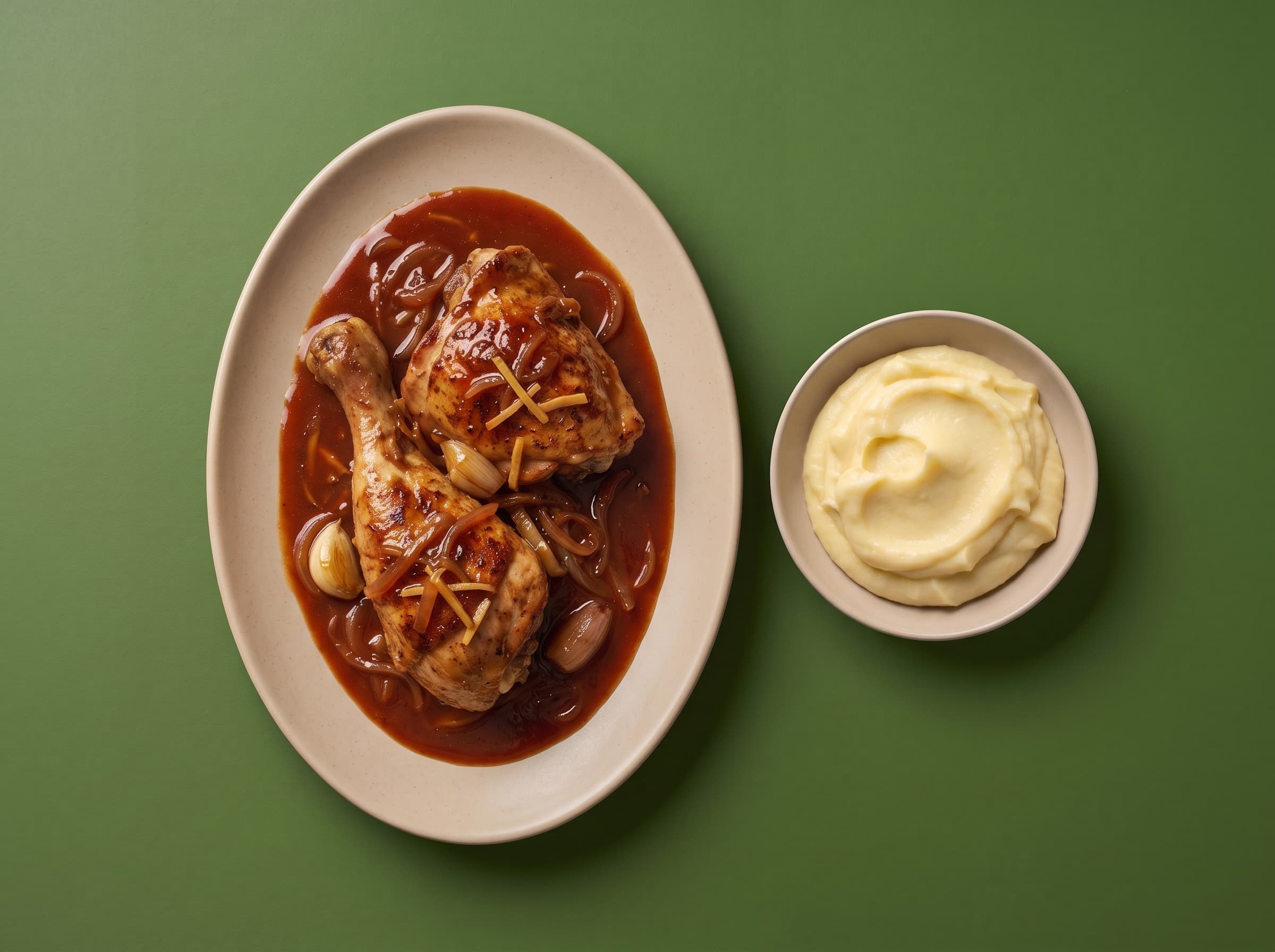 From our menuCoq au vin€22.95 · Made by us, delivered chilled.
This is a bold, aromatic stir-fry from Western China where thinly sliced lamb and a colorful mix of peppers and onions get coated in toasted cumin and numbing Szechuan peppercorns. The secret is a quick marinade that keeps the meat tender, then searing it fast over high heat to get those crispy, spice-crusted edges. Ready in 45 minutes, serves 4.
Recipe by Christophe Rammant
Cordon Bleu Paris alumni - Two star Michelin kitchen experience
How Does This Create Restaurant-Quality Lamb at Home?
Traditional Chinese technique uses 'velveting'—coating the meat in cornstarch before cooking. This creates a protective barrier that locks in moisture and prevents the lamb from getting tough and chewy, even over high heat.
Food science shows that toasting whole spices releases essential oils trapped inside the seeds. When you toast cumin and Szechuan peppercorns in a dry pan, they become ten times more fragrant than using them raw or pre-ground.
The addition of red and sweet onions along with julienned peppers provides a natural sweetness and crunch that balances the intense heat of the spices and the richness of the lamb.
Estimated nutrition per serving
Estimated from ingredient weights, not lab-tested.
- Calories
- 449
- Protein
- 26g
- Fat
- 32g
- Carbohydrates
- 14g
The weekly recipe note
Enjoyed this recipe? Get the next one first.
One new recipe each week from Christophe: global flavor, French technique, and practical home-cook timing.
By signing up, you agree to receive emails from Mr. Saucy.
Ingredients
Recipe yields 4 servings
For the Lamb Marinade
| Amount | Ingredient | Notes |
|---|---|---|
| 450 g (1 lb) | lamb leg or shoulder | thinly sliced against the grain |
| 15 g (1 tablespoon) | light soy sauce | — |
| 15 g (1 tablespoon) | Shaoxing rice wine | — |
| 5 g (1 teaspoon) | cornstarch | — |
For the Spice Mix
| Amount | Ingredient | Notes |
|---|---|---|
| 20 g (2 tablespoons) | whole cumin seeds | to be toasted and crushed |
| 3 g (1 teaspoon) | Szechuan peppercorns | — |
The Vegetable Medley
| Amount | Ingredient | Notes |
|---|---|---|
| 100 g (1 small) | red onion | sliced |
| 100 g (1 small) | sweet onion | sliced |
| 200 g (2 medium) | bell peppers (paprika) | julienned, two different colors |
For the Stir-Fry
| Amount | Ingredient | Notes |
|---|---|---|
| 20 g (16-20 chilies) | dried Szechuan chilies | deseeded and snipped into halves |
| 15 g (3 large cloves) | garlic | thinly sliced |
| 10 g (1-inch piece) | fresh ginger | julienned |
| 30 g (3-4 stalks) | scallions | cut into 2-inch lengths |
| 60 g (4 tablespoons) | neutral cooking oil | peanut or canola oil preferred |
Instructions
Prep and Marinate
- 1
Velvet the Lamb (The Tenderness Trick)
Mix the sliced lamb with soy sauce, Shaoxing wine, and cornstarch in a bowl. Let it sit for 20 minutes at room temperature. This coating creates a protective barrier around each piece of meat that keeps the juices locked inside when you cook it over high heat.
- 2
Toast the Spices (Wake Up the Flavor)
Heat a dry non-stick pan over medium heat (around 350°F / 175°C). Add the cumin seeds and Szechuan peppercorns. Toast for 2-3 minutes, shaking the pan often, until they smell nutty and turn slightly darker. Toasting releases the essential oils that give this dish its signature aroma.
- 3
Crush the Spices
Transfer the toasted spices to a mortar and pestle or cutting board. Crush them coarsely—you want cracked pieces, not powder. This rustic texture gives you little bursts of intense flavor in every bite instead of an even coating.
High-Heat Cooking
- 4
Get the Pan Screaming Hot
Wipe the pan clean and heat 2 tablespoons of oil over high heat until it shimmers and you see faint wisps of smoke (around 400°F / 205°C). This intense heat is what creates that restaurant-quality sear and smoky flavor, even without a professional wok burner.
- 5
Sear the Lamb (Don't Touch It)
Spread the lamb in a single layer across the pan. Let it sit completely still for 60 seconds without moving or stirring. This allows a golden-brown crust to form on the bottom—the Maillard reaction that creates deep, complex flavor.
- 6
Quick Toss and Remove
Toss the lamb quickly for another 60-90 seconds until just browned on all sides but still slightly pink inside. Transfer to a plate immediately. Taking it out now prevents overcooking while you build the aromatic base.
Finishing
- 7
Stir-Fry the Vegetables
Add another tablespoon of oil to the pan. Add the red onion, sweet onion, and julienned peppers. Stir-fry for 2-3 minutes over high heat until they are slightly softened and charred at the edges but still have a crunch. Remove and set aside with the lamb.
- 8
Bloom the Aromatics
Add the remaining 1 tablespoon of oil to the same pan. Toss in the dried chilies, ginger, and garlic. Stir-fry for 30 seconds until the chilies turn bright red and the garlic becomes fragrant. Watch carefully—garlic burns fast and turns bitter.
- 9
Combine Everything (The Final Toss)
Return the lamb and the vegetables to the pan along with the crushed spices and scallions. Toss everything vigorously for 1 minute over high heat. This final blast of heat makes the spices stick to the rendered lamb fat and coats every piece evenly.
- 10
Serve
Transfer the stir-fry to a serving platter immediately. The intense heat of the pan ensures the lamb is perfectly seared and the spices are aromatic.
The weekly recipe note
Enjoyed this recipe? Get the next one first.
One new recipe each week from Christophe: global flavor, French technique, and practical home-cook timing.
By signing up, you agree to receive emails from Mr. Saucy.
Tips & Tricks
your lamb slices are uneven or hard to cut:
Freeze the lamb for 30 minutes before slicing. The meat firms up just enough to make clean, paper-thin cuts much easier.
the dish is too spicy:
Remove all the seeds from the dried chilies before cooking. The seeds hold most of the heat, while the chili flesh gives you the smoky flavor and bright red color without the burn.
your lamb turns out tough and chewy:
Make sure you slice against the grain—look for the direction of the muscle fibers and cut perpendicular to them. This breaks up the tough fibers and makes each bite tender.
the lamb steams instead of sears:
Let the marinated lamb come to room temperature for 15 minutes before cooking. Cold meat drops the pan temperature instantly and releases moisture, which creates steam instead of that crispy, browned crust.
you don't have a mortar and pestle:
Place the toasted spices in a sealed plastic bag and crush them with the bottom of a heavy pan or rolling pin. You'll get the same rustic, coarse texture.
the spices taste raw or bitter:
Don't skip the toasting step. Raw cumin tastes harsh and one-dimensional. Toasted cumin becomes sweet, nutty, and complex—it's a completely different ingredient.
your lamb slices are uneven or hard to cut:
Freeze the lamb for 30 minutes before slicing. The meat firms up just enough to make clean, paper-thin cuts much easier.
the dish is too spicy:
Remove all the seeds from the dried chilies before cooking. The seeds hold most of the heat, while the chili flesh gives you the smoky flavor and bright red color without the burn.
your lamb turns out tough and chewy:
Make sure you slice against the grain—look for the direction of the muscle fibers and cut perpendicular to them. This breaks up the tough fibers and makes each bite tender.
the lamb steams instead of sears:
Let the marinated lamb come to room temperature for 15 minutes before cooking. Cold meat drops the pan temperature instantly and releases moisture, which creates steam instead of that crispy, browned crust.
you don't have a mortar and pestle:
Place the toasted spices in a sealed plastic bag and crush them with the bottom of a heavy pan or rolling pin. You'll get the same rustic, coarse texture.
the spices taste raw or bitter:
Don't skip the toasting step. Raw cumin tastes harsh and one-dimensional. Toasted cumin becomes sweet, nutty, and complex—it's a completely different ingredient.
Frequently Asked Questions
Can I use ground lamb instead of sliced lamb?
You can, but the texture will be very different. Sliced lamb gives you more surface area for that crispy spice crust. If using ground lamb, press it into large flat chunks in the pan first to get a good sear, then break it into smaller pieces after it browns.
What if I don't have Shaoxing rice wine?
Dry sherry is the best substitute since it has a similar nutty, fermented flavor. For an alcohol-free version, use chicken stock with a splash of rice vinegar to add the acidity and moisture the dish needs.
Is there a substitute for Szechuan peppercorns?
Not really—nothing else creates that unique numbing tingle on your tongue. If you must substitute, try a mix of black peppercorns and a tiny bit of lemon zest for floral heat, but you'll lose the signature 'ma' sensation that makes this dish special.
Can I make this ahead of time?
Partially. You can marinate the lamb and prep all the ingredients up to 4 hours ahead. But the actual cooking must happen right before serving—this dish loses its crispy texture and vibrant flavor if it sits around.
Why is my lamb tough and chewy?
Two common reasons: you sliced with the grain instead of against it, or your pan wasn't hot enough. Slicing against the grain breaks up tough muscle fibers, and high heat cooks the meat quickly before it loses moisture and toughens up.
Can I use a wok instead of a non-stick pan?
Absolutely! A carbon steel wok is actually traditional and can handle even higher heat. Just make sure it's well-seasoned and smoking hot before you add the lamb for the best sear.
What should I serve this with?
Steamed white rice is classic—it balances the bold spices. You can also serve it with flatbread like naan or pita, or wrap it in lettuce cups for a lighter option. A simple cucumber salad on the side cuts through the richness.
How do I know when the oil is hot enough?
Look for a shimmer on the surface and faint wisps of smoke rising from the pan (around 400°F / 205°C). You can also test by dropping in a single piece of lamb—if it sizzles immediately and loudly, you're ready to go.
Can I use ground lamb instead of sliced lamb?
You can, but the texture will be very different. Sliced lamb gives you more surface area for that crispy spice crust. If using ground lamb, press it into large flat chunks in the pan first to get a good sear, then break it into smaller pieces after it browns.
What if I don't have Shaoxing rice wine?
Dry sherry is the best substitute since it has a similar nutty, fermented flavor. For an alcohol-free version, use chicken stock with a splash of rice vinegar to add the acidity and moisture the dish needs.
Is there a substitute for Szechuan peppercorns?
Not really—nothing else creates that unique numbing tingle on your tongue. If you must substitute, try a mix of black peppercorns and a tiny bit of lemon zest for floral heat, but you'll lose the signature 'ma' sensation that makes this dish special.
Can I make this ahead of time?
Partially. You can marinate the lamb and prep all the ingredients up to 4 hours ahead. But the actual cooking must happen right before serving—this dish loses its crispy texture and vibrant flavor if it sits around.
Why is my lamb tough and chewy?
Two common reasons: you sliced with the grain instead of against it, or your pan wasn't hot enough. Slicing against the grain breaks up tough muscle fibers, and high heat cooks the meat quickly before it loses moisture and toughens up.
Can I use a wok instead of a non-stick pan?
Absolutely! A carbon steel wok is actually traditional and can handle even higher heat. Just make sure it's well-seasoned and smoking hot before you add the lamb for the best sear.
What should I serve this with?
Steamed white rice is classic—it balances the bold spices. You can also serve it with flatbread like naan or pita, or wrap it in lettuce cups for a lighter option. A simple cucumber salad on the side cuts through the richness.
How do I know when the oil is hot enough?
Look for a shimmer on the surface and faint wisps of smoke rising from the pan (around 400°F / 205°C). You can also test by dropping in a single piece of lamb—if it sizzles immediately and loudly, you're ready to go.
Recipe Reviews
No reviews yet — Be the first to review this recipe!
The collection
All recipes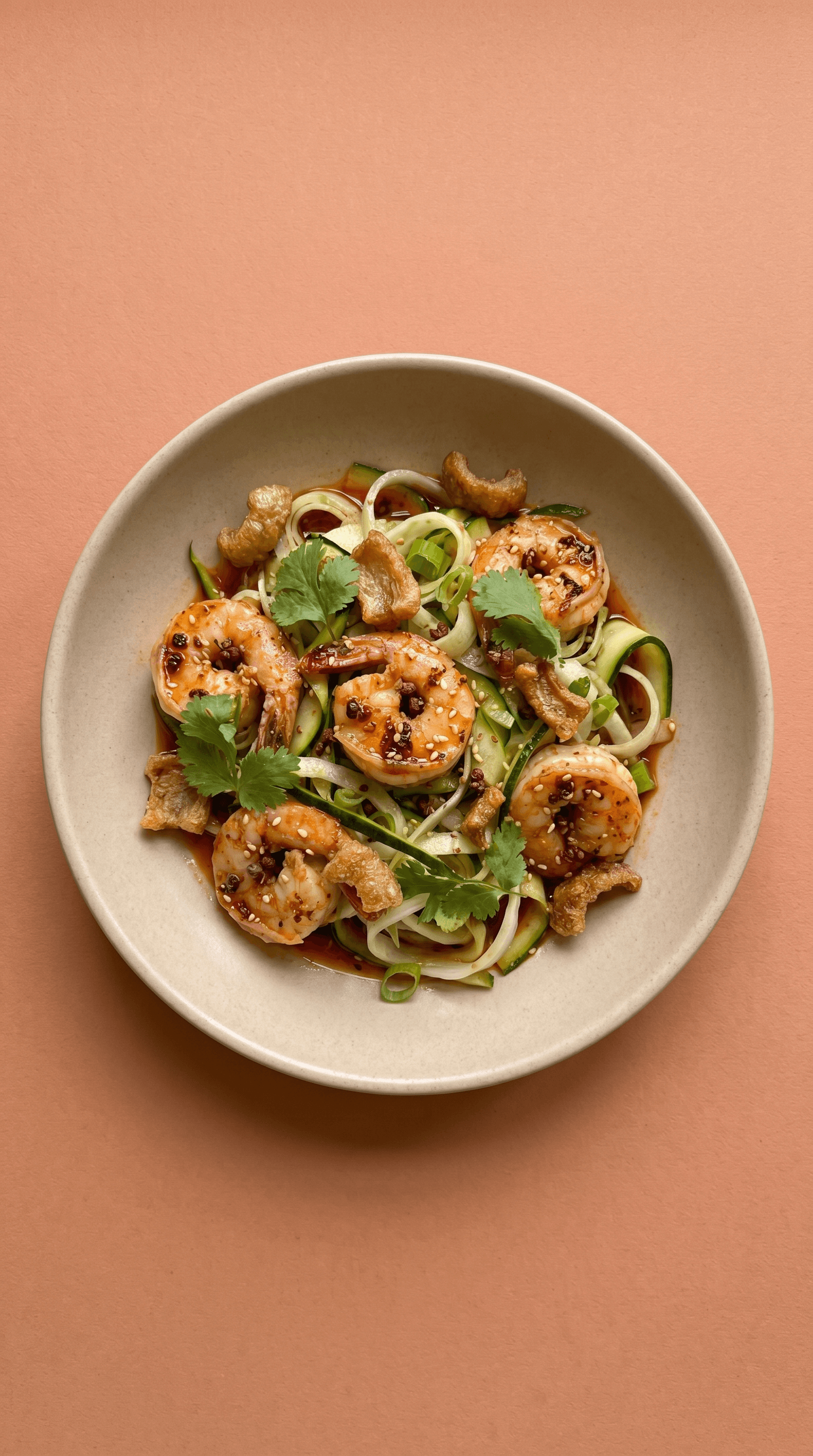
Sichuan Sesame Gambas with Shaved Fennel-Zucchini 'Noodles' and Pork Crackling
This is a light, grain-free take on Sichuan Dan Dan noodles using prawns and crunchy pork crackling. Paper-thin fennel and zucchini ribbons replace the noodles, dressed in a nutty sesame sauce with chili oil.
40 min · Intermediate · China
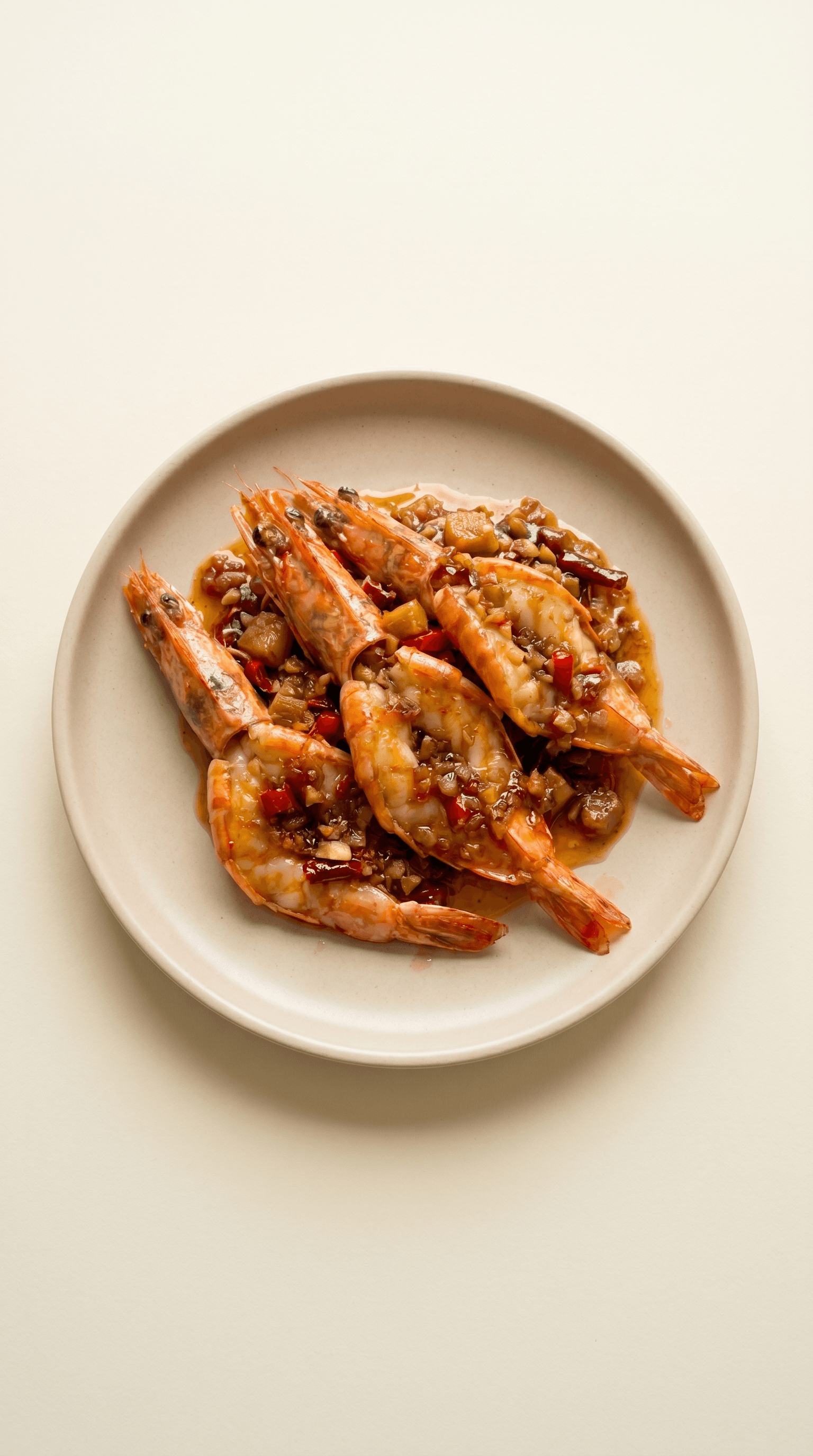
Wok-Seared Black Tiger Gambas with Homemade XO Sauce
This is a sophisticated Cantonese dish where sweet black tiger gambas meet a rich, savory homemade XO sauce. You'll butterfly the prawns for maximum sauce contact, sear them for a golden crust, then briefly braise them in the sauce until they're tender and glossy. It's a more accessible but equally luxurious alternative to lobster.
55 min · Intermediate · China
Pheasant with Grapes, Verjus Jus and Celery Root
This pheasant with grapes recipe pairs juicy roast pheasant with glossy Muscat grapes, sweet caramelised shallots, and bright verjus jus. Gentle pan-roasting keeps the skin crisp, while celery root purée adds silky depth. Plan on about 2 hours for 4 servings, with several parts ready ahead for an easy dinner party.
120 min · Intermediate · France