Royal Belgian Veal Stew (Blanquette de Veau Royale)
2 hrs 5 min · Medium · Serves 4
 From our menuHachis Parmentier€17.95 · Made by us, delivered chilled.
This updated Belgian blanquette starts with a cleansing first boil, then cooks very gently in a 120°C oven for especially tender veal. Bone marrow enriches the broth, Isigny cream replaces the egg liaison, and the mushrooms and pearl onions are softly blanched in butter, white wine, and lemon juice—their reserved liquid is stirred in at the end to balance the sauce.
Recipe by Christophe Rammant
Cordon Bleu Paris alumni - Two star Michelin kitchen experience
What Makes This Version More Refined?
The first boil removes impurities before the real cooking begins, giving the stew a cleaner broth and a more elegant pale finish. That matters in a white stew, where clarity and delicacy are part of the character of the dish.
The second cook happens very slowly in a 120°C oven rather than with a lively stovetop simmer. That gentle, even heat keeps the veal tender and lets the bone marrow gradually melt into the stock, creating extra body and silkiness.
Instead of using an egg liaison, this version is finished with rich Isigny cream for a stable, velvety sauce. The final addition of the reserved butter-wine-lemon liquid from the mushrooms and pearl onions brings the acidity needed to keep the sauce balanced rather than heavy.
Estimated nutrition per serving
Estimated from ingredient weights, not lab-tested.
- Calories
- 916
- Protein
- 47g
- Fat
- 66g
- Carbohydrates
- 29g
The weekly recipe note
Enjoyed this recipe? Get the next one first.
One new recipe each week from Christophe: global flavor, French technique, and practical home-cook timing.
By signing up, you agree to receive emails from Mr. Saucy.
Ingredients
Recipe yields 4 servings
For the Veal and Broth
| Amount | Ingredient | Notes |
|---|---|---|
| 600 g (1.3 lbs) | veal shoulder | cut into 3 cm cubes; preferably milk-fed |
| 200 g (7 oz) | veal mince | freshly minced from the same cut for meatballs |
| 120 g (4 oz) | veal bone marrow | added during the main cooking for extra velvety texture |
| 150 g (1 medium) | yellow onion | halved and studded with cloves |
| 2 pieces | whole cloves | for studding the onion |
| 130 g (2 medium) | carrots | chunked |
| 100 g (1 small) | leek | white and light green parts only, sliced |
| 40 g (1 piece) | celery stalk | chunked |
| 2 pieces | bay leaves | fresh preferred |
| 3 sprigs | fresh thyme | for bouquet garni |
| 6 pieces | white peppercorns | lightly crushed |
| 1 L (4 cups) | chicken stock | unsalted, preferably homemade |
For the Sauce
| Amount | Ingredient | Notes |
|---|---|---|
| 60 g (4 tablespoons) | European butter | divided for roux and for blanching the garnish vegetables |
| 40 g (1/3 cup) | all-purpose flour | for the roux base |
| 80 ml (1/3 cup) | dry white wine | for blanching the garnish vegetables |
| 30 ml (2 tablespoons) | fresh lemon juice | use part for blanching and adjust at the end if needed |
| 180 g (about 3/4 cup) | Isigny cream | rich cream for finishing the sauce |
| 1 pinch | fresh nutmeg | freshly grated |
| to taste | sea salt | flakes preferred |
For the Garnish
| Amount | Ingredient | Notes |
|---|---|---|
| 200 g (7 oz) | white mushrooms | quartered; small button mushrooms work best |
| 150 g (5 oz) | pearl onions | peeled; frozen works well |
| 8 g (2 tablespoons) | flat-leaf parsley | chopped |
Instructions
Prep the Meat and Aromatics
- 1
Rinse and First-Boil the Veal
Rinse the veal cubes under cold water, then place them in a pot and cover with fresh water. Bring briefly to a boil, drain, and rinse the veal again. This first boil removes impurities and gives you a cleaner, more refined final broth.
- 2
Form the Meatballs
Gently mix the minced veal with a little water and salt, then form into 2 cm balls using wet hands. A light touch keeps them tender.
- 3
Build the Bouquet Garni
Stud the onion halves with the cloves and tie the bay leaves and thyme sprigs together with kitchen string to make a bouquet garni. This makes the aromatics easy to remove later.
Slow-Cook the Veal
- 4
Start the Main Cook
Place the blanched veal in a Dutch oven with the stock, onion, carrots, leek, celery, bouquet garni, white peppercorns, and veal bone marrow. Bring just to a simmer on the stovetop.
- 5
Cook Gently in the Oven
Cover the pot and transfer it to a 120°C oven. Cook very gently for about 1 hour, until the veal is tender and the marrow has enriched the broth with extra body and silkiness.
- 6
Poach the Meatballs
Add the meatballs for the last 7 minutes of cooking, or poach them separately in a little simmering broth until just cooked through.
- 7
Strain the Broth
Remove the meat and meatballs with a slotted spoon and set aside. Strain the liquid through a fine mesh strainer, discarding the cooked vegetables and bouquet garni. You now have a clean, marrow-enriched broth for the sauce.
Prepare the Garnish and Sauce
- 8
Blanch the Garnish Vegetables
In a separate pan, gently cook the pearl onions and mushrooms in butter, white wine, and a little lemon juice until tender but not colored. Strain them, reserve the cooking liquid, and set the vegetables aside. That liquid will be used at the end to balance the sauce.
- 9
Make the White Roux
In the Dutch oven, melt the remaining butter over medium-low heat. Whisk in the flour and cook for 2-3 minutes, stirring constantly, until it smells cooked but has not taken on any color.
- 10
Build the Velouté
Gradually whisk the hot strained broth into the roux, adding it in small amounts at first and whisking constantly until smooth. Simmer gently until lightly thickened.
Finish and Serve
- 11
Finish with Cream
Stir the Isigny cream into the sauce and warm very gently without letting it boil. This creates a rich, stable, velvety finish without using egg yolks.
- 12
Combine Everything
Return the veal, meatballs, mushrooms, and pearl onions to the sauce. Warm through gently, then stir in the reserved butter-white wine-lemon liquid from the garnish vegetables and add the nutmeg.
- 13
Season and Garnish
Taste and adjust with sea salt and, if needed, a final touch of lemon juice for balance. Serve immediately in shallow bowls, garnished with chopped parsley.
The weekly recipe note
Enjoyed this recipe? Get the next one first.
One new recipe each week from Christophe: global flavor, French technique, and practical home-cook timing.
By signing up, you agree to receive emails from Mr. Saucy.
Tips & Tricks
the sauce looks dull or heavy:
Finish it with the reserved liquid from the mushrooms and pearl onions. That butter-white wine-lemon reduction is what brings freshness and balance to the final sauce.
the veal is tough and chewy:
The heat was probably too aggressive. After the initial blanching step, keep the second cook very gentle in a 120°C oven so the meat slowly becomes tender instead of tightening.
the garnish vegetables are too dark:
They should not be seared anymore. Slowly blanch the mushrooms and pearl onions in butter, white wine, and lemon juice so they stay pale and delicate.
the sauce tastes flat:
Check the final balance at the end, after adding the reserved garnish liquid. That liquid provides acidity and aroma, and may reduce the need for extra lemon.
the sauce splits after adding cream:
Keep the heat very low once the Isigny cream goes in. You want gentle warming only—no boiling—so the sauce stays smooth and emulsified.
the broth is cloudy:
Do the first boil and rinse carefully before starting the main cooking. That initial cleansing step is key to a clean, elegant white stew.
the sauce looks dull or heavy:
Finish it with the reserved liquid from the mushrooms and pearl onions. That butter-white wine-lemon reduction is what brings freshness and balance to the final sauce.
the veal is tough and chewy:
The heat was probably too aggressive. After the initial blanching step, keep the second cook very gentle in a 120°C oven so the meat slowly becomes tender instead of tightening.
the garnish vegetables are too dark:
They should not be seared anymore. Slowly blanch the mushrooms and pearl onions in butter, white wine, and lemon juice so they stay pale and delicate.
the sauce tastes flat:
Check the final balance at the end, after adding the reserved garnish liquid. That liquid provides acidity and aroma, and may reduce the need for extra lemon.
the sauce splits after adding cream:
Keep the heat very low once the Isigny cream goes in. You want gentle warming only—no boiling—so the sauce stays smooth and emulsified.
the broth is cloudy:
Do the first boil and rinse carefully before starting the main cooking. That initial cleansing step is key to a clean, elegant white stew.
Frequently Asked Questions
Can I make this veal stew ahead of time?
Yes. You can do the first boil, the slow oven simmer, and strain the broth a day ahead. For the best final texture, reheat gently and finish the sauce with the roux, Isigny cream, and the reserved garnish liquid just before serving.
Why do a first boil before simmering the veal?
It removes impurities from the meat and gives you a cleaner, more refined broth. In a pale white stew like this, that extra step makes a real difference to both flavor and appearance.
Why cook the stew in the oven at 120°C?
A low oven provides steady, gentle heat that helps the veal become tender without tightening up. It also lets the bone marrow slowly melt into the broth for a silkier sauce.
Why use Isigny cream instead of egg yolks?
Isigny cream gives a rich, stable, velvety finish without the curdling risk of an egg liaison. The result is a pure cream sauce that still feels luxurious and elegant.
What should I serve with this stew?
Steamed white rice, buttered egg noodles, or boiled potatoes all work beautifully. They soak up the silky sauce, while a lightly dressed green salad helps balance the richness.
Can I freeze blanquette de veau?
It is better than an egg-finished version for reheating, but cream sauces still lose some finesse after freezing. If you want the best result, freeze the veal in the strained broth and finish with cream and garnish liquid when serving.
Why use veal bone marrow?
Bone marrow slowly melts into the broth and adds body, gloss, and a velvety mouthfeel. It deepens the luxurious texture of the sauce without darkening the dish.
What does the reserved mushroom-onion liquid do?
It carries butter, white wine, and lemon flavors from the garnish vegetables. Added at the end, it brings gentle acidity and helps balance the richness of the marrow and cream.
Can I make this veal stew ahead of time?
Yes. You can do the first boil, the slow oven simmer, and strain the broth a day ahead. For the best final texture, reheat gently and finish the sauce with the roux, Isigny cream, and the reserved garnish liquid just before serving.
Why do a first boil before simmering the veal?
It removes impurities from the meat and gives you a cleaner, more refined broth. In a pale white stew like this, that extra step makes a real difference to both flavor and appearance.
Why cook the stew in the oven at 120°C?
A low oven provides steady, gentle heat that helps the veal become tender without tightening up. It also lets the bone marrow slowly melt into the broth for a silkier sauce.
Why use Isigny cream instead of egg yolks?
Isigny cream gives a rich, stable, velvety finish without the curdling risk of an egg liaison. The result is a pure cream sauce that still feels luxurious and elegant.
What should I serve with this stew?
Steamed white rice, buttered egg noodles, or boiled potatoes all work beautifully. They soak up the silky sauce, while a lightly dressed green salad helps balance the richness.
Can I freeze blanquette de veau?
It is better than an egg-finished version for reheating, but cream sauces still lose some finesse after freezing. If you want the best result, freeze the veal in the strained broth and finish with cream and garnish liquid when serving.
Why use veal bone marrow?
Bone marrow slowly melts into the broth and adds body, gloss, and a velvety mouthfeel. It deepens the luxurious texture of the sauce without darkening the dish.
What does the reserved mushroom-onion liquid do?
It carries butter, white wine, and lemon flavors from the garnish vegetables. Added at the end, it brings gentle acidity and helps balance the richness of the marrow and cream.
Recipe Reviews
No reviews yet — Be the first to review this recipe!
The collection
All recipesVenison Fillet Recipe with Blackberry Juniper Jus
This venison fillet recipe gives you tender, rosy meat with a quick sear and gentle roasting. Serve it with silky celeriac mousseline, honey-glazed carrots, blackberry-juniper jus, and crisp hazelnuts. Plan about 3 hours for cooking and resting, plus advance chilling if you dry-season the venison overnight. It serves 4.
180 min · Intermediate · Belgium
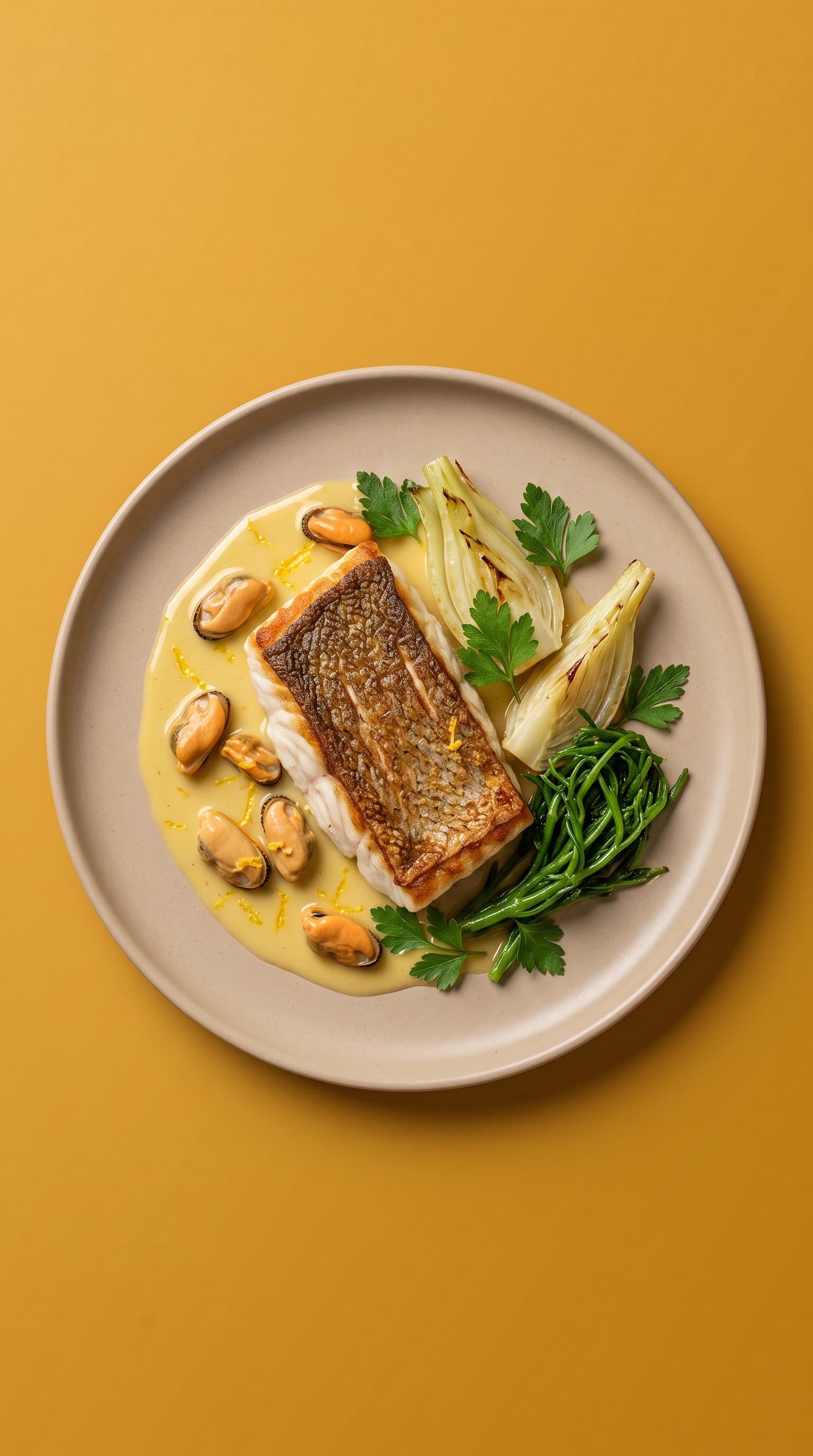
John Dory Recipe with Saffron Mussel Sauce
This John Dory recipe pairs crisp, golden skin with sweet confit fennel, tender sea aster, and a silky saffron mussel sauce. Steam the mussels first, reduce their liquor, and finish the sauce with cold butter. The dish takes about 1 hour 45 minutes and serves 4 for a special dinner.
105 min · Intermediate · Belgium
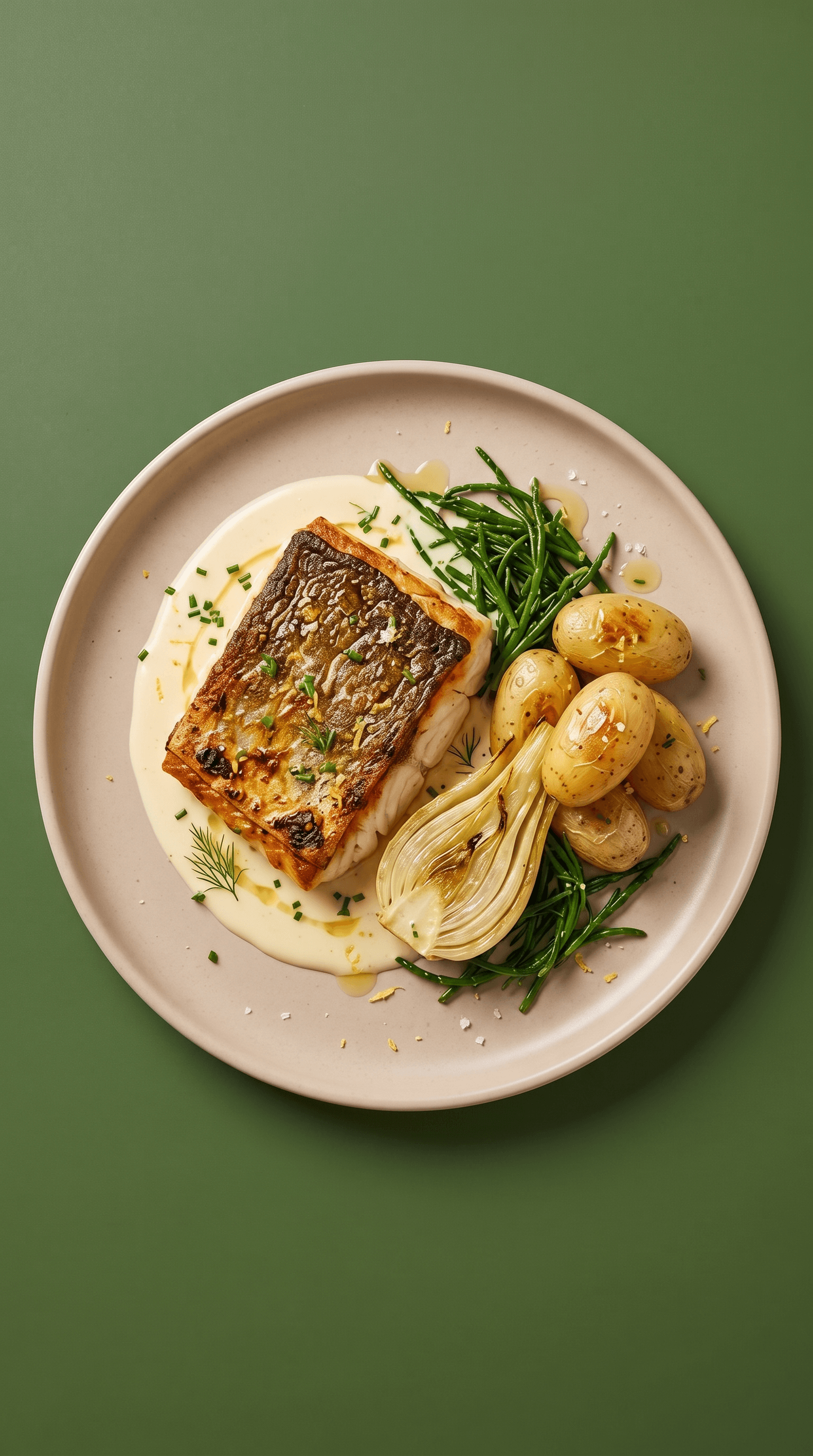
Roasted Turbot Recipe with Vermouth Beurre Blanc and Fennel
This roasted turbot recipe pairs a crisp-skinned, oven-finished fillet with a silky vermouth beurre blanc, buttery braised fennel, and confit-style baby potatoes. The trick is a hard sear for color, then a gentle 180°C / 356°F oven finish so the delicate flesh stays moist. It takes about 90 minutes total and serves 4.
90 min · Intermediate · Belgium