Pansit Palabok
1 hr · Medium · Serves 4-6
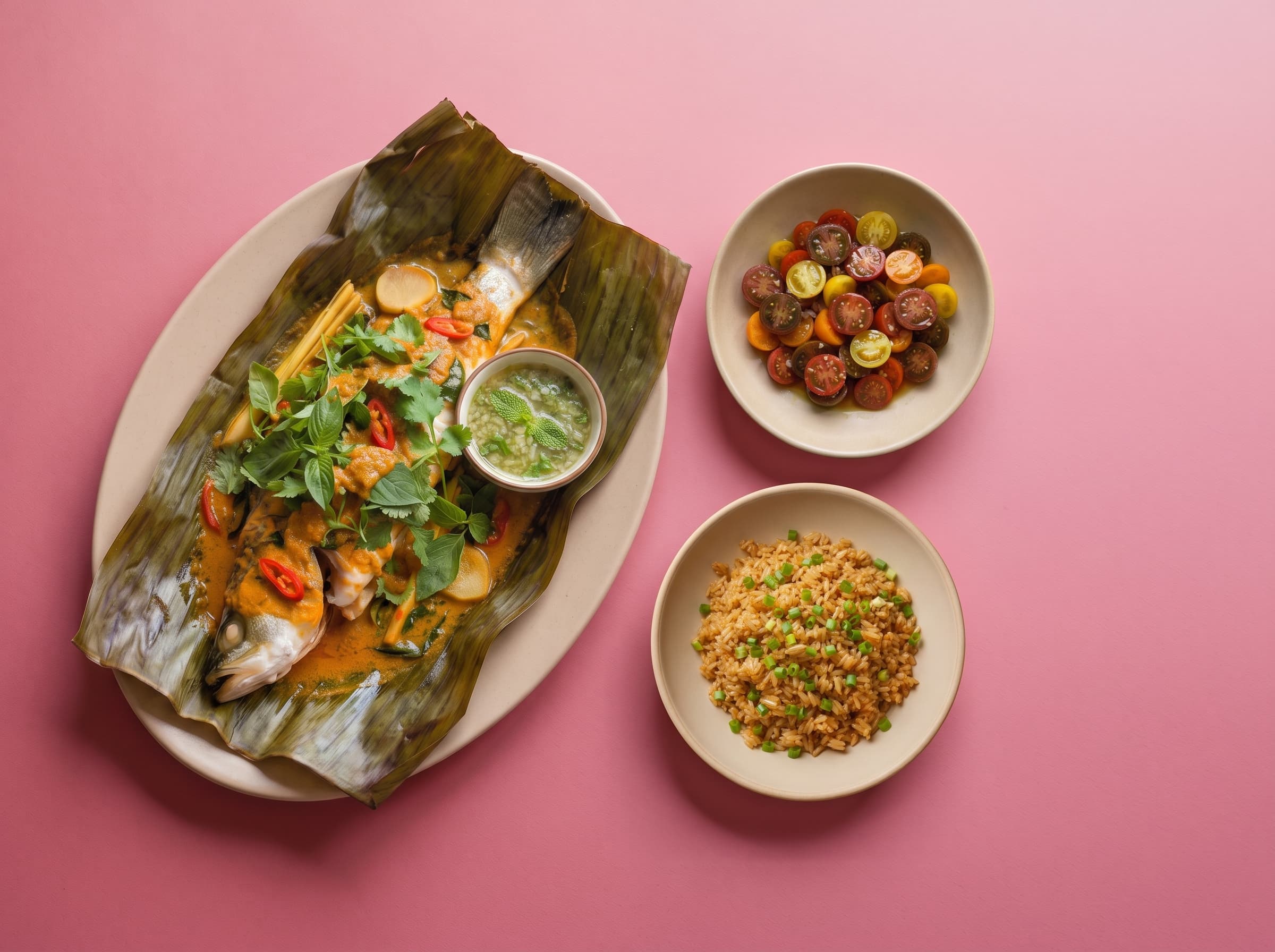 From our menuSteamed Sea Bass€118.75 · Made by us, delivered chilled.
Pansit Palabok is a stunning Filipino noodle dish crowned with a rich, golden shrimp sauce and savory toppings like crispy pork rinds and dried fish. The magic happens when you build a deep seafood stock from shrimp shells, thicken it with rice flour, and layer it over delicate glass noodles. Takes about an hour start to finish and serves 4-6 people, perfect for family celebrations.
Recipe by Christophe Rammant
Cordon Bleu Paris alumni - Two star Michelin kitchen experience
What Makes This Sauce So Rich and Golden?
Traditional Filipino technique shows that the secret is in the shrimp shells and heads. When you sauté them until bright orange, then deglaze with white wine, you're pulling every bit of caramelized flavor from the pan—professional chefs call this the 'fond,' and it's where the deepest taste lives.
Food science shows that rice flour creates a silkier sauce than regular wheat flour. It thickens without making the sauce heavy or pasty, and it stays smooth even when you reheat it. The annatto seeds give you that signature orange glow naturally, no artificial dyes needed.
The layering technique matters too. By finishing the shrimp separately in butter and calamansi juice, you keep them tender instead of rubbery. Then all those textures—soft noodles, rich sauce, crunchy pork rinds—come together in one beautiful bowl.
Estimated nutrition per serving
Estimated from ingredient weights, not lab-tested.
- Calories
- 705
- Protein
- 33g
- Fat
- 24g
- Carbohydrates
- 84g
The weekly recipe note
Enjoyed this recipe? Get the next one first.
One new recipe each week from Christophe: global flavor, French technique, and practical home-cook timing.
By signing up, you agree to receive emails from Mr. Saucy.
Ingredients
Recipe yields 4-6 servings
For the Shrimp Stock
| Amount | Ingredient | Notes |
|---|---|---|
| 500 g | shrimp | with heads and shells—save the meat for later |
| 120 ml | white wine | for deglazing |
| 500 ml | seafood stock | — |
| 15 g | annatto seeds | soaked in warm water for natural orange color |
For the Sauce
| Amount | Ingredient | Notes |
|---|---|---|
| 200 g | ground pork | — |
| 100 g | shallots | minced |
| 20 g | garlic | minced |
| 250 ml | pork broth | — |
| 60 g | rice flour | gluten-free thickener |
| 30 ml | fish sauce (patis) | for seasoning |
For the Shrimp Topping
| Amount | Ingredient | Notes |
|---|---|---|
| 30 g | butter | — |
| 10 g | garlic | minced |
| 30 ml | calamansi puree or juice | or equal parts lime and lemon juice |
For Assembly
| Amount | Ingredient | Notes |
|---|---|---|
| 300 g | glass noodles (bihon) | cooked according to package directions |
| 50 g | dried shrimp or fish | crumbled (tinapa is traditional) |
| 50 g | pork rinds (chicharrón) | crumbled for crunch |
| 50 g | lemon or calamansi wedges | for serving |
Instructions
Build the Shrimp Stock
- 1
Extract the Annatto Color
Soak the annatto seeds in warm water for 10-15 minutes. The water will turn bright orange as the natural pigment releases. This gives you that signature Palabok color without any artificial dyes.
- 2
Sauté the Shrimp Shells
Heat a large skillet over medium-high heat and add the shrimp shells and heads. Sauté for 3-4 minutes until they turn bright orange and smell toasty. This step releases all the shrimpy flavor locked inside the shells.
- 3
Deglaze with White Wine
Pour in the white wine and scrape the bottom of the pan with a wooden spoon. Those caramelized brown bits stuck to the pan—that's the fond—hold tons of flavor. The wine lifts them right up into your stock.
- 4
Simmer the Stock
Add the seafood stock and the annatto water to the pan. Bring to a gentle simmer at medium-low heat (around 185°F / 85°C) and cook for 20 minutes. Crush the shrimp heads with your spoon while it simmers—the fat inside holds the most concentrated shrimp flavor. Strain through a fine-mesh strainer and set aside.
Make the Sauce
- 5
Brown the Pork
In a clean large skillet or wok, cook the ground pork over medium-high heat until browned and crispy, about 5-6 minutes. Breaking it into small pieces as it cooks gives you more surface area for browning, which means deeper flavor.
- 6
Sauté the Aromatics
Add the minced shallots and garlic to the pork. Sauté for 2-3 minutes until fragrant and softened. Cooking them in the pork fat builds a rich, savory base that carries through the whole dish.
- 7
Combine and Season
Pour in the strained shrimp stock and pork broth. Season with fish sauce to taste—start with a little and add more as you go. The fish sauce gives you that essential salty umami depth that makes Filipino food so craveable.
- 8
Thicken with Rice Flour
Mix the rice flour with a few tablespoons of cold water to make a smooth slurry—this prevents lumps. Whisk the slurry into the simmering sauce and cook for 5-7 minutes, stirring often, until it thickens enough to coat the back of a spoon. The rice flour creates a silky texture that clings perfectly to the noodles.
Finish the Shrimp and Assemble
- 9
Sauté the Shrimp Meat
In a clean pan, melt the butter over medium heat and add the minced garlic. Cook until fragrant, about 30 seconds, then add the reserved shrimp meat. Sauté for 2-3 minutes until just opaque and pink—overcooking makes them rubbery. Finish with a splash of calamansi juice for brightness that cuts through the richness.
- 10
Plate the Noodles
Divide the cooked glass noodles among serving bowls. If they've been sitting, rinse them quickly in cold water and toss with a tiny bit of oil to prevent sticking.
- 11
Add the Sauce and Toppings
Ladle the thick orange sauce generously over the noodles. Top with the sautéed shrimp, crumbled dried fish, and crushed pork rinds. Add the pork rinds at the very last second so they stay crunchy instead of getting soggy from the steam.
- 12
Serve with Citrus
Serve immediately with extra calamansi or lemon wedges on the side. Guests can squeeze them over their bowls to adjust the acidity—that bright citrus cuts through the rich pork and seafood and makes every bite balanced.
The weekly recipe note
Enjoyed this recipe? Get the next one first.
One new recipe each week from Christophe: global flavor, French technique, and practical home-cook timing.
By signing up, you agree to receive emails from Mr. Saucy.
Tips & Tricks
your sauce is lumpy:
Always mix your rice flour with cold water first to make a smooth slurry before adding it to the hot pot. This prevents clumping and gives you a silky sauce every time.
the sauce is too thick:
Gradually whisk in small amounts of extra pork broth or water until you reach a consistency that easily coats the back of a spoon. Rice flour thickens more as it cools, so aim for slightly thinner than you want.
you want maximum shrimp flavor:
Don't skip crushing the shrimp heads while they simmer in the stock. The fat inside the heads contains the most concentrated shrimp flavor—it's like liquid gold for your sauce.
your pork rinds are soggy:
Only add the crumbled chicharrón at the very last second before serving. The steam from the hot sauce will soften them quickly, so timing is everything for that satisfying crunch.
your noodles are sticking together:
Rinse the cooked noodles in cold water to stop the cooking process and toss them with a tiny bit of oil if you aren't saucing them immediately. This keeps them separate and silky.
you don't have annatto seeds:
Substitute with 1/2 teaspoon of paprika for color, or use annatto powder if you can find it. While it won't change the flavor much, that vibrant orange color is the visual signature of authentic Pansit Palabok.
your sauce is lumpy:
Always mix your rice flour with cold water first to make a smooth slurry before adding it to the hot pot. This prevents clumping and gives you a silky sauce every time.
the sauce is too thick:
Gradually whisk in small amounts of extra pork broth or water until you reach a consistency that easily coats the back of a spoon. Rice flour thickens more as it cools, so aim for slightly thinner than you want.
you want maximum shrimp flavor:
Don't skip crushing the shrimp heads while they simmer in the stock. The fat inside the heads contains the most concentrated shrimp flavor—it's like liquid gold for your sauce.
your pork rinds are soggy:
Only add the crumbled chicharrón at the very last second before serving. The steam from the hot sauce will soften them quickly, so timing is everything for that satisfying crunch.
your noodles are sticking together:
Rinse the cooked noodles in cold water to stop the cooking process and toss them with a tiny bit of oil if you aren't saucing them immediately. This keeps them separate and silky.
you don't have annatto seeds:
Substitute with 1/2 teaspoon of paprika for color, or use annatto powder if you can find it. While it won't change the flavor much, that vibrant orange color is the visual signature of authentic Pansit Palabok.
Frequently Asked Questions
Can I make the Palabok sauce ahead of time?
Yes! Prepare the orange sauce up to two days in advance and store it covered in the fridge. Reheat gently on the stove over low heat, and you may need to whisk in a splash of broth when reheating since rice flour thickener firms up significantly once cooled.
What is a good substitute for calamansi juice?
If you can't find fresh calamansi or frozen puree, mix equal parts lime and lemon juice. This combination mimics the unique tartness and floral aroma of the Philippine lime, which is essential for balancing the savory richness of the sauce.
Why are my glass noodles sticking together?
Noodles stick when they're overcooked or left sitting without sauce. To prevent this, rinse the cooked noodles in cold water to stop the cooking process and toss them with a tiny bit of oil if you aren't saucing them right away.
What if I don't have annatto seeds?
You can substitute with 1/2 teaspoon of paprika for color, or use annatto powder if available. While it won't change the flavor significantly, the vibrant orange color is the visual hallmark of an authentic Pansit Palabok that makes it so special.
Can I use chicken instead of pork?
Yes, ground chicken works well as a substitute. Brown it the same way you would the pork, though it won't release quite as much fat. You may want to add a tablespoon of oil to help the aromatics cook properly.
How do I know when the sauce is thick enough?
The sauce is ready when it coats the back of a spoon and doesn't immediately run off. Dip a spoon in, run your finger across the back—if the line stays clean and doesn't fill back in, you're good to go.
What kind of noodles should I use?
Traditional Pansit Palabok uses rice stick noodles (bihon), not glass noodles. Look for thin rice vermicelli in the Asian section of your grocery store. They're gluten-free and have the perfect texture for soaking up that rich sauce.
Can I make this dairy-free?
Absolutely! Replace the butter with neutral oil when sautéing the shrimp. The dish will still be delicious—the richness comes mainly from the shrimp stock and pork, not the butter.
Can I make the Palabok sauce ahead of time?
Yes! Prepare the orange sauce up to two days in advance and store it covered in the fridge. Reheat gently on the stove over low heat, and you may need to whisk in a splash of broth when reheating since rice flour thickener firms up significantly once cooled.
What is a good substitute for calamansi juice?
If you can't find fresh calamansi or frozen puree, mix equal parts lime and lemon juice. This combination mimics the unique tartness and floral aroma of the Philippine lime, which is essential for balancing the savory richness of the sauce.
Why are my glass noodles sticking together?
Noodles stick when they're overcooked or left sitting without sauce. To prevent this, rinse the cooked noodles in cold water to stop the cooking process and toss them with a tiny bit of oil if you aren't saucing them right away.
What if I don't have annatto seeds?
You can substitute with 1/2 teaspoon of paprika for color, or use annatto powder if available. While it won't change the flavor significantly, the vibrant orange color is the visual hallmark of an authentic Pansit Palabok that makes it so special.
Can I use chicken instead of pork?
Yes, ground chicken works well as a substitute. Brown it the same way you would the pork, though it won't release quite as much fat. You may want to add a tablespoon of oil to help the aromatics cook properly.
How do I know when the sauce is thick enough?
The sauce is ready when it coats the back of a spoon and doesn't immediately run off. Dip a spoon in, run your finger across the back—if the line stays clean and doesn't fill back in, you're good to go.
What kind of noodles should I use?
Traditional Pansit Palabok uses rice stick noodles (bihon), not glass noodles. Look for thin rice vermicelli in the Asian section of your grocery store. They're gluten-free and have the perfect texture for soaking up that rich sauce.
Can I make this dairy-free?
Absolutely! Replace the butter with neutral oil when sautéing the shrimp. The dish will still be delicious—the richness comes mainly from the shrimp stock and pork, not the butter.
Recipe Reviews
No reviews yet — Be the first to review this recipe!
The collection
All recipes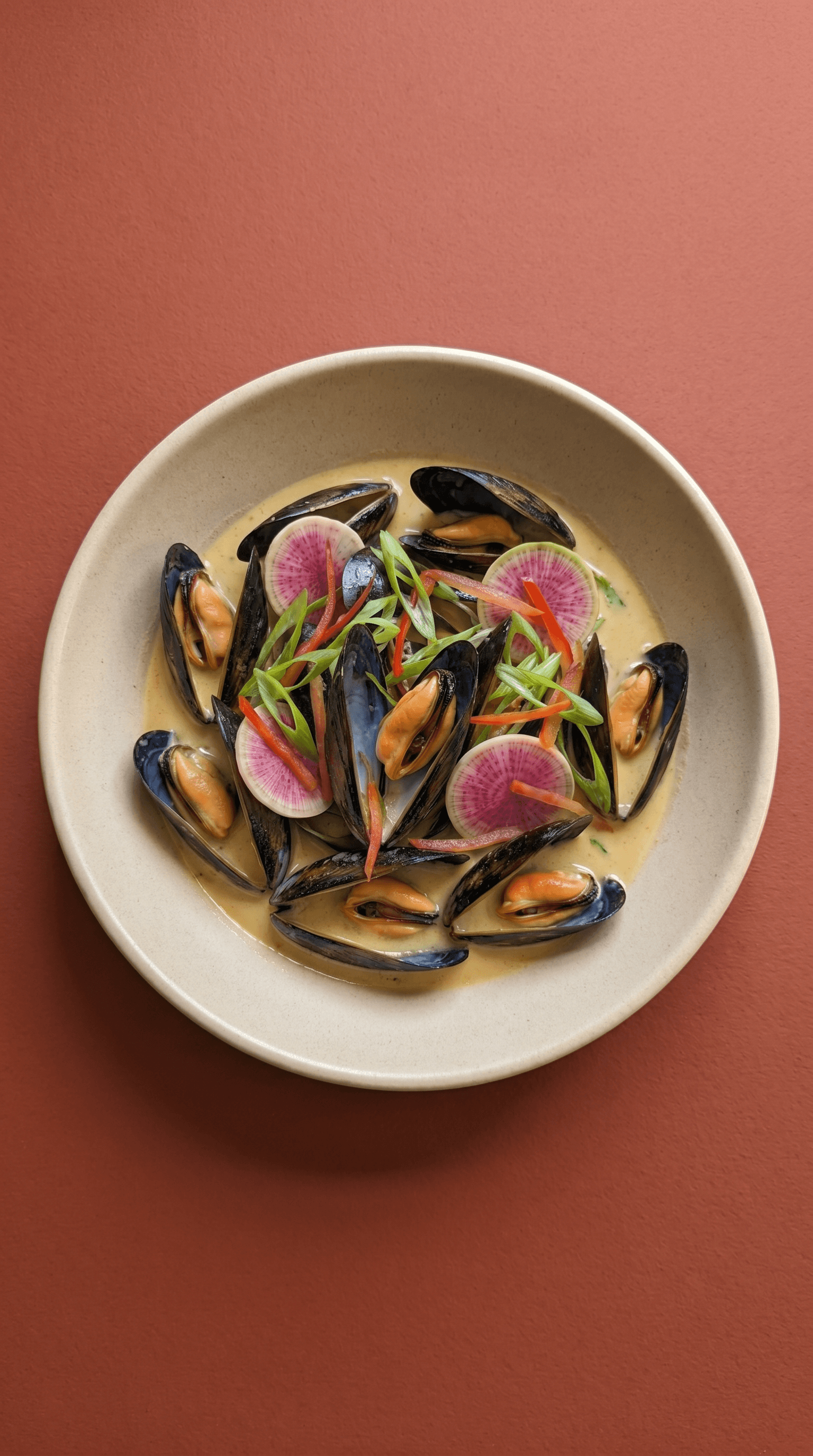
Ginger-Lemongrass Mussels with Sinigang Aromatics and Sour Cream
This dish combines French steaming techniques with Filipino flavors to create restaurant-quality mussels in about 30 minutes. Fresh mussels cook in white wine with ginger, lemongrass, and tangy sour cream, then get finished with butter and decorative watermelon radish rounds for a silky, stunning presentation.
30 min · Intermediate · Philippines
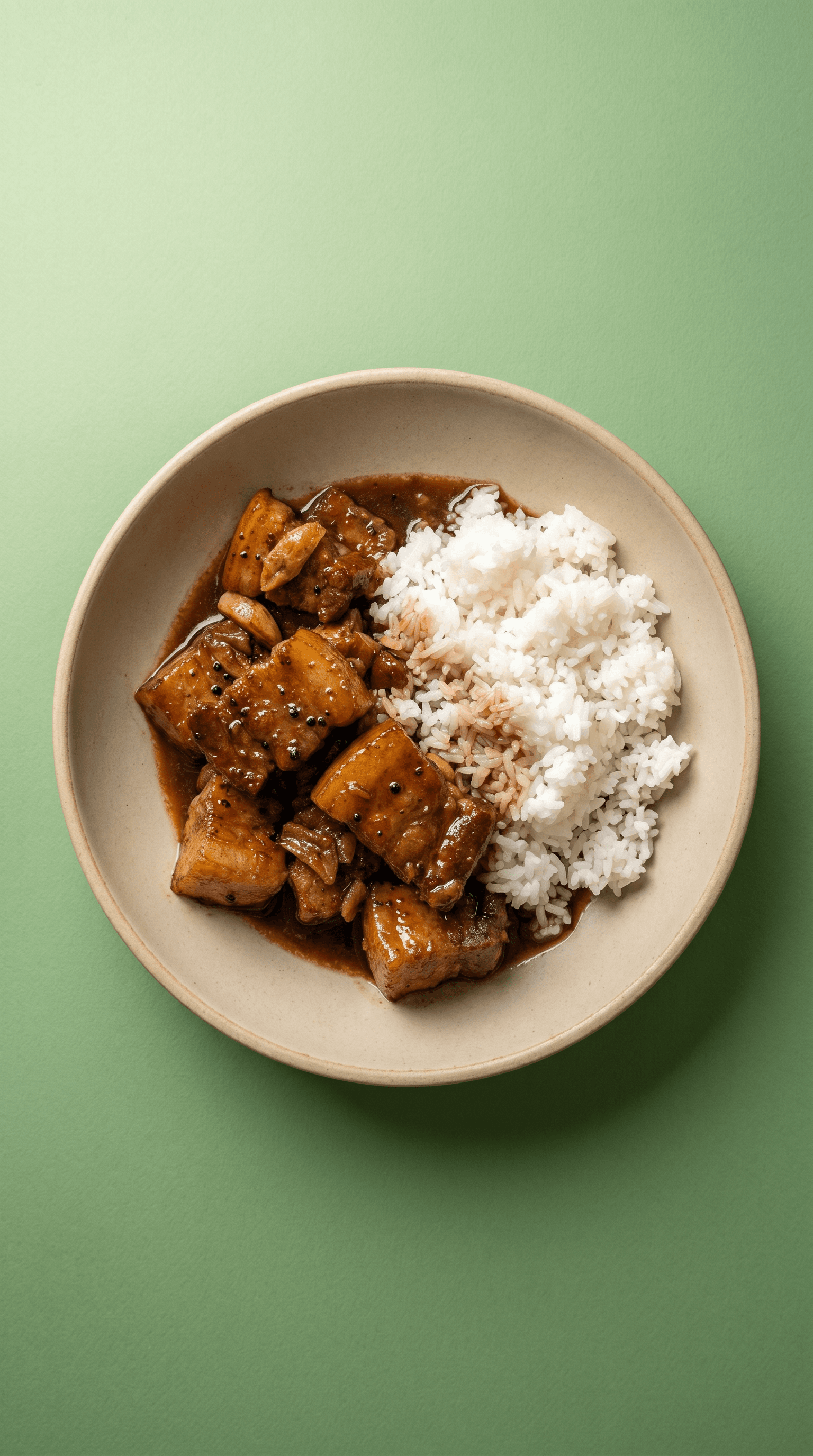
Red Wine Infused Pork Adobo with Beurre Monté
This elegant pork adobo combines Filipino braising with French butter technique to create restaurant-quality results at home. The secret is a red wine reduction that deepens the flavor, finished with silky butter that balances the vinegar's tang. Plan for 2.5 hours total, with most of that being gentle simmering while you relax. Serves 4-6 people.
150 min · Intermediate · Philippines
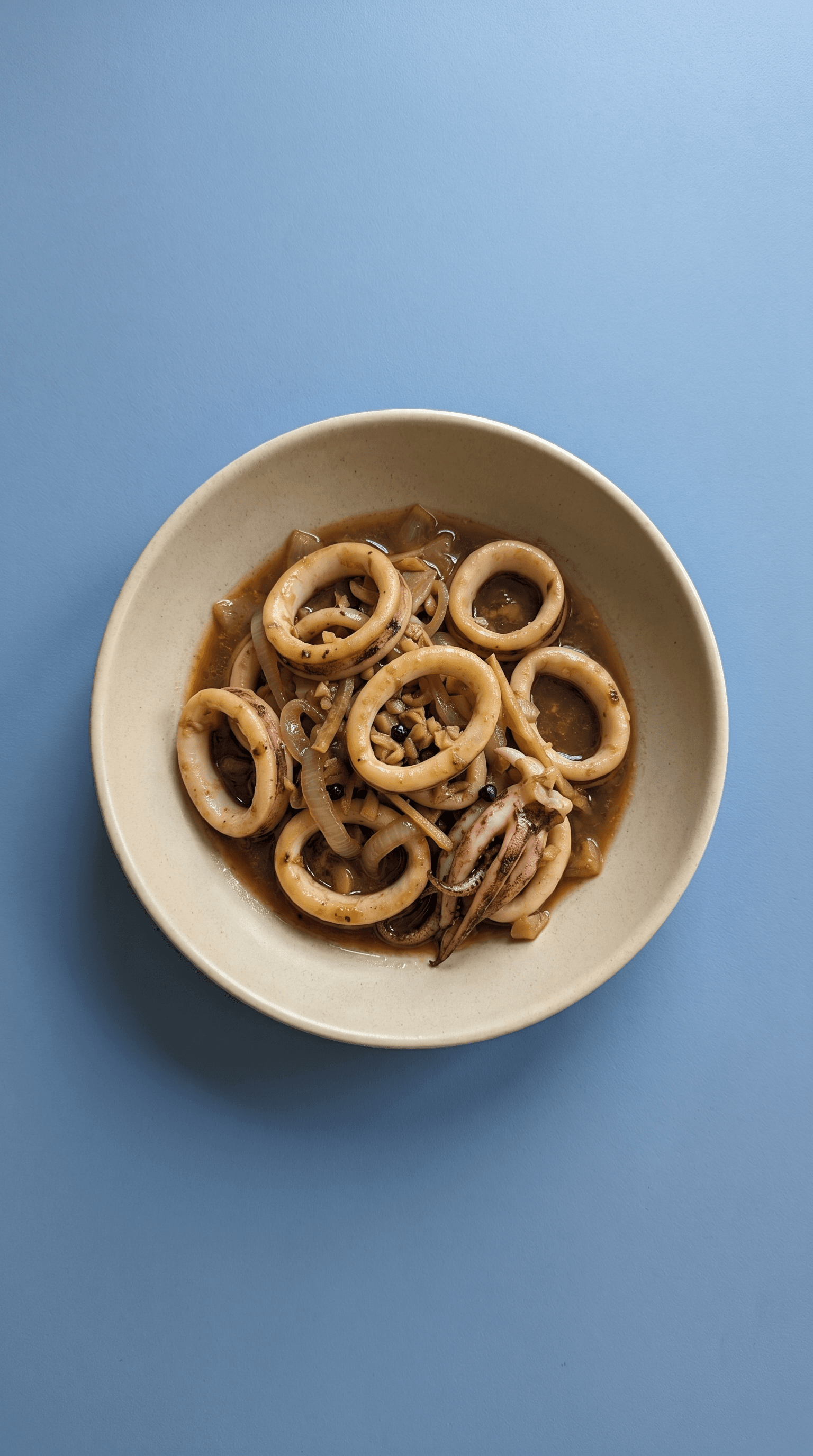
Squid Adobo with White Wine Reduction
This Filipino-French fusion dish combines tender squid with a glossy wine-enriched adobo sauce finished with butter. The secret is cooking the squid fast—just 2 minutes over high heat—then building a rich sauce that's both tangy and silky. Ready in 35 minutes, serves 4-6 people.
35 min · Easy · Philippines