Pan-Seared Catfish Meunière with Lemon-Glazed Brown Butter
25 min · Medium · Serves 4
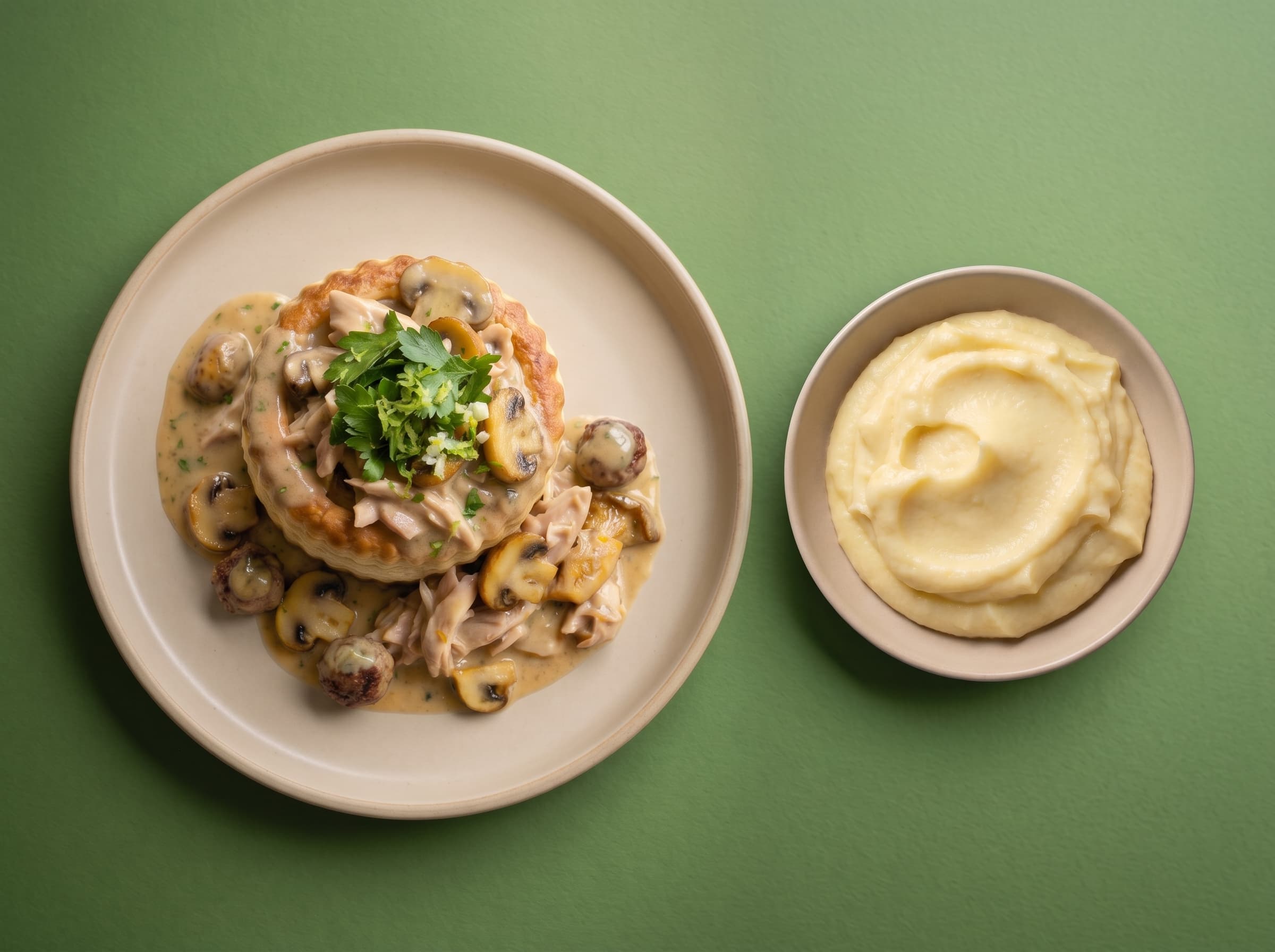 From our menuVol-au-Vent East meets West€19.95 · Made by us, delivered chilled.
This French bistro classic transforms affordable wolffish into restaurant-quality dining using a simple flour coating and nutty brown butter sauce. The key is getting a golden crust on the fish, then making a quick lemon-butter glaze that's both rich and bright. Ready in 25 minutes, serves 4.
Recipe by Christophe Rammant
Cordon Bleu Paris alumni - Two star Michelin kitchen experience
How Does This Create That Restaurant-Quality Golden Crust?
Traditional French technique shows that a whisper-thin flour coating creates the perfect 'Meunière' crust. When the flour hits hot fat, it forms a delicate shell that turns golden and crispy while keeping the fish moist inside.
Professional chefs know the secret is in the brown butter—what the French call 'beurre noisette.' Food science shows that when butter's milk solids toast, they develop hundreds of new flavor compounds that taste like hazelnuts and caramel. Shocking it with cold lemon juice stops the cooking instantly and creates a glossy glaze.
The firm texture of wolffish is actually an advantage here. Unlike delicate sole that can fall apart, wolffish holds together beautifully during the high-heat sear, giving you that deep golden color without overcooking the center.
Estimated nutrition per serving
Estimated from ingredient weights, not lab-tested.
- Calories
- 551
- Protein
- 39g
- Fat
- 39g
- Carbohydrates
- 13g
The weekly recipe note
Enjoyed this recipe? Get the next one first.
One new recipe each week from Christophe: global flavor, French technique, and practical home-cook timing.
By signing up, you agree to receive emails from Mr. Saucy.
Ingredients
Recipe yields 4 servings
For the Fish
| Amount | Ingredient | Notes |
|---|---|---|
| 800 g (about 1.75 lbs) | Zeewolf (Wolffish) fillets | 4 portions, skinless and patted very dry |
| 60 g (1/2 cup) | All-purpose flour | for dredging |
| 8 g (1.5 tsp) | Fine sea salt | to taste |
| 2 g (1/2 tsp) | White pepper | freshly ground for a clean aesthetic |
For Cooking and Sauce
| Amount | Ingredient | Notes |
|---|---|---|
| 120 g (8 tbsp) | Unsalted butter | high quality, divided for searing and sauce |
| 30 g (2 tbsp) | Neutral oil (Grapeseed or Sunflower) | to raise the smoke point during searing |
| 45 g (3 tbsp) | Fresh lemon juice | approx. 1.5 lemons, to deglaze and cool the butter |
| 15 g (3 tbsp) | Italian flat-leaf parsley | finely chopped |
Instructions
Prep the Fish
- 1
Season Early (Let Salt Work Its Magic)
Season the wolffish fillets generously with salt and white pepper on both sides. Seasoning early—at least 5 minutes before cooking—allows the salt to penetrate the dense protein structure of the fish, seasoning it all the way through instead of just on the surface.
- 2
Dredge Lightly (The Translucent Veil Trick)
Dredge the fish in flour and shake off every bit of excess until only a translucent veil remains. This thin layer is essential for creating the delicate 'Meunière' crust without it becoming gummy or heavy. Too much flour makes a pasty coating that tastes raw.
Sear the Fish
- 3
Heat the Pan (Wait for the Shimmer)
Heat the oil and a small knob of butter (about 1 tablespoon) in a heavy-bottomed skillet over medium-high heat until the butter stops foaming and the oil shimmers—around 350°F / 175°C. The oil prevents the butter from burning while the fish sears and develops that golden crust.
- 4
Sear Until Golden (Don't Rush the Crust)
Place the fillets in the pan and sear for 3-4 minutes per side until a deep golden crust forms and the fish reaches 140°F / 60°C internally. Because wolffish is thicker and denser than sole, it requires this extra time to cook through to a pearly white center. You'll know it's ready when it flakes easily with a fork.
- 5
Clean the Pan (Fresh Start for the Sauce)
Remove the fish to a warm plate and wipe the pan clean with a paper towel. Removing the spent cooking fats and any burnt flour particles ensures your final brown butter sauce is clean, nutty, and free of bitter bits.
Make the Brown Butter Sauce
- 6
Brown the Butter (Watch for Hazelnut Color)
Add the remaining butter (about 7 tablespoons) to the clean pan over medium heat and whisk constantly as it melts, foams, and 'sings' (makes crackling sounds). When the crackling stops and the milk solids turn the color of toasted hazelnuts—around 250°F / 120°C—you've hit the perfect 'beurre noisette' stage. This takes about 2-3 minutes.
- 7
Shock with Lemon (Stop the Cooking)
Immediately pour in the fresh lemon juice to 'shock' the butter and stop the cooking process. This creates a bright, glossy glaze and prevents the butter from turning bitter or black. The sauce will foam up dramatically—this is exactly what you want.
- 8
Finish and Serve (Capture the Aromatics)
Stir in the chopped parsley and immediately pour the foaming sauce over the fish. The residual heat releases the parsley's aromatic oils without dulling its vibrant green color. Serve right away while the sauce is still warm and glossy.
The weekly recipe note
Enjoyed this recipe? Get the next one first.
One new recipe each week from Christophe: global flavor, French technique, and practical home-cook timing.
By signing up, you agree to receive emails from Mr. Saucy.
Tips & Tricks
your fish has a gummy, pasty coating:
You used too much flour. After dredging, shake the fillet vigorously and even brush off excess with your hand. You want to see the fish through the flour—just a thin, almost transparent layer.
the flour crust is falling off during cooking:
The fish was too wet when you dredged it. Always pat the fillets bone-dry with paper towels before flouring. Even a little surface moisture prevents the flour from sticking properly.
your brown butter turned black and bitter:
It went past the 'noisette' stage into burnt territory. Use a stainless steel or light-colored pan so you can see the color change clearly. Have your lemon juice measured and ready to add the instant you see hazelnut-brown specks.
the sauce separated and looks oily:
Add a teaspoon of cold water and whisk vigorously off the heat. The moisture helps re-emulsify the fat and lemon juice back into a smooth, glossy sauce.
you don't have wolffish:
Use any firm white fish like halibut, cod, or haddock. Thinner fillets like sole or flounder work too but need only 2 minutes per side. Adjust your cooking time based on thickness—the fish should reach 140°F / 60°C internally.
your fish has a gummy, pasty coating:
You used too much flour. After dredging, shake the fillet vigorously and even brush off excess with your hand. You want to see the fish through the flour—just a thin, almost transparent layer.
the flour crust is falling off during cooking:
The fish was too wet when you dredged it. Always pat the fillets bone-dry with paper towels before flouring. Even a little surface moisture prevents the flour from sticking properly.
your brown butter turned black and bitter:
It went past the 'noisette' stage into burnt territory. Use a stainless steel or light-colored pan so you can see the color change clearly. Have your lemon juice measured and ready to add the instant you see hazelnut-brown specks.
the sauce separated and looks oily:
Add a teaspoon of cold water and whisk vigorously off the heat. The moisture helps re-emulsify the fat and lemon juice back into a smooth, glossy sauce.
you don't have wolffish:
Use any firm white fish like halibut, cod, or haddock. Thinner fillets like sole or flounder work too but need only 2 minutes per side. Adjust your cooking time based on thickness—the fish should reach 140°F / 60°C internally.
Frequently Asked Questions
Why use wolffish instead of sole?
Wolffish offers a similar sweet, mild flavor to sole but with a much firmer texture that doesn't fall apart easily. It's significantly more affordable and gives you a more substantial, meaty bite that many people find more satisfying. Plus, the firm texture holds up better to the high-heat sear needed for that golden crust.
What is the 'singing' stage of butter?
As butter heats, the water content evaporates and creates a crackling or 'singing' sound—like tiny fireworks. When this sound stops, it means the water is gone and the milk solids are about to brown rapidly. This is your cue to watch the pan intensely and have your lemon juice ready to pour.
Can I use bottled lemon juice?
No, fresh lemon juice is critical here. The citric acid in fresh lemons provides a sharp, bright contrast to the rich butter. Bottled juice often has a cooked or metallic taste from processing that clashes with the delicate nuttiness of the brown butter and makes the whole dish taste flat.
Can I make this ahead of time?
No, this dish is best served immediately. The brown butter sauce loses its glossy texture and vibrant flavor as it sits, and the crispy crust on the fish gets soggy. The good news is it only takes 25 minutes start to finish, so you can make it fresh right before serving.
What if I don't have white pepper?
Regular black pepper works fine—you'll just see little black specks on the fish instead of the clean, elegant look that white pepper gives. The flavor difference is minimal. Use the same amount and grind it fresh for the best taste.
How do I know when the fish is done?
The fish should reach 140°F / 60°C internally and flake easily when you press a fork into the thickest part. Visually, it turns from translucent to opaque pearly white all the way through. If you don't have a thermometer, the fork test is reliable—the fish should separate into clean flakes without resistance.
Can I add capers like the classic Grenobloise version?
Absolutely! Add 1-2 tablespoons of non-pareil capers (the tiny ones) to the butter at the same time as the lemon juice. They add a salty, briny pop that cuts through the richness beautifully. You can also add a few croutons for crunch if you want the full Grenobloise treatment.
Why does the recipe call for room temperature fish?
Cold fish from the fridge cooks unevenly—the outside overcooks before the center warms through. Letting it sit out for 15 minutes ensures even heat penetration through the thick fillets, so you get a perfect golden crust and a just-cooked, tender center at the same time.
Why use wolffish instead of sole?
Wolffish offers a similar sweet, mild flavor to sole but with a much firmer texture that doesn't fall apart easily. It's significantly more affordable and gives you a more substantial, meaty bite that many people find more satisfying. Plus, the firm texture holds up better to the high-heat sear needed for that golden crust.
What is the 'singing' stage of butter?
As butter heats, the water content evaporates and creates a crackling or 'singing' sound—like tiny fireworks. When this sound stops, it means the water is gone and the milk solids are about to brown rapidly. This is your cue to watch the pan intensely and have your lemon juice ready to pour.
Can I use bottled lemon juice?
No, fresh lemon juice is critical here. The citric acid in fresh lemons provides a sharp, bright contrast to the rich butter. Bottled juice often has a cooked or metallic taste from processing that clashes with the delicate nuttiness of the brown butter and makes the whole dish taste flat.
Can I make this ahead of time?
No, this dish is best served immediately. The brown butter sauce loses its glossy texture and vibrant flavor as it sits, and the crispy crust on the fish gets soggy. The good news is it only takes 25 minutes start to finish, so you can make it fresh right before serving.
What if I don't have white pepper?
Regular black pepper works fine—you'll just see little black specks on the fish instead of the clean, elegant look that white pepper gives. The flavor difference is minimal. Use the same amount and grind it fresh for the best taste.
How do I know when the fish is done?
The fish should reach 140°F / 60°C internally and flake easily when you press a fork into the thickest part. Visually, it turns from translucent to opaque pearly white all the way through. If you don't have a thermometer, the fork test is reliable—the fish should separate into clean flakes without resistance.
Can I add capers like the classic Grenobloise version?
Absolutely! Add 1-2 tablespoons of non-pareil capers (the tiny ones) to the butter at the same time as the lemon juice. They add a salty, briny pop that cuts through the richness beautifully. You can also add a few croutons for crunch if you want the full Grenobloise treatment.
Why does the recipe call for room temperature fish?
Cold fish from the fridge cooks unevenly—the outside overcooks before the center warms through. Letting it sit out for 15 minutes ensures even heat penetration through the thick fillets, so you get a perfect golden crust and a just-cooked, tender center at the same time.
Recipe Reviews
No reviews yet — Be the first to review this recipe!
The collection
All recipesPheasant with Grapes, Verjus Jus and Celery Root
This pheasant with grapes recipe pairs juicy roast pheasant with glossy Muscat grapes, sweet caramelised shallots, and bright verjus jus. Gentle pan-roasting keeps the skin crisp, while celery root purée adds silky depth. Plan on about 2 hours for 4 servings, with several parts ready ahead for an easy dinner party.
120 min · Intermediate · France
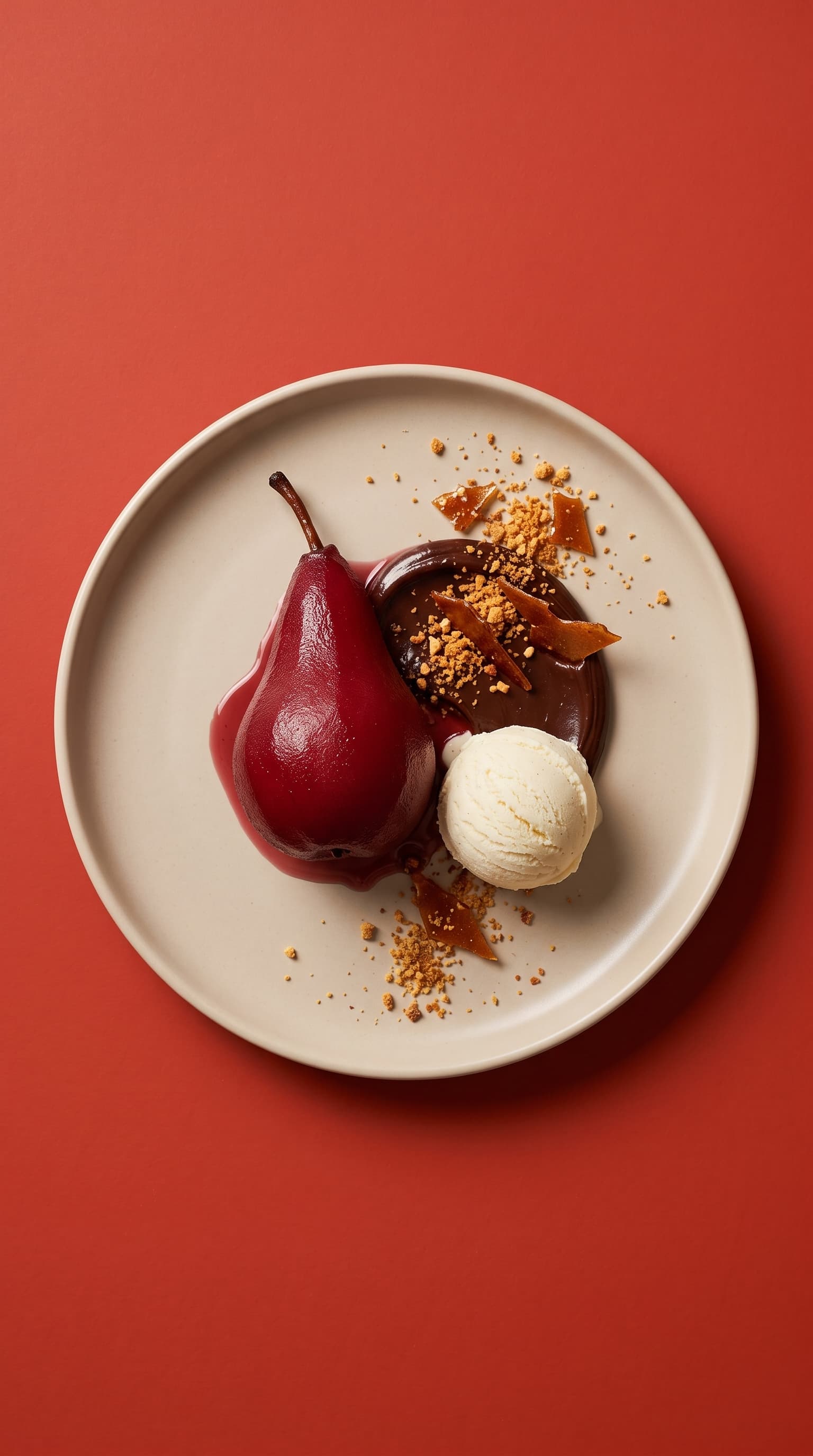
Poires Belle Hélène Recipe with Wine Poached Pears
This poires belle hélène recipe pairs tender red wine poached Conference pears with warm dark chocolate sauce, cold vanilla ice cream, and crisp hazelnut praline. Gentle poaching keeps the pears whole and silky. Plan about 2 hours for cooking and cooling, and serve 4 people right away for the best warm and cold contrast.
150 min · Intermediate · France
Roast Partridge Recipe with Celeriac Mousseline
This roast partridge recipe pairs rosy roasted breast with a crisp confited leg, silky celeriac mousseline, glazed baby carrots, and a glossy juniper-port jus. Dry-brining helps the lean meat stay seasoned and juicy. Allow about 3 hours for cooking and resting, plus overnight dry-brining if you have time. Serves 4.
210 min · Intermediate · France