No-Bake Lemon Custard Tart with Apricot Glaze and Lime Zest
5 hrs 15 min · Medium · Serves 6
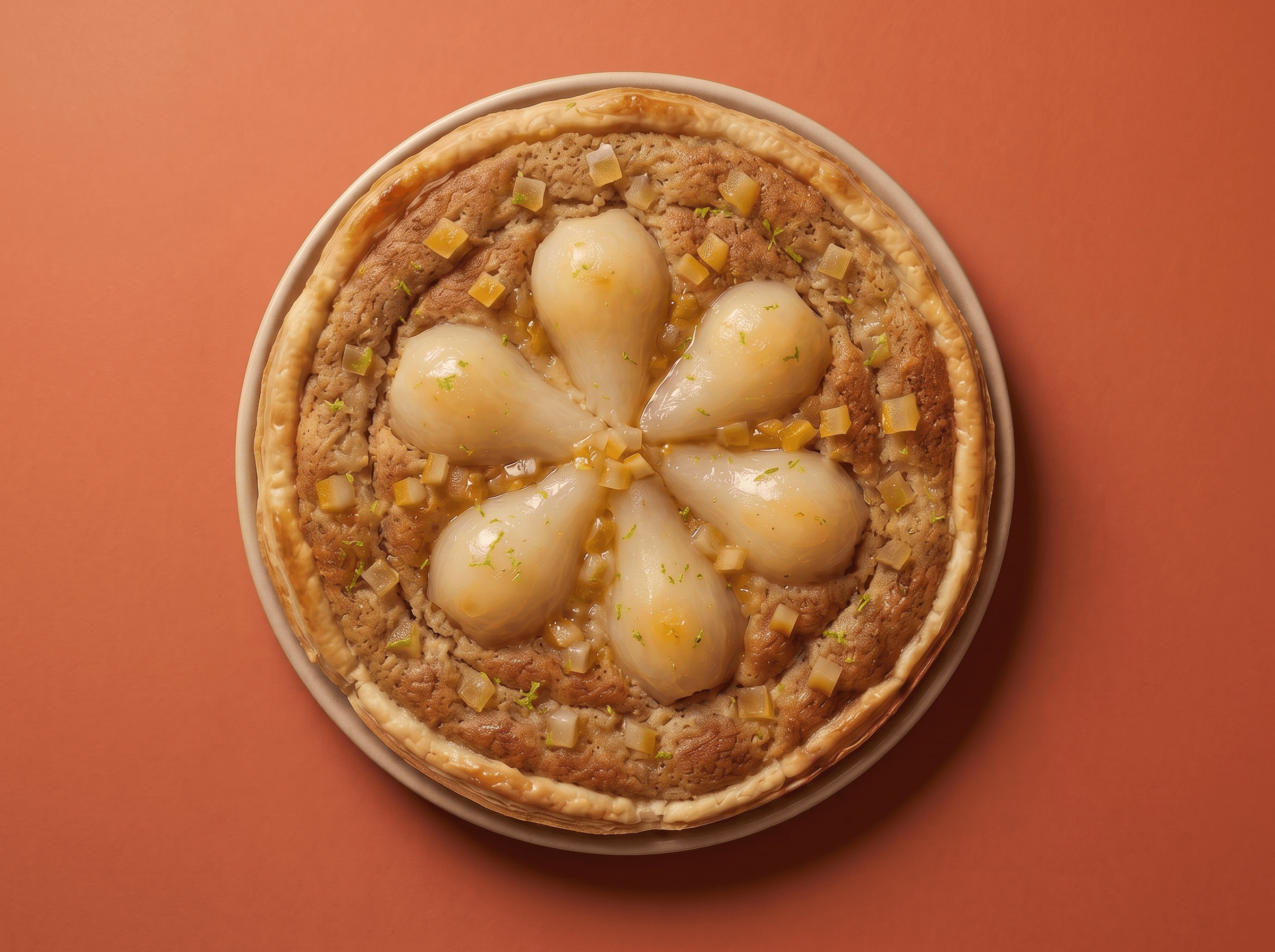 From our menuPear Tart€22.95 · Made by us, delivered chilled.
This is a silky French lemon tart with a crisp shortbread crust and a gelatin-set custard filling—no oven needed for the filling. The secret is cooking the lemon curd gently on the stovetop to 180°F / 82°C, then letting gelatin work its magic in the fridge. Takes about 5 hours total (mostly hands-off chilling time) and serves 8.
Recipe by Christophe Rammant
Cordon Bleu Paris alumni - Two star Michelin kitchen experience
Why Does Gelatin Make This Better Than a Baked Tart?
Traditional French pâtisserie technique shows that gelatin-stabilized custards can hold more lemon juice and butter than baked versions. This means you get a brighter, more intense citrus flavor without the filling curdling or weeping.
Food science shows that cooking the custard to exactly 180°F / 82°C on the stovetop gives you precise control—something impossible in an oven. The gentle heat thickens the eggs perfectly while the gelatin sets everything into a sliceable, creamy texture that melts on your tongue.
Professional pastry chefs know that the apricot glaze isn't just for looks. It creates a protective barrier that keeps the custard from forming a skin and adds a subtle fruity sweetness that balances the tart lemon punch.
Estimated nutrition per serving
Estimated from ingredient weights, not lab-tested.
- Calories
- 526
- Protein
- 7g
- Fat
- 29g
- Carbohydrates
- 61g
The weekly recipe note
Enjoyed this recipe? Get the next one first.
One new recipe each week from Christophe: global flavor, French technique, and practical home-cook timing.
By signing up, you agree to receive emails from Mr. Saucy.
Ingredients
Recipe yields 6 servings
For the Pâte Sablée Crust
| Amount | Ingredient | Notes |
|---|---|---|
| 250 g (2 cups) | all-purpose flour | — |
| 150 g (10 tablespoons) | unsalted butter | cold, cubed |
| 100 g (1 cup) | powdered sugar | sifted |
| 40 g (2 large yolks) | egg yolk | — |
| 2 g (1/3 teaspoon) | salt | fine sea salt |
For the Lemon Custard Filling
| Amount | Ingredient | Notes |
|---|---|---|
| 150 g (3/4 cup) | granulated sugar | — |
| 150 g (3 large eggs) | whole eggs | — |
| 120 g (1/2 cup) | fresh lemon juice | freshly squeezed |
| 5 g (1 tablespoon) | lemon zest | finely grated |
| 100 g (7 tablespoons) | unsalted butter | cold, cubed |
| 4 g (2 sheets) | gelatin | gold strength gelatin sheets |
For the Apricot Glaze and Finish
| Amount | Ingredient | Notes |
|---|---|---|
| 60 g (3 tablespoons) | apricot jam | — |
| 15 g (1 tablespoon) | water | to thin the glaze |
| 3 g (1 teaspoon) | fresh lime zest | for garnish |
Instructions
Make and Bake the Crust
- 1
Mix the Dough
Rub the cold butter cubes into the flour and powdered sugar with your fingertips until it looks like coarse sand. Add the egg yolks and salt, then gently press everything together into a dough. Don't overwork it—you want the butter to stay in small pieces for a tender, crumbly crust.
- 2
Roll and Chill
Roll the dough to 3 mm (about 1/8 inch) thick and line your 9-inch tart tin, pressing it gently into the corners. Chill for 30 minutes in the fridge—this firms up the butter so the crust holds its shape and doesn't shrink when you bake it.
- 3
Blind Bake Until Golden
Line the chilled crust with parchment and fill with baking weights. Bake at 350°F / 175°C for 20-25 minutes until completely golden brown and crisp. Since the filling won't be baked, the crust needs to be fully cooked now or it'll stay soggy. Let it cool completely before filling.
Make the Lemon Custard
- 4
Bloom the Gelatin
Submerge the gelatin sheets in a bowl of cold water for 5-10 minutes until they're soft and floppy. Squeeze out the excess water and set aside—the gelatin will dissolve into the hot custard later and set everything into a sliceable texture.
- 5
Cook the Custard to 180°F / 82°C
Whisk the eggs, sugar, lemon juice, and lemon zest in a heatproof bowl. Set it over a pot of simmering water (bain-marie) and whisk constantly until the mixture thickens and reaches 180°F / 82°C on a thermometer. This gentle heat cooks the eggs without scrambling them and creates a smooth, velvety base.
- 6
Add Gelatin and Butter
Remove the bowl from heat and whisk in the bloomed gelatin until it completely dissolves. Let the custard cool to 140°F / 60°C, then gradually whisk in the cold butter cubes one at a time until the filling is glossy and emulsified. The butter adds richness and creates that silky mouthfeel.
- 7
Fill and Chill
Pour the warm custard into the cooled tart shell and tap the pan gently on the counter to release any air bubbles. Refrigerate for at least 4 hours, or ideally overnight—the gelatin needs this time to fully set the custard into a firm, sliceable consistency.
Glaze and Finish
- 8
Make the Apricot Glaze
Heat the apricot jam and water in a small saucepan until boiling, then strain through a fine-mesh sieve to remove any fruit chunks. This creates a smooth, glossy glaze that gives the tart that professional pastry shop shine.
- 9
Brush and Garnish
Gently brush the warm apricot glaze over the chilled tart surface in a thin, even layer. The glaze seals the custard and prevents it from drying out. Just before serving, grate fresh lime zest over the top for a bright, aromatic finish that cuts through the richness.
The weekly recipe note
Enjoyed this recipe? Get the next one first.
One new recipe each week from Christophe: global flavor, French technique, and practical home-cook timing.
By signing up, you agree to receive emails from Mr. Saucy.
Tips & Tricks
your custard has tiny lumps or bits of cooked egg:
Pass the hot custard through a fine-mesh sieve before adding the butter and gelatin. This catches any overcooked bits and gives you a perfectly smooth filling.
the butter won't blend smoothly into the custard:
Use an immersion blender to mix in the butter instead of whisking by hand. The high-speed blending creates a perfect emulsion that won't separate or look greasy.
the apricot glaze gets too thick while you're brushing:
Reheat it gently with a teaspoon of water to restore the fluid consistency. Work quickly while it's warm—it sets as it cools.
your tart crust is soggy after filling:
Make absolutely sure the baked crust is completely cooled before pouring in the custard. A warm crust will steam and lose its crispness.
the custard won't set even after chilling:
You may not have dissolved the gelatin completely or the custard was too hot when you added the gelatin (heat can break down its setting power). Next time, make sure the gelatin fully dissolves and the custard is at 140°F / 60°C before adding butter.
you don't have gelatin sheets:
Use 1 teaspoon (about 3 g) of powdered gelatin instead. Sprinkle it over 2 tablespoons of cold water, let it bloom for 5 minutes, then microwave for 10 seconds to melt before whisking into the hot custard.
your custard has tiny lumps or bits of cooked egg:
Pass the hot custard through a fine-mesh sieve before adding the butter and gelatin. This catches any overcooked bits and gives you a perfectly smooth filling.
the butter won't blend smoothly into the custard:
Use an immersion blender to mix in the butter instead of whisking by hand. The high-speed blending creates a perfect emulsion that won't separate or look greasy.
the apricot glaze gets too thick while you're brushing:
Reheat it gently with a teaspoon of water to restore the fluid consistency. Work quickly while it's warm—it sets as it cools.
your tart crust is soggy after filling:
Make absolutely sure the baked crust is completely cooled before pouring in the custard. A warm crust will steam and lose its crispness.
the custard won't set even after chilling:
You may not have dissolved the gelatin completely or the custard was too hot when you added the gelatin (heat can break down its setting power). Next time, make sure the gelatin fully dissolves and the custard is at 140°F / 60°C before adding butter.
you don't have gelatin sheets:
Use 1 teaspoon (about 3 g) of powdered gelatin instead. Sprinkle it over 2 tablespoons of cold water, let it bloom for 5 minutes, then microwave for 10 seconds to melt before whisking into the hot custard.
Frequently Asked Questions
Why use gelatin instead of baking the custard?
Gelatin lets you pack in more lemon juice and butter than a baked custard can handle without curdling. This means you get a brighter, more intense citrus flavor and a silkier, creamier texture that melts on your tongue. Traditional French pâtisserie technique shows this method gives you more control and a cleaner finish.
What is the purpose of the apricot glaze?
The glaze does three things: it creates that professional pastry shop shine, prevents the custard from forming a dry skin or cracking, and adds a subtle fruity sweetness that balances the tart lemon. Professional pastry chefs always finish tarts this way for both looks and flavor.
Can I use agar-agar instead of gelatin?
Yes, but the texture will be different. Agar-agar needs to boil to activate and creates a firmer, more brittle set—like Jello—rather than the creamy, melt-in-your-mouth feel of gelatin. Use about 1/2 teaspoon of agar powder, dissolve it in the lemon juice, bring to a boil, then proceed with the recipe.
Can I make this ahead of time?
Absolutely! The tart actually improves after a day in the fridge as the flavors meld together. Make it up to 2 days ahead, store covered, and add the lime zest garnish just before serving so it stays bright and aromatic.
What if I don't have a tart tin?
Use a 9-inch pie pan instead. The crust won't have those pretty fluted edges, but the flavor and texture will be exactly the same. Press the dough evenly up the sides and trim any overhang before blind baking.
Why is my crust shrinking during baking?
The dough wasn't chilled long enough before baking. Cold butter needs time to firm up—that 30-minute chill is essential. Also, don't stretch the dough when lining the pan; gently press it in and let it relax in the fridge so it holds its shape.
Can I freeze this tart?
The crust freezes beautifully for up to 3 months, but the custard doesn't freeze well—gelatin changes texture when frozen and thawed, becoming grainy and weepy. Make and freeze the baked crust, then prepare the fresh custard filling when you're ready to serve.
What if my custard tastes too tart?
Add 1-2 tablespoons more sugar to the custard mixture before cooking. Everyone's lemons vary in acidity, so taste as you go. The apricot glaze also adds sweetness, so wait until the tart is fully assembled before deciding if you need to adjust.
Why use gelatin instead of baking the custard?
Gelatin lets you pack in more lemon juice and butter than a baked custard can handle without curdling. This means you get a brighter, more intense citrus flavor and a silkier, creamier texture that melts on your tongue. Traditional French pâtisserie technique shows this method gives you more control and a cleaner finish.
What is the purpose of the apricot glaze?
The glaze does three things: it creates that professional pastry shop shine, prevents the custard from forming a dry skin or cracking, and adds a subtle fruity sweetness that balances the tart lemon. Professional pastry chefs always finish tarts this way for both looks and flavor.
Can I use agar-agar instead of gelatin?
Yes, but the texture will be different. Agar-agar needs to boil to activate and creates a firmer, more brittle set—like Jello—rather than the creamy, melt-in-your-mouth feel of gelatin. Use about 1/2 teaspoon of agar powder, dissolve it in the lemon juice, bring to a boil, then proceed with the recipe.
Can I make this ahead of time?
Absolutely! The tart actually improves after a day in the fridge as the flavors meld together. Make it up to 2 days ahead, store covered, and add the lime zest garnish just before serving so it stays bright and aromatic.
What if I don't have a tart tin?
Use a 9-inch pie pan instead. The crust won't have those pretty fluted edges, but the flavor and texture will be exactly the same. Press the dough evenly up the sides and trim any overhang before blind baking.
Why is my crust shrinking during baking?
The dough wasn't chilled long enough before baking. Cold butter needs time to firm up—that 30-minute chill is essential. Also, don't stretch the dough when lining the pan; gently press it in and let it relax in the fridge so it holds its shape.
Can I freeze this tart?
The crust freezes beautifully for up to 3 months, but the custard doesn't freeze well—gelatin changes texture when frozen and thawed, becoming grainy and weepy. Make and freeze the baked crust, then prepare the fresh custard filling when you're ready to serve.
What if my custard tastes too tart?
Add 1-2 tablespoons more sugar to the custard mixture before cooking. Everyone's lemons vary in acidity, so taste as you go. The apricot glaze also adds sweetness, so wait until the tart is fully assembled before deciding if you need to adjust.
Recipe Reviews
No reviews yet — Be the first to review this recipe!
The collection
All recipesPheasant with Grapes, Verjus Jus and Celery Root
This pheasant with grapes recipe pairs juicy roast pheasant with glossy Muscat grapes, sweet caramelised shallots, and bright verjus jus. Gentle pan-roasting keeps the skin crisp, while celery root purée adds silky depth. Plan on about 2 hours for 4 servings, with several parts ready ahead for an easy dinner party.
120 min · Intermediate · France
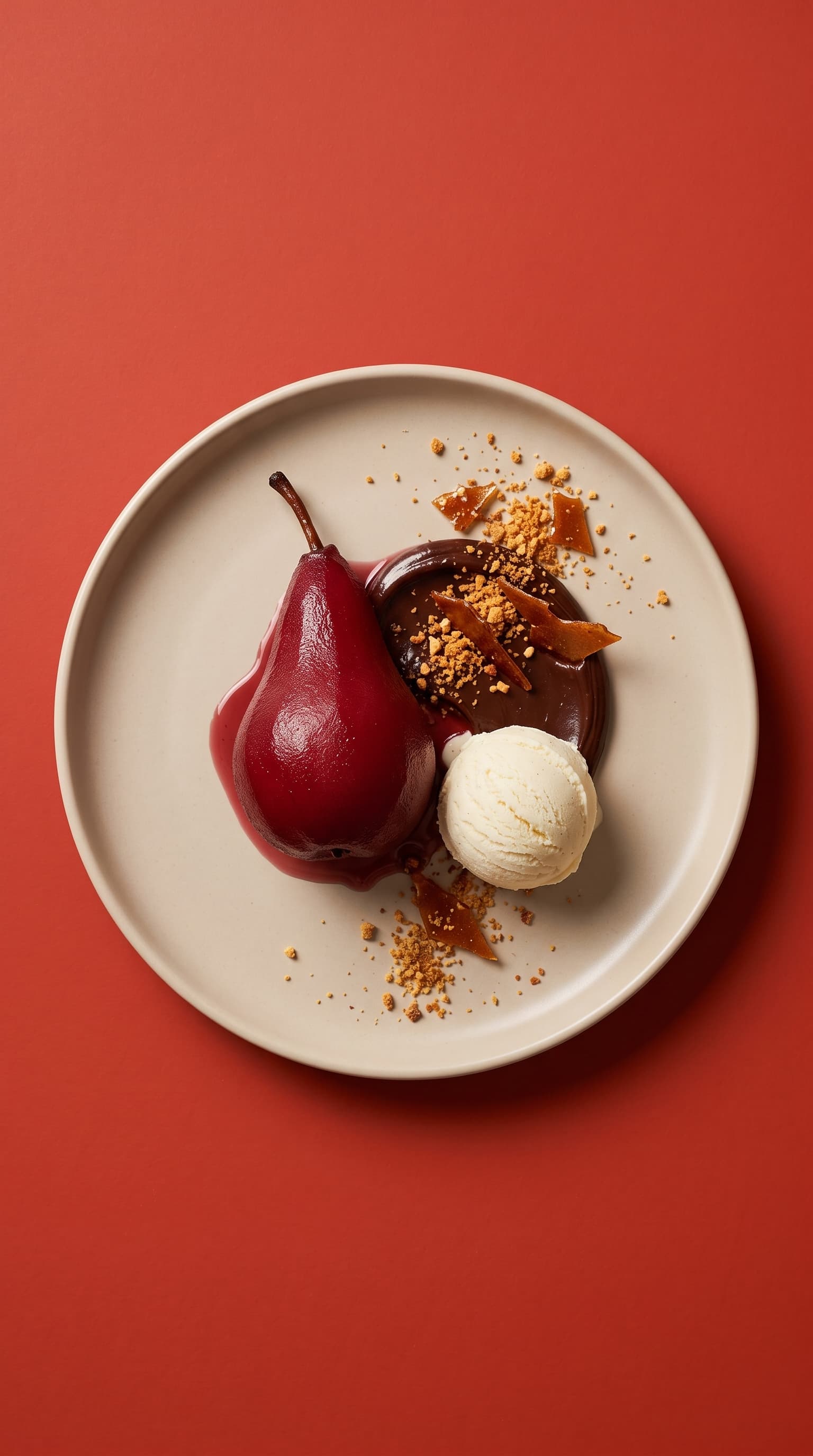
Poires Belle Hélène Recipe with Wine Poached Pears
This poires belle hélène recipe pairs tender red wine poached Conference pears with warm dark chocolate sauce, cold vanilla ice cream, and crisp hazelnut praline. Gentle poaching keeps the pears whole and silky. Plan about 2 hours for cooking and cooling, and serve 4 people right away for the best warm and cold contrast.
150 min · Intermediate · France
Roast Partridge Recipe with Celeriac Mousseline
This roast partridge recipe pairs rosy roasted breast with a crisp confited leg, silky celeriac mousseline, glazed baby carrots, and a glossy juniper-port jus. Dry-brining helps the lean meat stay seasoned and juicy. Allow about 3 hours for cooking and resting, plus overnight dry-brining if you have time. Serves 4.
210 min · Intermediate · France