Mediterranean Roasted Fennel with Goat Cheese and Toasted Pine Nuts
40 min · Medium · Serves 4-6
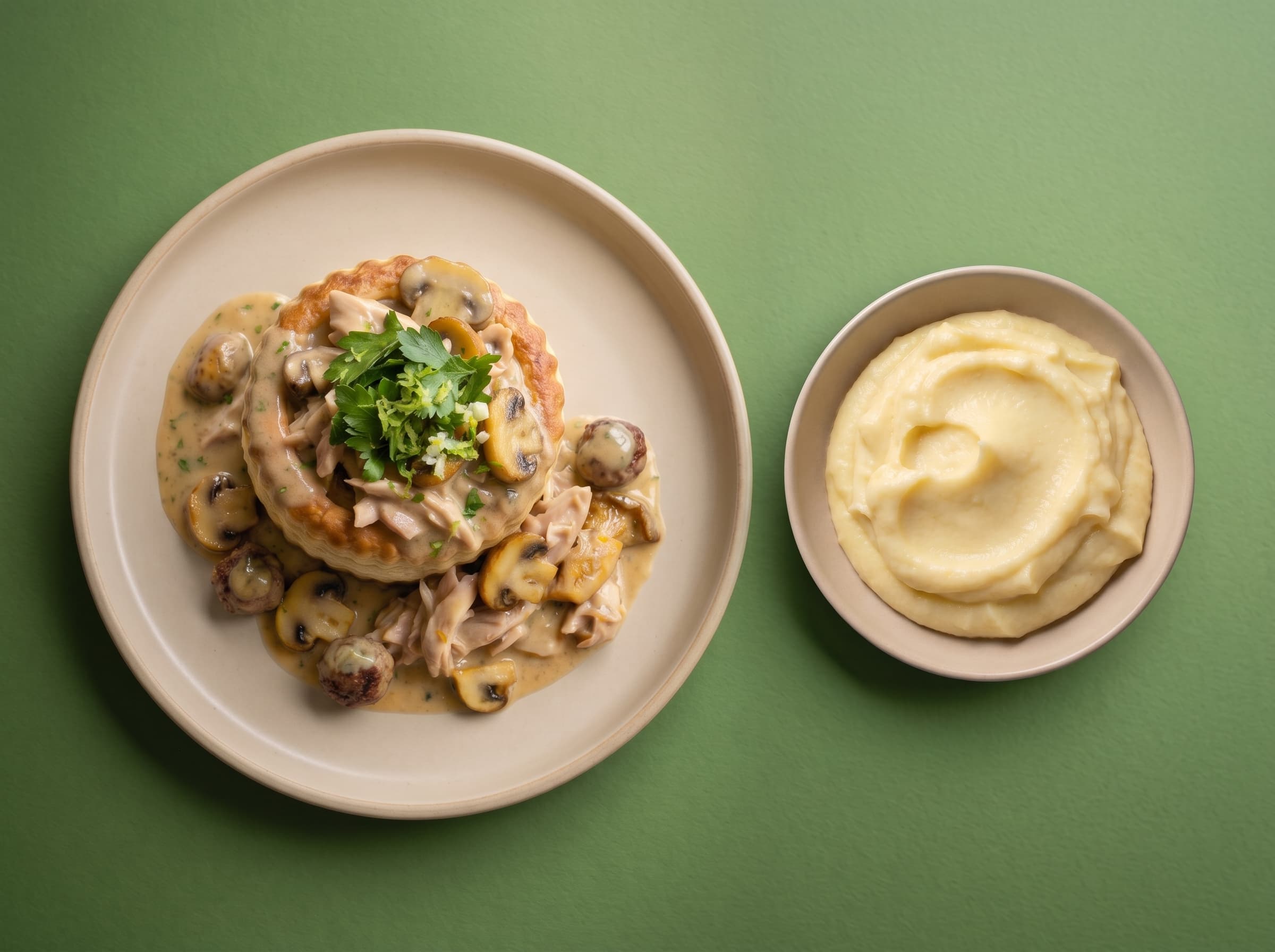 From our menuVol-au-Vent East meets West€19.95 · Made by us, delivered chilled.
This elegant side dish transforms fennel bulbs into a sweet, tender Mediterranean delight in just 40 minutes. Using the French dry-braising technique, you sear the fennel until golden, then roast it until buttery soft. Top with creamy goat cheese, crunchy pine nuts, and bright lemon zest for a dish that serves 4-6 people perfectly alongside roasted meats or grilled fish.
Recipe by Christophe Rammant
Cordon Bleu Paris alumni - Two star Michelin kitchen experience
How Does Searing Before Roasting Create Such Deep Flavor?
Traditional French technique called 'braiser à sec' (dry braising) uses a two-stage cooking process. Starting the fennel in a cold pan lets heat penetrate the dense core while the surface develops an even, deep golden crust that creates rich caramelized flavors.
Food science shows that roasting at 200°C (400°F) breaks down the tough cellulose fibers in fennel, turning the texture from crunchy to buttery. The oven's ambient heat softens the interior while concentrating the natural sugars, making the vegetable taste sweeter and more complex.
Professional chefs know that adding the goat cheese while the fennel is still hot makes it soften and 'weep' into the crevices without melting completely. The bright lemon zest and fresh mint cut through the richness of the olive oil and provide the acidic lift that balances the dish.
Estimated nutrition per serving
Estimated from ingredient weights, not lab-tested.
- Calories
- 438
- Protein
- 9g
- Fat
- 38g
- Carbohydrates
- 20g
The weekly recipe note
Enjoyed this recipe? Get the next one first.
One new recipe each week from Christophe: global flavor, French technique, and practical home-cook timing.
By signing up, you agree to receive emails from Mr. Saucy.
Ingredients
Recipe yields 4-6 servings
For the Roasted Fennel
| Amount | Ingredient | Notes |
|---|---|---|
| 800 g (2-3 bulbs) | Large fennel bulbs | halved lengthwise through the core to keep layers intact |
| 100 g (about 7 tablespoons) | Extra virgin olive oil | divided for searing, roasting, and finishing |
| 20 g (4-5 cloves) | Garlic cloves | smashed but left in their skins |
| 5 g (1 tablespoon) | Dried Herbes de Provence | or a mix of dried thyme and oregano |
| 4 g | Flaky sea salt and cracked black pepper | to taste |
For the Topping
| Amount | Ingredient | Notes |
|---|---|---|
| 80 g (about 1/3 cup) | Soft goat cheese (Chèvre) | crumbled |
| 40 g (1/4 cup) | Pine nuts | toasted until golden |
| 5 g (from one organic lemon) | Lemon zest | freshly grated |
| 5 g (about 2 tablespoons) | Fresh mint leaves | torn just before serving |
Instructions
Prep and Sear the Fennel
- 1
Trim and Halve the Fennel (Keep the Root Intact)
Trim the stalks and save the fronds for garnish. Cut each bulb in half lengthwise through the root. Keeping the root intact is essential—it acts as the 'glue' that holds the layers together during the high-heat searing so they don't fall apart.
- 2
Start in a Cold Pan (The Even Browning Trick)
Place the fennel halves cut-side down in a cold non-stick frying pan with a generous glug of olive oil, then turn the heat to medium-high. Starting in a cold pan allows the heat to penetrate the dense core slowly while the surface develops an even, deep golden crust—this takes about 5-7 minutes.
- 3
Flip and Add Aromatics (Bloom the Herbs)
Once the cut side is beautifully browned and caramelized, flip the fennel. Add the smashed garlic cloves and dried herbs to the pan. Briefly 'blooming' the herbs in the hot oil for 30 seconds releases their fat-soluble aromatic compounds before they enter the oven, which deepens the flavor.
Roast Until Tender
- 4
Roast at High Heat (Create Buttery Texture)
Transfer the fennel to a roasting dish (or keep in the pan if oven-safe). Drizzle with more olive oil and roast at 200°C (400°F) for 20-25 minutes. The oven's ambient heat softens the interior fibers, turning the texture from crunchy to buttery. If the fennel seems dry, add a tablespoon of water to create steam.
Add Toppings and Serve
- 5
Add Cheese While Hot (Let It Soften)
Remove from the oven and immediately sprinkle with the goat cheese crumbles while the fennel is still hot. This allows the cheese to soften and slightly 'weep' into the crevices of the fennel without losing its distinct shape or melting completely.
- 6
Finish with Bright Toppings (Balance the Richness)
Scatter the toasted pine nuts, fresh lemon zest, and torn mint over the top. Drizzle with a final glug of high-quality olive oil. The zest and mint provide a necessary acidic and herbal 'lift' to the concentrated sweetness of the roasted vegetable. Garnish with reserved fennel fronds if desired.
The weekly recipe note
Enjoyed this recipe? Get the next one first.
One new recipe each week from Christophe: global flavor, French technique, and practical home-cook timing.
By signing up, you agree to receive emails from Mr. Saucy.
Tips & Tricks
your fennel layers fall apart during searing:
Don't trim the root end too aggressively. It acts as the 'glue' that holds the fennel wedge together during the high-heat searing process. Leave at least 1/2 inch of the root attached.
the fennel is drying out in the oven:
Add a tablespoon of water or white wine to the roasting dish to create a small amount of steam. This aids in the 'melting' texture and prevents the edges from burning before the center is tender.
you're toasting pine nuts and they burn:
Toast them in a dry pan over medium heat for only 2-3 minutes, watching constantly. Their high oil content causes them to burn very quickly once they reach a certain temperature. Shake the pan frequently.
the dish tastes too rich and heavy:
The lemon zest is essential—it provides oils that cut through the richness and highlight the herbal notes. Don't skip it. You can also add a squeeze of fresh lemon juice right before serving for extra brightness.
you want to use the fennel fronds:
Use the delicate green fennel fronds as a final garnish. They contain a concentrated anise aroma that reinforces the flavor of the bulb and adds a beautiful fresh touch.
your fennel layers fall apart during searing:
Don't trim the root end too aggressively. It acts as the 'glue' that holds the fennel wedge together during the high-heat searing process. Leave at least 1/2 inch of the root attached.
the fennel is drying out in the oven:
Add a tablespoon of water or white wine to the roasting dish to create a small amount of steam. This aids in the 'melting' texture and prevents the edges from burning before the center is tender.
you're toasting pine nuts and they burn:
Toast them in a dry pan over medium heat for only 2-3 minutes, watching constantly. Their high oil content causes them to burn very quickly once they reach a certain temperature. Shake the pan frequently.
the dish tastes too rich and heavy:
The lemon zest is essential—it provides oils that cut through the richness and highlight the herbal notes. Don't skip it. You can also add a squeeze of fresh lemon juice right before serving for extra brightness.
you want to use the fennel fronds:
Use the delicate green fennel fronds as a final garnish. They contain a concentrated anise aroma that reinforces the flavor of the bulb and adds a beautiful fresh touch.
Frequently Asked Questions
Can I make this dish ahead of time?
Partially, yes. You can roast the fennel in advance and store it covered in the fridge. Reheat it in a hot oven (200°C / 400°F) for 5 minutes before adding the cheese and fresh toppings. Adding the goat cheese and mint too early will result in melted cheese and wilted, brown herbs that don't look or taste as good.
Why did my fennel stay tough even after roasting?
Fennel density varies by bulb. If it's still tough, it likely needed more moisture or time. Cover the dish with foil for the first 10 minutes of roasting to trap steam, which helps break down the tough cellulose fibers. Then uncover for the final browning. Older, larger fennel bulbs may need an extra 5-10 minutes.
What can I use if I don't like goat cheese?
Feta is an excellent Mediterranean alternative, providing a saltier, tangier profile. For a milder version, try dollops of fresh ricotta or shavings of Pecorino Romano, though the latter won't provide the same creamy contrast. Each cheese brings a different character to the dish.
Is the lemon zest really necessary?
Yes, absolutely. The lemon zest is the 'bridge' between the heavy olive oil and the sweet fennel. It provides essential oils that cut through the richness and highlight the herbal notes of the Herbes de Provence. Without it, the dish can taste flat and one-dimensional.
Can I use a different nut instead of pine nuts?
Yes. Slivered almonds or chopped walnuts work well and are more budget-friendly. Toast them the same way until golden and fragrant. Pine nuts have a buttery, delicate flavor, but almonds add a nice crunch and walnuts bring an earthy richness.
What if I don't have Herbes de Provence?
Mix equal parts dried thyme, oregano, and a pinch of lavender if you have it. Or use just thyme and oregano—the dish will still be delicious. Fresh herbs work too, but add them after roasting so they don't burn.
How do I know when the fennel is done roasting?
The fennel should be golden brown on the edges and tender when pierced with a fork. The texture should feel buttery and soft, not crunchy. If a knife slides through easily, it's ready.
What pairs well with this dish?
This fennel is perfect alongside roasted chicken, grilled lamb, or pan-seared fish. It also works beautifully as part of a vegetarian mezze spread with hummus, olives, and warm pita bread. The Mediterranean flavors complement almost any protein.
Can I make this dish ahead of time?
Partially, yes. You can roast the fennel in advance and store it covered in the fridge. Reheat it in a hot oven (200°C / 400°F) for 5 minutes before adding the cheese and fresh toppings. Adding the goat cheese and mint too early will result in melted cheese and wilted, brown herbs that don't look or taste as good.
Why did my fennel stay tough even after roasting?
Fennel density varies by bulb. If it's still tough, it likely needed more moisture or time. Cover the dish with foil for the first 10 minutes of roasting to trap steam, which helps break down the tough cellulose fibers. Then uncover for the final browning. Older, larger fennel bulbs may need an extra 5-10 minutes.
What can I use if I don't like goat cheese?
Feta is an excellent Mediterranean alternative, providing a saltier, tangier profile. For a milder version, try dollops of fresh ricotta or shavings of Pecorino Romano, though the latter won't provide the same creamy contrast. Each cheese brings a different character to the dish.
Is the lemon zest really necessary?
Yes, absolutely. The lemon zest is the 'bridge' between the heavy olive oil and the sweet fennel. It provides essential oils that cut through the richness and highlight the herbal notes of the Herbes de Provence. Without it, the dish can taste flat and one-dimensional.
Can I use a different nut instead of pine nuts?
Yes. Slivered almonds or chopped walnuts work well and are more budget-friendly. Toast them the same way until golden and fragrant. Pine nuts have a buttery, delicate flavor, but almonds add a nice crunch and walnuts bring an earthy richness.
What if I don't have Herbes de Provence?
Mix equal parts dried thyme, oregano, and a pinch of lavender if you have it. Or use just thyme and oregano—the dish will still be delicious. Fresh herbs work too, but add them after roasting so they don't burn.
How do I know when the fennel is done roasting?
The fennel should be golden brown on the edges and tender when pierced with a fork. The texture should feel buttery and soft, not crunchy. If a knife slides through easily, it's ready.
What pairs well with this dish?
This fennel is perfect alongside roasted chicken, grilled lamb, or pan-seared fish. It also works beautifully as part of a vegetarian mezze spread with hummus, olives, and warm pita bread. The Mediterranean flavors complement almost any protein.
Recipe Reviews
No reviews yet — Be the first to review this recipe!
The collection
All recipes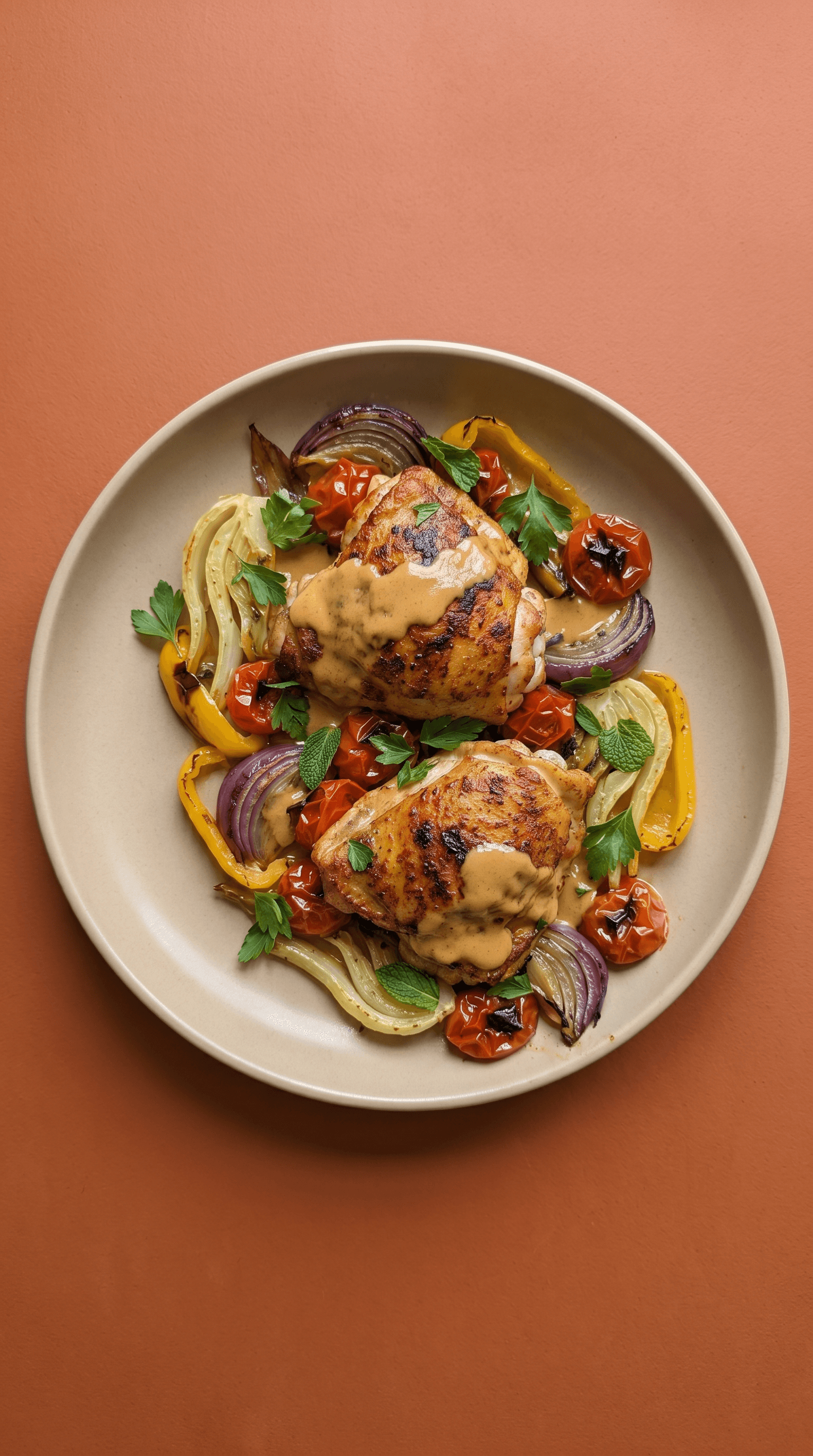
Big Green Egg Chicken Thighs with Harissa Veloute and Roasted Summer Vegetables
This is a smoky, one-pan roast where juicy chicken thighs cook over live fire, then their golden drippings become the base for roasting sweet summer vegetables. A classic French veloute sauce—sharpened with harissa and bright preserved lemon—ties it all together. Ready in about 1 hour 45 minutes and serves 4.
90 min · Intermediate · Mediterranean
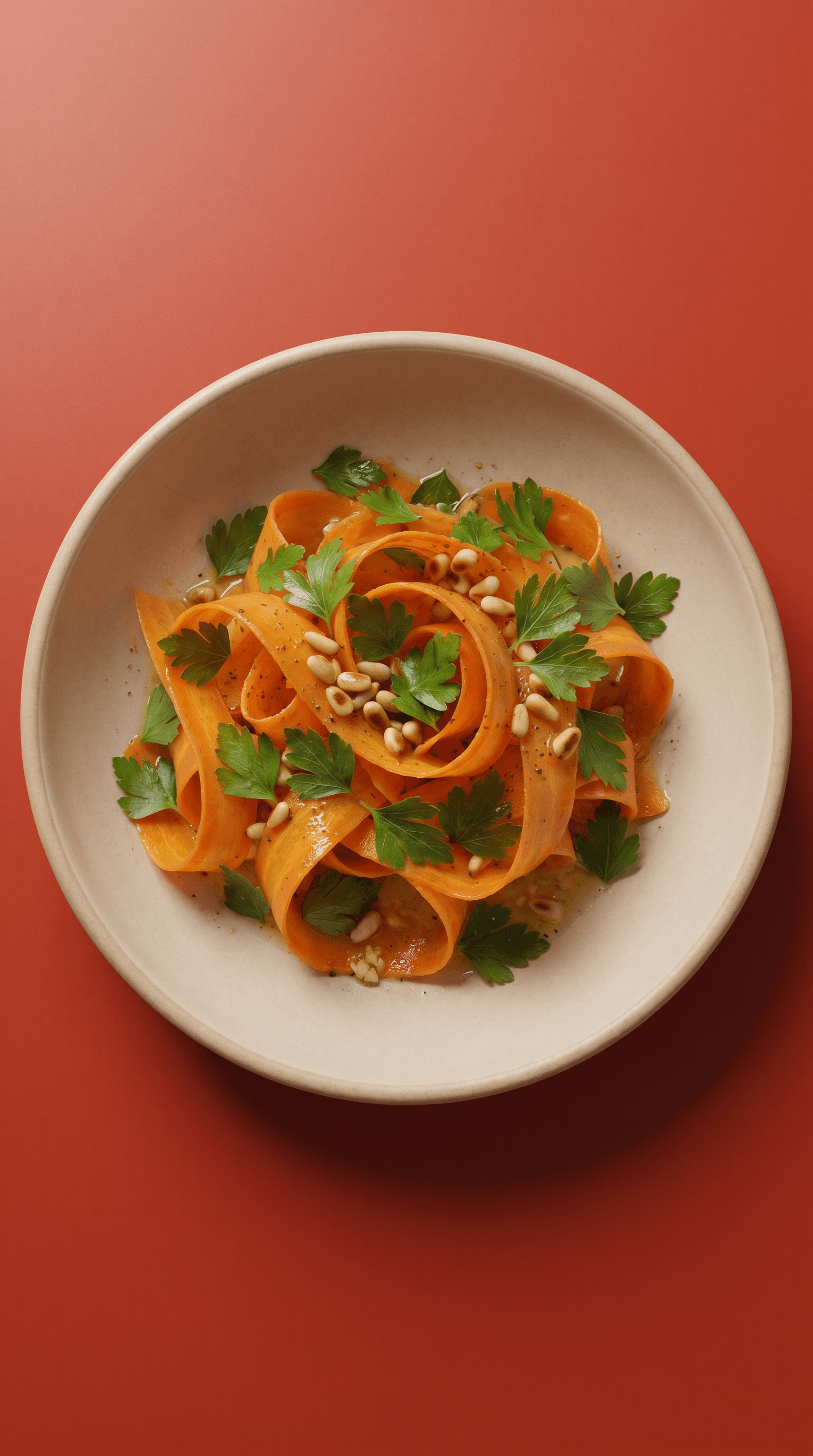
Algerian-Inspired Citrus Carrot Ribbon Salad with Cumin and Toasted Pine Nuts
This elegant North African salad transforms humble carrots into delicate, translucent ribbons using a mandoline and an ice-water bath for maximum crispness. A bright citrus-cumin dressing with toasted pine nuts brings Algerian warmth to the dish. Ready in 25 minutes, it serves 4 as a vibrant side that looks restaurant-fancy but comes together easily at home.
25 min · Easy · Mediterranean
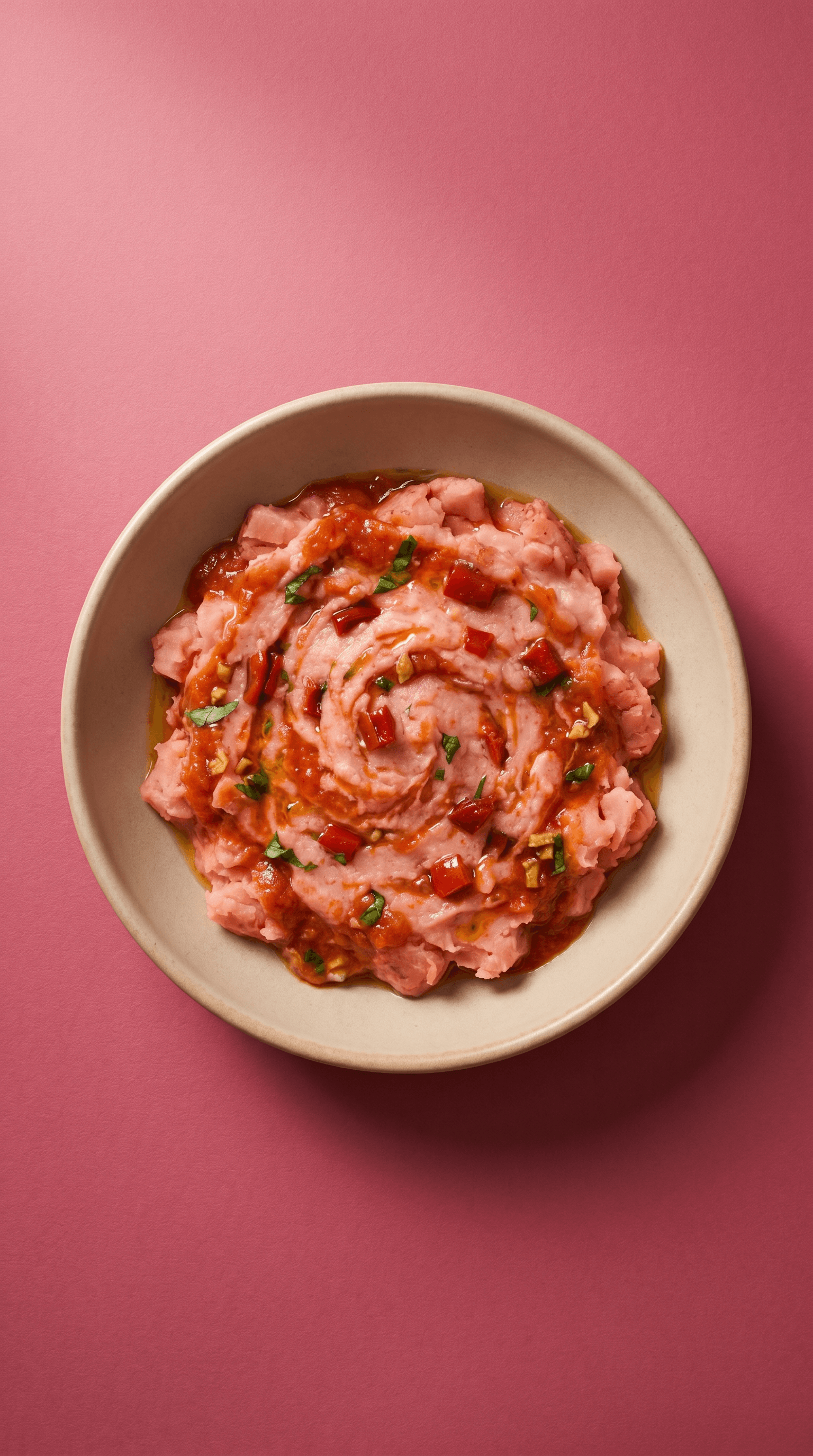
Mediterranean Roasted Pepper and Tomato Crushed Potatoes
These crushed potatoes combine French technique with Mediterranean flavors. You boil starchy potatoes, dry them out to absorb maximum flavor, then fold in a fresh tomato-basil sauce and smoky roasted peppers. The whole dish takes 45 minutes and serves 4 as a vibrant, chunky side that's creamy inside with pockets of sweet roasted vegetables.
45 min · Intermediate · Mediterranean