Classic French Madeleines
2 hrs 30 min · Medium · Serves 30-40 madeleines
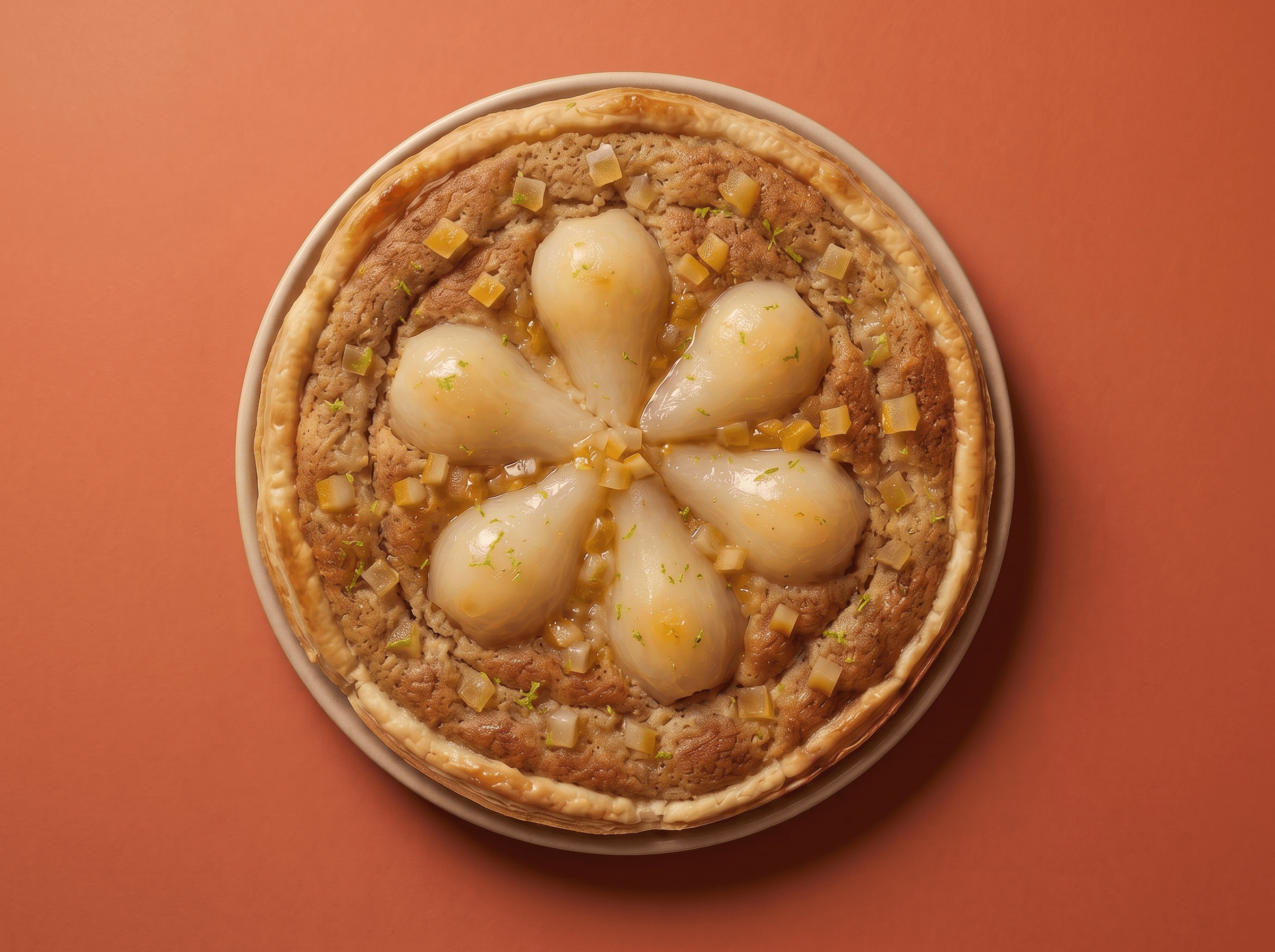 From our menuPear Tart€22.95 · Made by us, delivered chilled.
These delicate French madeleines have a golden "scallop shell" shape and a signature hump on top. The secret is a cold rest in the fridge (at least 2 hours, ideally overnight) followed by a two-stage baking method. Makes 30-40 madeleines in about 2.5 hours, though most of that time is hands-off chilling.
Recipe by Christophe Rammant
Cordon Bleu Paris alumni - Two star Michelin kitchen experience
How Does the Cold Rest Create That Famous Hump?
Traditional French technique relies on thermal shock—the dramatic temperature difference between ice-cold batter and a screaming-hot oven. When cold batter hits 220°C / 428°F heat, the center steams and puffs upward before the edges set, creating that iconic dome.
Professional pâtissiers know that gentle mixing prevents air bubbles that would make the cakes collapse. Unlike sponge cakes that need whipped eggs, madeleines get their rise from baking powder and steam alone. This creates a tight, velvety crumb instead of a fluffy one.
Food science shows that resting the batter for 12-24 hours lets the flour fully absorb the liquid and the gluten relax. This means a more tender cake with deeper flavor, plus a more reliable rise when you finally bake them.
Estimated nutrition per serving
Estimated from ingredient weights, not lab-tested.
- Calories
- 123
- Protein
- 2g
- Fat
- 7g
- Carbohydrates
- 13g
The weekly recipe note
Enjoyed this recipe? Get the next one first.
One new recipe each week from Christophe: global flavor, French technique, and practical home-cook timing.
By signing up, you agree to receive emails from Mr. Saucy.
Ingredients
Recipe yields 30-40 madeleines servings
Dry Ingredients
| Amount | Ingredient | Notes |
|---|---|---|
| 200 g (1⅔ cups) | all-purpose flour (T55) | sifted |
| 9.5 g (2 tsp) | baking powder | — |
| 3 g (½ tsp) | sea salt | — |
Wet Ingredients
| Amount | Ingredient | Notes |
|---|---|---|
| 238 g (4-5 large eggs) | whole eggs | at room temperature |
| 222 g (1 cup plus 2 Tbsp) | vanilla sugar | — |
| 25 g (1 Tbsp) | honey | — |
| 79 g (⅓ cup) | whole milk | — |
| 8 g (2 tsp) | grapeseed oil | — |
| 214 g (15 Tbsp) | unsalted butter | melted and cooled to 40-45°C / 104-113°F |
Aromatics
| Amount | Ingredient | Notes |
|---|---|---|
| 3 g (from 1 lemon) | lemon zest | finely grated |
Instructions
Prep the Base
- 1
Melt the Butter Gently
Melt the butter over low heat until it reaches 40-45°C / 104-113°F—just warm enough to be liquid but not hot enough to brown. Browning changes the flavor from fresh and creamy to nutty, which isn't what we want here. Set aside to cool slightly while you prep the other ingredients.
- 2
Sift the Dry Ingredients
Sift the flour, baking powder, and salt together into a bowl. This removes any lumps and helps the baking powder distribute evenly, which means your madeleines will rise uniformly instead of having some flat spots and some tall spots.
- 3
Infuse the Sugar with Lemon
Rub the lemon zest into the vanilla sugar with your fingertips for about 30 seconds. The friction releases the essential oils from the zest and deeply infuses the sugar with bright citrus aroma. You'll smell the difference immediately.
Mix the Batter
- 4
Combine Eggs, Sugar, and Honey
Gently whisk the eggs, infused vanilla sugar, and honey together until just combined. Don't whisk vigorously—you want to avoid incorporating air bubbles, which would create large irregular pockets that make the madeleines collapse or have an uneven texture.
- 5
Add Milk and Oil
Whisk the milk and grapeseed oil into the egg mixture until smooth. The oil helps keep the madeleines moist for several days longer than butter alone would, giving you a more tender crumb that doesn't dry out.
- 6
Fold in the Dry Ingredients
Add all the sifted dry ingredients at once and mix with a spatula until just smooth—no streaks of flour, but don't keep stirring once it's combined. Over-mixing develops gluten, which makes the cakes tough and chewy instead of delicate and tender.
- 7
Stream in the Butter
Slowly pour the warm melted butter into the batter while stirring gently with your other hand. This creates a stable emulsion where the fat is perfectly suspended in the batter, which gives you that glossy, professional finish and rich flavor in every bite.
The Cold Rest
- 8
Chill the Batter
Press plastic wrap directly onto the surface of the batter to prevent a skin from forming. Refrigerate for at least 2 hours, but ideally 12-24 hours. This cold rest is the secret to the famous hump—the temperature shock between ice-cold batter and a screaming-hot oven creates steam that pushes the center upward before the edges set.
Bake
- 9
Prep the Molds and Oven
Preheat your oven to 220°C / 428°F (static heat, not convection). Brush your madeleine molds thoroughly with softened butter, getting into every groove of the shell shape. Fill each mold 3/4 full to leave room for the rise—overfilling means they'll spill over the edges.
- 10
Two-Stage Baking
Bake at 220°C / 428°F for 3-4 minutes to kickstart the rise with an immediate steam burst. Then drop the temperature to 170°C / 338°F and bake for another 8-10 minutes until golden. The high heat creates the hump; the lower heat cooks the center through without burning the delicate edges.
- 11
Unmold Immediately
Turn the madeleines out onto a wire rack as soon as they come out of the oven. This prevents steam from building up between the cake and the mold, which would make the crispy exterior turn soggy. Let them cool completely before serving or storing.
The weekly recipe note
Enjoyed this recipe? Get the next one first.
One new recipe each week from Christophe: global flavor, French technique, and practical home-cook timing.
By signing up, you agree to receive emails from Mr. Saucy.
Tips & Tricks
your madeleines come out flat with no hump:
Never skip the cold rest. The batter must be ice-cold when it hits the hot oven—that thermal shock is what creates the steam burst that forms the signature dome. Room-temperature batter won't give you the same rise.
the butter separates and pools at the bottom:
Check your butter temperature with a thermometer. It needs to be between 40-45°C / 104-113°F when you add it. Too cold and it won't emulsify; too hot and it can cook the eggs, which breaks the emulsion.
the madeleines stick to the molds:
Even with non-stick pans, use softened butter and a light dusting of flour. Use a pastry brush to get butter into every single groove of the shell shape—any bare spots will stick.
the edges burn before the center is done:
Use a metal madeleine pan instead of silicone. Metal conducts heat more evenly and efficiently, which gives you better caramelization and a more pronounced hump without burning. Also make sure you're dropping the temperature after the first 3-4 minutes.
your madeleines come out flat with no hump:
Never skip the cold rest. The batter must be ice-cold when it hits the hot oven—that thermal shock is what creates the steam burst that forms the signature dome. Room-temperature batter won't give you the same rise.
the butter separates and pools at the bottom:
Check your butter temperature with a thermometer. It needs to be between 40-45°C / 104-113°F when you add it. Too cold and it won't emulsify; too hot and it can cook the eggs, which breaks the emulsion.
the madeleines stick to the molds:
Even with non-stick pans, use softened butter and a light dusting of flour. Use a pastry brush to get butter into every single groove of the shell shape—any bare spots will stick.
the edges burn before the center is done:
Use a metal madeleine pan instead of silicone. Metal conducts heat more evenly and efficiently, which gives you better caramelization and a more pronounced hump without burning. Also make sure you're dropping the temperature after the first 3-4 minutes.
Frequently Asked Questions
Why shouldn't I whisk the eggs until they're fluffy?
Unlike sponge cakes, madeleines rely on baking powder and steam for their rise, not whipped eggs. Incorporating too much air through whisking creates large irregular bubbles that ruin the tight, velvety crumb and can cause the cake to deflate after baking. Gentle stirring is key.
Can I make the batter ahead of time?
Yes! Resting the batter for 12-24 hours is actually encouraged. The longer rest allows the flour to fully hydrate and the gluten to relax, which results in a much deeper flavor profile and a more reliable rise when you finally bake them.
What if I don't have T55 flour?
T55 is standard French pastry flour. You can substitute high-quality all-purpose flour with good results. Avoid cake flour (too low in protein to support the high butter content) or bread flour (will make the madeleines chewy instead of tender).
Why do I need to lower the oven temperature halfway through?
The initial blast of high heat at 220°C / 428°F creates an immediate steam burst that pushes the center of the batter upward. Lowering it to 170°C / 338°F allows the interior to bake through gently without the delicate scalloped edges burning or getting too dark.
How do I store leftover madeleines?
Store them in an airtight container at room temperature for up to 3 days. The grapeseed oil keeps them moist longer than butter-only recipes. You can also freeze them for up to 2 months—thaw at room temperature and warm briefly in a 150°C / 300°F oven to refresh.
Can I use silicone molds instead of metal?
You can, but metal pans give better results. Metal conducts heat more efficiently, which leads to better caramelization, a crispier shell, and a more pronounced hump. Silicone tends to produce softer, paler madeleines with less definition.
What's the purpose of the grapeseed oil?
The oil helps keep the madeleines moist for several days longer than butter alone would. It also contributes to the tender crumb without adding any flavor that would compete with the delicate vanilla, lemon, and honey notes.
Do I really need vanilla sugar or can I use regular sugar?
You can use regular granulated sugar plus 1 teaspoon of vanilla extract added with the wet ingredients. But vanilla sugar gives a more subtle, sophisticated flavor that's distributed throughout the batter instead of concentrated in liquid form.
Why shouldn't I whisk the eggs until they're fluffy?
Unlike sponge cakes, madeleines rely on baking powder and steam for their rise, not whipped eggs. Incorporating too much air through whisking creates large irregular bubbles that ruin the tight, velvety crumb and can cause the cake to deflate after baking. Gentle stirring is key.
Can I make the batter ahead of time?
Yes! Resting the batter for 12-24 hours is actually encouraged. The longer rest allows the flour to fully hydrate and the gluten to relax, which results in a much deeper flavor profile and a more reliable rise when you finally bake them.
What if I don't have T55 flour?
T55 is standard French pastry flour. You can substitute high-quality all-purpose flour with good results. Avoid cake flour (too low in protein to support the high butter content) or bread flour (will make the madeleines chewy instead of tender).
Why do I need to lower the oven temperature halfway through?
The initial blast of high heat at 220°C / 428°F creates an immediate steam burst that pushes the center of the batter upward. Lowering it to 170°C / 338°F allows the interior to bake through gently without the delicate scalloped edges burning or getting too dark.
How do I store leftover madeleines?
Store them in an airtight container at room temperature for up to 3 days. The grapeseed oil keeps them moist longer than butter-only recipes. You can also freeze them for up to 2 months—thaw at room temperature and warm briefly in a 150°C / 300°F oven to refresh.
Can I use silicone molds instead of metal?
You can, but metal pans give better results. Metal conducts heat more efficiently, which leads to better caramelization, a crispier shell, and a more pronounced hump. Silicone tends to produce softer, paler madeleines with less definition.
What's the purpose of the grapeseed oil?
The oil helps keep the madeleines moist for several days longer than butter alone would. It also contributes to the tender crumb without adding any flavor that would compete with the delicate vanilla, lemon, and honey notes.
Do I really need vanilla sugar or can I use regular sugar?
You can use regular granulated sugar plus 1 teaspoon of vanilla extract added with the wet ingredients. But vanilla sugar gives a more subtle, sophisticated flavor that's distributed throughout the batter instead of concentrated in liquid form.
Recipe Reviews
No reviews yet — Be the first to review this recipe!
The collection
All recipesPheasant with Grapes, Verjus Jus and Celery Root
This pheasant with grapes recipe pairs juicy roast pheasant with glossy Muscat grapes, sweet caramelised shallots, and bright verjus jus. Gentle pan-roasting keeps the skin crisp, while celery root purée adds silky depth. Plan on about 2 hours for 4 servings, with several parts ready ahead for an easy dinner party.
120 min · Intermediate · France
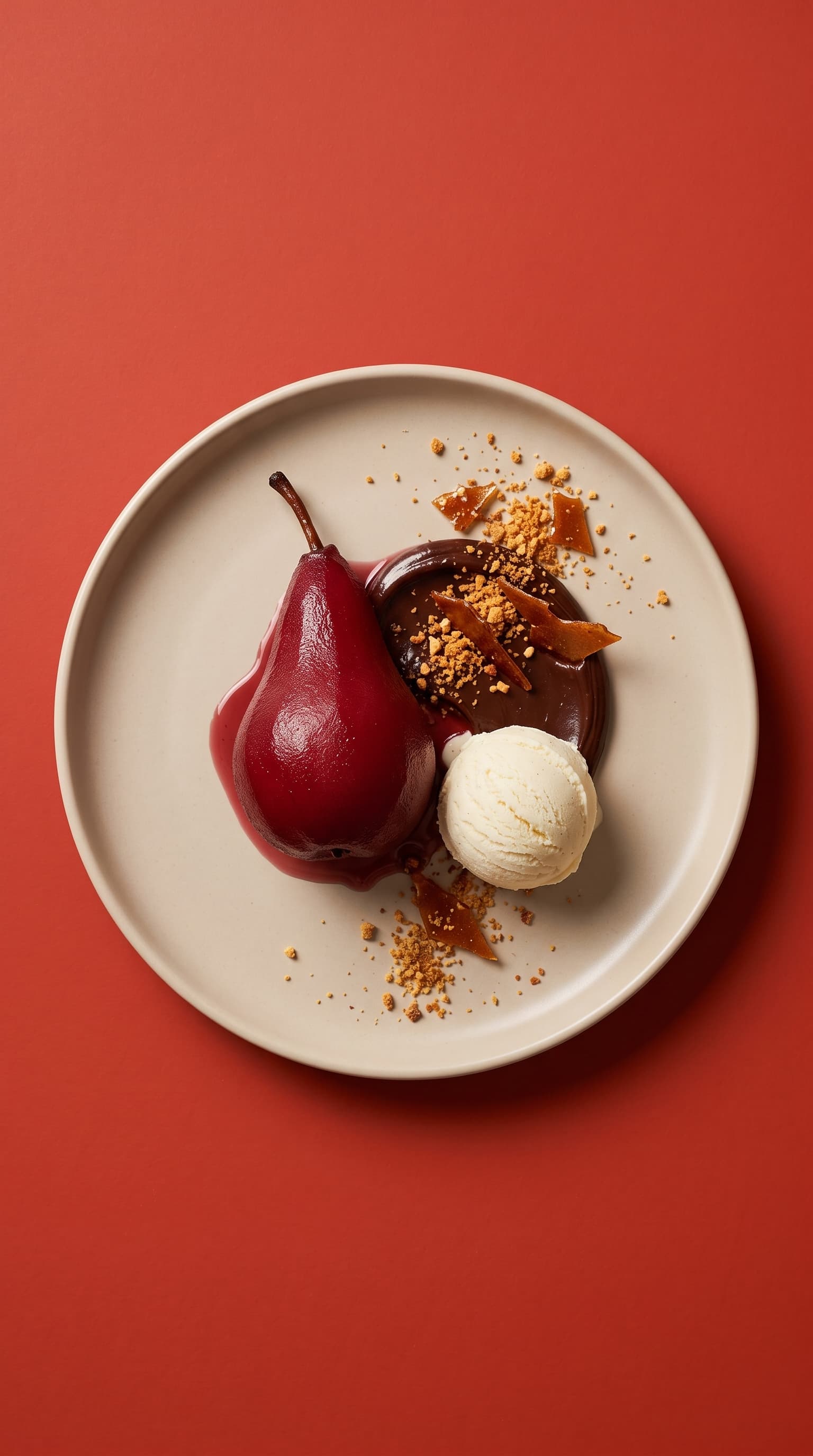
Poires Belle Hélène Recipe with Wine Poached Pears
This poires belle hélène recipe pairs tender red wine poached Conference pears with warm dark chocolate sauce, cold vanilla ice cream, and crisp hazelnut praline. Gentle poaching keeps the pears whole and silky. Plan about 2 hours for cooking and cooling, and serve 4 people right away for the best warm and cold contrast.
150 min · Intermediate · France
Roast Partridge Recipe with Celeriac Mousseline
This roast partridge recipe pairs rosy roasted breast with a crisp confited leg, silky celeriac mousseline, glazed baby carrots, and a glossy juniper-port jus. Dry-brining helps the lean meat stay seasoned and juicy. Allow about 3 hours for cooking and resting, plus overnight dry-brining if you have time. Serves 4.
210 min · Intermediate · France