Grandmother's Heritage Roasted Salmon with Mustard-Tomato Cream Sauce
35 min · Medium · Serves 4
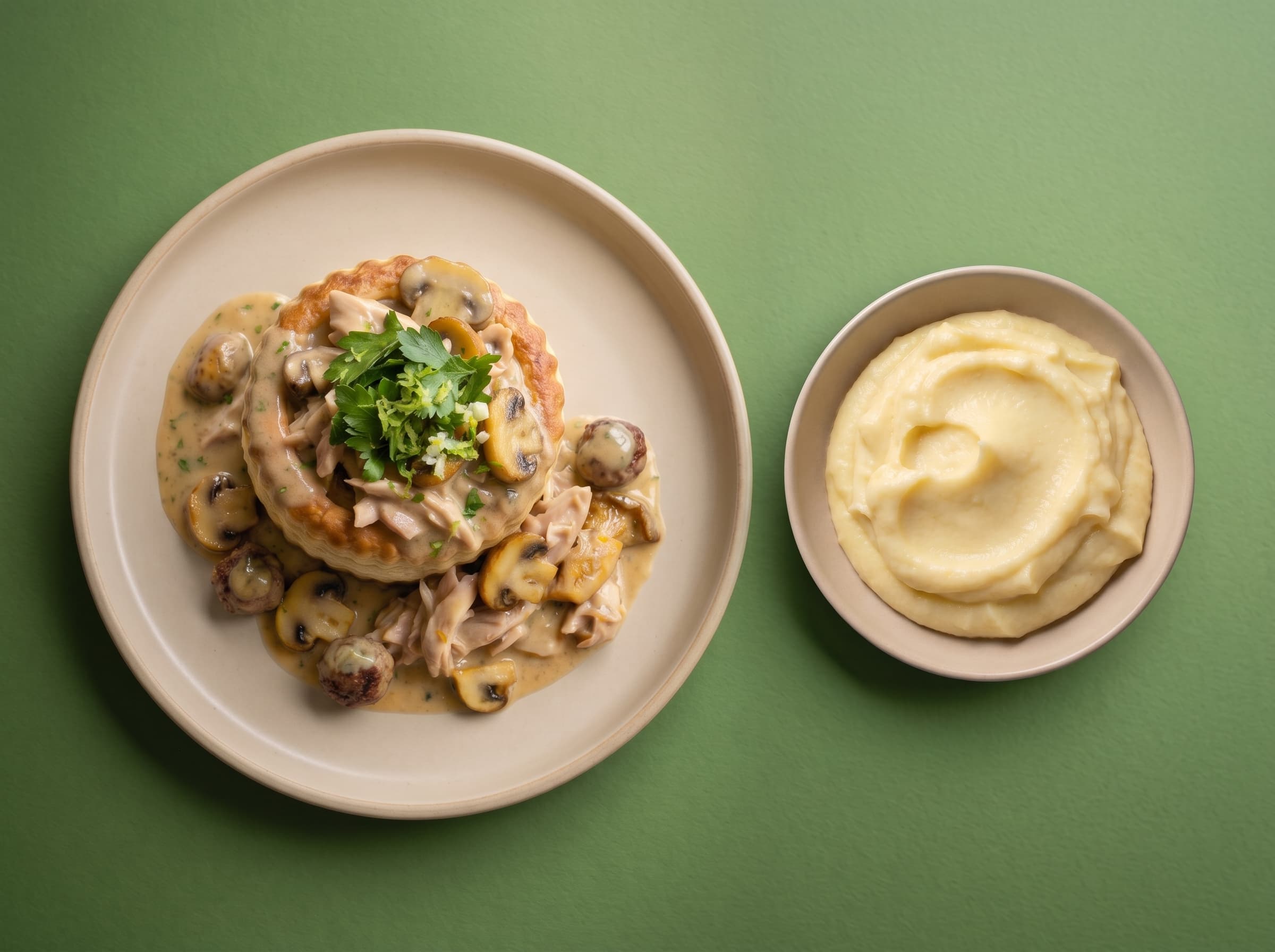 From our menuVol-au-Vent East meets West€19.95 · Made by us, delivered chilled.
This cozy family favorite features tender salmon roasted to perfection and topped with a velvety mustard-cream sauce. By using the pan juices and fresh tomatoes, you create a rich yet bright meal in just 35 minutes. It serves 4 people and brings a touch of French elegance to your kitchen table.
Recipe by Clara De Baere-Verburgh
Traditional Home Cook & Butcher Shop Owner
What Makes This Sauce So Rich and Flavorful?
Professional chefs know that the brown bits left in the pan after cooking meat, called 'fond,' are flavor gold. By adding wine to the hot pan, you loosen these tasty morsels and stir them right into your cream sauce.
Food science shows that the acidity in Dijon mustard and fresh tomatoes acts as a balance. These bright flavors cut through the heavy cream and oily salmon, making every bite feel light rather than weighed down.
Traditional French technique uses 'mounting with butter' at the very end. Whisking in cold butter off the heat creates a glossy, smooth finish that coats your spoon and stays stable on the plate.
Estimated nutrition per serving
Estimated from ingredient weights, not lab-tested.
- Calories
- 717
- Protein
- 43g
- Fat
- 55g
- Carbohydrates
- 7g
The weekly recipe note
Enjoyed this recipe? Get the next one first.
One new recipe each week from Christophe: global flavor, French technique, and practical home-cook timing.
By signing up, you agree to receive emails from Mr. Saucy.
Ingredients
Recipe yields 4 servings
For the Salmon
| Amount | Ingredient | Notes |
|---|---|---|
| 800 g (1.75 lbs) | Salmon fillet (center-cut, skin-on) | at room temperature for even cooking |
| 5 g (1 tsp) | Sea salt and white pepper | to taste |
For the Mustard-Tomato Cream Sauce
| Amount | Ingredient | Notes |
|---|---|---|
| 240 g (1 cup) | Heavy cream (35% fat) | at room temperature to prevent curdling |
| 150 g (1 cup) | Roma tomatoes | diced small with seeds removed |
| 60 g (1/4 cup) | Dry white wine | such as Sauvignon Blanc |
| 45 g (3 tbsp) | Dijon mustard | for sharp flavor |
| 40 g (1 small) | Shallots | finely minced |
| 30 g (2 tbsp) | Unsalted butter | cold and cubed |
| 15 g (1 tbsp) | Whole grain mustard | for texture |
| 10 g (2 tbsp) | Fresh dill or chives | finely chopped |
Instructions
Roast the Salmon
- 1
Season and Rest
Pat the salmon dry and season with salt. Let it sit for 15 minutes so the salt can soak in, which helps the meat firm up and stay juicy.
- 2
Sear and Bake
Place salmon skin-side down in a hot oven-proof pan for 3 minutes. Move the pan to a 400°F / 200°C oven for 6-8 minutes until the center is just translucent and the internal temperature reaches about 145°F / 63°C.
- 3
Rest the Fish
Move the salmon to a warm plate. Resting lets the juices settle inside so they don't run out when you eat.
Build the Sauce
- 4
Sauté and Deglaze
In the same pan, cook shallots and tomatoes in the leftover fish fat until soft. Pour in the wine and scrape the bottom of the pan to pick up the deep browning that creates flavor.
- 5
Simmer the Cream
Boil the wine until half is gone, then whisk in the cream and both mustards. Simmer gently until the sauce is thick enough to coat a spoon (around 180°F / 82°C).
- 6
The Glossy Finish
Take the pan off the heat and whisk in the cold butter cubes. This makes the sauce shiny and smooth. Stir in your fresh herbs and pour over the salmon.
The weekly recipe note
Enjoyed this recipe? Get the next one first.
One new recipe each week from Christophe: global flavor, French technique, and practical home-cook timing.
By signing up, you agree to receive emails from Mr. Saucy.
Tips & Tricks
If your sauce looks watery:
Make sure to remove all the watery seeds from the tomatoes before dicing. If it's still thin, simmer it for 2 more minutes to let the water evaporate.
If the mustard taste is too sharp:
Add a tiny pinch of sugar. The sweetness balances the vinegar in the mustard and the acidity of the tomatoes.
If you want a perfectly white sauce:
Use white pepper instead of black pepper. It provides the same heat without leaving little black specks in the beautiful cream.
If your cream curdles or separates:
Ensure your cream is at room temperature before adding it to the hot pan. The smaller temperature jump keeps the sauce smooth.
If your sauce looks watery:
Make sure to remove all the watery seeds from the tomatoes before dicing. If it's still thin, simmer it for 2 more minutes to let the water evaporate.
If the mustard taste is too sharp:
Add a tiny pinch of sugar. The sweetness balances the vinegar in the mustard and the acidity of the tomatoes.
If you want a perfectly white sauce:
Use white pepper instead of black pepper. It provides the same heat without leaving little black specks in the beautiful cream.
If your cream curdles or separates:
Ensure your cream is at room temperature before adding it to the hot pan. The smaller temperature jump keeps the sauce smooth.
Frequently Asked Questions
Why did my grandmother add tomatoes to a mustard sauce?
The tomatoes act as a bright balance. Their natural acidity cuts through the heavy fats of the salmon and cream, while their sweetness rounds out the sharp mustard heat.
Can I use salmon fillets with the skin removed?
Yes, but skin-on is better. The skin acts as a shield, protecting the delicate fish from the high heat of the oven so it stays moist and tender.
My sauce looks thin, how do I fix it?
Keep simmering the sauce on low heat. As the water evaporates, the proteins in the cream will naturally thicken the liquid into a rich gravy.
What is the best way to dice the tomatoes for this sauce?
Use the 'concassé' method: quarter the tomato, scoop out the seeds, and dice only the firm flesh into tiny cubes. This keeps your sauce from getting messy or watery.
Why did my grandmother add tomatoes to a mustard sauce?
The tomatoes act as a bright balance. Their natural acidity cuts through the heavy fats of the salmon and cream, while their sweetness rounds out the sharp mustard heat.
Can I use salmon fillets with the skin removed?
Yes, but skin-on is better. The skin acts as a shield, protecting the delicate fish from the high heat of the oven so it stays moist and tender.
My sauce looks thin, how do I fix it?
Keep simmering the sauce on low heat. As the water evaporates, the proteins in the cream will naturally thicken the liquid into a rich gravy.
What is the best way to dice the tomatoes for this sauce?
Use the 'concassé' method: quarter the tomato, scoop out the seeds, and dice only the firm flesh into tiny cubes. This keeps your sauce from getting messy or watery.
Recipe Reviews
No reviews yet — Be the first to review this recipe!
The collection
All recipesVenison Fillet Recipe with Blackberry Juniper Jus
This venison fillet recipe gives you tender, rosy meat with a quick sear and gentle roasting. Serve it with silky celeriac mousseline, honey-glazed carrots, blackberry-juniper jus, and crisp hazelnuts. Plan about 3 hours for cooking and resting, plus advance chilling if you dry-season the venison overnight. It serves 4.
180 min · Intermediate · Belgium
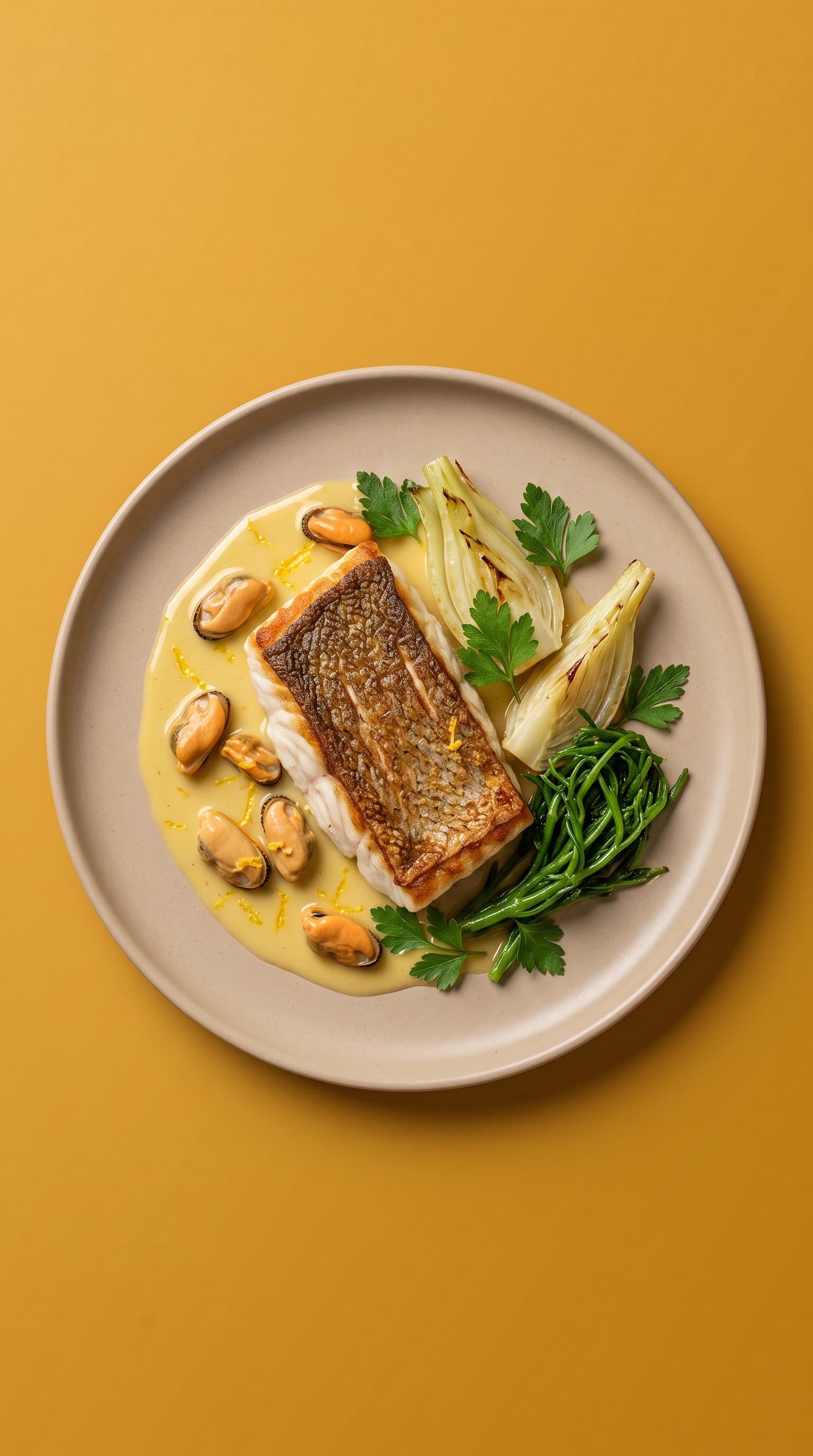
John Dory Recipe with Saffron Mussel Sauce
This John Dory recipe pairs crisp, golden skin with sweet confit fennel, tender sea aster, and a silky saffron mussel sauce. Steam the mussels first, reduce their liquor, and finish the sauce with cold butter. The dish takes about 1 hour 45 minutes and serves 4 for a special dinner.
105 min · Intermediate · Belgium
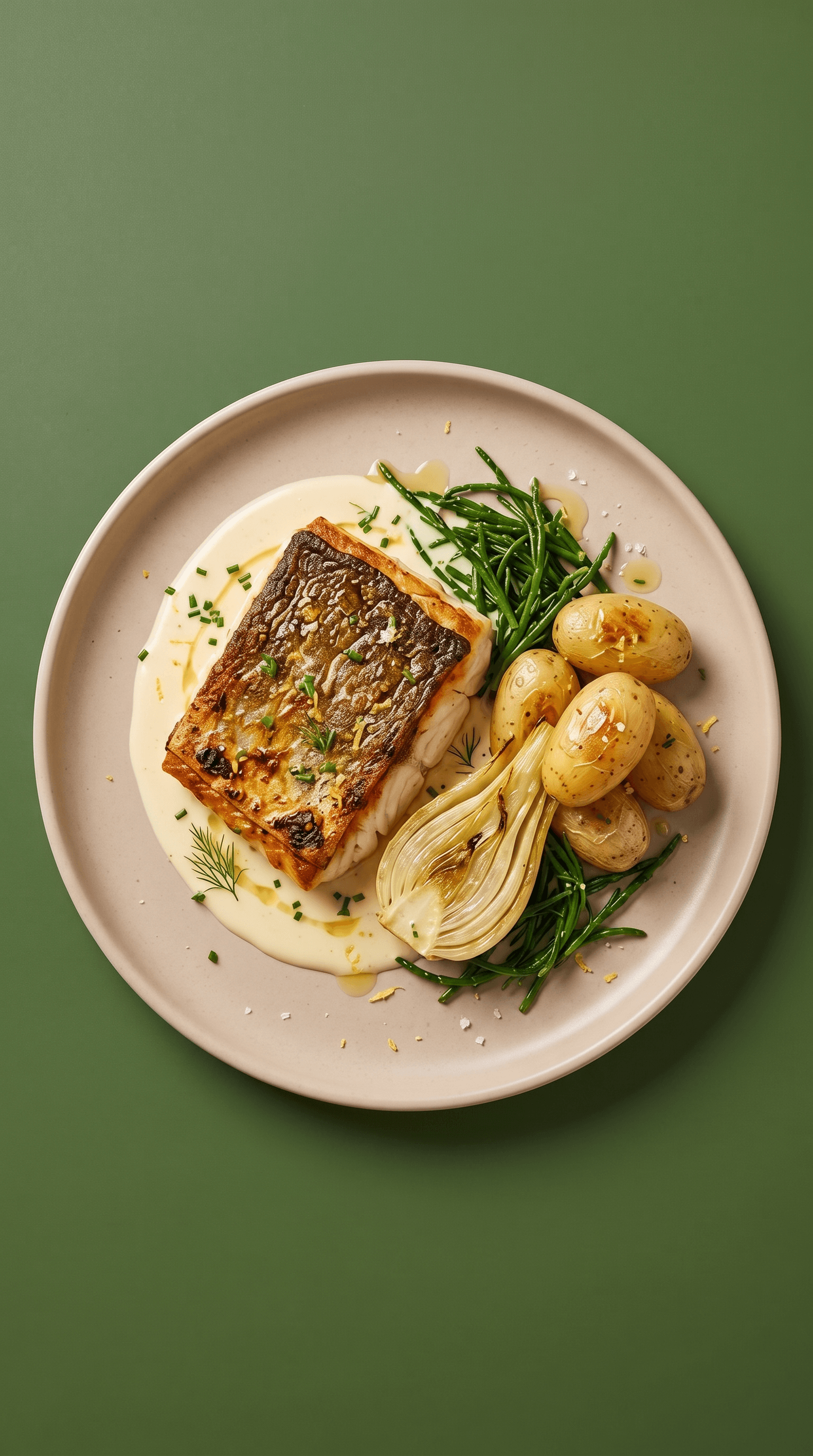
Roasted Turbot Recipe with Vermouth Beurre Blanc and Fennel
This roasted turbot recipe pairs a crisp-skinned, oven-finished fillet with a silky vermouth beurre blanc, buttery braised fennel, and confit-style baby potatoes. The trick is a hard sear for color, then a gentle 180°C / 356°F oven finish so the delicate flesh stays moist. It takes about 90 minutes total and serves 4.
90 min · Intermediate · Belgium