Grandma's Rustic Rhubarb & Strawberry Jam
5 hrs · Medium · Serves 10-12 half-pint jars
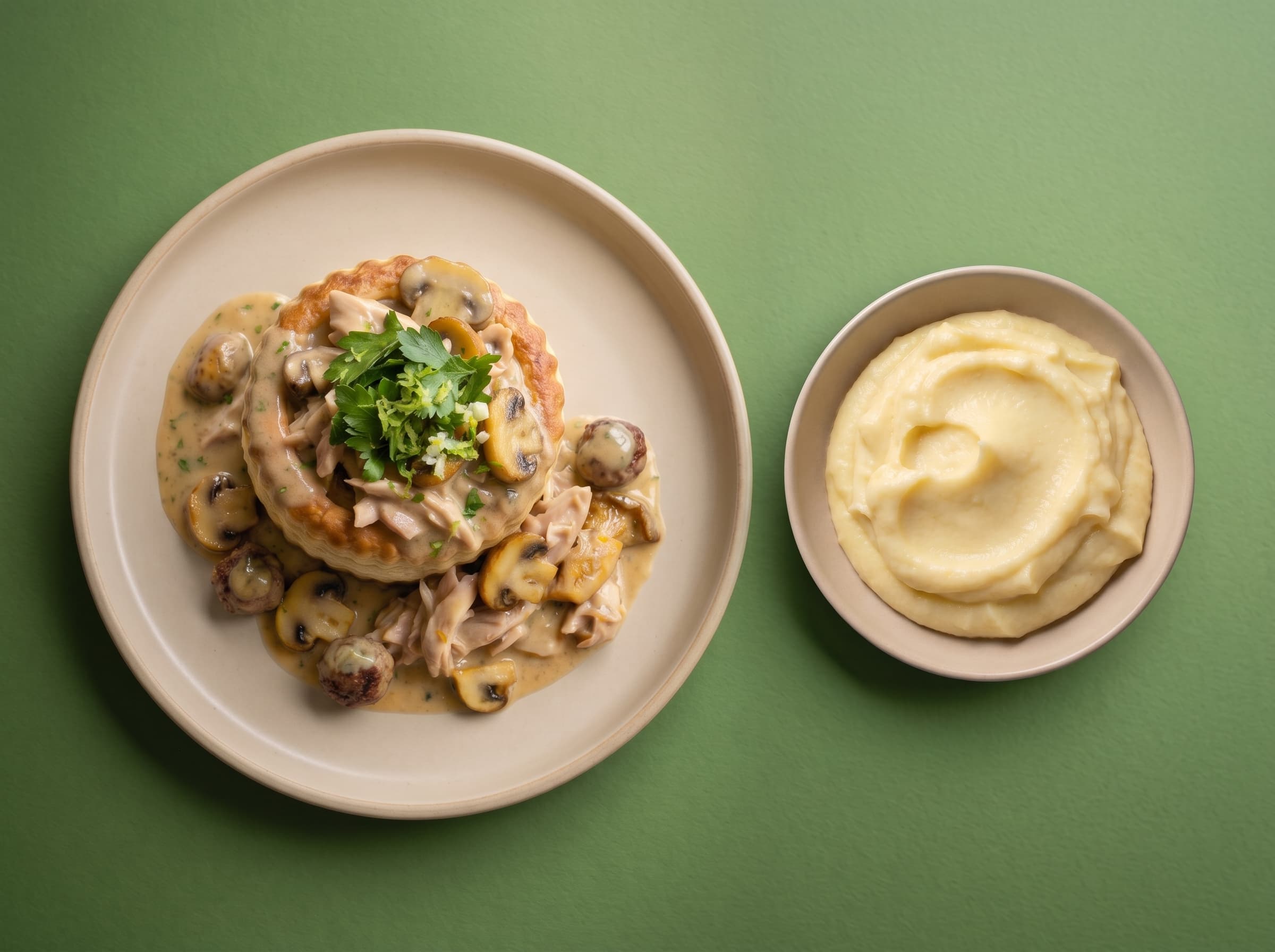 From our menuVol-au-Vent East meets West€19.95 · Made by us, delivered chilled.
This is a rustic jam that tastes like summer in a jar. Fresh rhubarb and strawberries macerate overnight, then cook low and slow without store-bought pectin. The result is a thick, spreadable preserve with a deep "dirty red" color and chunky texture. It takes about 5 hours total (mostly waiting) and makes 10 to 12 jars.
Recipe by Clara De Baere-Verburgh
Traditional Home Cook & Butcher Shop Owner
How Does This Jam Set Without Store-Bought Pectin?
Traditional farmhouse methods show that rhubarb and strawberries carry natural pectin in their skins and cores. When you add sugar and lemon juice, the acid draws out these natural fibers and helps them bind with the sugar to create a soft, spreadable gel.
Food science shows that slow reduction concentrates the fruit's own juices rather than evaporating them too quickly. This gentle cooking keeps the temperature steady at 220°F / 104°C, which is the magic point where the natural pectin activates without breaking down.
Professional preservers know that macerating overnight firms up the fruit cell walls. This old-fashioned waiting step means your strawberries stay in soft chunks instead of turning to mush, giving you that authentic rustic texture your grandma loved.
Estimated nutrition per serving
Estimated from ingredient weights, not lab-tested.
- Calories
- 685
- Protein
- 2g
- Fat
- 2g
- Carbohydrates
- 173g
The weekly recipe note
Enjoyed this recipe? Get the next one first.
One new recipe each week from Christophe: global flavor, French technique, and practical home-cook timing.
By signing up, you agree to receive emails from Mr. Saucy.
Ingredients
Recipe yields 10-12 half-pint jars servings
| Amount | Ingredient | Notes |
|---|---|---|
| 1 kg (8 cups) | Fresh Rhubarb | trimmed and sliced into 1/2 inch pieces; use red stalks for better color |
| 1 kg (7 cups) | Fresh Strawberries | hulled and halved (or quartered if large) |
| 1.6 kg (8 cups) | Granulated Sugar | approximately 80% of fruit weight for traditional preservation and set |
| 60 ml (4 tablespoons) | Fresh Lemon Juice | provides necessary pectin activation and balances sweetness |
| 5 g (2 teaspoons) | Lemon Zest | adds natural pectin and a bright aromatic note |
| 15 g (1 tablespoon) | Unsalted Butter | optional; prevents excessive foaming for a clearer (but still rustic) finish |
Instructions
Prep and Maceration (The Night Before)
- 1
Prep the Fruit
Chop the rhubarb into small half-inch pieces and hull the strawberries. Cutting them now helps the sugar draw out the juices later and ensures even cooking.
- 2
Macerate Overnight
Mix the fruit with sugar in a big non-reactive bowl. Let it sit for at least 4 hours or overnight at room temperature. This waiting step pulls the natural juices out through osmosis and firms up the berries so they won't fall apart when cooked.
Cook the Jam
- 1
Start the Boil
Pour the fruit and all the accumulated syrup into a heavy-bottomed pot or Dutch oven. Add the lemon juice and zest. Heat over medium-high until it reaches a gentle boil, stirring often with a wooden spoon to keep the sugar from scorching on the bottom.
- 2
Add the Butter Trick
Drop in the butter if using. This breaks the surface tension of the bubbles, which reduces the foam that can cloud the jam. Don't worry about skimming every bit though—a little foam creates that authentic "dirty red" rustic look.
- 3
Cook to Setting Point
Keep the jam at a steady, bubbling boil until it reaches 220°F / 104°C on a thermometer. This is the setting point where the natural pectin activates. The rhubarb will soften into fibrous strands while the strawberries stay in chunks, creating that characteristic opaque texture.
- 4
Test the Set
Check if it's ready with the wrinkle test. Place a small spoonful on a chilled plate, wait 30 seconds, then push it with your finger. If the skin wrinkles and doesn't flood back, it's done. If not, continue boiling for 5 more minutes and test again.
Jar and Store
- 1
Rest and Jar
Turn off the heat and let the jam sit in the pot for 10 minutes. This resting period allows the temperature to drop slightly so the fruit pieces distribute evenly throughout the syrup instead of floating to the top. Then ladle into sterilized jars and seal.
The weekly recipe note
Enjoyed this recipe? Get the next one first.
One new recipe each week from Christophe: global flavor, French technique, and practical home-cook timing.
By signing up, you agree to receive emails from Mr. Saucy.
Tips & Tricks
your jam looks cloudy instead of clear:
That's exactly right! The "dirty red" color comes from rhubarb fibers and natural fruit pulp. Don't over-skim the foam, as this creates the rustic, opaque look that signals high fruit content and authentic preparation.
the jam is too runny after cooling:
Return it to the pot and re-boil with an extra tablespoon of lemon juice. The acid reactivates the natural pectin. Bring it back to 220°F / 104°C and test again using the wrinkle test.
your strawberries turned to mush:
Next time, macerate for the full 8 hours or overnight. This firms up the fruit cell walls so they hold their shape during the long boil, giving you those soft chunks instead of sauce.
you don't have a thermometer:
Use the wrinkle test. Keep a plate in the freezer. When the jam seems thick and drops heavily from the spoon, test it. If it wrinkles when pushed with your finger after 30 seconds, it has reached the gel stage.
the sugar is scorching on the bottom:
Use a heavy-bottomed pot and stir constantly until the sugar completely dissolves. The thick base spreads heat evenly and prevents hot spots that can burn the syrup before the fruit cooks.
your jam looks cloudy instead of clear:
That's exactly right! The "dirty red" color comes from rhubarb fibers and natural fruit pulp. Don't over-skim the foam, as this creates the rustic, opaque look that signals high fruit content and authentic preparation.
the jam is too runny after cooling:
Return it to the pot and re-boil with an extra tablespoon of lemon juice. The acid reactivates the natural pectin. Bring it back to 220°F / 104°C and test again using the wrinkle test.
your strawberries turned to mush:
Next time, macerate for the full 8 hours or overnight. This firms up the fruit cell walls so they hold their shape during the long boil, giving you those soft chunks instead of sauce.
you don't have a thermometer:
Use the wrinkle test. Keep a plate in the freezer. When the jam seems thick and drops heavily from the spoon, test it. If it wrinkles when pushed with your finger after 30 seconds, it has reached the gel stage.
the sugar is scorching on the bottom:
Use a heavy-bottomed pot and stir constantly until the sugar completely dissolves. The thick base spreads heat evenly and prevents hot spots that can burn the syrup before the fruit cooks.
Frequently Asked Questions
Why is my jam "dirty red" instead of bright red like store brands?
Traditional homemade jam keeps all the fruit pulp and fiber. Rhubarb breaks down into tiny strands that float in the syrup, creating that cloudy, rustic look. This opacity proves you have high fruit content and authentic old-fashioned preparation without artificial clarifiers or filters.
Can I use less sugar?
You can reduce it slightly, but the jam may be runny and spoil faster. Sugar works with the natural pectin to create the gel and acts as a preservative. If you cut the sugar significantly, store the jam in the refrigerator and use it within three weeks rather than keeping it in the pantry.
Do I really need to wait overnight?
Yes, this step is important for texture. Macerating draws water out of the fruit through osmosis, creating a natural syrup. It also toughens the strawberry cell walls slightly so they hold their shape during the long boil instead of dissolving into sauce.
Can I freeze this instead of canning?
Absolutely. Ladle the hot jam into freezer-safe containers, leaving one inch of space at the top for expansion. It keeps beautifully for up to one year frozen. Thaw it in the refrigerator overnight when you're ready to enjoy it.
Why did my fruit float to the top of the jar?
You likely jarred it immediately after cooking while it was still very hot. The brief 10-minute rest allows the temperature to drop just enough so the fruit suspends evenly throughout the syrup rather than rising to the top after you seal the jars.
Can I double this recipe?
It's best not to. Large batches cook unevenly and often refuse to set properly because the outer edges overcook while the center stays runny. For safety and the best texture, make two separate batches instead.
Why is my jam "dirty red" instead of bright red like store brands?
Traditional homemade jam keeps all the fruit pulp and fiber. Rhubarb breaks down into tiny strands that float in the syrup, creating that cloudy, rustic look. This opacity proves you have high fruit content and authentic old-fashioned preparation without artificial clarifiers or filters.
Can I use less sugar?
You can reduce it slightly, but the jam may be runny and spoil faster. Sugar works with the natural pectin to create the gel and acts as a preservative. If you cut the sugar significantly, store the jam in the refrigerator and use it within three weeks rather than keeping it in the pantry.
Do I really need to wait overnight?
Yes, this step is important for texture. Macerating draws water out of the fruit through osmosis, creating a natural syrup. It also toughens the strawberry cell walls slightly so they hold their shape during the long boil instead of dissolving into sauce.
Can I freeze this instead of canning?
Absolutely. Ladle the hot jam into freezer-safe containers, leaving one inch of space at the top for expansion. It keeps beautifully for up to one year frozen. Thaw it in the refrigerator overnight when you're ready to enjoy it.
Why did my fruit float to the top of the jar?
You likely jarred it immediately after cooking while it was still very hot. The brief 10-minute rest allows the temperature to drop just enough so the fruit suspends evenly throughout the syrup rather than rising to the top after you seal the jars.
Can I double this recipe?
It's best not to. Large batches cook unevenly and often refuse to set properly because the outer edges overcook while the center stays runny. For safety and the best texture, make two separate batches instead.
Recipe Reviews
No reviews yet — Be the first to review this recipe!
The collection
All recipesVenison Fillet Recipe with Blackberry Juniper Jus
This venison fillet recipe gives you tender, rosy meat with a quick sear and gentle roasting. Serve it with silky celeriac mousseline, honey-glazed carrots, blackberry-juniper jus, and crisp hazelnuts. Plan about 3 hours for cooking and resting, plus advance chilling if you dry-season the venison overnight. It serves 4.
180 min · Intermediate · Belgium
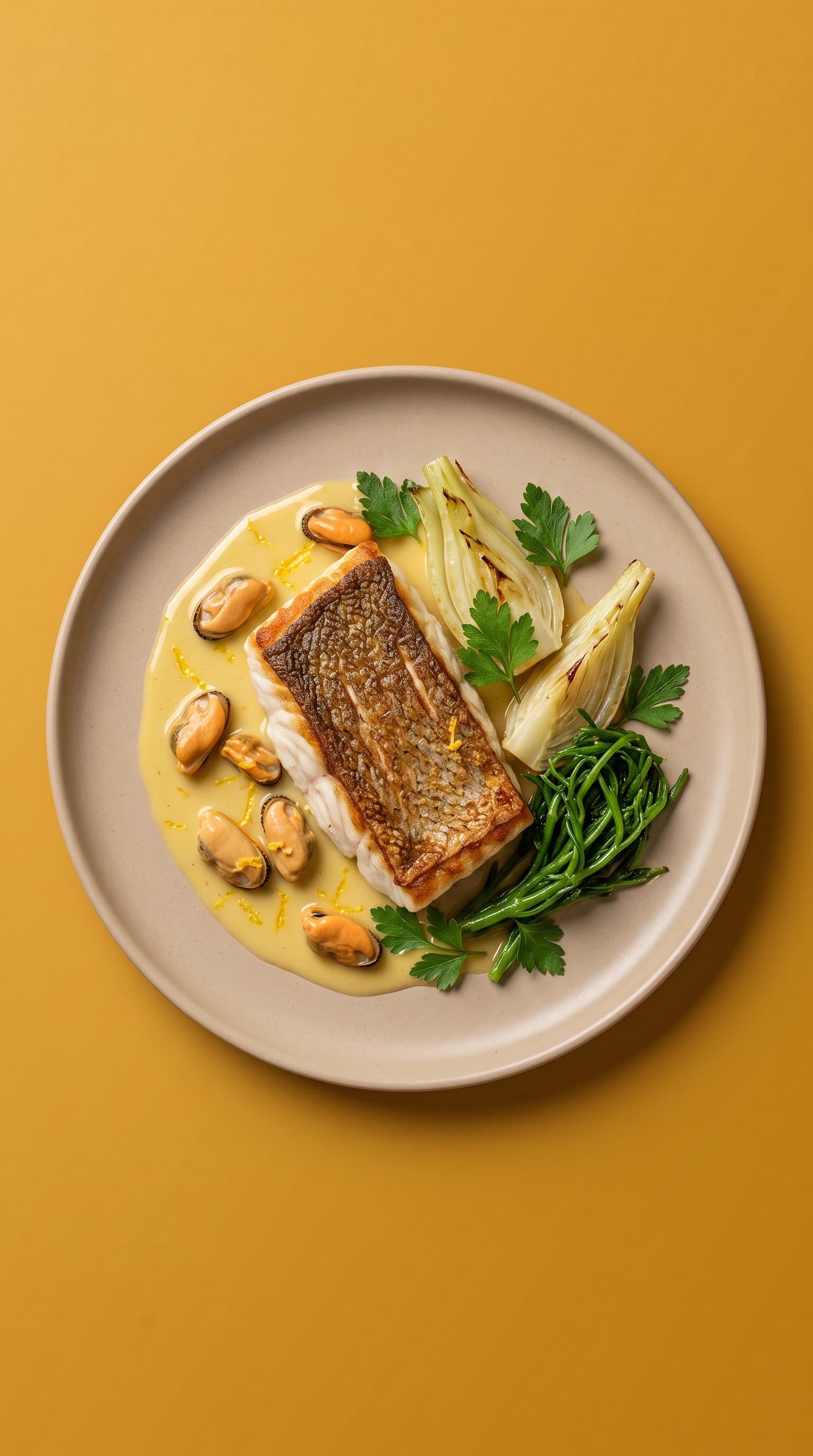
John Dory Recipe with Saffron Mussel Sauce
This John Dory recipe pairs crisp, golden skin with sweet confit fennel, tender sea aster, and a silky saffron mussel sauce. Steam the mussels first, reduce their liquor, and finish the sauce with cold butter. The dish takes about 1 hour 45 minutes and serves 4 for a special dinner.
105 min · Intermediate · Belgium
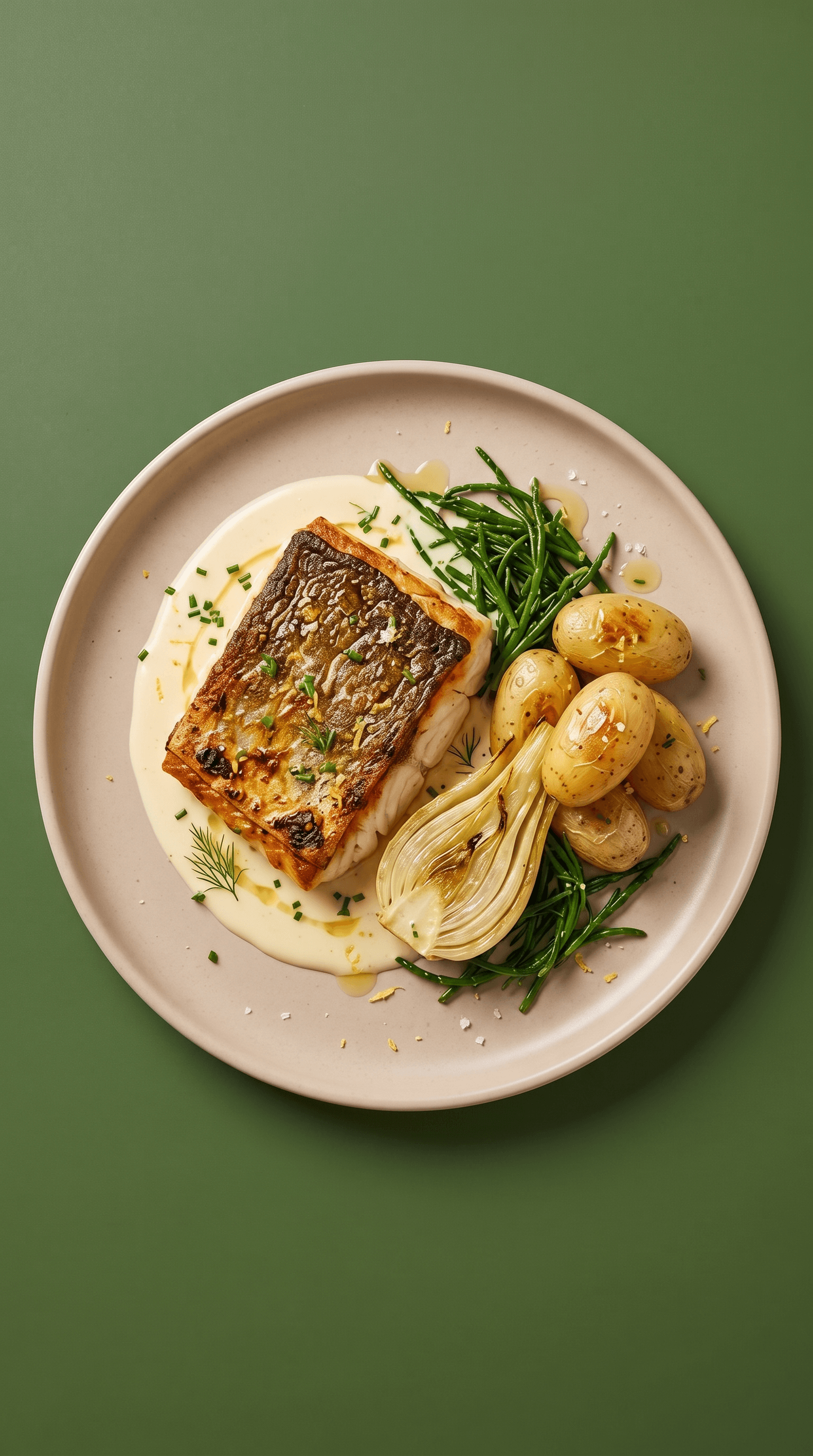
Roasted Turbot Recipe with Vermouth Beurre Blanc and Fennel
This roasted turbot recipe pairs a crisp-skinned, oven-finished fillet with a silky vermouth beurre blanc, buttery braised fennel, and confit-style baby potatoes. The trick is a hard sear for color, then a gentle 180°C / 356°F oven finish so the delicate flesh stays moist. It takes about 90 minutes total and serves 4.
90 min · Intermediate · Belgium