Grand Essence of North Sea Shrimp with Coffee-Infused Chantilly
1 hr 15 min · Advanced · Serves 4
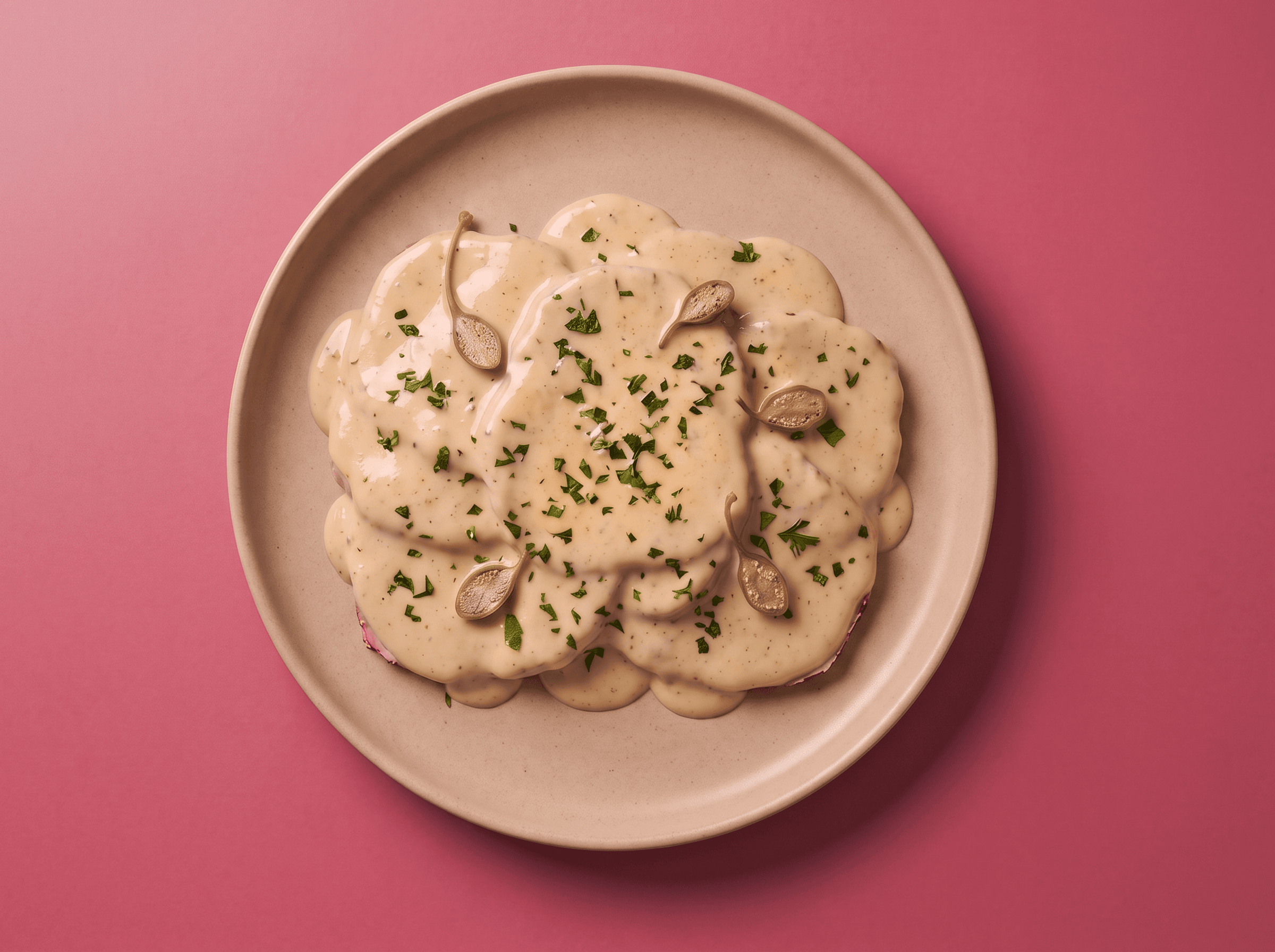 From our menuVitello Tonnato€17.50 · Made by us, delivered chilled.
This is a luxurious, deep-flavored shrimp soup that uses a special trick of crushing shells to unlock hidden flavors. In about 75 minutes, you will create a restaurant-quality starter for 4 people that balances sweet seafood with a surprising, velvety coffee cream topping.
Recipe by Clara De Baere-Verburgh
Traditional Home Cook & Butcher Shop Owner
What Makes This Shrimp Soup So Rich?
Traditional French technique teaches us that the 'soul' of the shrimp is in the shells and heads. By crushing them before cooking, you break down the tough outer layers to release flavorful oils and minerals that would otherwise stay trapped.
Professional chefs know that 'pincé'—browning the tomato paste until it darkens—is a secret to deep flavor. This step removes the raw, metallic taste and replaces it with a savory sweetness that makes the broth taste like it simmered all day.
Food science shows that a touch of bitterness, like our coffee-infused cream, actually makes sweet things taste better. The coffee acts as a 'bass note' that balances the rich cream and bright seafood, making every spoonful more exciting.
Estimated nutrition per serving
Estimated from ingredient weights, not lab-tested.
- Calories
- 577
- Protein
- 30g
- Fat
- 36g
- Carbohydrates
- 14g
The weekly recipe note
Enjoyed this recipe? Get the next one first.
One new recipe each week from Christophe: global flavor, French technique, and practical home-cook timing.
By signing up, you agree to receive emails from Mr. Saucy.
Ingredients
Recipe yields 4 servings
For the Shrimp Base
| Amount | Ingredient | Notes |
|---|---|---|
| 1000 g | Whole North Sea Shrimps | unpeeled; peel them yourself to save the heads and shells |
| 60 g | Unsalted Butter | divided for sautéing and finishing |
| 250 g | Mirepoix (Carrot, Celery, Leek) | finely diced for even flavor |
| 40 g | Tomato Paste | for color and deep savory flavor |
| 50 g | Cognac or Brandy | for flaming and aroma |
| 150 g | Dry White Wine | such as Muscadet |
| 1200 g | Fish Stock or Water | use high-quality unsalted stock |
| 100 g | Heavy Cream (35% fat) | for the soup base |
| 5 g | Fine Sea Salt and Cayenne Pepper | to taste |
For the Coffee Chantilly
| Amount | Ingredient | Notes |
|---|---|---|
| 150 g | Heavy Cream | cold, for whipping |
| 15 g | Lightly Roasted Coffee Beans | cracked for infusion |
Instructions
Extract the Essence
- 1
Crush the Shells (The Flavor Secret)
Peel the shrimps and keep the meat in the fridge. Put the heads and shells in a mortar and pestle and crush them well. This breaks the shells to release trapped oils and proteins that create a much deeper flavor.
- 2
Toast the Shells
Melt 40g of butter in a heavy pot until it bubbles. Add the crushed shells and cook over medium-high heat for 8-10 minutes. Stir constantly until they turn deep orange and smell like toasted popcorn—this browning is the foundation of your soup.
- 3
The Pincé Technique
Add your diced vegetables and tomato paste. Cook for 5 minutes until the vegetables soften and the paste turns a dark brick-red. This removes the raw tomato taste and builds a savory 'umami' base.
Simmer and Infuse
- 4
Deglaze and Flambé
Pour in the Cognac and carefully light it with a long match to burn off the alcohol. Once the flames go out, add the white wine and boil until the liquid is reduced by half. This concentrates the bright, tangy flavors.
- 5
The Gentle Simmer
Add the stock and bring to a gentle simmer (about 185°F / 85°C). Cook for exactly 35 minutes. Do not go longer, or the shells might release a bitter, chalky taste into your beautiful broth.
- 6
Infuse the Coffee Cream
While the soup simmers, heat 150g of cream with the cracked coffee beans until it just starts to bubble (around 175°F / 80°C). Remove from heat, let it sit for 10 minutes to soak up the flavor, then strain and chill it in the fridge.
Finish and Serve
- 7
Double Strain for Silkiness
Pour the soup through a coarse sieve, pressing hard on the shells to get every drop of 'shrimp milk.' Then, pour it again through a very fine strainer to make it as smooth as velvet.
- 8
The Final Reduction
Put the liquid back in a clean pot with 100g of cream. Simmer until it is thick enough to coat the back of a spoon. Season with salt and a tiny pinch of spicy cayenne.
- 9
Assemble the Bowls
Place the cold raw shrimp meat in warm bowls. Pour the hot soup over them—the heat of the soup (around 190°F / 88°C) will cook the delicate shrimp perfectly in seconds. Top with a spoonful of the chilled, whipped coffee cream.
The weekly recipe note
Enjoyed this recipe? Get the next one first.
One new recipe each week from Christophe: global flavor, French technique, and practical home-cook timing.
By signing up, you agree to receive emails from Mr. Saucy.
Tips & Tricks
If you are struggling to peel the tiny shrimps:
Hold the head and tail, then gently twist the middle to crack the shell. Pull the head off first, then slide the tail away. Use a very light touch so you don't squish the delicate meat.
If your soup looks like it is separating:
Never let the soup reach a hard, rolling boil after you add the cream. Keep it at a gentle simmer (185°F / 85°C) to keep the fats and liquids blended into a smooth emulsion.
If the soup feels too thin:
You can whisk in a little 'beurre manié' (equal parts softened butter and flour mixed into a paste). However, simmering it longer to reduce the liquid is better for keeping the flavor strong.
If you want even more flavor in the shrimp meat:
Quickly sauté the shrimp meat in a pan with garlic butter for just 30 seconds before putting them in the serving bowls.
If you are struggling to peel the tiny shrimps:
Hold the head and tail, then gently twist the middle to crack the shell. Pull the head off first, then slide the tail away. Use a very light touch so you don't squish the delicate meat.
If your soup looks like it is separating:
Never let the soup reach a hard, rolling boil after you add the cream. Keep it at a gentle simmer (185°F / 85°C) to keep the fats and liquids blended into a smooth emulsion.
If the soup feels too thin:
You can whisk in a little 'beurre manié' (equal parts softened butter and flour mixed into a paste). However, simmering it longer to reduce the liquid is better for keeping the flavor strong.
If you want even more flavor in the shrimp meat:
Quickly sauté the shrimp meat in a pan with garlic butter for just 30 seconds before putting them in the serving bowls.
Frequently Asked Questions
Why use coffee with shrimp soup?
It sounds strange, but coffee acts like a spice! The slight bitterness cuts through the heavy cream and rich shrimp fat. It works just like dark chocolate in a savory chili, making the sweet seafood flavors stand out more.
Can I use pre-peeled shrimps?
You can, but you will lose most of the flavor. The best part of the taste comes from the heads and shells. If you can't find whole shrimps, ask your fishmonger if they have any spare shells you can buy to make the base.
Why crush the shells instead of leaving them whole?
Crushing creates more surface area for the butter to touch. Traditional French chefs use this method because it helps the hot fat pull out the bright red color and the deep, savory oils from the shells much faster.
How do I fix a soup that tastes too 'fishy'?
A 'fishy' taste usually means the shells weren't toasted enough or they simmered too long. You can fix this by adding a small squeeze of fresh lemon juice or an extra splash of Cognac to brighten the flavor.
Why use coffee with shrimp soup?
It sounds strange, but coffee acts like a spice! The slight bitterness cuts through the heavy cream and rich shrimp fat. It works just like dark chocolate in a savory chili, making the sweet seafood flavors stand out more.
Can I use pre-peeled shrimps?
You can, but you will lose most of the flavor. The best part of the taste comes from the heads and shells. If you can't find whole shrimps, ask your fishmonger if they have any spare shells you can buy to make the base.
Why crush the shells instead of leaving them whole?
Crushing creates more surface area for the butter to touch. Traditional French chefs use this method because it helps the hot fat pull out the bright red color and the deep, savory oils from the shells much faster.
How do I fix a soup that tastes too 'fishy'?
A 'fishy' taste usually means the shells weren't toasted enough or they simmered too long. You can fix this by adding a small squeeze of fresh lemon juice or an extra splash of Cognac to brighten the flavor.
Recipe Reviews
No reviews yet — Be the first to review this recipe!
The collection
All recipesVenison Fillet Recipe with Blackberry Juniper Jus
This venison fillet recipe gives you tender, rosy meat with a quick sear and gentle roasting. Serve it with silky celeriac mousseline, honey-glazed carrots, blackberry-juniper jus, and crisp hazelnuts. Plan about 3 hours for cooking and resting, plus advance chilling if you dry-season the venison overnight. It serves 4.
180 min · Intermediate · Belgium
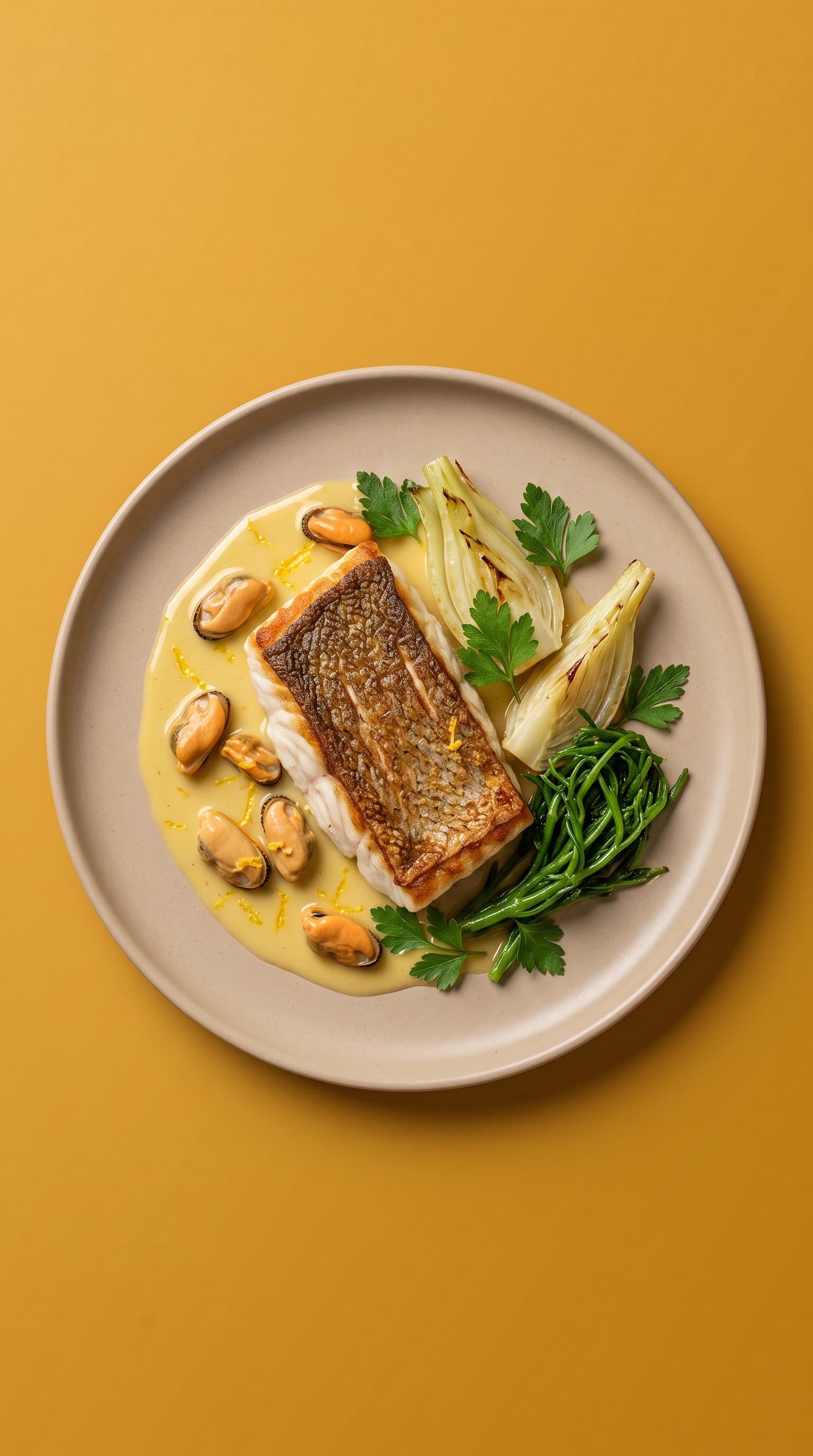
John Dory Recipe with Saffron Mussel Sauce
This John Dory recipe pairs crisp, golden skin with sweet confit fennel, tender sea aster, and a silky saffron mussel sauce. Steam the mussels first, reduce their liquor, and finish the sauce with cold butter. The dish takes about 1 hour 45 minutes and serves 4 for a special dinner.
105 min · Intermediate · Belgium
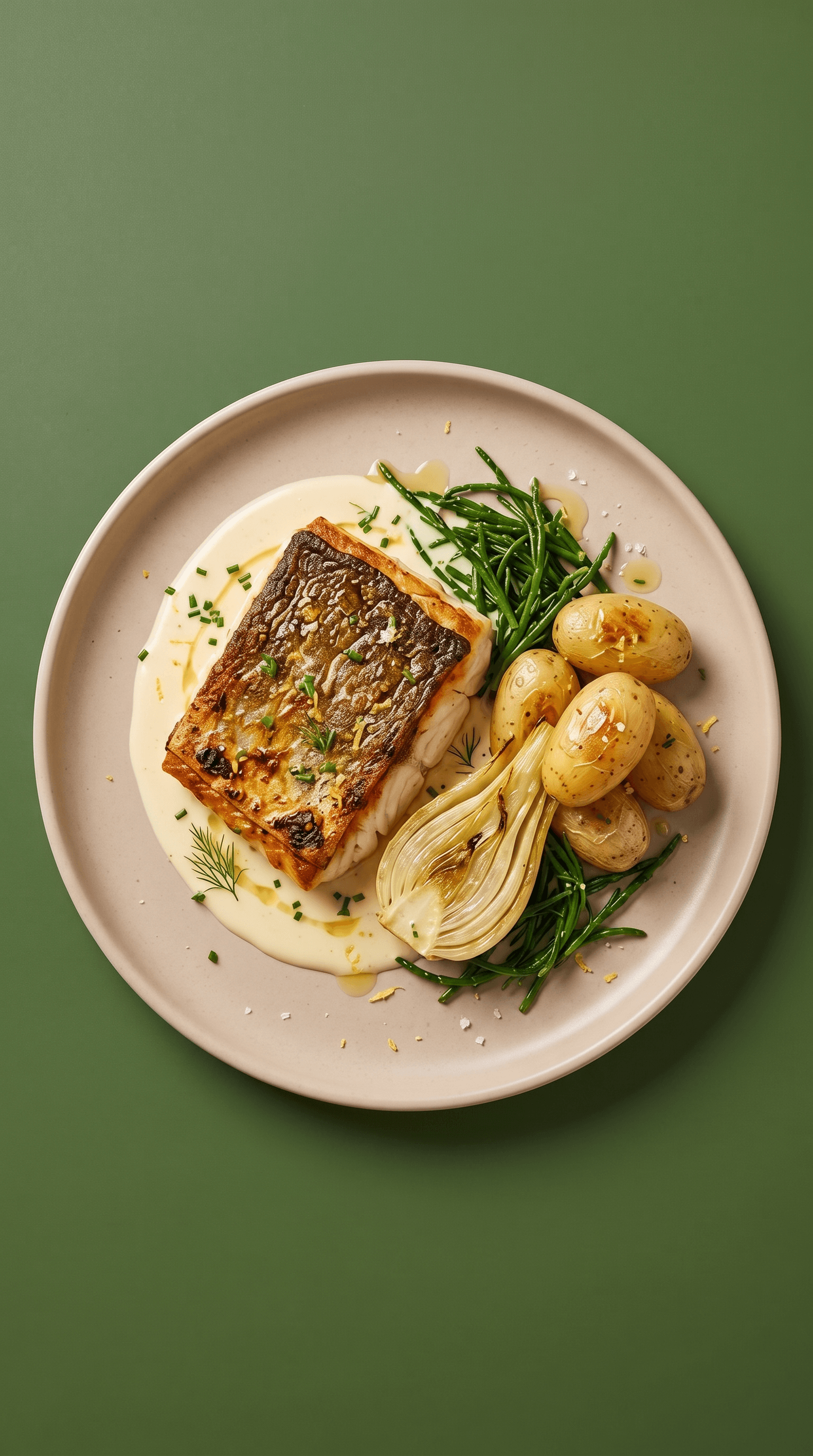
Roasted Turbot Recipe with Vermouth Beurre Blanc and Fennel
This roasted turbot recipe pairs a crisp-skinned, oven-finished fillet with a silky vermouth beurre blanc, buttery braised fennel, and confit-style baby potatoes. The trick is a hard sear for color, then a gentle 180°C / 356°F oven finish so the delicate flesh stays moist. It takes about 90 minutes total and serves 4.
90 min · Intermediate · Belgium