Golden Saffron and Ginger Aromatic Fried Rice
25 min · Medium · Serves 4-6
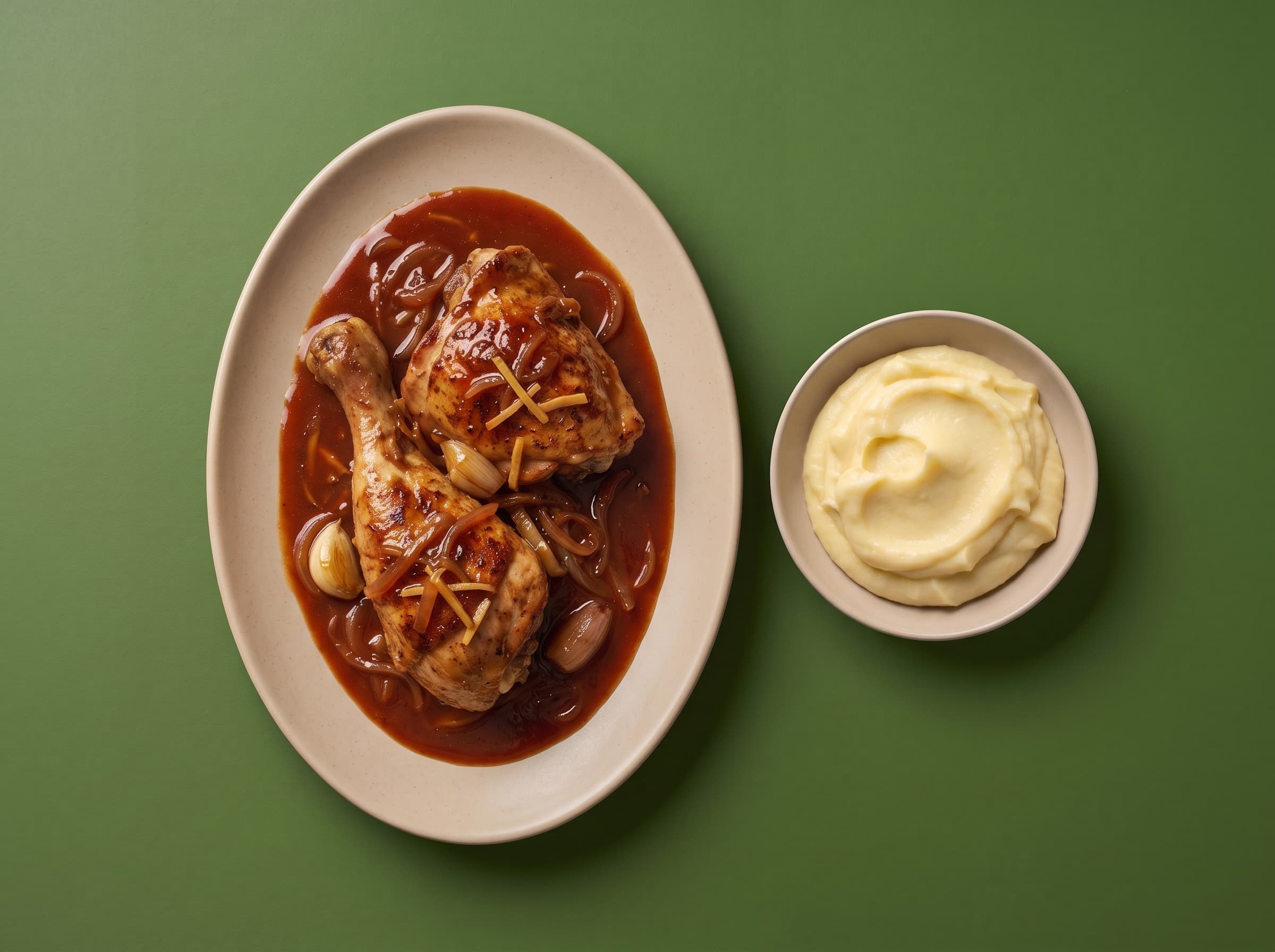 From our menuCoq au vin€22.95 · Made by us, delivered chilled.
This Golden Saffron and Ginger Fried Rice now layers clarified butter with chili oil, splits the saffron with Espelette pepper, and adds a small splash of soy sauce during the fry for extra savory depth. The result is still elegant and fragrant, but with a slightly spicier, more rounded flavor profile that pairs beautifully with roasted chicken, fish, or vegetables.
Recipe by Christophe Rammant
Cordon Bleu Paris alumni - Two star Michelin kitchen experience
What Makes This Different from Regular Fried Rice?
Traditional Chinese technique shows that cold, day-old rice is the secret to perfect grain separation. Fresh rice has too much surface moisture, which creates steam instead of the crispy, separate grains you want. Chilling the rice overnight dries out the surface just enough for each grain to fry individually.
Using mostly clarified butter with a smaller portion of chili oil keeps the rich, nutty base while adding a subtle spicy edge. This makes the rice feel more layered and modern without overpowering the delicate aromatics.
Blooming saffron with Espelette pepper in warm water helps distribute both the golden color and the mild heat evenly throughout the rice. A small splash of soy sauce added mid-fry deepens the savoriness without turning the dish into standard takeout-style fried rice.
Estimated nutrition per serving
Estimated from ingredient weights, not lab-tested.
- Calories
- 535
- Protein
- 12g
- Fat
- 14g
- Carbohydrates
- 86g
The weekly recipe note
Enjoyed this recipe? Get the next one first.
One new recipe each week from Christophe: global flavor, French technique, and practical home-cook timing.
By signing up, you agree to receive emails from Mr. Saucy.
Ingredients
Recipe yields 4-6 servings
For the Rice Base
| Amount | Ingredient | Notes |
|---|---|---|
| 400 g (2 cups dry) | Jasmine rice (long grain) | cooked and chilled overnight for best results |
| 0.25 g | Saffron threads | bloomed in 20 g warm water |
| 0.25 g | Espelette pepper | blooms with the saffron for mild fruity warmth |
For the Aromatics
| Amount | Ingredient | Notes |
|---|---|---|
| 33.75 g | Ghee or Clarified Butter | 75% of original fat quantity; provides high smoke point and nutty richness |
| 11.25 g | Chili Oil | 25% of original butter quantity; adds gentle heat |
| 30 g (2 tablespoons) | Fresh Ginger | finely minced |
| 60 g (1/4 cup) | Shallots | finely diced |
| 15 g (3 cloves) | Garlic | microplaned or finely minced |
For Finishing
| Amount | Ingredient | Notes |
|---|---|---|
| 110 g (2 eggs) | Large Eggs | thoroughly whisked |
| 30 g (2 tablespoons) | Dry Sherry or Shaoxing Wine | for deglazing |
| 10 g (2 teaspoons) | Soy Sauce | add a small splash mid-fry |
| 8 g (1 1/2 teaspoons) | Fine Sea Salt | adjust to taste |
| 2 g (1/2 teaspoon) | White Pepper | for subtle heat and aromatic lift |
| 20 g (2 tablespoons) | Scallions (green parts only) | thinly sliced |
Instructions
Prep the Rice (The Night Before)
- 1
Cook and Chill the Rice
Cook the jasmine rice with slightly less water than usual—about 1.5 cups water per cup of rice instead of the standard 2 cups. This keeps the grains firm and prevents them from turning mushy when fried. Spread the cooked rice on a baking sheet and refrigerate uncovered for at least 12 hours. The cold air dries out the surface moisture, which is the secret to getting separate, fluffy grains instead of a sticky clump.
- 2
Bloom the Saffron and Espelette
Place the saffron threads and Espelette pepper in 20 g (4 teaspoons) of warm water—around 120°F / 49°C—and let them sit for 10 minutes. This step helps the saffron release its color and aroma while dispersing the Espelette's gentle warmth evenly through the liquid.
Build the Aromatic Base
- 3
Heat the Fats
Heat your non-stick pan over medium-high heat until it reaches about 375°F / 190°C—you'll know it's ready when a drop of water sizzles immediately. Add the ghee and chili oil and swirl them around the pan. This combination keeps the nuttiness of clarified butter while adding a subtle spicy edge.
- 4
Sauté the Aromatics
Add the minced ginger, diced shallots, and garlic to the hot fat mixture. Stir constantly for 2-3 minutes until the shallots turn translucent and fragrant. This creates the flavor foundation that will coat every grain of rice.
Fry and Finish the Rice
- 5
Add the Rice and Soy Sauce
Add the chilled rice to the pan and immediately break up any clumps with your spatula. Toss the rice vigorously for about 2 minutes, using a scooping and flipping motion to coat every grain. Then add the soy sauce as a small splash mid-fry and continue tossing for 1-2 minutes more so it seasons the rice lightly without darkening it too much.
- 6
Scramble the Eggs (The Ribbon Method)
Push all the rice to the edges of the pan to create an empty well in the center. Pour the whisked eggs into this well and let them sit undisturbed for 10 seconds until they just start to set. Then rapidly stir them into the rice using quick, choppy motions. This creates thin, delicate egg ribbons throughout the rice instead of large, rubbery chunks.
- 7
Add the Saffron Infusion and Deglaze
Drizzle the bloomed saffron-Espelette water and the dry sherry over the rice while tossing everything together. The alcohol in the sherry lifts up the flavorful bits stuck to the pan and evaporates quickly, while the infusion coats the rice with its signature golden color and mild warmth.
- 8
Season and Finish
Sprinkle the sea salt and white pepper over the rice and toss to distribute evenly. Taste and adjust the seasoning—you want a balanced flavor that's savory but not salty. At the very last second, toss in the sliced scallions. The residual heat from the rice will soften them just enough without losing their bright green color and fresh bite.
The weekly recipe note
Enjoyed this recipe? Get the next one first.
One new recipe each week from Christophe: global flavor, French technique, and practical home-cook timing.
By signing up, you agree to receive emails from Mr. Saucy.
Tips & Tricks
your rice is clumping together instead of staying separate:
Make sure you're using day-old rice that's been chilled overnight. Fresh rice has too much moisture and will steam instead of fry. Also increase your heat slightly—the pan needs to be hot enough (around 375°F / 190°C) to evaporate moisture quickly and crisp the grains.
the rice is sticking to your non-stick pan:
Add another teaspoon of ghee or chili oil and increase the heat slightly. The rice needs enough fat to coat every grain and high enough heat to create that crispy exterior. Keep the rice moving constantly with your spatula to prevent it from sitting in one spot too long.
you want to add soy sauce for more savory depth:
Yes—add just a small splash mid-fry, after the rice has started to separate and toast. This lets the soy season the grains lightly without masking the saffron or turning the whole dish dark brown.
you don't have ghee or clarified butter:
Use a neutral oil with a high smoke point like grapeseed or avocado oil, then keep the chili oil for the spicy portion. You'll lose some nutty richness, but the dish will still work. Avoid regular butter—it will burn at the high heat needed for proper fried rice.
you want extra texture and crunch:
Garnish with toasted almond slivers or crispy fried shallots just before serving. Toast the almonds in a dry pan for 2-3 minutes until golden and fragrant. This adds a 'shatter factor' that contrasts beautifully with the fluffy rice.
your rice is clumping together instead of staying separate:
Make sure you're using day-old rice that's been chilled overnight. Fresh rice has too much moisture and will steam instead of fry. Also increase your heat slightly—the pan needs to be hot enough (around 375°F / 190°C) to evaporate moisture quickly and crisp the grains.
the rice is sticking to your non-stick pan:
Add another teaspoon of ghee or chili oil and increase the heat slightly. The rice needs enough fat to coat every grain and high enough heat to create that crispy exterior. Keep the rice moving constantly with your spatula to prevent it from sitting in one spot too long.
you want to add soy sauce for more savory depth:
Yes—add just a small splash mid-fry, after the rice has started to separate and toast. This lets the soy season the grains lightly without masking the saffron or turning the whole dish dark brown.
you don't have ghee or clarified butter:
Use a neutral oil with a high smoke point like grapeseed or avocado oil, then keep the chili oil for the spicy portion. You'll lose some nutty richness, but the dish will still work. Avoid regular butter—it will burn at the high heat needed for proper fried rice.
you want extra texture and crunch:
Garnish with toasted almond slivers or crispy fried shallots just before serving. Toast the almonds in a dry pan for 2-3 minutes until golden and fragrant. This adds a 'shatter factor' that contrasts beautifully with the fluffy rice.
Frequently Asked Questions
Can I use brown rice instead of jasmine rice?
You can, but the results won't be as elegant. Brown rice has a bran layer that prevents the saffron-Espelette infusion from penetrating the grain effectively, so you'll get less of that beautiful golden color. The texture is also chewier and less fluffy, which doesn't pair as well with delicate main dishes like fish or roasted chicken.
Why use white pepper instead of black pepper?
White pepper provides a sharp, integrated heat that blends into the rice, while Espelette pepper adds a mild fruity warmth. Black pepper would create dark specks and a heavier flavor that distracts from the dish's refined golden look.
What if I don't have a wok?
A wide non-stick frying pan works perfectly for home cooks. It gives you more surface area for the rice to contact the heat, which helps achieve that fried texture without needing the intense heat of a professional wok burner. Just make sure your pan is at least 12 inches wide so the rice isn't crowded.
Is the saffron really necessary?
Yes, but in a slightly reduced role. Saffron still provides the signature golden color and floral depth, while Espelette pepper now adds gentle warmth. If cost is a concern, this split makes the dish more flexible without losing its character.
Can I make this ahead of time?
Yes, partially. Cook and chill the rice up to 2 days ahead, and prep all your aromatics (ginger, shallots, garlic) the night before. But the actual frying should happen right before serving—fried rice loses its texture and becomes soggy if it sits too long after cooking.
How do I reheat leftovers without making them mushy?
Reheat in a hot non-stick pan with a tiny bit of ghee, chili oil, or neutral oil, not in the microwave. The microwave adds moisture through steam, which makes the rice soggy. A hot pan re-crisps the grains and brings back that fried texture. Toss constantly for 2-3 minutes until heated through.
What main dishes pair best with this rice?
This rice shines alongside roasted chicken, seared fish like salmon or sea bass, or braised vegetables. The saffron, chili oil, and ginger flavors bridge Asian and Mediterranean cuisines, making it incredibly versatile.
Can I add vegetables to this rice?
You can, but keep them minimal and finely diced so they don't overwhelm the saffron and Espelette flavors. Peas, finely diced carrots, or corn work well. Add them when you sauté the aromatics so they cook through. Avoid watery vegetables like tomatoes or zucchini—they'll make the rice soggy.
Can I use brown rice instead of jasmine rice?
You can, but the results won't be as elegant. Brown rice has a bran layer that prevents the saffron-Espelette infusion from penetrating the grain effectively, so you'll get less of that beautiful golden color. The texture is also chewier and less fluffy, which doesn't pair as well with delicate main dishes like fish or roasted chicken.
Why use white pepper instead of black pepper?
White pepper provides a sharp, integrated heat that blends into the rice, while Espelette pepper adds a mild fruity warmth. Black pepper would create dark specks and a heavier flavor that distracts from the dish's refined golden look.
What if I don't have a wok?
A wide non-stick frying pan works perfectly for home cooks. It gives you more surface area for the rice to contact the heat, which helps achieve that fried texture without needing the intense heat of a professional wok burner. Just make sure your pan is at least 12 inches wide so the rice isn't crowded.
Is the saffron really necessary?
Yes, but in a slightly reduced role. Saffron still provides the signature golden color and floral depth, while Espelette pepper now adds gentle warmth. If cost is a concern, this split makes the dish more flexible without losing its character.
Can I make this ahead of time?
Yes, partially. Cook and chill the rice up to 2 days ahead, and prep all your aromatics (ginger, shallots, garlic) the night before. But the actual frying should happen right before serving—fried rice loses its texture and becomes soggy if it sits too long after cooking.
How do I reheat leftovers without making them mushy?
Reheat in a hot non-stick pan with a tiny bit of ghee, chili oil, or neutral oil, not in the microwave. The microwave adds moisture through steam, which makes the rice soggy. A hot pan re-crisps the grains and brings back that fried texture. Toss constantly for 2-3 minutes until heated through.
What main dishes pair best with this rice?
This rice shines alongside roasted chicken, seared fish like salmon or sea bass, or braised vegetables. The saffron, chili oil, and ginger flavors bridge Asian and Mediterranean cuisines, making it incredibly versatile.
Can I add vegetables to this rice?
You can, but keep them minimal and finely diced so they don't overwhelm the saffron and Espelette flavors. Peas, finely diced carrots, or corn work well. Add them when you sauté the aromatics so they cook through. Avoid watery vegetables like tomatoes or zucchini—they'll make the rice soggy.
Recipe Reviews
No reviews yet — Be the first to review this recipe!
The collection
All recipesOlive Oil Chocolate Mousse Recipe with Candied Orange
This olive oil chocolate mousse recipe makes a rich but airy dessert with dark chocolate, fruity olive oil, bright candied orange, and crisp almond tuiles. A warm sugar syrup gives the yolks body, while softly whipped cream keeps the mousse light. Plan about 5 hours, including chilling, for 4 generous servings.
300 min · Intermediate · Fusion
Celeriac Ravioli with Brown Butter and Pear
This celeriac ravioli recipe makes 24 delicate pasta pillows filled with roasted celeriac, aged Comté, mascarpone and truffle. Roast the celeriac for deep flavor, then finish the ravioli in a glossy brown-butter sauce with pear, hazelnuts and sage. Plan on 145 minutes for 4 servings, including resting and chilling.
145 min · Intermediate · Fusion
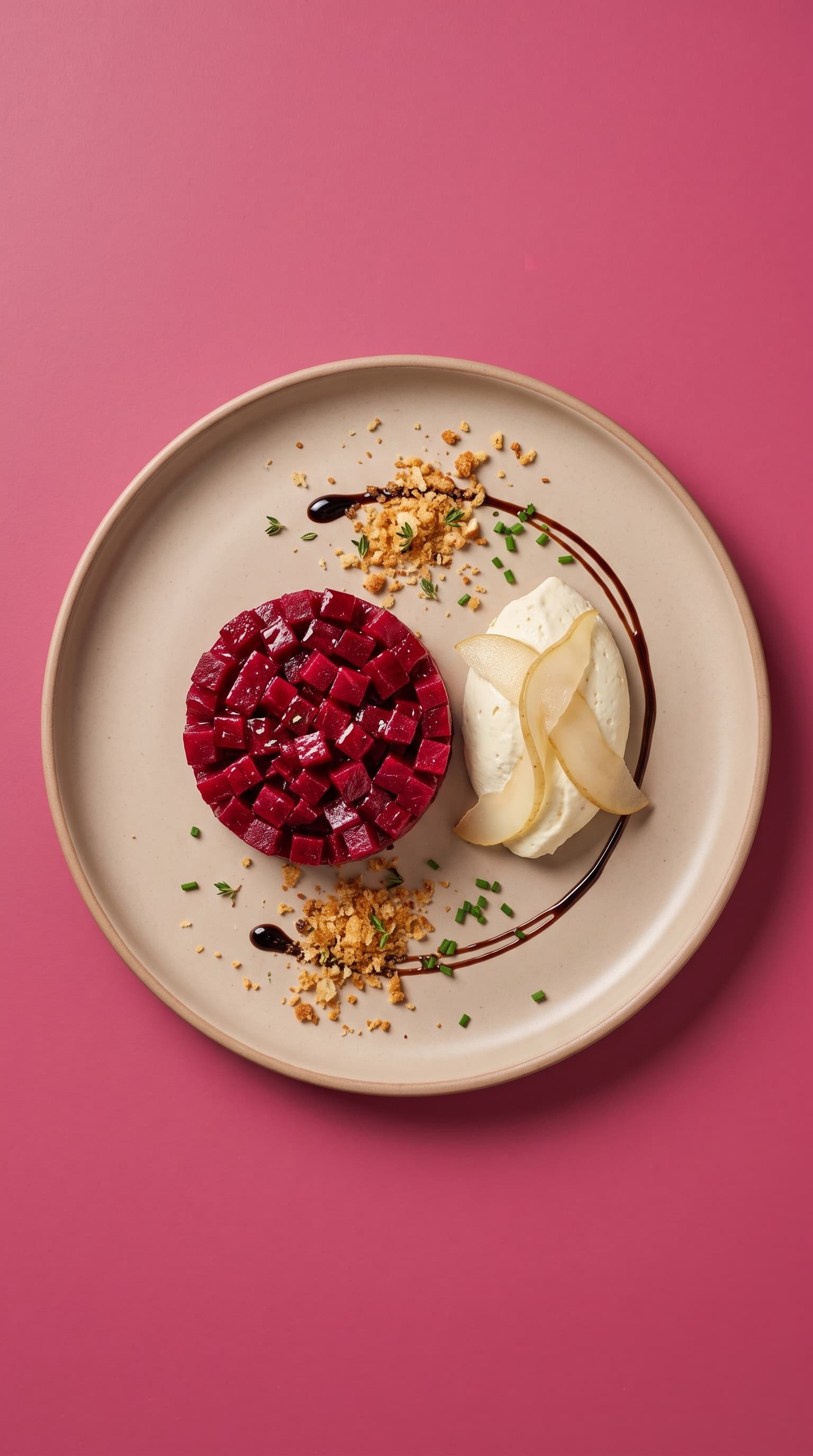
Beetroot Tartare Recipe with Whipped Goat Cheese
This beetroot tartare recipe turns sweet roasted beetroot into a bright, elegant appetizer for four. Cut the chilled beetroot into tiny cubes, dress it just before serving, and pair it with whipped goat cheese, pickled pear, and a buttery hazelnut crumb. Allow about 2 hours from roasting to plating.
120 min · Intermediate · Fusion