Gochujang Stew With Scallion Toppings
2 hrs 30 min · Medium · Serves 4-6
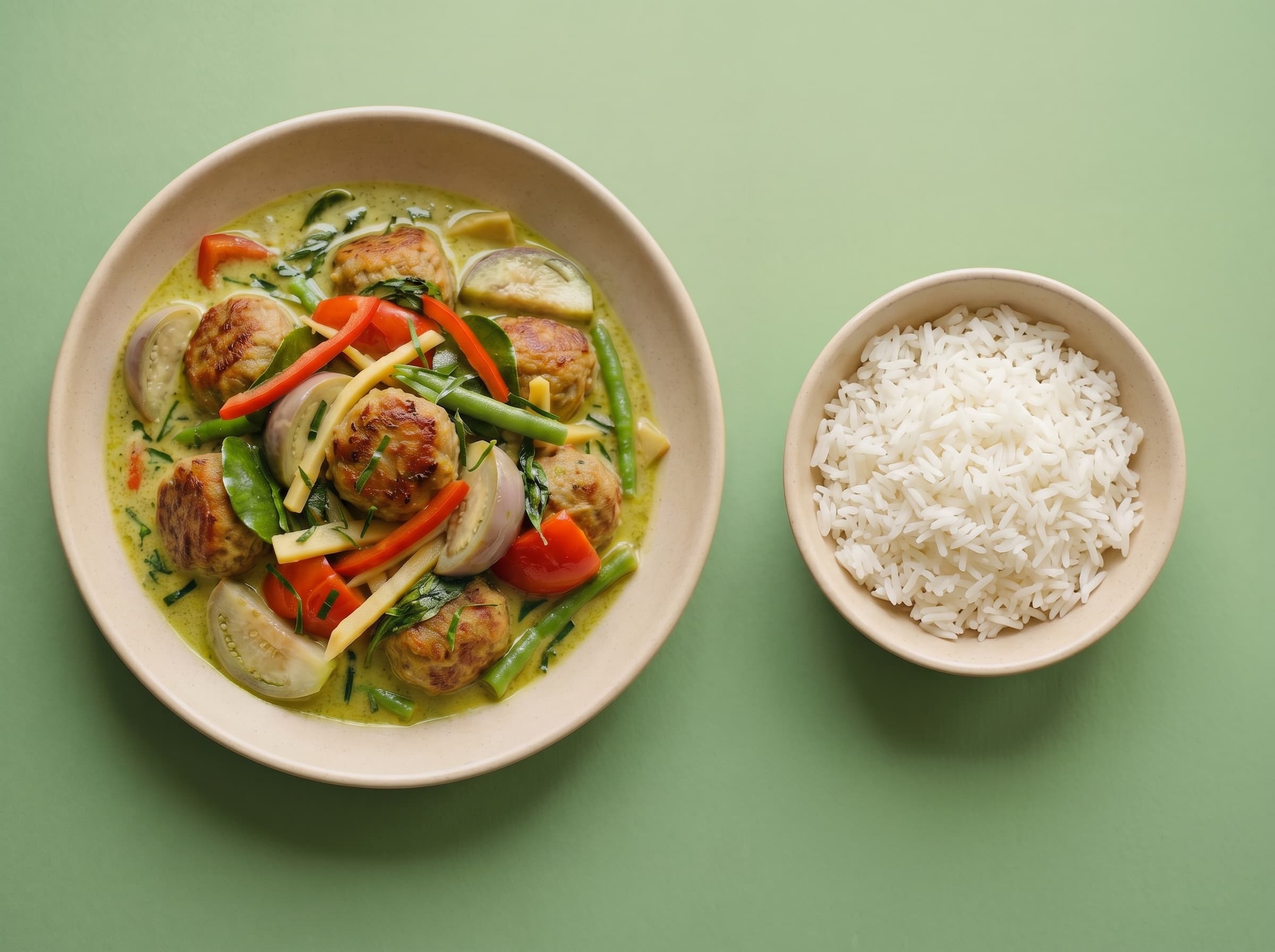 From our menuGreen Curry with Meatballs€16.95 · Made by us, delivered chilled.
This Korean-inspired beef stew swaps tomato paste for spicy, fermented gochujang, creating deep umami flavors through slow braising. You'll master browning meat, sweating aromatics in the drippings, and deglazing with red wine. The dish takes about 2.5 hours and serves 4-6 people, finished with a bright marinated scallion topping that cuts through the richness.
Recipe by Christophe Rammant
Cordon Bleu Paris alumni - Two star Michelin kitchen experience
How Does Gochujang Transform a Traditional Beef Stew?
Traditional French braising techniques meet Korean fermentation science in this fusion dish. By browning the meat first, you create a foundation of savory compounds (Maillard reaction) that the vegetables then absorb as they sweat in the rendered fat.
Professional chefs know that toasting the gochujang with the meat removes its raw edge and caramelizes its natural sugars. This creates deeper, rounder flavors than adding it at the end. The brief high heat also helps the paste coat the beef, ensuring every bite carries that signature spicy-sweet punch.
Food science shows that slow simmering at gentle heat breaks down tough collagen in stew meat into silky gelatin. Combined with the wine's acidity and the paste's fermented complexity, you get a sauce that's both rich and bright—the hallmark of restaurant-quality stews.
The weekly recipe note
Enjoyed this recipe? Get the next one first.
One new recipe each week from Christophe: global flavor, French technique, and practical home-cook timing.
By signing up, you agree to receive emails from Mr. Saucy.
Ingredients
Recipe yields 4-6 servings
For the Stew
| Amount | Ingredient | Notes |
|---|---|---|
| 900 g (2 lbs) | beef stew meat | cut into bite-sized cubes |
| 60 g (3 tablespoons) | gochujang (Korean chili paste) | used in place of tomato paste |
| 30 ml (2 tablespoons) | sesame oil | divided use |
| 4 cloves | garlic | minced |
| 1 medium | red onion | diced |
| 2 medium | shallots | diced |
| 1 bulb | fennel | sliced thin |
| 225 g (8 oz) | mushrooms | quartered |
| 240 ml (1 cup) | red wine | for deglazing |
| 1 L (4 cups) | beef stock | low-sodium preferred |
For the Scallion Topping
| Amount | Ingredient | Notes |
|---|---|---|
| 6 stalks | scallions | sliced thin on the bias |
| 15 ml (1 tablespoon) | sesame oil | — |
| 5 g (1 teaspoon) | Korean red chili pepper (gochugaru) | adjust to taste |
Instructions
Build the Flavor Base
- 1
Brown the Beef
Heat 1 tablespoon sesame oil in a heavy-bottomed pot or Dutch oven over medium-high heat. Add the beef cubes in batches, browning on all sides for 5-6 minutes total. Remove the beef from the pot and set aside. You're looking for a deep golden-brown color that creates fond (those flavorful browned bits) on the bottom of the pot.
- 2
Sweat the Aromatics
Reduce heat to medium. In the same pot with the rendered beef fat and oil, add the red onions, shallots, garlic, fennel, and mushrooms. Cook for 8-10 minutes, stirring occasionally, until softened and fragrant. Sweating the vegetables after the meat allows them to absorb the savory drippings and pick up the browned bits from the bottom.
Toast and Deglaze
- 3
Bloom the Gochujang
Return the beef to the pot. Reduce heat to medium-low and stir in the gochujang paste. Cook for 2-3 minutes, stirring constantly to coat the beef and vegetables. This brief toasting deepens the fermented flavor and caramelizes the natural sugars in the paste. Watch carefully—gochujang has high sugar content and can burn.
- 4
Deglaze With Wine
Pour in the red wine and immediately scrape the bottom of the pot with a wooden spoon to release any remaining fond. Let the wine bubble vigorously for 2-3 minutes to cook off the raw alcohol. The acidity in the wine helps dissolve those stuck-on flavor bombs and adds brightness.
Braise the Stew
- 5
Add Stock and Simmer Low
Pour in the beef stock and bring to a gentle simmer. Reduce heat to low, cover partially, and simmer for 1.5-2 hours until the beef is fork-tender. This slow, gentle heat breaks down the collagen in the beef into gelatin, creating a rich, velvety mouthfeel.
- 6
Check for Doneness
Test the beef by piercing with a fork—it should slide in easily. The sauce should reach a 'nappe' consistency, coating the back of a spoon. If too thin, simmer uncovered for 10-15 minutes more to concentrate the flavors.
Prepare the Topping
- 7
Marinate the Scallions
While the stew simmers, toss the sliced scallions with 1 tablespoon sesame oil and the gochugaru in a small bowl. Let this marinate for at least 30 minutes. The oil absorbs the chili's heat and the scallions soften slightly, creating a fresh, punchy contrast to the heavy stew.
- 8
Serve and Garnish
Ladle the stew into bowls and top generously with the marinated scallions. The contrast between the deeply savory, slow-cooked beef and the bright, spicy-fresh scallions is what makes this dish special.
The weekly recipe note
Enjoyed this recipe? Get the next one first.
One new recipe each week from Christophe: global flavor, French technique, and practical home-cook timing.
By signing up, you agree to receive emails from Mr. Saucy.
Tips & Tricks
your gochujang is burning:
Keep the heat at medium-low when stirring the paste into the aromatics. Gochujang has high sugar content and scorches quickly. Add your wine within 2-3 minutes to stop the cooking and prevent bitter, burnt flavors.
the stew is too spicy:
Stir in 1 teaspoon of brown sugar or honey. The sweetness balances the capsaicin heat and rounds out the flavor profile without making it taste dessert-like. You can also add a splash of cream for richness that tames the burn.
your beef is tough and chewy:
You boiled it too hard. The surface should show just a gentle 'smile' of barely visible bubbles—not a rolling boil. Lower your heat and give it more time. Tough meat needs patience, not high heat, to become tender.
you can't find gochujang:
Mix 2 tablespoons tomato paste with 1 tablespoon Sriracha and 1 teaspoon miso paste. This mimics the spicy, savory, and slightly sweet fermented profile, though it won't be quite as complex as the real thing.
the sauce is too thin:
Remove the lid and simmer for 15-20 minutes to evaporate excess liquid. Or make a slurry with 1 tablespoon cornstarch and 2 tablespoons cold water, stir it in, and simmer for 2 minutes until thickened.
you want to make this ahead:
The stew actually tastes better the next day as the flavors meld. Make it up to 3 days ahead, cool completely, and refrigerate covered. Reheat gently on the stovetop. Make the scallion topping fresh just before serving for the best texture and brightness.
your gochujang is burning:
Keep the heat at medium-low when stirring the paste into the aromatics. Gochujang has high sugar content and scorches quickly. Add your wine within 2-3 minutes to stop the cooking and prevent bitter, burnt flavors.
the stew is too spicy:
Stir in 1 teaspoon of brown sugar or honey. The sweetness balances the capsaicin heat and rounds out the flavor profile without making it taste dessert-like. You can also add a splash of cream for richness that tames the burn.
your beef is tough and chewy:
You boiled it too hard. The surface should show just a gentle 'smile' of barely visible bubbles—not a rolling boil. Lower your heat and give it more time. Tough meat needs patience, not high heat, to become tender.
you can't find gochujang:
Mix 2 tablespoons tomato paste with 1 tablespoon Sriracha and 1 teaspoon miso paste. This mimics the spicy, savory, and slightly sweet fermented profile, though it won't be quite as complex as the real thing.
the sauce is too thin:
Remove the lid and simmer for 15-20 minutes to evaporate excess liquid. Or make a slurry with 1 tablespoon cornstarch and 2 tablespoons cold water, stir it in, and simmer for 2 minutes until thickened.
you want to make this ahead:
The stew actually tastes better the next day as the flavors meld. Make it up to 3 days ahead, cool completely, and refrigerate covered. Reheat gently on the stovetop. Make the scallion topping fresh just before serving for the best texture and brightness.
Frequently Asked Questions
Can I make this stew in a slow cooker or Instant Pot?
Yes! For a slow cooker, do the browning and deglazing steps in a pan first, then transfer everything to the slow cooker and cook on low for 6-8 hours. In an Instant Pot, use the 'Sauté' function for the browning and aromatics, then pressure cook on 'Meat/Stew' for 35 minutes with natural pressure release.
What can I use if I can't find gochujang?
Mix 2 tablespoons tomato paste with 1 tablespoon Sriracha and 1 teaspoon miso paste. This combination mimics the spicy, savory, and slightly sweet fermented profile that gochujang brings to Korean-style beef stew, though it won't have quite the same depth of flavor.
Why use fennel in a Korean-inspired stew?
Fennel provides a subtle anise note that complements the earthy mushrooms and fermented chili paste beautifully. When braised, fennel loses its crunch and becomes sweet and tender, acting as a sophisticated flavor bridge between the red wine and the beef stock. It adds complexity without being overpowering.
How do I know when the sauce is reduced enough?
The sauce should reach 'nappe' consistency—thick enough to coat the back of a spoon. Run your finger through the coating on the spoon; if the line stays clear without the sauce running back together, it's perfectly reduced. If it's too thin, simmer uncovered for 10-15 more minutes.
Can I use a different cut of beef?
Yes! Chuck roast, short ribs, or brisket all work beautifully because they have enough fat and collagen to stay moist during long cooking. Avoid lean cuts like sirloin—they'll dry out and get tough. You want marbled meat that can handle 2 hours of gentle simmering.
What should I serve with this stew?
Steamed white rice is traditional and soaks up the flavorful sauce perfectly. You can also serve it with crusty bread, mashed potatoes, or Korean-style pickled vegetables (kimchi or pickled radish) to add more bright, acidic contrast to the rich stew.
How spicy is this dish?
It's moderately spicy—the gochujang brings warmth but not overwhelming heat. The sweetness in the paste and the slow cooking mellow the spice. If you're sensitive to heat, start with 2 tablespoons of gochujang and taste before adding more. You can always add heat but can't take it away.
Can I freeze leftovers?
Absolutely! Cool the stew completely and freeze in airtight containers for up to 3 months. Thaw overnight in the fridge and reheat gently on the stovetop, adding a splash of stock if needed. Don't freeze the scallion topping—make that fresh when you're ready to serve.
Can I make this stew in a slow cooker or Instant Pot?
Yes! For a slow cooker, do the browning and deglazing steps in a pan first, then transfer everything to the slow cooker and cook on low for 6-8 hours. In an Instant Pot, use the 'Sauté' function for the browning and aromatics, then pressure cook on 'Meat/Stew' for 35 minutes with natural pressure release.
What can I use if I can't find gochujang?
Mix 2 tablespoons tomato paste with 1 tablespoon Sriracha and 1 teaspoon miso paste. This combination mimics the spicy, savory, and slightly sweet fermented profile that gochujang brings to Korean-style beef stew, though it won't have quite the same depth of flavor.
Why use fennel in a Korean-inspired stew?
Fennel provides a subtle anise note that complements the earthy mushrooms and fermented chili paste beautifully. When braised, fennel loses its crunch and becomes sweet and tender, acting as a sophisticated flavor bridge between the red wine and the beef stock. It adds complexity without being overpowering.
How do I know when the sauce is reduced enough?
The sauce should reach 'nappe' consistency—thick enough to coat the back of a spoon. Run your finger through the coating on the spoon; if the line stays clear without the sauce running back together, it's perfectly reduced. If it's too thin, simmer uncovered for 10-15 more minutes.
Can I use a different cut of beef?
Yes! Chuck roast, short ribs, or brisket all work beautifully because they have enough fat and collagen to stay moist during long cooking. Avoid lean cuts like sirloin—they'll dry out and get tough. You want marbled meat that can handle 2 hours of gentle simmering.
What should I serve with this stew?
Steamed white rice is traditional and soaks up the flavorful sauce perfectly. You can also serve it with crusty bread, mashed potatoes, or Korean-style pickled vegetables (kimchi or pickled radish) to add more bright, acidic contrast to the rich stew.
How spicy is this dish?
It's moderately spicy—the gochujang brings warmth but not overwhelming heat. The sweetness in the paste and the slow cooking mellow the spice. If you're sensitive to heat, start with 2 tablespoons of gochujang and taste before adding more. You can always add heat but can't take it away.
Can I freeze leftovers?
Absolutely! Cool the stew completely and freeze in airtight containers for up to 3 months. Thaw overnight in the fridge and reheat gently on the stovetop, adding a splash of stock if needed. Don't freeze the scallion topping—make that fresh when you're ready to serve.
Recipe Reviews
No reviews yet — Be the first to review this recipe!
The collection
All recipes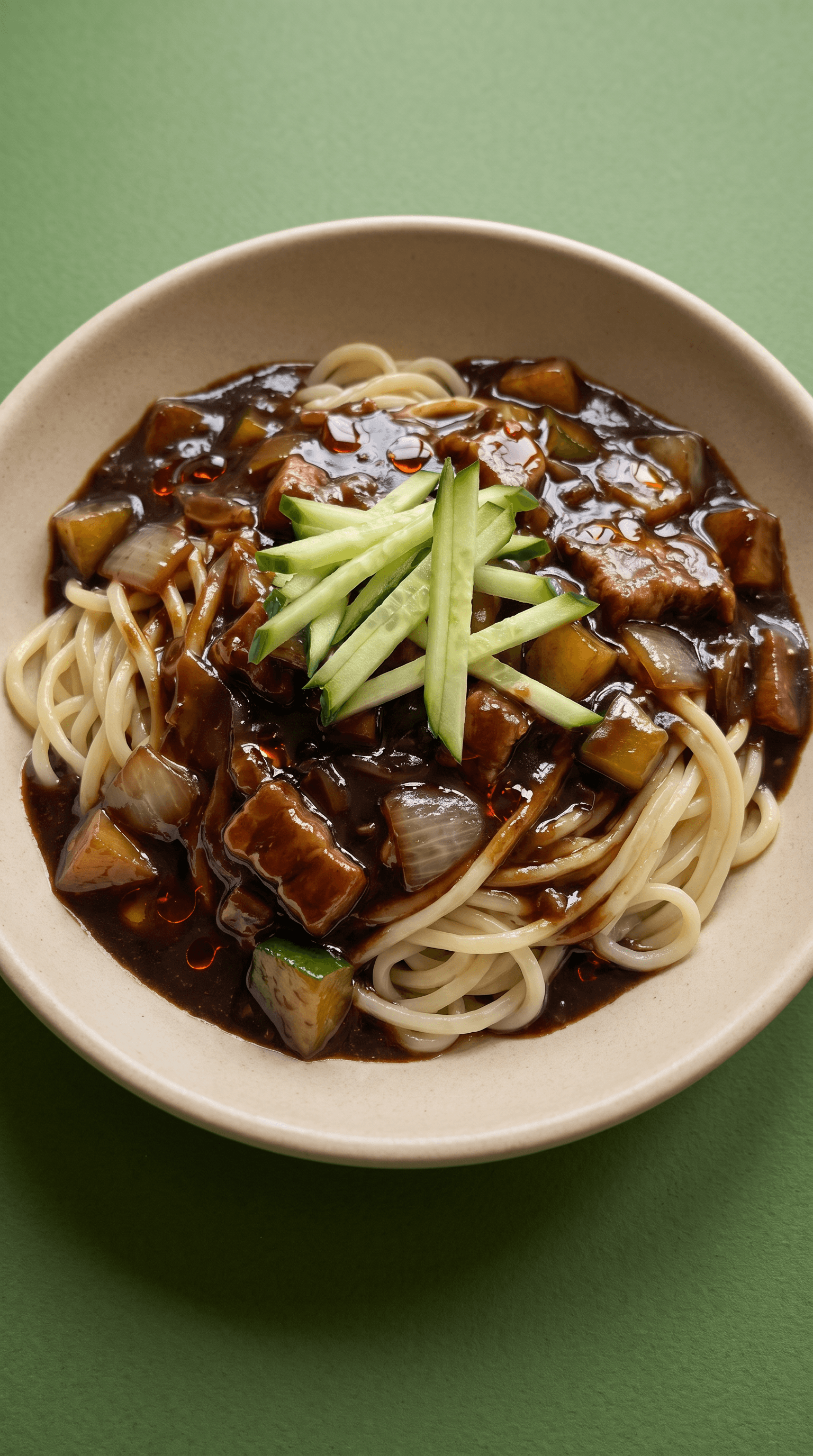
Black Bean Noodles with Pork (Jajangmyeon)
Jajangmyeon is Korea's favorite comfort noodle dish—thick wheat noodles smothered in a glossy black bean sauce with tender pork and vegetables. The secret is frying the fermented paste first to remove bitterness, then slow-caramelizing onions for sweetness. Ready in about an hour, this recipe serves 4 and tastes even better than your favorite Korean restaurant.
60 min · Intermediate · South Korea
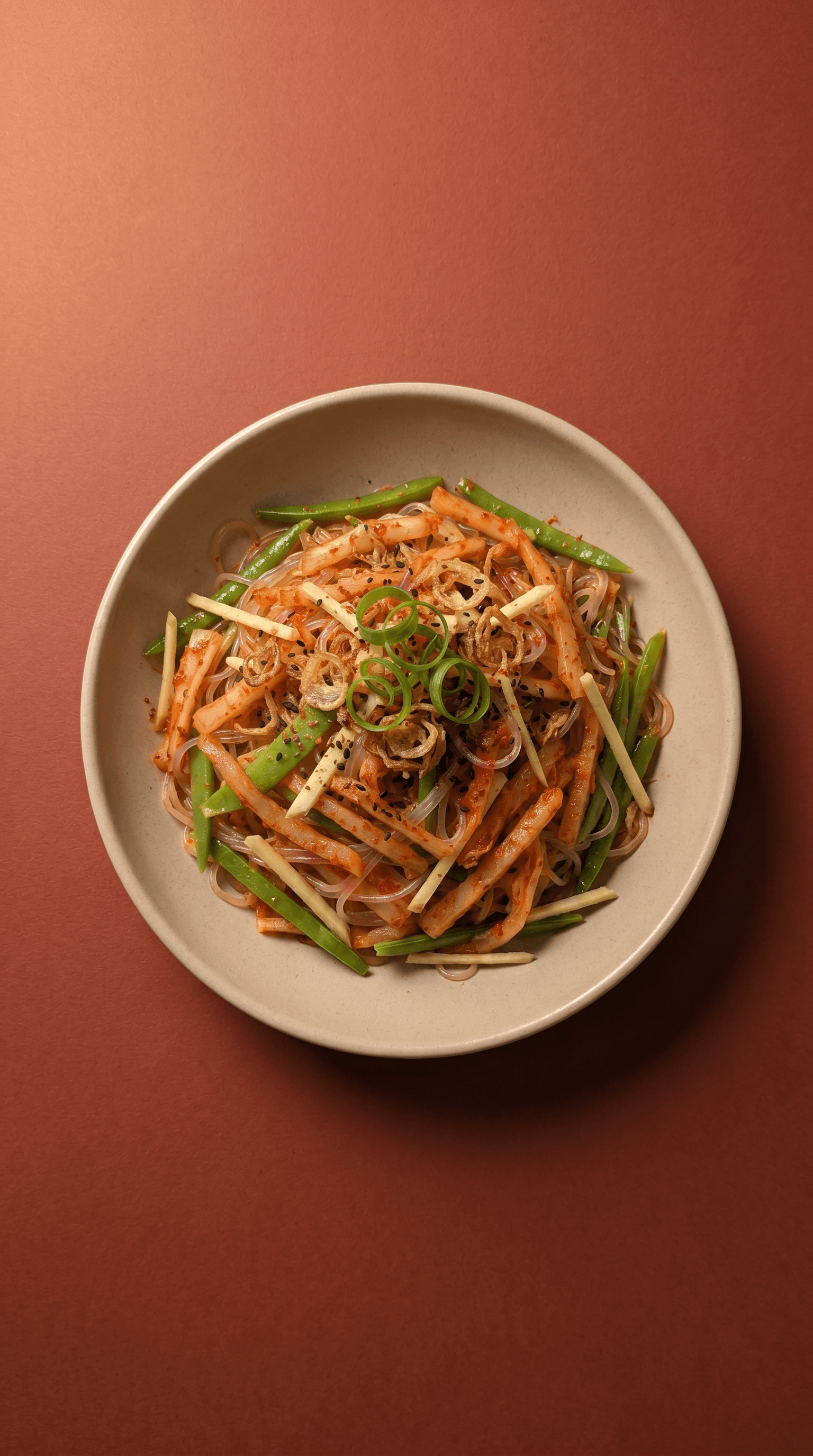
Julienned Kimchi and Glass Noodle Salad with Ginger-Syrup Vinaigrette
This Korean-fusion salad combines chewy glass noodles with tangy kimchi and sweet ginger in a refreshing cold dish. The key technique is cutting everything into thin matchsticks so each bite has perfect balance. Ready in 30 minutes, it serves 4 as a light starter or side dish that wakes up your taste buds.
30 min · Intermediate · South Korea
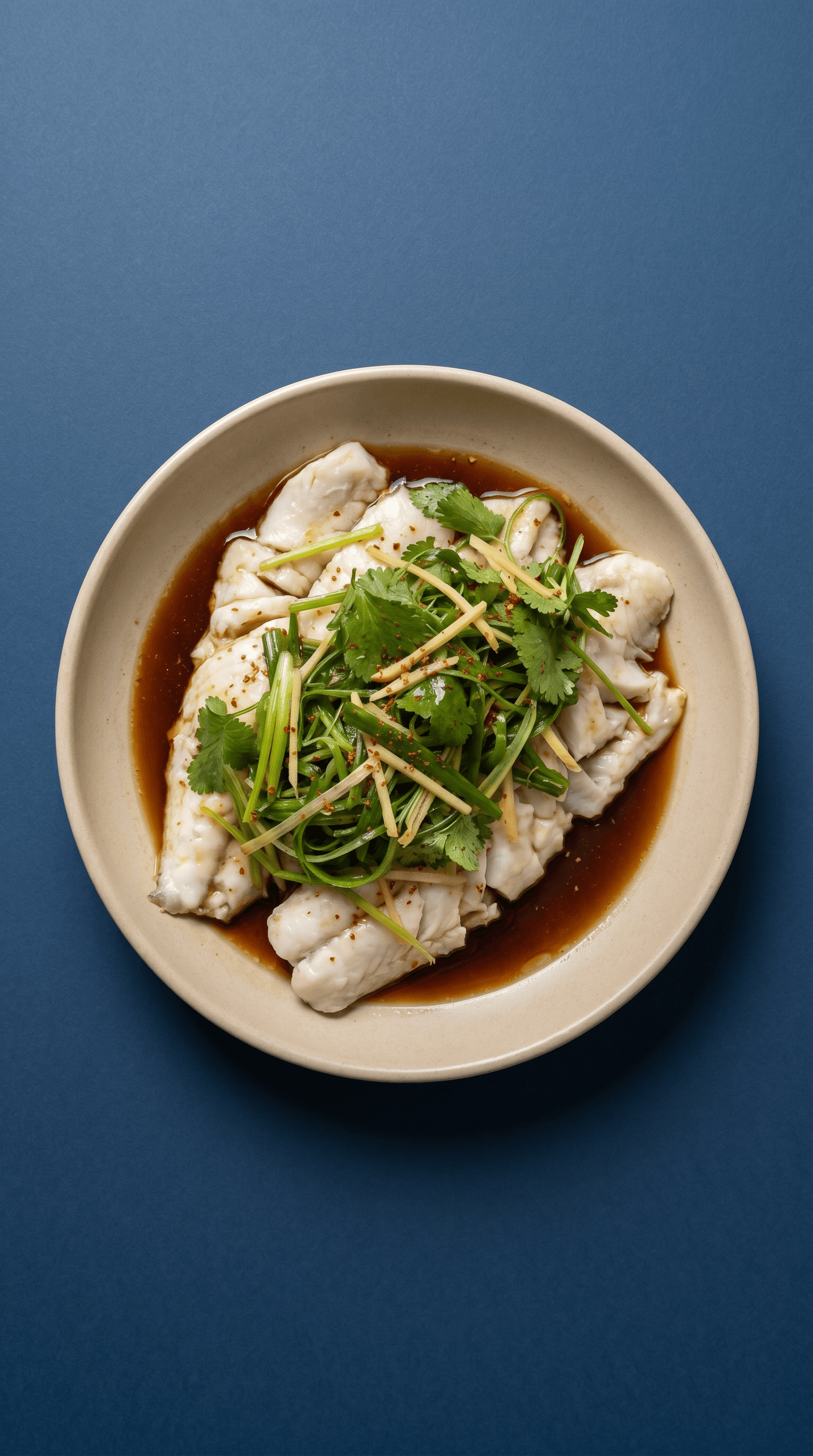
Sake-Steamed Sea Bream with Ginger-Scallion Sizzle and Gochugaru Infusion
This is a light, elegant steamed fish dish that combines Japanese sake-steaming with Korean aromatics. Fresh sea bream gets gently cooked in sake vapors, then topped with crispy scallions, ginger, and cilantro that get flash-cooked with sizzling hot oil. The whole dish takes just 25 minutes and serves 4 people with restaurant-quality results.
25 min · Intermediate · South Korea