


Gochujang-Braised Pork Cheeks 'Grand Veneur' with Ginger-Scallion Gremolata
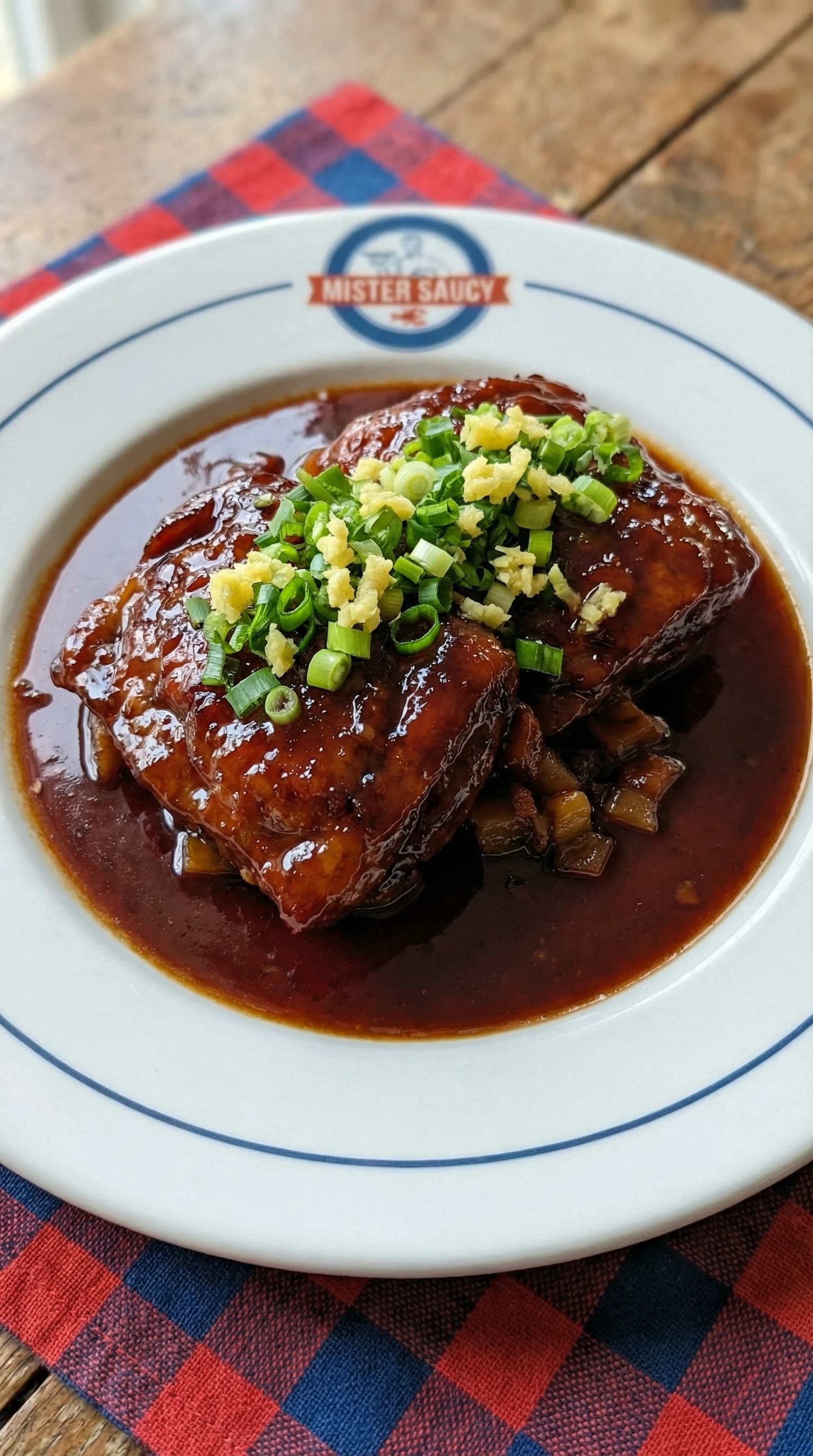
This is a special-occasion dish that turns pork cheeks melt-in-your-mouth tender through slow braising. The secret is combining French wine-braising with Korean chili paste for deep, complex flavor, then finishing with a bright ginger topping. Plan for 3.5 hours total, with most of that being hands-off oven time. Serves 4-5 people.

Recipe by Mr Saucy aka Christophe
Christophe is a culinary professional with expertise in French and global cuisine. He has developed recipes and cooking techniques that bridge traditional methods with modern home cooking approaches. Christophe focuses on making classic culinary techniques accessible to home cooks through clear instruction and practical applications. He studied at Le Cordon Bleu Paris and has work experience at a two star Michelin restaurant.
Homecook turned pro with a Cordon Bleu Paris graduate
Quick Info
How Does This Create Restaurant-Quality Tenderness and Flavor?
Traditional French technique shows that pork cheeks have more collagen than regular cuts. When you braise them low and slow at 300°F / 150°C for 3 hours, that tough connective tissue melts into silky gelatin that coats your mouth.
Professional chefs know that toasting the gochujang before adding liquid mellows its raw bite and develops smoky, caramelized notes. This step transforms the paste from sharp heat into deep, rounded spice that plays well with the wine.
Food science shows that the final butter whisk—called 'monter au beurre' in French kitchens—creates an emulsion that makes the sauce glossy and smooth. The cold butter also tames the wine's acidity and balances the chili's heat, giving you that luxurious finish you'd get at a high-end restaurant.
Ingredients
Recipe yields 4-5 servings
For the Braise
| Amount | Ingredient | Notes |
|---|---|---|
| 1200 g (about 2.6 lbs) | pork cheeks | trimmed of excess silver skin; approximately 4-5 per person; season with salt |
| 80 g (1/3 cup) | gochujang (Korean chili paste) | provides fermented depth and heat |
| 500 g (2 cups) | dry red wine | Pinot Noir or Burgundy for classical French braising base |
| 600 g (2.5 cups) | veal or beef bone stock | high gelatin content for a glossy finish |
| 300 g (about 2 cups) | mirepoix (carrots, celery, onion) | finely diced for flavor extraction |
| 45 g (3 tablespoons) | soy sauce (Jin Ganjang) | for umami and seasoning |
| 30 g (2 tablespoons) | mirin | to balance the acidity of the wine |
| 30 g (2 tablespoons) | neutral oil | for searing |
For Finishing
| Amount | Ingredient | Notes |
|---|---|---|
| 60 g (4 tablespoons) | unsalted butter | cold, cubed for 'monter au beurre' |
For the Gremolata
| Amount | Ingredient | Notes |
|---|---|---|
| 20 g (1 tablespoon) | fresh ginger | finely minced |
| 40 g (about 3 scallions) | scallions | finely sliced |
| 5 g (1 teaspoon) | lemon zest | to brighten the heavy braise |
Instructions
Build the Foundation
- 1
Sear the Pork Cheeks (The Flavor Base)
Heat the neutral oil in a heavy Dutch oven over high heat until it shimmers. Sear the pork cheeks (seasoned with salt) on all sides until a deep brown crust forms—this is the Maillard reaction creating hundreds of flavor compounds that become the foundation of your sauce. Don't rush this step; good color means good flavor.
- 2
Cook the Vegetables
Remove the meat and set aside. Add the diced mirepoix to the same pot and sauté over medium heat for 5-7 minutes until softened and starting to color. The vegetables will pick up all those browned bits from the bottom.
- 3
Toast the Gochujang (Mellow the Heat)
Stir in the gochujang and cook for 2 minutes, stirring constantly. This toasting step is crucial—it mellows the raw, sharp edge of the paste and develops smoky, caramelized notes that make the final sauce complex instead of just spicy.
The Braise
- 4
Deglaze with Wine
Pour in the red wine and scrape the bottom of the pot with a wooden spoon to release all the stuck-on bits (the fond). These bits are pure concentrated flavor. Let the wine reduce by half—about 8-10 minutes—to concentrate the acidity and natural sugars.
- 5
Braise Low and Slow
Return the pork cheeks to the pot. Add the stock, soy sauce, and mirin. Bring to a boil, skim off excess fat. Cover with a tight-fitting lid and transfer to a 300°F / 150°C oven. Braise for 3 hours until the meat is fork-tender and the collagen has fully transformed into gelatin. The gentle, even heat of the oven does the work for you.
Finish and Serve
- 6
Strain and Reduce the Sauce
Remove the cheeks and keep warm. Strain the braising liquid through a fine-mesh sieve (chinois if you have one) into a clean saucepan, pressing on the solids to extract all the flavor. Discard the solids. Bring the liquid to a rapid boil and reduce until it coats the back of a spoon—this is called nappe consistency and means the sauce is thick enough to cling to the meat.
- 7
Whisk in the Butter (French Technique)
Remove the sauce from heat. Whisk in the cold butter cubes one at a time until fully incorporated and the sauce looks glossy and smooth. This French technique called 'monter au beurre' creates an emulsion that gives the sauce a luxurious, silky texture and balances the heat and acidity.
- 8
Make the Gremolata and Plate
Combine the minced ginger, sliced scallions, and lemon zest in a small bowl. Spoon the sauce over the pork cheeks and sprinkle the fresh gremolata on top. The bright, aromatic topping cuts through the rich, deep flavors of the braise and wakes up your palate.
Tips & Tricks
If your sauce is too spicy: Stir in a teaspoon of honey. The sugar helps neutralize the capsaicin in the gochujang and balances the heat without making the sauce sweet.
If the pork cheeks feel tough after 3 hours: They simply haven't cooked long enough. Pork cheeks are high in connective tissue and need time to break down. Give them another 30 minutes in the oven and check again.
If you want to make this ahead: Braise the meat a day in advance and refrigerate it in the sauce. The flavors harmonize overnight, and you can easily skim off the solidified fat from the top before reheating gently.
If you don't have a chinois or fine-mesh sieve: Line a regular strainer with a double layer of cheesecloth. It takes a bit longer but gives you the same smooth, debris-free sauce that the 'Grand Veneur' style demands.
If the sauce won't thicken: Keep reducing it over medium-high heat with the lid off. The water needs to evaporate to concentrate the gelatin and sugars. Be patient—it can take 10-15 minutes of active boiling.
Frequently Asked Questions
Why use pork cheeks instead of shoulder?
Pork cheeks contain a higher concentration of collagen than shoulder. When braised, this collagen melts into gelatin, providing a unique sticky mouthfeel and a richer sauce that's characteristic of high-end French bistro cooking. The texture is more luxurious and tender.
Can I use a different chili paste?
Not really. Gochujang is fermented with glutinous rice, which gives it a thick texture and sweet-savory profile that's essential to this dish. Substituting with Sriracha or chili flakes will lack the necessary body and depth for this specific fusion sauce.
What should I serve this with?
A silky potato purée (Robuchon style) or simple steamed short-grain rice works best. You want something that soaks up the intense sauce without competing with the complex flavors. Avoid anything too acidic or heavily seasoned.
Why add butter at the end?
This is the French technique called 'monter au beurre.' It thickens the sauce slightly, adds a professional sheen, and mellows the sharp acidity of the wine and the heat of the chili. It's what makes restaurant sauces taste so much richer than home-cooked ones.
Can I make this in a slow cooker?
Yes, but you'll still need to sear the meat and reduce the sauce on the stovetop. After deglazing, transfer everything to a slow cooker and cook on low for 6-7 hours. The oven gives more even heat, but a slow cooker works if that's what you have.
How do I know when the sauce is thick enough?
Dip a spoon in the sauce and run your finger across the back. If the line holds and doesn't run, you've reached nappe consistency. The sauce should coat the spoon like a thin glaze, not drip off like water.
What if I can't find pork cheeks?
Ask your butcher—they often have them but don't display them. If truly unavailable, use pork shoulder cut into large chunks. The texture won't be quite as silky, but the flavor will still be excellent. Braise for the same amount of time.
Do I have to use Pinot Noir?
Pinot Noir or Burgundy gives the most authentic French flavor, but any dry red wine works. Avoid anything too tannic or heavy like Cabernet—it can make the sauce bitter. A medium-bodied Merlot or Côtes du Rhône is a good alternative.