Gochujang and Spiced Vinegar Belgian Beef Carbonnade
3 hrs 30 min · Medium · Serves 6
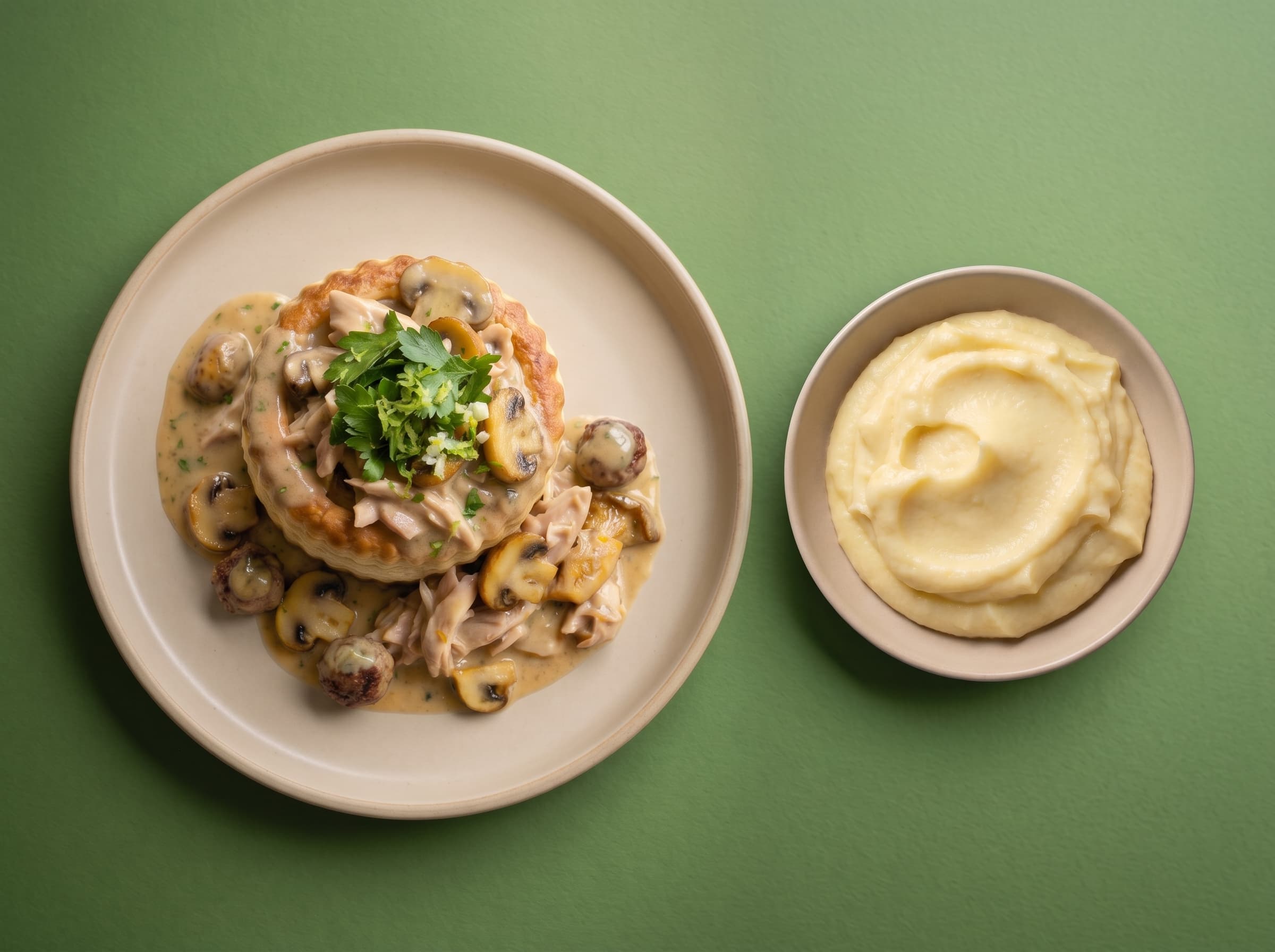 From our menuVol-au-Vent East meets West€19.95 · Made by us, delivered chilled.
This is a Belgian beef stew reimagined with Korean and Filipino flavors. Tender beef chunks braise slowly in dark beer with gochujang (Korean chili paste) and spiced vinegar, creating a rich, glossy sauce with deep umami. The whole dish takes about 3.5 hours and serves 6 people generously.
Recipe by Christophe Rammant
Cordon Bleu Paris alumni - Two star Michelin kitchen experience
How Does This Create Such Deep, Complex Flavor?
Traditional French technique shows that searing meat until dark brown creates hundreds of new flavor compounds through the Maillard reaction. This caramelization becomes the foundation that supports all the other flavors in the stew.
Food science shows that fermented ingredients like gochujang and soy sauce contain natural glutamates—the same compounds that make aged cheese and mushrooms taste so savory. When you combine them with the malty sweetness of Belgian beer, you get layers of umami that regular wine-based stews can't match.
Professional chefs know that finishing a sauce with cold butter (called Beurre Monté) creates a stable, glossy emulsion. The butter doesn't just add richness—it coats your tongue and makes every flavor linger longer, turning a good stew into something restaurant-quality.
Estimated nutrition per serving
Estimated from ingredient weights, not lab-tested.
- Calories
- 746
- Protein
- 38g
- Fat
- 52g
- Carbohydrates
- 23g
The weekly recipe note
Enjoyed this recipe? Get the next one first.
One new recipe each week from Christophe: global flavor, French technique, and practical home-cook timing.
By signing up, you agree to receive emails from Mr. Saucy.
Ingredients
Recipe yields 6 servings
For the Stew
| Amount | Ingredient | Notes |
|---|---|---|
| 1200 g (2.6 lbs) | beef chuck or shin | cut into 4 cm (1.5 inch) cubes—well-marbled meat provides the best gelatinous texture |
| 600 g (about 4 medium) | yellow onions | thinly sliced—onions provide the body and sweetness of the sauce |
| 660 ml (2 standard bottles) | Belgian brown ale | such as Chimay Blue or Leffe Brune—avoid overly hoppy beers which turn bitter |
| 45 g (3 tablespoons) | gochujang (Korean chili paste) | adds fermented depth and a subtle creeping heat |
| 30 g (2 tablespoons) | tomato paste | adds acidity and helps achieve a deep, dark mahogany color |
| 40 g (1/3 cup) | all-purpose flour | to dust the seared meat and thicken the sauce |
| 40 ml (2.5 tablespoons) | Filipino spiced vinegar (Pinakurat) | provides essential acidity and garlic-chili aromatics |
| 30 ml (2 tablespoons) | dark soy sauce | replaces salt to add umami and a deep mahogany color |
| 400 ml (1.75 cups) | beef stock | low sodium—to ensure the meat is fully submerged |
| 30 g (2 tablespoons) | Dijon mustard | stirred directly into the sauce for tang |
| 15 g (3 large cloves) | garlic | minced |
| 5 g (small bundle) | thyme sprigs and bay leaves | tied together for easy removal |
| 45 ml (3 tablespoons) | beef tallow or vegetable oil | for high-heat searing |
For the Finish
| Amount | Ingredient | Notes |
|---|---|---|
| 30 g (2 tablespoons) | unsalted butter | cold and cubed—for the Beurre Monté finish to create a glossy emulsion |
Instructions
Sear the Beef (Build the Flavor Foundation)
- 1
Dry the Beef Completely
Pat the beef cubes completely dry with paper towels. Any moisture on the surface prevents the Maillard reaction—that's the chemical process that creates deep brown color and savory flavor. Wet meat steams instead of sears.
- 2
Sear in Batches Until Dark Brown
Heat the beef tallow or oil in a heavy-bottomed Dutch oven over high heat until it shimmers (about 400°F / 204°C). Sear the beef in batches—don't crowd the pan—until a dark brown crust forms on all sides, about 8-10 minutes per batch. This caramelization creates the foundation of the stew's flavor profile.
- 3
Remove and Set Aside
Transfer the seared beef to a plate and set aside. Leave all the browned bits (fond) stuck to the bottom of the pot—that's pure flavor you'll use later.
Build the Sauce Base
- 4
Caramelize the Onions
Add the sliced onions to the same pot over medium heat. Cook slowly, stirring occasionally, until they're soft and deep golden brown, about 15-20 minutes. The natural sugars in the onions caramelize and add sweetness that balances the heat from the gochujang.
- 5
Toast the Pastes and Garlic
Stir in the gochujang, tomato paste, and minced garlic. Cook for 2-3 minutes, stirring constantly, until the pastes darken and smell toasted. This intensifies the color and 'wakes up' the flavors—raw paste tastes flat, but toasted paste becomes complex and aromatic.
- 6
Deglaze with Vinegar
Pour in the Filipino spiced vinegar and scrape the bottom of the pot vigorously with a wooden spoon. All those stuck-on brown bits (fond) dissolve into the liquid, adding concentrated meaty flavor. Let it bubble for 30 seconds to cook off the harsh vinegar edge.
Braise the Stew
- 7
Coat the Meat with Flour
Return the seared beef to the pot and sprinkle with the flour. Stir for 2 minutes to cook out the raw flour taste and coat the meat and aromatics. This technique (called 'singeing' in French cooking) creates a stable thickness that won't separate during the long braise.
- 8
Add Liquids and Aromatics
Pour in the Belgian beer, beef stock, soy sauce, and Dijon mustard. Add the tied bundle of thyme and bay leaves. The liquid should just cover the meat—if it doesn't, add a splash more stock. Stir everything together to combine.
- 9
Braise Low and Slow
Bring to a gentle simmer, then reduce heat to very low (or transfer to a 150°C / 300°F oven). Cover and cook for 2.5 to 3 hours. The meat is done when it yields easily to a fork and almost falls apart. Low, gentle heat breaks down the tough connective tissue into silky gelatin without drying out the meat.
Finish with Butter Emulsion
- 10
Create the Glossy Finish
Remove the pot from heat and discard the herb bundle. Let the stew cool for 2-3 minutes until it's no longer boiling (around 180°F / 82°C). Using the Beurre Monté method, whisk in the cold cubed butter one piece at a time until the sauce is glossy and emulsified. The butter creates a creamy, restaurant-quality sheen that coats every piece of meat.
The weekly recipe note
Enjoyed this recipe? Get the next one first.
One new recipe each week from Christophe: global flavor, French technique, and practical home-cook timing.
By signing up, you agree to receive emails from Mr. Saucy.
Tips & Tricks
you're worried about the dish being too salty:
Wait to season with extra salt until the very end. The soy sauce and the reduction process concentrate the salinity significantly—taste first, then adjust.
your sauce looks thin or watery:
Remove the lid for the last 30 minutes of cooking. The extra evaporation thickens the sauce naturally. You can also mash a few pieces of the softened onion into the liquid to add body.
the butter breaks and looks greasy instead of glossy:
The sauce was too hot. Remove from heat completely and let it cool for 3-4 minutes, then try whisking in the butter again. The emulsion needs gentle warmth, not boiling heat.
you want even deeper flavor:
Make this stew one day in advance. Overnight refrigeration allows the complex sugars from the beer and the heat from the gochujang to meld and mellow. Reheat gently before serving.
you don't have a Dutch oven:
Use any heavy-bottomed pot with a tight-fitting lid. You can also sear on the stovetop, then transfer everything to a deep baking dish covered tightly with foil for the oven braise.
the gochujang is too spicy for your family:
Cut the amount in half (use 22 g / 1.5 tablespoons). You'll still get the fermented depth and color without the creeping heat. The sweetness from the onions and beer will balance it out.
you're worried about the dish being too salty:
Wait to season with extra salt until the very end. The soy sauce and the reduction process concentrate the salinity significantly—taste first, then adjust.
your sauce looks thin or watery:
Remove the lid for the last 30 minutes of cooking. The extra evaporation thickens the sauce naturally. You can also mash a few pieces of the softened onion into the liquid to add body.
the butter breaks and looks greasy instead of glossy:
The sauce was too hot. Remove from heat completely and let it cool for 3-4 minutes, then try whisking in the butter again. The emulsion needs gentle warmth, not boiling heat.
you want even deeper flavor:
Make this stew one day in advance. Overnight refrigeration allows the complex sugars from the beer and the heat from the gochujang to meld and mellow. Reheat gently before serving.
you don't have a Dutch oven:
Use any heavy-bottomed pot with a tight-fitting lid. You can also sear on the stovetop, then transfer everything to a deep baking dish covered tightly with foil for the oven braise.
the gochujang is too spicy for your family:
Cut the amount in half (use 22 g / 1.5 tablespoons). You'll still get the fermented depth and color without the creeping heat. The sweetness from the onions and beer will balance it out.
Frequently Asked Questions
Can I use a different type of vinegar?
Yes! While Filipino spiced vinegar adds a unique garlic-chili kick, you can substitute it with a mix of apple cider vinegar, a pinch of chili flakes, and a crushed garlic clove. Use the same amount (40 ml / 2.5 tablespoons) and you'll get similar brightness and tang.
Why did we use flour instead of traditional gingerbread?
Sprinkling the meat with flour (a technique called 'singeing' in French cooking) provides stable thickness throughout the cooking process. The final butter addition adds professional gloss and richness. Flour is also easier to find and gives you more control over the texture.
Is the gochujang too spicy for this dish?
Not at all. When diluted in nearly a liter of liquid and balanced by the sweetness of the caramelized onions and the maltiness of the beer, it provides a warm background hum rather than sharp heat. Most people describe it as 'warming' rather than 'spicy.'
What is the Beurre Monté method?
It's a French technique where you whisk cold butter into a hot sauce at the very end of cooking. The butter emulsifies (blends smoothly) into the liquid, creating a creamy, glossy finish that enhances the mouthfeel and makes every flavor linger longer on your tongue.
Can I make this ahead of time?
Absolutely! This stew actually tastes better the next day. Make it completely, let it cool, then refrigerate covered for up to 3 days. The flavors deepen and meld overnight. Reheat gently on the stovetop over low heat, adding a splash of stock if it's too thick.
What should I serve this with?
Traditional Belgian carbonnade is served over egg noodles, mashed potatoes, or crusty bread to soak up the rich sauce. Steamed rice also works beautifully given the Asian flavors. A simple green salad with a sharp vinaigrette cuts through the richness nicely.
Can I use a different cut of beef?
Yes, but stick with tough, well-marbled cuts that benefit from long braising. Beef short ribs, brisket, or oxtail all work wonderfully. Avoid lean cuts like sirloin—they'll dry out during the long cooking time and won't develop that fall-apart tenderness.
What if I can't find Belgian brown ale?
Look for any malty, slightly sweet dark beer. English brown ales, Scottish ales, or even a good stout work well. Avoid IPAs or very hoppy beers—the bitterness intensifies during cooking and can make the sauce taste harsh and unpleasant.
Can I use a different type of vinegar?
Yes! While Filipino spiced vinegar adds a unique garlic-chili kick, you can substitute it with a mix of apple cider vinegar, a pinch of chili flakes, and a crushed garlic clove. Use the same amount (40 ml / 2.5 tablespoons) and you'll get similar brightness and tang.
Why did we use flour instead of traditional gingerbread?
Sprinkling the meat with flour (a technique called 'singeing' in French cooking) provides stable thickness throughout the cooking process. The final butter addition adds professional gloss and richness. Flour is also easier to find and gives you more control over the texture.
Is the gochujang too spicy for this dish?
Not at all. When diluted in nearly a liter of liquid and balanced by the sweetness of the caramelized onions and the maltiness of the beer, it provides a warm background hum rather than sharp heat. Most people describe it as 'warming' rather than 'spicy.'
What is the Beurre Monté method?
It's a French technique where you whisk cold butter into a hot sauce at the very end of cooking. The butter emulsifies (blends smoothly) into the liquid, creating a creamy, glossy finish that enhances the mouthfeel and makes every flavor linger longer on your tongue.
Can I make this ahead of time?
Absolutely! This stew actually tastes better the next day. Make it completely, let it cool, then refrigerate covered for up to 3 days. The flavors deepen and meld overnight. Reheat gently on the stovetop over low heat, adding a splash of stock if it's too thick.
What should I serve this with?
Traditional Belgian carbonnade is served over egg noodles, mashed potatoes, or crusty bread to soak up the rich sauce. Steamed rice also works beautifully given the Asian flavors. A simple green salad with a sharp vinaigrette cuts through the richness nicely.
Can I use a different cut of beef?
Yes, but stick with tough, well-marbled cuts that benefit from long braising. Beef short ribs, brisket, or oxtail all work wonderfully. Avoid lean cuts like sirloin—they'll dry out during the long cooking time and won't develop that fall-apart tenderness.
What if I can't find Belgian brown ale?
Look for any malty, slightly sweet dark beer. English brown ales, Scottish ales, or even a good stout work well. Avoid IPAs or very hoppy beers—the bitterness intensifies during cooking and can make the sauce taste harsh and unpleasant.
Recipe Reviews
No reviews yet — Be the first to review this recipe!
The collection
All recipesVenison Fillet Recipe with Blackberry Juniper Jus
This venison fillet recipe gives you tender, rosy meat with a quick sear and gentle roasting. Serve it with silky celeriac mousseline, honey-glazed carrots, blackberry-juniper jus, and crisp hazelnuts. Plan about 3 hours for cooking and resting, plus advance chilling if you dry-season the venison overnight. It serves 4.
180 min · Intermediate · Belgium
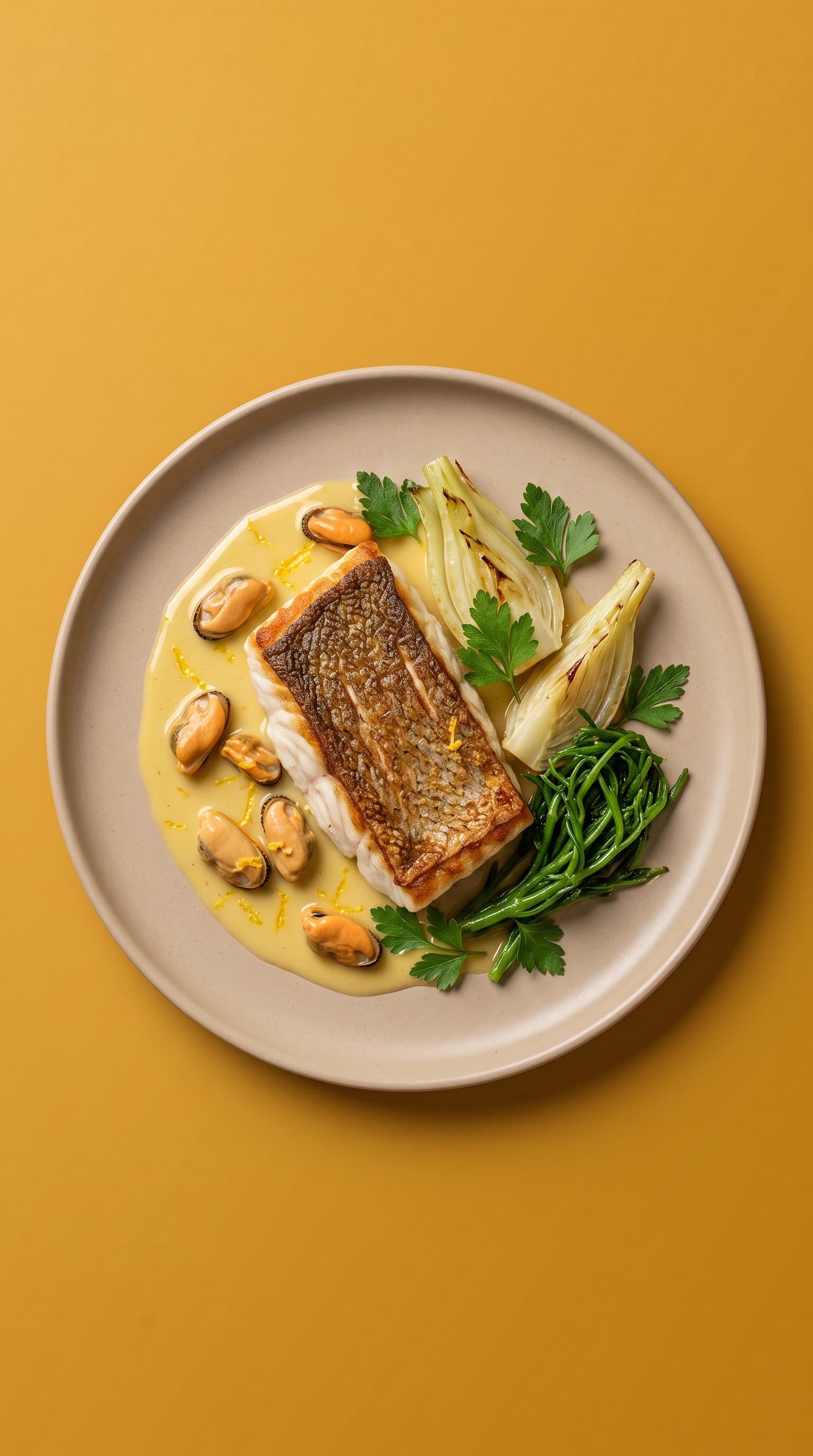
John Dory Recipe with Saffron Mussel Sauce
This John Dory recipe pairs crisp, golden skin with sweet confit fennel, tender sea aster, and a silky saffron mussel sauce. Steam the mussels first, reduce their liquor, and finish the sauce with cold butter. The dish takes about 1 hour 45 minutes and serves 4 for a special dinner.
105 min · Intermediate · Belgium
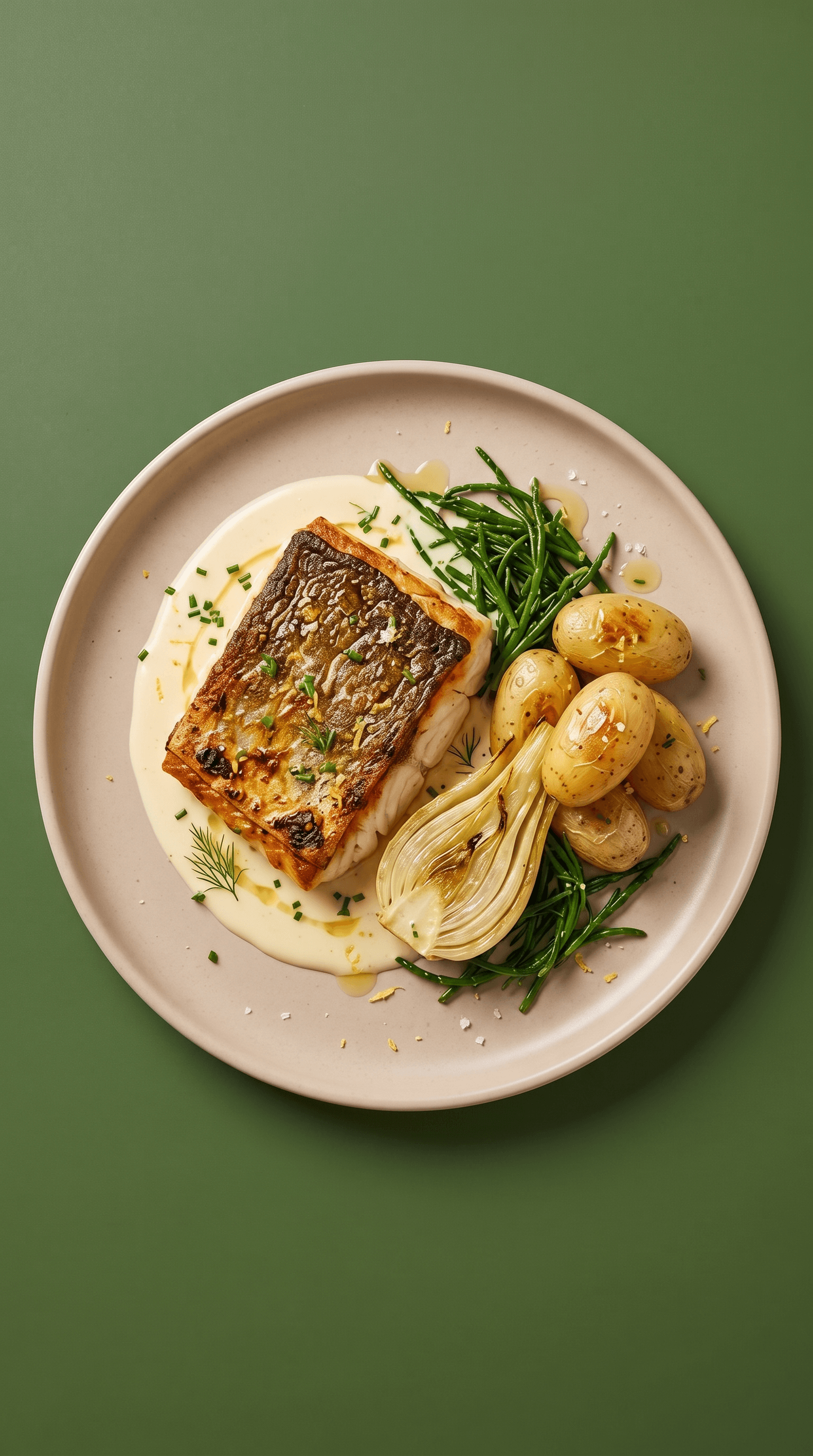
Roasted Turbot Recipe with Vermouth Beurre Blanc and Fennel
This roasted turbot recipe pairs a crisp-skinned, oven-finished fillet with a silky vermouth beurre blanc, buttery braised fennel, and confit-style baby potatoes. The trick is a hard sear for color, then a gentle 180°C / 356°F oven finish so the delicate flesh stays moist. It takes about 90 minutes total and serves 4.
90 min · Intermediate · Belgium