

Gochujang and Bone Marrow Spaghetti Bolognese
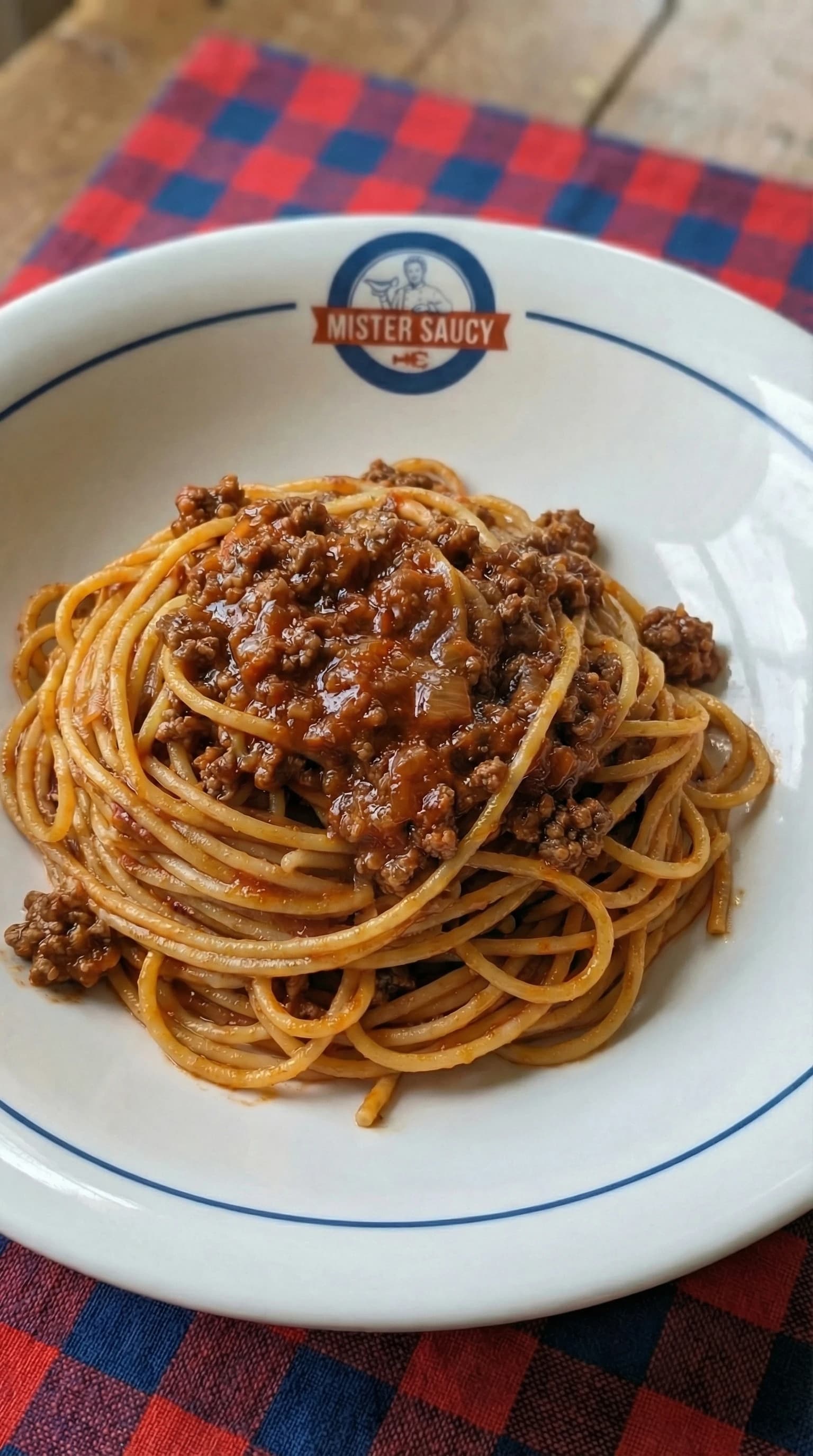
This is a bold twist on classic Italian Bolognese that brings together roasted bone marrow and Korean chili paste for incredible depth. By using a traditional mix of ground beef and pork, the sauce achieves a perfect balance of sweetness and savory richness. The sauce simmers low and slow for 3 hours, creating a silky, umami-packed coating for spaghetti.

Recipe by Mr Saucy aka Christophe
Christophe is a culinary professional with expertise in French and global cuisine. He has developed recipes and cooking techniques that bridge traditional methods with modern home cooking approaches. Christophe focuses on making classic culinary techniques accessible to home cooks through clear instruction and practical applications. He studied at Le Cordon Bleu Paris and has work experience at a two star Michelin restaurant.
Homecook turned pro with a Cordon Bleu Paris graduate
Quick Info
What Makes This Different from Traditional Bolognese?
Traditional Italian technique teaches us to build layers of flavor slowly, but this recipe adds Korean fermentation science. The gochujang acts like a supercharged tomato paste—its fermented soybeans and chili create deep umami that Italian cooks usually get from long-aged Parmigiano.
Using a 50/50 blend of beef and pork is a classic butcher's secret. The pork adds a subtle sweetness and extra fat that keeps the sauce moist during the long simmer, while the beef provides the robust structure.
Professional chefs know that bone marrow is pure liquid gold for sauces. When you roast it at high heat (220°C / 428°F), the marrow melts into the sauce and creates a velvety richness that butter or cream can't match.
Ingredients
Recipe yields 8 servings
For the Sauce Base
| Amount | Ingredient | Notes |
|---|---|---|
| 400 g (2 large pieces) | beef bone marrow bones | for roasting |
| 15 g (1 tablespoon) | neutral oil | for coating the bones |
| 1000 g (about 5 large onions) | yellow onion | finely diced |
| 1000 g (2.2 lbs) | mixed ground meat | 50/50 beef and pork blend, coarse grind preferred |
| 750 ml (1 bottle) | dry red wine | Chianti or Syrah |
| 30 g (2 tablespoons) | tomato paste | double concentrated |
| 40 g (2 tablespoons) | gochujang | Korean chili paste |
| 1000 g (28 oz can) | canned tomatoes | crushed or whole peeled |
| 300 ml (1¼ cups) | demi-glace or beef stock | high-quality preferred |
| 20 g (whole stalks) | parsley stalks | to be removed before serving |
| 15 g (about 4 whole cloves) | garlic cloves | to be removed before serving |
For Serving
| Amount | Ingredient | Notes |
|---|---|---|
| 800 g (1.75 lbs) | spaghetti | bronze-die cut preferred for better sauce adhesion |
| 100 g (1 cup) | Parmigiano-Reggiano | freshly grated |
Instructions
Roast the Bone Marrow
- 1
Prepare and Roast the Bones
Preheat your oven to 220°C / 428°F. Drizzle the bone marrow bones with neutral oil and use your hands to coat them completely—this helps them brown evenly. Place on a tray and roast, turning every 10 minutes, until golden brown on all sides (about 25-30 minutes total). The high heat renders the marrow so it melts beautifully into the sauce later.
Build the Sauce
- 2
Glaze the Onions
In a heavy-bottomed pot or Dutch oven over medium heat, sauté the finely diced onions until they turn translucent and glazy (about 10-12 minutes). This slow cooking releases their natural sugars, which balance the heat from the gochujang later.
- 3
Cook the Meat Blend
Add the mixed ground beef and pork to the onions and season generously with salt right away—this helps the meat hold its texture. Cook, breaking it up with a wooden spoon, until fully browned and no pink remains (about 8-10 minutes). Using a mix of meats provides a more complex flavor profile than beef alone.
- 4
Reduce the Wine (The Flavor Concentrator)
Pour in all 750 ml of red wine and increase the heat to medium-high. Let it bubble and reduce until it's almost dry—you'll see just a thin glaze coating the meat with barely any liquid pooling at the bottom (about 20-25 minutes). This step removes the harsh alcohol and acidity, leaving behind concentrated fruit flavors that cling to every piece of meat.
- 5
Caramelize the Pastes
Stir in the tomato paste and gochujang together. Cook for 3-4 minutes, stirring constantly, until the paste darkens slightly and smells sweet instead of metallic. This caramelization removes the raw edge and develops deep, complex flavors.
- 6
Add Liquids and Aromatics
Add the canned tomatoes, demi-glace (or beef stock), roasted bone marrow bones, whole parsley stalks, and whole garlic cloves. Stir everything together—the marrow will start melting into the sauce as it heats. Keeping the garlic and parsley whole lets you infuse their flavor without having bits in the final dish.
The Long Simmer
- 7
Simmer Low and Slow
Reduce the heat to the lowest setting and let the sauce simmer uncovered for at least 3 hours. You want gentle bubbles breaking the surface occasionally, not a rolling boil. The sauce is ready when it's thick, glossy, and you see little droplets of fat glistening on top. This long, slow cooking melds all the bold flavors—Korean, Italian, and beefy—into one harmonious sauce.
- 8
Remove Aromatics
Before serving, fish out and discard the parsley stalks and whole garlic cloves. They've done their job infusing flavor, and you don't want them in the final dish.
Cook and Serve
- 9
Cook the Pasta Perfectly
Bring a large pot of salted water to a rolling boil. Add the spaghetti and cook until fully al dente according to package directions (usually 8-10 minutes). Since the pasta won't finish cooking in the sauce, you want it perfectly done now—firm to the bite but cooked through.
- 10
Toss and Finish
Drain the spaghetti and immediately toss it with the hot sauce in the pot. The pasta will soak up some of that rich, meaty coating. Finish with freshly grated Parmigiano-Reggiano and serve right away while it's steaming hot.
Tips & Tricks
If your sauce seems too thin after 3 hours: Keep simmering with the lid off. The extra time lets more water evaporate and concentrates the flavors. It should coat a spoon thickly when ready.
If you're worried the gochujang will be too spicy: The long simmer mellows the heat significantly. With only 40 g spread across 8 servings and cooked for hours, you get deep umami flavor with just a gentle warmth, not fire.
If you can't find bone marrow bones: Ask your butcher—they often have them in back. Or substitute with 4 tablespoons of butter added at the end for richness, though you'll miss that primal, beefy depth.
If the wine reduction seems to take forever: Use a wide, shallow pan if possible—more surface area means faster evaporation. And don't rush it by cranking the heat too high, or the meat will toughen.
If you want to make this ahead: The sauce actually tastes better the next day. Make it completely, cool it down, and refrigerate for up to 4 days. Reheat gently and cook fresh pasta when you're ready to serve.
If you don't have demi-glace: Use the best beef stock you can find and simmer the sauce an extra 30 minutes to concentrate it. Demi-glace adds body, but good stock plus time gets you close.
Frequently Asked Questions
Can I make this ahead of time?
Yes! The sauce actually improves after a day in the fridge as the flavors meld together. Make it completely, let it cool, then refrigerate in an airtight container for up to 4 days or freeze for 3 months. Reheat gently on the stovetop and cook fresh pasta when you're ready to serve.
Why add the bone marrow after the tomatoes instead of earlier?
Adding the marrow once the liquid base is established lets it melt slowly and emulsify directly into the sauce. If you add it too early, it can render out and separate. This way, it creates that luxurious, velvety mouthfeel that coats every strand of pasta.
Is the gochujang too spicy for people who don't like heat?
Not at all. The long simmer mellows the heat significantly, and 40 g spread across 8 servings is quite gentle. You get deep, fermented umami flavor with just a subtle warmth—think of it as adding complexity, not fire. Most people won't even identify it as spicy.
Why use whole garlic cloves and parsley stalks instead of chopping them?
Keeping them whole lets you infuse the sauce with their aromatic oils during the long simmer without having bits of stalk or mushy garlic in the final texture. You just fish them out before serving—all the flavor, none of the texture issues.
What if I can't find bronze-die cut pasta?
Regular spaghetti works fine—it's just a nice-to-have, not essential. Bronze-die pasta has a rougher surface that grabs sauce better, but any good-quality dried spaghetti will be delicious with this rich, clingy sauce.
Can I use ground pork or a beef-pork blend instead?
This recipe specifically calls for a 50/50 beef-pork blend as it adds sweetness and extra richness. Most butchers sell this pre-mixed, and it ensures the sauce stays silky and doesn't dry out during the long simmer.
Why reduce the wine almost completely dry?
Reducing the wine to nearly dry concentrates all the fruit flavors while evaporating the harsh alcohol and acidity. What's left behind is a deep, wine-flavored glaze that clings to the meat. If you leave too much liquid, the sauce tastes boozy and sharp instead of rich and balanced.
How do I know when the sauce is done simmering?
Look for three signs: the sauce is thick enough to coat a spoon heavily, you see little glistening droplets of fat on the surface, and when you drag a spoon through it, the sauce slowly flows back together. This usually takes the full 3 hours on low heat.