East-West Fusion Pork Cheek Carbonnade (Stoofvlees)
4 hrs 30 min · Medium · Serves 4-6
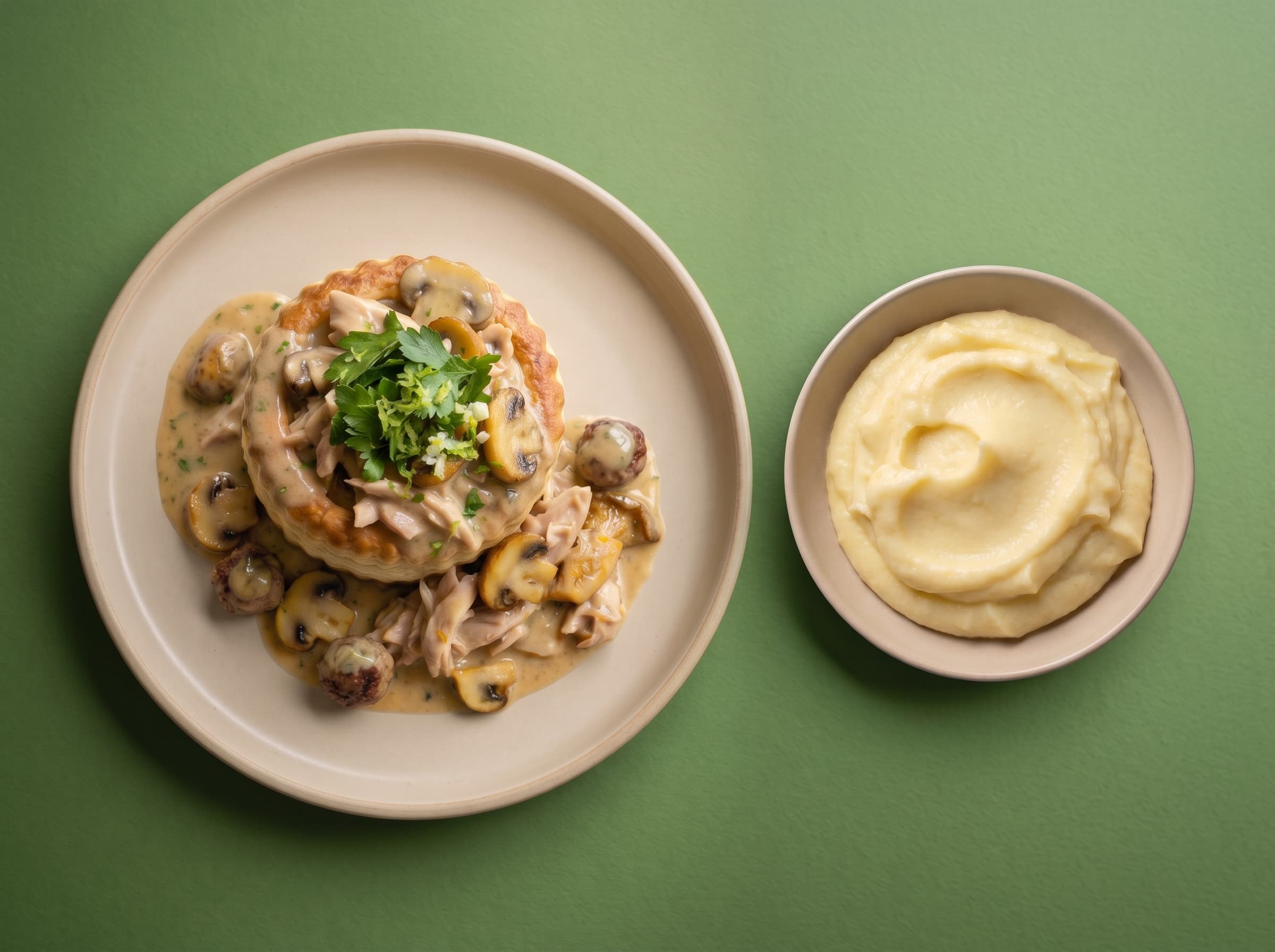 From our menuVol-au-Vent East meets West€19.95 · Made by us, delivered chilled.
This cozy Belgian stew gets a modern makeover using tender pork cheeks and savory Asian flavors. By slow-cooking the meat in brown ale for 4 hours, you create a melt-in-your-mouth dinner for 4-6 people. The secret trick is using mustard-slathered bread to naturally thicken the glossy, rich sauce.
Recipe by Christophe Rammant
Cordon Bleu Paris alumni - Two star Michelin kitchen experience
What Makes Pork Cheeks So Much Better Than Beef?
Professional chefs know that pork cheeks are a hidden gem for slow cooking. They contain a very high amount of internal collagen, which melts into silky gelatin during the long, gentle simmer.
Food science shows that the Maillard reaction—that deep browning on the meat—creates the foundation for a dark gravy. By searing the meat at a high heat first, you lock in savory flavors that water alone can't provide.
Traditional Belgian technique uses bread and mustard to thicken the sauce. As the bread dissolves, it releases starches that bind the beer and broth together into a smooth, velvety coating for the meat.
Estimated nutrition per serving
Estimated from ingredient weights, not lab-tested.
- Calories
- 1080
- Protein
- 51g
- Fat
- 74g
- Carbohydrates
- 32g
The weekly recipe note
Enjoyed this recipe? Get the next one first.
One new recipe each week from Christophe: global flavor, French technique, and practical home-cook timing.
By signing up, you agree to receive emails from Mr. Saucy.
Ingredients
Recipe yields 4-6 servings
The Meat and Aromatics
| Amount | Ingredient | Notes |
|---|---|---|
| 1200 g (2.6 lbs) | Pork cheeks | trimmed of silver skin but left whole |
| 600 g (about 3 large) | Yellow onions | thinly sliced |
| 50 g (3.5 tbsp) | Lard or Clarified Butter | for high-heat searing |
| 1 bundle | Bouquet Garni | thyme, 2 bay leaves, and 1 clove tied together |
The Braising Liquid
| Amount | Ingredient | Notes |
|---|---|---|
| 750 ml (2 bottles) | Belgian Brown Ale | such as Chimay Blue or Leffe Brown |
| 400 g (1.7 cups) | Beef or Pork Bone Broth | high gelatin content preferred |
| 45 g (3 tbsp) | Gochujang (Korean chili paste) | adds fermented depth and subtle heat |
| 20 g (4 tsp) | Patis (Filipino fish sauce) | the secret umami salt replacement |
| 15 g (1 tbsp) | Dark Soy Sauce | for deep color |
| 30 g (2 tbsp) | Filipino Cane Vinegar | to balance the sweetness |
The Thickener
| Amount | Ingredient | Notes |
|---|---|---|
| 60 g (2 slices) | Brown bread | crusts removed; sourdough or rye |
| 30 g (2 tbsp) | Sharp Dijon Mustard | slathered on the bread |
Instructions
Sear and Sauté
- 1
Brown the Meat (The Flavor Base)
Sear the pork cheeks in small batches in hot lard until a deep brown crust forms. This creates the deep browning that creates flavor and a dark, rich gravy.
- 2
Caramelize the Onions
Remove the meat and cook the onions in the same fat for at least 15 minutes until golden brown. The natural sugars in the onions provide the classic sweetness this stew is known for.
The Braise
- 3
Deglaze the Pan
Pour in the Belgian beer and scrape the bottom of the pan. This lifts up all the tasty roasted bits so they melt back into the sauce.
- 4
Season and Assemble
Whisk in the gochujang, patis, soy sauce, and vinegar. Return the meat to the pot and add broth until the cheeks are just covered. These fermented ingredients act like 'super salt' to make the dish savory.
- 5
The Bread Trick
Place the mustard-slathered bread slices face-down on top of the liquid. As it cooks, the bread will dissolve and thicken the sauce naturally.
Slow Cooking
- 6
Simmer Low and Slow
Simmer at a very low 'smile' (barely bubbling, around 185°F / 85°C) for 3 to 4 hours. This gentle cooking ensures the meat firms up then breaks down into a fork-tender consistency without getting tough.
- 7
The Final Touch
Check the sauce; if it feels too heavy, add a final splash of cane vinegar. The acidity brightens the flavors and cuts through the rich fat.
The weekly recipe note
Enjoyed this recipe? Get the next one first.
One new recipe each week from Christophe: global flavor, French technique, and practical home-cook timing.
By signing up, you agree to receive emails from Mr. Saucy.
Tips & Tricks
If your sauce is too thin:
Remove the meat and simmer the liquid on high heat for a few minutes. This evaporates the water and concentrates the flavors, but watch closely so it doesn't get too salty.
If you want the best possible flavor:
Make the stew a day early. Letting it sit in the fridge overnight allows the flavors to 'marry' and the sauce to become even more delicious.
If the stew looks greasy:
Your heat might be too high. Keep it at a gentle simmer (185°F / 85°C) to keep the fats mixed into the sauce rather than floating on top.
If your sauce is too thin:
Remove the meat and simmer the liquid on high heat for a few minutes. This evaporates the water and concentrates the flavors, but watch closely so it doesn't get too salty.
If you want the best possible flavor:
Make the stew a day early. Letting it sit in the fridge overnight allows the flavors to 'marry' and the sauce to become even more delicious.
If the stew looks greasy:
Your heat might be too high. Keep it at a gentle simmer (185°F / 85°C) to keep the fats mixed into the sauce rather than floating on top.
Frequently Asked Questions
Why use Gochujang in a Belgian stew?
Gochujang adds a deep, fermented sweetness similar to traditional apple butter, but with a tiny hint of heat. It helps create that dark, glossy look while adding a modern savory twist.
Can I use a different beer?
Yes, but stick to dark Abbey-style ales or Brown ales. Avoid IPAs! The bitterness in hoppy beers becomes very strong and unpleasant when boiled down for hours.
What is the purpose of the Patis?
Patis, or fish sauce, is a pure savory bomb. Don't worry, it won't taste like fish! The smell disappears during the long cook, leaving behind a deep meatiness that salt alone can't provide.
Why did my sauce break or look greasy?
This usually happens if the heat was too high. If it looks oily, whisk in a small spoonful of cold water or a little more mustard. The temperature change and mustard help the sauce come back together.
Why use Gochujang in a Belgian stew?
Gochujang adds a deep, fermented sweetness similar to traditional apple butter, but with a tiny hint of heat. It helps create that dark, glossy look while adding a modern savory twist.
Can I use a different beer?
Yes, but stick to dark Abbey-style ales or Brown ales. Avoid IPAs! The bitterness in hoppy beers becomes very strong and unpleasant when boiled down for hours.
What is the purpose of the Patis?
Patis, or fish sauce, is a pure savory bomb. Don't worry, it won't taste like fish! The smell disappears during the long cook, leaving behind a deep meatiness that salt alone can't provide.
Why did my sauce break or look greasy?
This usually happens if the heat was too high. If it looks oily, whisk in a small spoonful of cold water or a little more mustard. The temperature change and mustard help the sauce come back together.
Recipe Reviews
No reviews yet — Be the first to review this recipe!
The collection
All recipesVenison Fillet Recipe with Blackberry Juniper Jus
This venison fillet recipe gives you tender, rosy meat with a quick sear and gentle roasting. Serve it with silky celeriac mousseline, honey-glazed carrots, blackberry-juniper jus, and crisp hazelnuts. Plan about 3 hours for cooking and resting, plus advance chilling if you dry-season the venison overnight. It serves 4.
180 min · Intermediate · Belgium
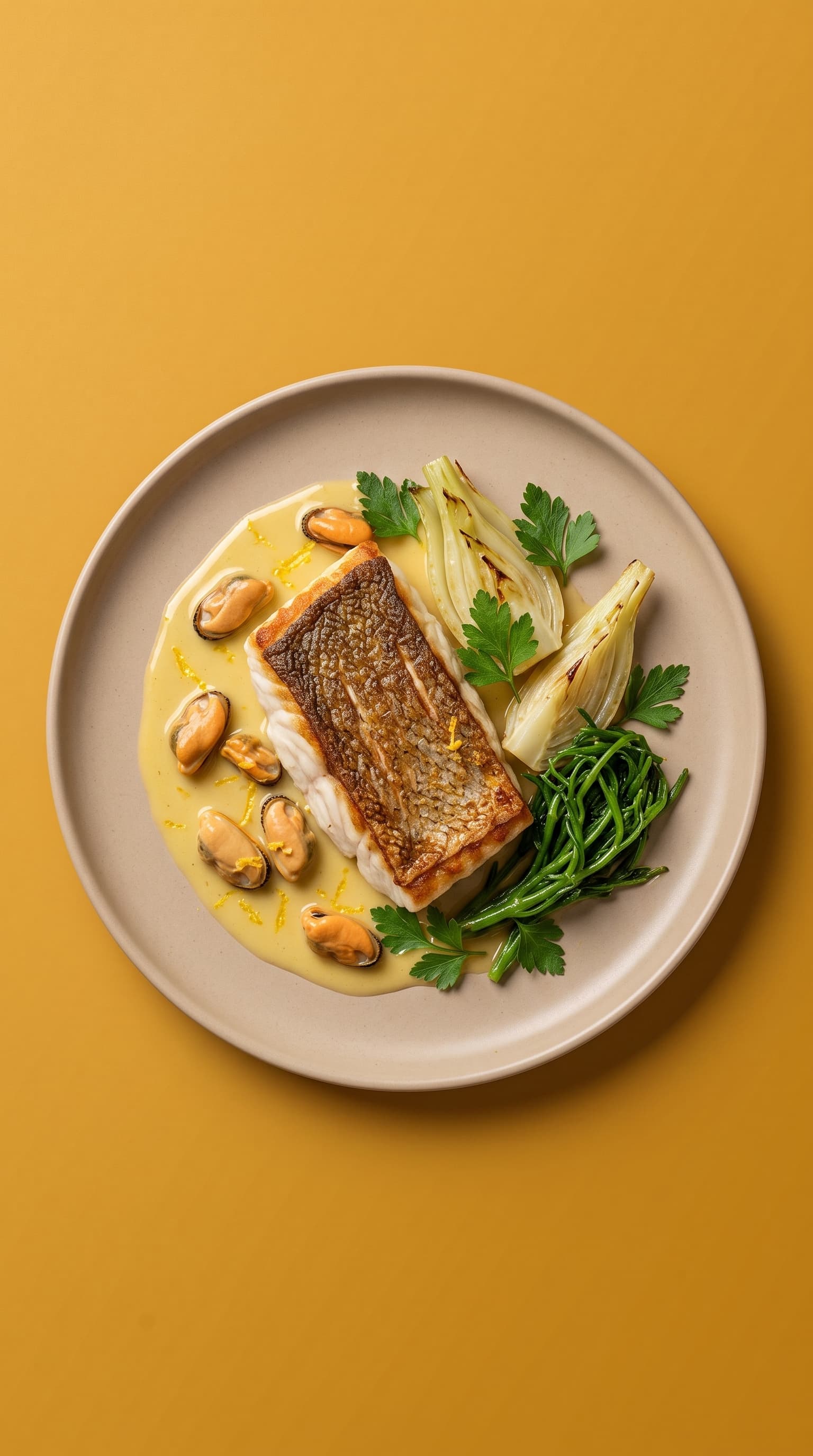
John Dory Recipe with Saffron Mussel Sauce
This John Dory recipe pairs crisp, golden skin with sweet confit fennel, tender sea aster, and a silky saffron mussel sauce. Steam the mussels first, reduce their liquor, and finish the sauce with cold butter. The dish takes about 1 hour 45 minutes and serves 4 for a special dinner.
105 min · Intermediate · Belgium
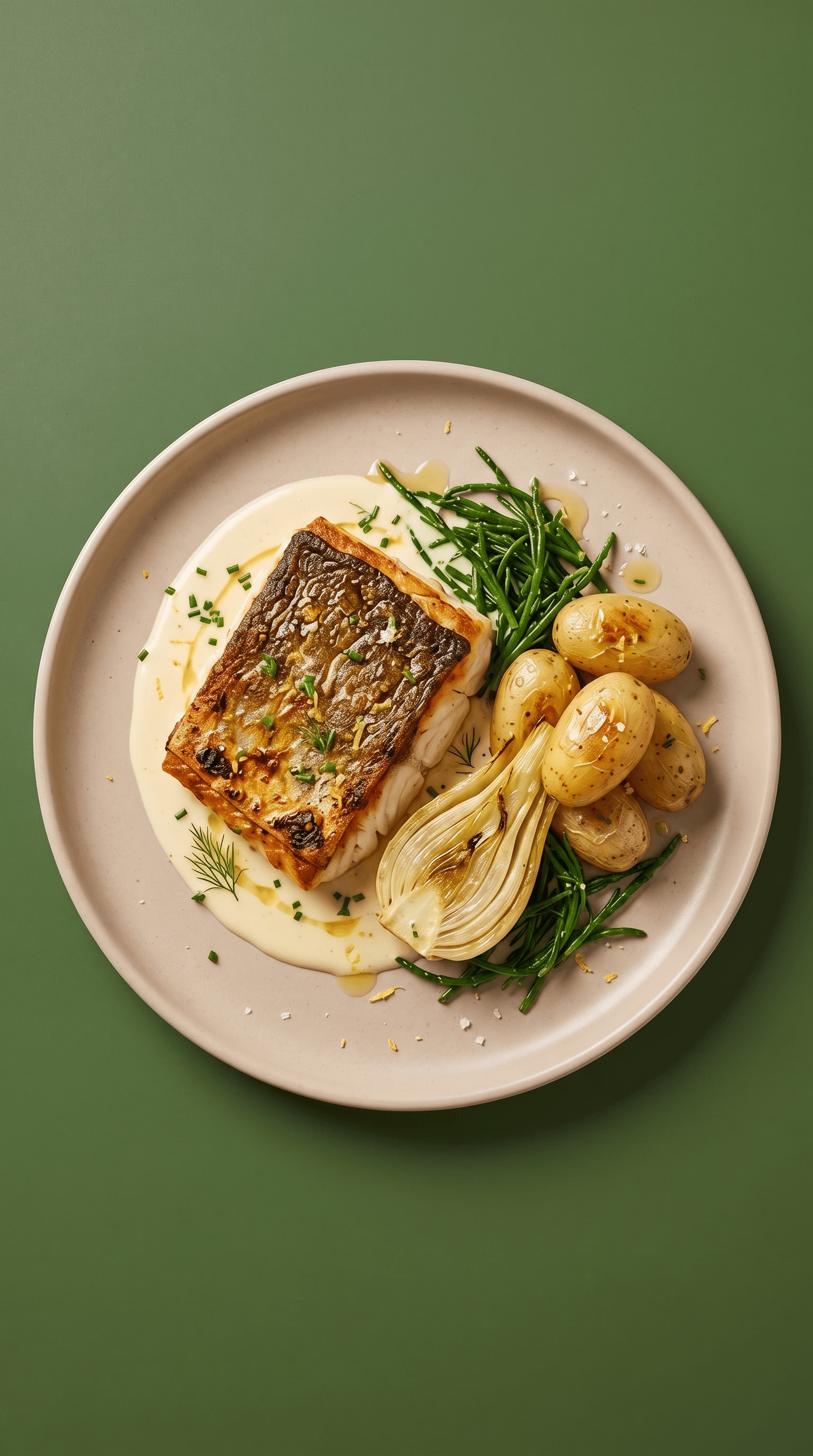
Roasted Turbot Recipe with Vermouth Beurre Blanc and Fennel
This roasted turbot recipe pairs a crisp-skinned, oven-finished fillet with a silky vermouth beurre blanc, buttery braised fennel, and confit-style baby potatoes. The trick is a hard sear for color, then a gentle 180°C / 356°F oven finish so the delicate flesh stays moist. It takes about 90 minutes total and serves 4.
90 min · Intermediate · Belgium