Classical Whole-Poached Chicken Long Rice
1 hr 30 min · Medium · Serves 6
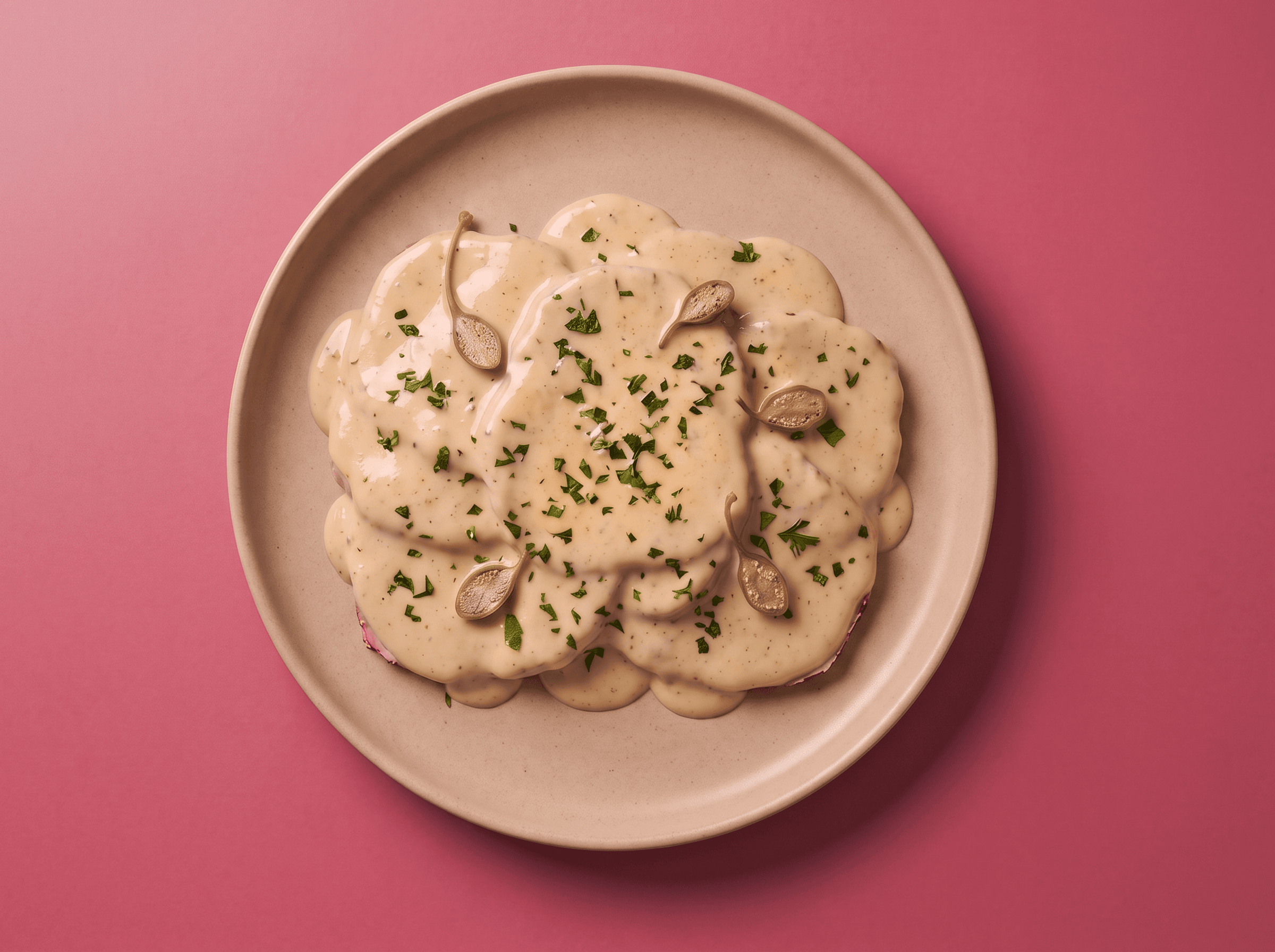 From our menuVitello Tonnato€17.50 · Made by us, delivered chilled.
This Hawaiian comfort dish uses a whole chicken poached gently with ginger, garlic, and onion to create a rich, gelatin-filled broth that soaks into slippery bean thread noodles. The French technique of gentle poaching keeps the chicken tender and the broth crystal-clear. Takes about 90 minutes and serves 6 people generously.
Recipe by Christophe Rammant
Cordon Bleu Paris alumni - Two star Michelin kitchen experience
How Does Poaching a Whole Chicken Create Such Rich Flavor?
Traditional French technique shows that starting with cold water and heating slowly pulls out proteins and minerals from the bones. The gentle heat—never boiling—keeps the broth clear while the bones release natural gelatin that gives the soup a silky, coating texture.
Professional chefs know that using the whole bird gives you the best of everything: lean breast meat, juicy thigh meat, and bones with connective tissue. When you poach them all together at 180-185°F / 82-85°C, the collagen melts into gelatin and creates that restaurant-quality body.
Food science shows that reducing the broth by one-third concentrates all those flavors and gelatins into a smaller volume. This fortified broth acts like a flavor sponge—when the bean thread noodles soak in it, every bite tastes deeply of chicken, ginger, and garlic.
Estimated nutrition per serving
Estimated from ingredient weights, not lab-tested.
- Calories
- 614
- Protein
- 32g
- Fat
- 33g
- Carbohydrates
- 46g
The weekly recipe note
Enjoyed this recipe? Get the next one first.
One new recipe each week from Christophe: global flavor, French technique, and practical home-cook timing.
By signing up, you agree to receive emails from Mr. Saucy.
Ingredients
Recipe yields 6 servings
For Poaching the Chicken
| Amount | Ingredient | Notes |
|---|---|---|
| 1.5 kg (approx. 3.3 lbs) | whole roasting chicken | giblets removed |
| 150 g (1 medium onion) | yellow onion | halved for poaching |
| 50 g (about 2-inch piece) | fresh ginger | peeled and bruised |
| 20 g (about 4 cloves) | garlic cloves | smashed |
| 15 g (1 tablespoon) | sea salt | adjust to taste |
For the Noodles and Finishing
| Amount | Ingredient | Notes |
|---|---|---|
| 250 g (8.8 oz) dry weight | bean thread noodles (long rice) | also known as cellophane noodles |
| 150 g (1 medium onion) | yellow onion | thinly sliced |
| 50 g (about 2-inch piece) | fresh ginger | peeled and minced |
| 20 g (about 4 cloves) | garlic cloves | minced |
| 15 g (1 tablespoon) | vegetable oil | for sautéing aromatics |
| 10 g (2 teaspoons) | toasted sesame oil | for finishing sheen and aroma |
| 60 g (about 4 stalks) | green onions | sliced thinly for garnish |
Instructions
Poach the Chicken
- 1
Start with Cold Water
Place the whole chicken in a large pot and cover with cold water by at least two inches. Starting with cold water allows the proteins to release slowly as the temperature rises, which gives you a clearer and more flavorful broth instead of a cloudy one.
- 2
Add the Aromatics
Add the halved onion, bruised ginger, and smashed garlic to the pot. These aromatics provide the foundational flavor that will infuse into every bit of the chicken and broth.
- 3
Poach Gently (The Temperature Trick)
Bring the liquid to a very gentle simmer at 180-185°F / 82-85°C, then immediately reduce the heat to maintain a 'shuddering' surface with tiny bubbles at the edges but no rolling boil. This gentle poaching prevents the chicken fibers from toughening and keeps the broth crystal-clear instead of greasy and cloudy.
- 4
Cook and Rest the Bird
Poach for 45 to 60 minutes until the chicken reaches 165°F / 74°C internally at the thickest part of the thigh. Carefully remove the bird to a tray to cool for 15-20 minutes—resting the meat before shredding ensures the juices redistribute throughout, keeping every bite moist.
Build the Fortified Broth
- 5
Strain and Press
Strain the poaching liquid through a fine-mesh sieve into a clean pot, pressing firmly on the vegetables with the back of a spoon to extract every drop of essence. This 'press and strain' method captures the concentrated flavors trapped in the softened aromatics.
- 6
Reduce for Richness
Boil the strained stock vigorously to reduce it by about one-third—you'll see the liquid level drop and the surface become slightly thicker. Reduction concentrates the natural gelatins from the bones, which creates a 'syrupy' mouthfeel that coats the noodles beautifully.
- 7
Prep the Noodles
While the stock reduces, soak the bean thread noodles in warm water for 15 minutes until they're pliable and translucent. Drain and cut into manageable 6-8 inch lengths—shortening the noodles makes the final dish much easier to serve and eat.
- 8
Shred the Chicken
Shred the cooled chicken meat into bite-sized pieces, discarding the skin and bones. Using the whole bird ensures you get a mix of tender breast meat and juicy thigh meat for a variety of textures in every spoonful.
Finish and Serve
- 9
Sauté Fresh Aromatics
In a separate pot, heat the vegetable oil over medium heat and lightly sauté the sliced onions, minced ginger, and minced garlic for 2-3 minutes until fragrant but not browned. This step reinforces the traditional ginger-garlic flavor profile and adds a fresh aromatic punch.
- 10
Marry the Noodles and Broth
Add the reduced broth and soaked noodles to the sautéed aromatics and simmer for 5 minutes. The noodles act like sponges, absorbing the fortified chicken essence as they finish cooking and becoming silky and flavorful.
- 11
Add the Chicken Back
Fold the shredded chicken into the pot just before serving. This reheats the meat gently without overcooking it, maintaining the tender texture you achieved during the initial poach.
- 12
Finish with Aromatic Fat
Drizzle with toasted sesame oil and scatter sliced green onions over the top. This adds a final layer of aromatic fat and freshness, similar to how French chefs finish sauces with butter for richness and sheen.
The weekly recipe note
Enjoyed this recipe? Get the next one first.
One new recipe each week from Christophe: global flavor, French technique, and practical home-cook timing.
By signing up, you agree to receive emails from Mr. Saucy.
Tips & Tricks
your broth looks cloudy or greasy:
Never let it reach a rolling boil. High heat emulsifies the fat into the liquid, making it opaque and greasy instead of clean and rich. Keep it at a gentle shudder with just tiny bubbles.
your chicken shreds look messy:
Chill the poached chicken completely in the fridge for 30 minutes before shredding. The cold firms up the meat, so you get cleaner, more attractive shreds instead of ragged pieces.
your noodles absorb all the liquid:
Bean thread noodles are super absorbent. Add a splash of hot water or extra stock until the noodles are submerged in a soupy consistency—not swimming, but not dry either.
you're worried about over-salting:
Adjust the salt only at the very end after reducing the broth. Because reduction concentrates everything, adding salt too early can result in an over-seasoned final dish that's impossible to fix.
you want to save the bones:
Freeze the chicken bones for your next batch of stock. Even after poaching, they still contain minerals and flavor that can be extracted in a long-simmered secondary stock.
your broth looks cloudy or greasy:
Never let it reach a rolling boil. High heat emulsifies the fat into the liquid, making it opaque and greasy instead of clean and rich. Keep it at a gentle shudder with just tiny bubbles.
your chicken shreds look messy:
Chill the poached chicken completely in the fridge for 30 minutes before shredding. The cold firms up the meat, so you get cleaner, more attractive shreds instead of ragged pieces.
your noodles absorb all the liquid:
Bean thread noodles are super absorbent. Add a splash of hot water or extra stock until the noodles are submerged in a soupy consistency—not swimming, but not dry either.
you're worried about over-salting:
Adjust the salt only at the very end after reducing the broth. Because reduction concentrates everything, adding salt too early can result in an over-seasoned final dish that's impossible to fix.
you want to save the bones:
Freeze the chicken bones for your next batch of stock. Even after poaching, they still contain minerals and flavor that can be extracted in a long-simmered secondary stock.
Frequently Asked Questions
Why use a whole chicken instead of just breasts or thighs?
A whole chicken gives you the best of everything: lean breast meat, juicy dark meat, and—most importantly—bones and connective tissue. These elements release gelatin during poaching, giving the broth a rich, silky body that store-bought broth or individual cuts simply cannot replicate.
Can I make the broth and chicken a day in advance?
Absolutely! The flavor often improves overnight. Store the shredded meat in a small amount of broth to keep it from drying out, and keep the rest of the broth in a separate container. Combine everything and add the noodles just before serving.
What if my noodles absorb all the liquid?
Bean thread noodles are highly absorbent, so this happens sometimes. Simply add a splash of hot water or extra stock until you reach a 'soupy' consistency where the noodles are submerged but the dish isn't quite a thin soup.
Do I need to peel the ginger for the poaching stage?
No, for the initial poaching you can simply wash and smash the ginger—the skin contains significant aroma. However, for the minced ginger added at the end, peeling is preferred for a better texture in the final bite.
Can I use chicken stock instead of poaching a whole bird?
You can, but you'll miss the gelatin-rich body and depth of flavor that comes from poaching the whole chicken. If you're short on time, use high-quality stock and add some unflavored gelatin (about 1 tablespoon per quart) to mimic the silky texture.
What's the best way to reheat leftovers?
Reheat gently on the stovetop over low heat, adding a splash of water or stock to loosen the noodles. Avoid the microwave if possible—it can make the noodles gummy and unevenly heated.
Can I freeze this dish?
The broth and chicken freeze beautifully for up to 3 months. However, don't freeze the noodles—they get mushy when thawed. Instead, freeze the broth and chicken separately, then cook fresh noodles when you're ready to serve.
What if I don't have a fine-mesh sieve?
Line a regular colander with a few layers of cheesecloth or a clean kitchen towel. It works just as well for straining out the aromatics and any small bits, giving you that clear, beautiful broth.
Why use a whole chicken instead of just breasts or thighs?
A whole chicken gives you the best of everything: lean breast meat, juicy dark meat, and—most importantly—bones and connective tissue. These elements release gelatin during poaching, giving the broth a rich, silky body that store-bought broth or individual cuts simply cannot replicate.
Can I make the broth and chicken a day in advance?
Absolutely! The flavor often improves overnight. Store the shredded meat in a small amount of broth to keep it from drying out, and keep the rest of the broth in a separate container. Combine everything and add the noodles just before serving.
What if my noodles absorb all the liquid?
Bean thread noodles are highly absorbent, so this happens sometimes. Simply add a splash of hot water or extra stock until you reach a 'soupy' consistency where the noodles are submerged but the dish isn't quite a thin soup.
Do I need to peel the ginger for the poaching stage?
No, for the initial poaching you can simply wash and smash the ginger—the skin contains significant aroma. However, for the minced ginger added at the end, peeling is preferred for a better texture in the final bite.
Can I use chicken stock instead of poaching a whole bird?
You can, but you'll miss the gelatin-rich body and depth of flavor that comes from poaching the whole chicken. If you're short on time, use high-quality stock and add some unflavored gelatin (about 1 tablespoon per quart) to mimic the silky texture.
What's the best way to reheat leftovers?
Reheat gently on the stovetop over low heat, adding a splash of water or stock to loosen the noodles. Avoid the microwave if possible—it can make the noodles gummy and unevenly heated.
Can I freeze this dish?
The broth and chicken freeze beautifully for up to 3 months. However, don't freeze the noodles—they get mushy when thawed. Instead, freeze the broth and chicken separately, then cook fresh noodles when you're ready to serve.
What if I don't have a fine-mesh sieve?
Line a regular colander with a few layers of cheesecloth or a clean kitchen towel. It works just as well for straining out the aromatics and any small bits, giving you that clear, beautiful broth.
Recipe Reviews
No reviews yet — Be the first to review this recipe!
The collection
All recipesOlive Oil Chocolate Mousse Recipe with Candied Orange
This olive oil chocolate mousse recipe makes a rich but airy dessert with dark chocolate, fruity olive oil, bright candied orange, and crisp almond tuiles. A warm sugar syrup gives the yolks body, while softly whipped cream keeps the mousse light. Plan about 5 hours, including chilling, for 4 generous servings.
300 min · Intermediate · Fusion
Celeriac Ravioli with Brown Butter and Pear
This celeriac ravioli recipe makes 24 delicate pasta pillows filled with roasted celeriac, aged Comté, mascarpone and truffle. Roast the celeriac for deep flavor, then finish the ravioli in a glossy brown-butter sauce with pear, hazelnuts and sage. Plan on 145 minutes for 4 servings, including resting and chilling.
145 min · Intermediate · Fusion
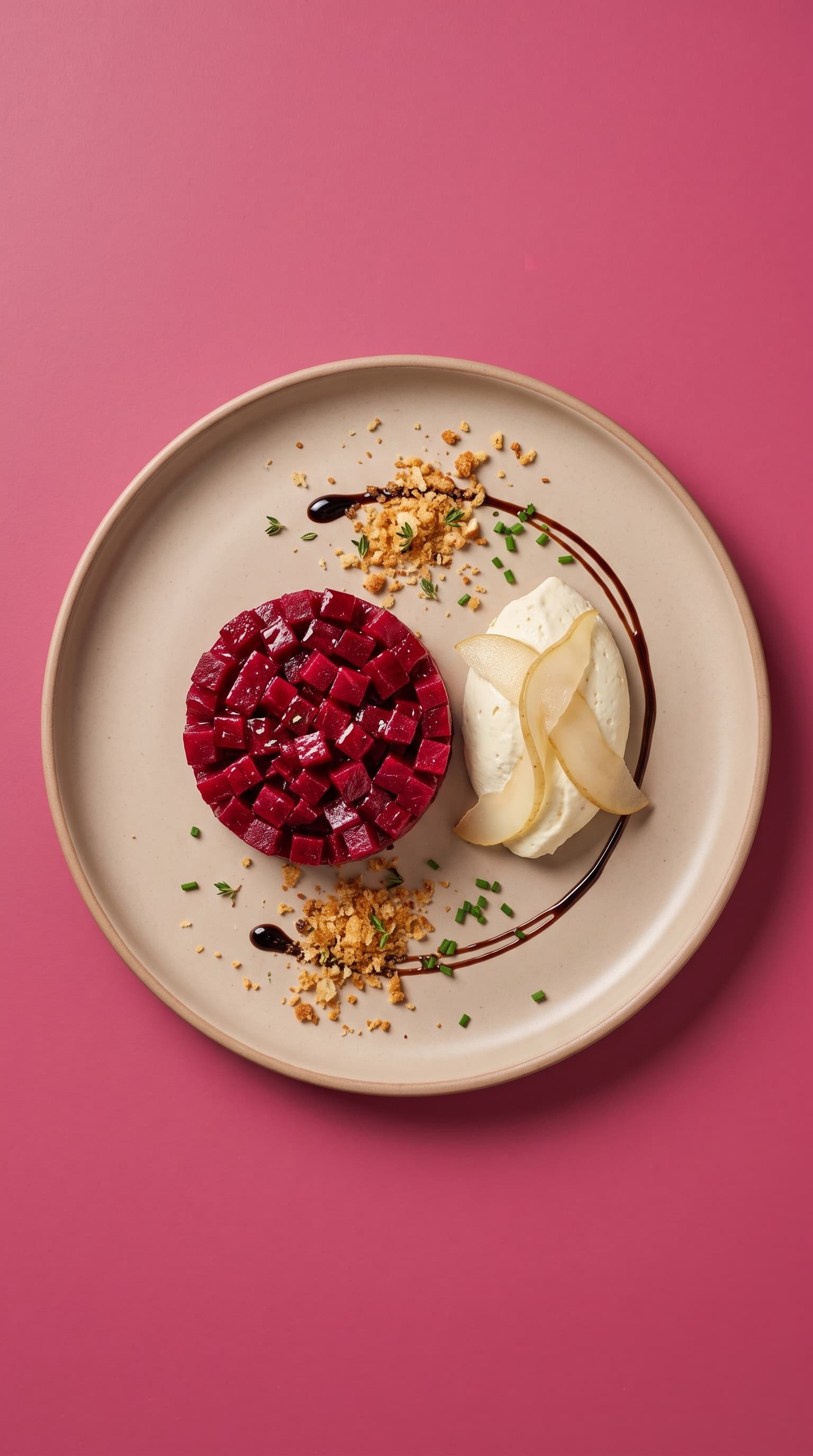
Beetroot Tartare Recipe with Whipped Goat Cheese
This beetroot tartare recipe turns sweet roasted beetroot into a bright, elegant appetizer for four. Cut the chilled beetroot into tiny cubes, dress it just before serving, and pair it with whipped goat cheese, pickled pear, and a buttery hazelnut crumb. Allow about 2 hours from roasting to plating.
120 min · Intermediate · Fusion