Classical Lasagna alla Bolognese with Spinach and Cooked Ham
1 hr 15 min · Medium · Serves 6
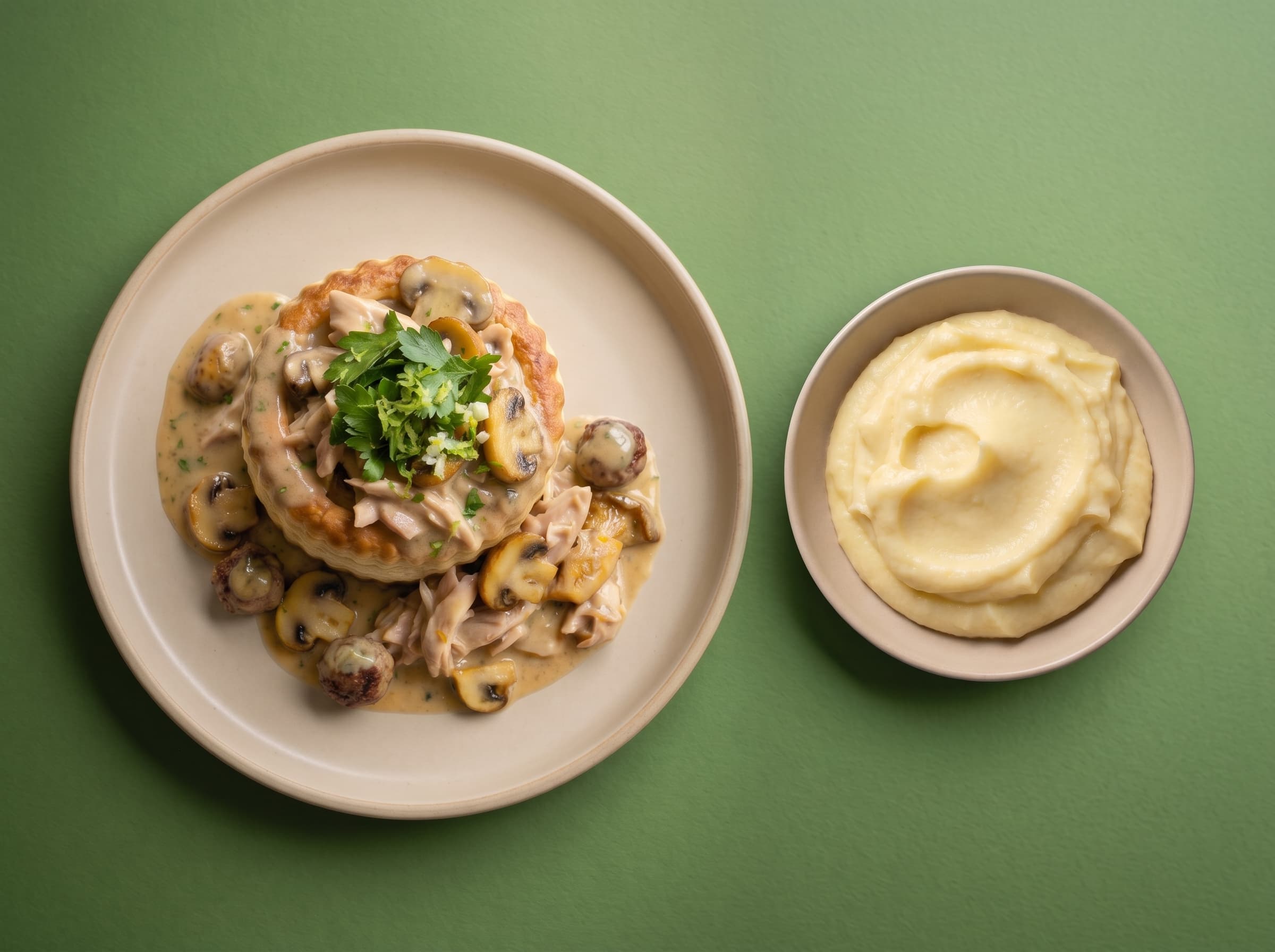 From our menuVol-au-Vent East meets West€19.95 · Made by us, delivered chilled.
This is a sophisticated Italian lasagna where each ingredient gets its own layer—earthy spinach, savory ham, rich Bolognese, and silky Béchamel sauce stay separate instead of mixing together. The technique creates clean, distinct flavors in every bite, topped with golden mozzarella. Takes about 75 minutes total and serves 6 people generously.
Recipe by Christophe Rammant
Cordon Bleu Paris alumni - Two star Michelin kitchen experience
Why Does Keeping the Layers Separate Make This Better?
Traditional Italian technique shows that dedicated layers let each ingredient shine on its own. When you taste a forkful, you get the earthy spinach, then the savory ham, then the rich meat sauce—each flavor stays clear instead of blending into one muddy taste.
Professional chefs know that the Béchamel enriched with chicken broth acts as a flavor bridge between layers. The nutmeg and subtle savory depth tie everything together without making the components lose their identity.
Food science shows that squeezing the spinach bone-dry and keeping the mozzarella only on top prevents watery layers. The cheese creates a golden crust that contrasts beautifully with the soft, creamy interior—giving you two completely different textures in one dish.
Estimated nutrition per serving
Estimated from ingredient weights, not lab-tested.
- Calories
- 849
- Protein
- 44g
- Fat
- 40g
- Carbohydrates
- 78g
The weekly recipe note
Enjoyed this recipe? Get the next one first.
One new recipe each week from Christophe: global flavor, French technique, and practical home-cook timing.
By signing up, you agree to receive emails from Mr. Saucy.
Ingredients
Recipe yields 6 servings
For the Bolognese Layer
| Amount | Ingredient | Notes |
|---|---|---|
| 1200 g (about 5 cups) | Prepared Spaghetti Bolognese Sauce | use your standard recipe; ensure it is thick and well-reduced |
For the Spinach Layer
| Amount | Ingredient | Notes |
|---|---|---|
| 500 g (about 1 lb) | Fresh Spinach | washed and stemmed |
| 20 g (about 1½ tablespoons) | Unsalted Butter | for sautéing spinach |
For the Ham Layer
| Amount | Ingredient | Notes |
|---|---|---|
| 200 g (about 7 oz) | Cooked Ham | thinly sliced or finely diced high-quality ham |
For the Béchamel Sauce
| Amount | Ingredient | Notes |
|---|---|---|
| 50 g (about 3½ tablespoons) | Unsalted Butter | for the roux |
| 50 g (about ⅓ cup) | All-purpose Flour | for the white roux |
| 750 g (about 3 cups) | Whole Milk | room temperature to prevent lumps |
| 5 g (about 1 teaspoon) | Chicken Bouillon or Broth Paste | a small piece of a cube or paste to flavor the Béchamel |
| 1 g (generous pinch) | Nutmeg | freshly grated for the Béchamel and spinach |
| 5 g (to taste) | Salt and White Pepper | for seasoning |
For Assembly
| Amount | Ingredient | Notes |
|---|---|---|
| 400 g (about 14 oz) | Lasagna Sheets | no-boil or par-boiled according to package instructions |
| 350 g (about 3½ cups) | Mozzarella Cheese | shredded; used exclusively for the top crust |
Instructions
Prepare the Components
- 1
Sauté and Dry the Spinach (The Moisture Control Step)
Heat 20 g of butter in a large skillet over medium-high heat until melted and foaming. Add all the spinach and sauté for 3-4 minutes until completely wilted and dark green. Transfer to a clean kitchen towel, let cool slightly, then twist and squeeze hard to remove every drop of moisture—even a tablespoon of water left behind will make your layers watery and ruin the structure.
- 2
Make the Roux Base
Melt 50 g of butter in a heavy-bottomed saucepan over medium heat until it stops foaming. Whisk in the flour all at once and cook for 2 minutes, stirring constantly, until it smells toasty and turns a light blond color—this removes the raw flour taste and creates a smooth base for your sauce.
- 3
Build the Béchamel (The Creamy Glue)
Gradually whisk the room-temperature milk into the roux, adding about ¼ cup at a time and whisking constantly to prevent lumps. Keep stirring over medium heat for 6-8 minutes until the sauce thickens enough to coat the back of a spoon—you'll know it's ready when you can draw a line through it with your finger and it stays clear.
- 4
Season the Béchamel
Whisk in the chicken bouillon paste until fully dissolved—this adds a subtle savory depth that bridges the creamy sauce with the meat and vegetables. Season with salt, white pepper, and a generous pinch of freshly grated nutmeg. The nutmeg is key here; it ties the dairy to the savory elements and gives that classic Italian lasagna flavor.
Assemble the Lasagna
- 5
Create the Foundation Layer
Spread a thin layer of Bolognese sauce (about ½ cup) across the bottom of a 9x13 inch baking dish. This creates a flavorful, non-stick foundation that prevents the pasta from sticking and adds moisture to the bottom layer.
- 6
Build the First Spinach Layer
Place the first layer of pasta sheets over the base sauce, covering the bottom completely with no gaps. Spread all the prepared spinach evenly over the pasta—this is a dedicated layer, so don't add any other components here. The spinach stays pure and earthy on its own.
- 7
Add the First Béchamel Layer
Add another layer of pasta sheets, then spread about one-third of the Béchamel sauce evenly to the edges. Use the back of a spoon or offset spatula to get it smooth and even—this creamy layer will keep the pasta tender and add richness.
- 8
Create the Ham Layer
Add another layer of pasta sheets, then arrange all the cooked ham slices or diced ham evenly across the surface. This dedicated layer gives you pockets of savory, salty flavor that contrast beautifully with the other components.
- 9
Add the First Bolognese Layer
Add another layer of pasta sheets, then spread about half of the remaining Bolognese sauce evenly across. The rich meat sauce gets its own layer so the deep, complex flavors stay distinct and don't muddle with the ham or spinach.
- 10
Continue Layering
Repeat the pattern—pasta, then Béchamel, then pasta, then the remaining Bolognese—until all ingredients are used. The key is keeping each component in its own dedicated layer so every forkful has clear, separate flavors instead of everything blending together.
- 11
Seal with Béchamel
Finish with a final layer of pasta sheets completely covered with the remaining Béchamel sauce, spreading it all the way to the edges. This top layer acts as a moisture seal that keeps the pasta underneath tender and prevents it from drying out in the oven.
- 12
Add the Mozzarella Crust
Sprinkle all 350 g of shredded mozzarella evenly over the top Béchamel layer—make sure no cheese goes inside the layers, only on top. Use low-moisture mozzarella if possible; it creates a golden, crispy crust without releasing excess oil that would make the layers soggy.
Bake and Rest
- 13
Bake Until Golden
Bake at 180°C / 350°F for 35-45 minutes until the mozzarella is deeply bronzed and bubbling at the edges. If the top browns too quickly before the pasta is tender, tent the dish loosely with aluminum foil for the remaining time—this lets the inside cook through without burning the cheese.
- 14
Rest Before Slicing (The Structure-Setting Step)
Let the lasagna rest for at least 15-20 minutes before slicing. This resting time is crucial—it allows the distinct, dedicated layers to set properly so they don't slide apart when you cut into them. The wait is hard, but it's what gives you those clean, beautiful slices with visible layers.
The weekly recipe note
Enjoyed this recipe? Get the next one first.
One new recipe each week from Christophe: global flavor, French technique, and practical home-cook timing.
By signing up, you agree to receive emails from Mr. Saucy.
Tips & Tricks
your spinach makes the lasagna watery:
Always squeeze the cooked spinach bone-dry using a clean tea towel. Twist it hard like you're wringing out a wet cloth—even a few tablespoons of water left behind will ruin the structural integrity of the dedicated layers and make everything soggy.
your Béchamel has lumps:
Make sure your milk is at room temperature before adding it to the roux, and whisk constantly as you pour. If lumps still form, pass the sauce through a fine-mesh sieve or blend it with an immersion blender for a perfectly smooth finish before layering.
the top browns too fast:
Tent the dish loosely with aluminum foil after 25 minutes if the cheese is getting too dark. This lets the pasta layers underneath cook through and become tender without burning the mozzarella crust on top.
your layers slide apart when you cut:
Let the lasagna rest for the full 15-20 minutes after baking. This cooling time lets the Béchamel and cheese firm up just enough to hold the layers together. Cutting too early means everything will slide and you'll lose those beautiful distinct layers.
the mozzarella releases too much oil:
Use low-moisture mozzarella instead of fresh mozzarella. The lower water content means it melts into a golden crust without releasing pools of oil that would seep down into the delicate layers below and make them greasy.
your spinach makes the lasagna watery:
Always squeeze the cooked spinach bone-dry using a clean tea towel. Twist it hard like you're wringing out a wet cloth—even a few tablespoons of water left behind will ruin the structural integrity of the dedicated layers and make everything soggy.
your Béchamel has lumps:
Make sure your milk is at room temperature before adding it to the roux, and whisk constantly as you pour. If lumps still form, pass the sauce through a fine-mesh sieve or blend it with an immersion blender for a perfectly smooth finish before layering.
the top browns too fast:
Tent the dish loosely with aluminum foil after 25 minutes if the cheese is getting too dark. This lets the pasta layers underneath cook through and become tender without burning the mozzarella crust on top.
your layers slide apart when you cut:
Let the lasagna rest for the full 15-20 minutes after baking. This cooling time lets the Béchamel and cheese firm up just enough to hold the layers together. Cutting too early means everything will slide and you'll lose those beautiful distinct layers.
the mozzarella releases too much oil:
Use low-moisture mozzarella instead of fresh mozzarella. The lower water content means it melts into a golden crust without releasing pools of oil that would seep down into the delicate layers below and make them greasy.
Frequently Asked Questions
Why are the layers kept completely separate instead of mixed?
Keeping each element in its own dedicated layer lets the individual flavors shine through clearly. When you taste a forkful, you get the earthy spinach, then the savory ham, then the rich Bolognese—each flavor stays distinct instead of muddling together into one texture. Traditional Italian technique shows this creates a more sophisticated, restaurant-quality dish.
Why is the mozzarella only on top and not inside?
The Béchamel sauce provides all the internal creaminess you need between the layers. Reserving the mozzarella strictly for the top creates a distinct textural contrast—you get a chewy, golden, crispy crust on top and a soft, creamy interior underneath. Professional chefs know this two-texture approach is what makes the dish special.
Can I make this lasagna ahead of time?
Yes! Assemble it completely up to 24 hours in advance and store covered in the fridge. The dedicated layers will hold their shape beautifully. When you're ready to bake, add 10 extra minutes to the baking time since it's starting cold. You can also freeze it unbaked for up to 2 months—thaw overnight in the fridge before baking.
What if I don't have a 9x13 inch baking dish?
You can use any similar-sized dish—an 8x12 or even a deep 9x9 square pan works fine. Just adjust the number of pasta sheets per layer to fit your dish. A deeper dish means more layers and a slightly longer baking time, while a shallower dish means fewer layers and faster cooking.
Can I use frozen spinach instead of fresh?
Yes, but thaw it completely first and squeeze it even drier than you would fresh spinach. Frozen spinach holds more water, so you need to be extra aggressive with the squeezing. Use about 300 g of frozen spinach to replace the 500 g of fresh, since it's already condensed.
Why does the recipe call for white pepper instead of black?
White pepper keeps the Béchamel sauce looking clean and creamy without black specks. It also has a slightly different, more subtle flavor that works better with dairy. Food science shows that white pepper is fermented differently, giving it a milder taste that doesn't overpower the delicate nutmeg and chicken broth flavors.
What if my Bolognese sauce is too thin?
Simmer it uncovered for 15-20 minutes before assembling the lasagna to let excess water evaporate. The sauce should be thick enough to mound on a spoon—if it's watery, it will make the pasta layers soggy and the whole dish will fall apart when you try to slice it.
How do I know when the lasagna is fully cooked inside?
Insert a knife into the center and hold it there for 5 seconds, then touch it to your wrist—it should feel very hot. You can also check that the edges are bubbling vigorously and the top is deeply golden brown. The pasta should be completely tender when you pierce it with the knife, with no resistance.
Why are the layers kept completely separate instead of mixed?
Keeping each element in its own dedicated layer lets the individual flavors shine through clearly. When you taste a forkful, you get the earthy spinach, then the savory ham, then the rich Bolognese—each flavor stays distinct instead of muddling together into one texture. Traditional Italian technique shows this creates a more sophisticated, restaurant-quality dish.
Why is the mozzarella only on top and not inside?
The Béchamel sauce provides all the internal creaminess you need between the layers. Reserving the mozzarella strictly for the top creates a distinct textural contrast—you get a chewy, golden, crispy crust on top and a soft, creamy interior underneath. Professional chefs know this two-texture approach is what makes the dish special.
Can I make this lasagna ahead of time?
Yes! Assemble it completely up to 24 hours in advance and store covered in the fridge. The dedicated layers will hold their shape beautifully. When you're ready to bake, add 10 extra minutes to the baking time since it's starting cold. You can also freeze it unbaked for up to 2 months—thaw overnight in the fridge before baking.
What if I don't have a 9x13 inch baking dish?
You can use any similar-sized dish—an 8x12 or even a deep 9x9 square pan works fine. Just adjust the number of pasta sheets per layer to fit your dish. A deeper dish means more layers and a slightly longer baking time, while a shallower dish means fewer layers and faster cooking.
Can I use frozen spinach instead of fresh?
Yes, but thaw it completely first and squeeze it even drier than you would fresh spinach. Frozen spinach holds more water, so you need to be extra aggressive with the squeezing. Use about 300 g of frozen spinach to replace the 500 g of fresh, since it's already condensed.
Why does the recipe call for white pepper instead of black?
White pepper keeps the Béchamel sauce looking clean and creamy without black specks. It also has a slightly different, more subtle flavor that works better with dairy. Food science shows that white pepper is fermented differently, giving it a milder taste that doesn't overpower the delicate nutmeg and chicken broth flavors.
What if my Bolognese sauce is too thin?
Simmer it uncovered for 15-20 minutes before assembling the lasagna to let excess water evaporate. The sauce should be thick enough to mound on a spoon—if it's watery, it will make the pasta layers soggy and the whole dish will fall apart when you try to slice it.
How do I know when the lasagna is fully cooked inside?
Insert a knife into the center and hold it there for 5 seconds, then touch it to your wrist—it should feel very hot. You can also check that the edges are bubbling vigorously and the top is deeply golden brown. The pasta should be completely tender when you pierce it with the knife, with no resistance.
Recipe Reviews
No reviews yet — Be the first to review this recipe!
The collection
All recipesVenison Fillet Recipe with Blackberry Juniper Jus
This venison fillet recipe gives you tender, rosy meat with a quick sear and gentle roasting. Serve it with silky celeriac mousseline, honey-glazed carrots, blackberry-juniper jus, and crisp hazelnuts. Plan about 3 hours for cooking and resting, plus advance chilling if you dry-season the venison overnight. It serves 4.
180 min · Intermediate · Belgium
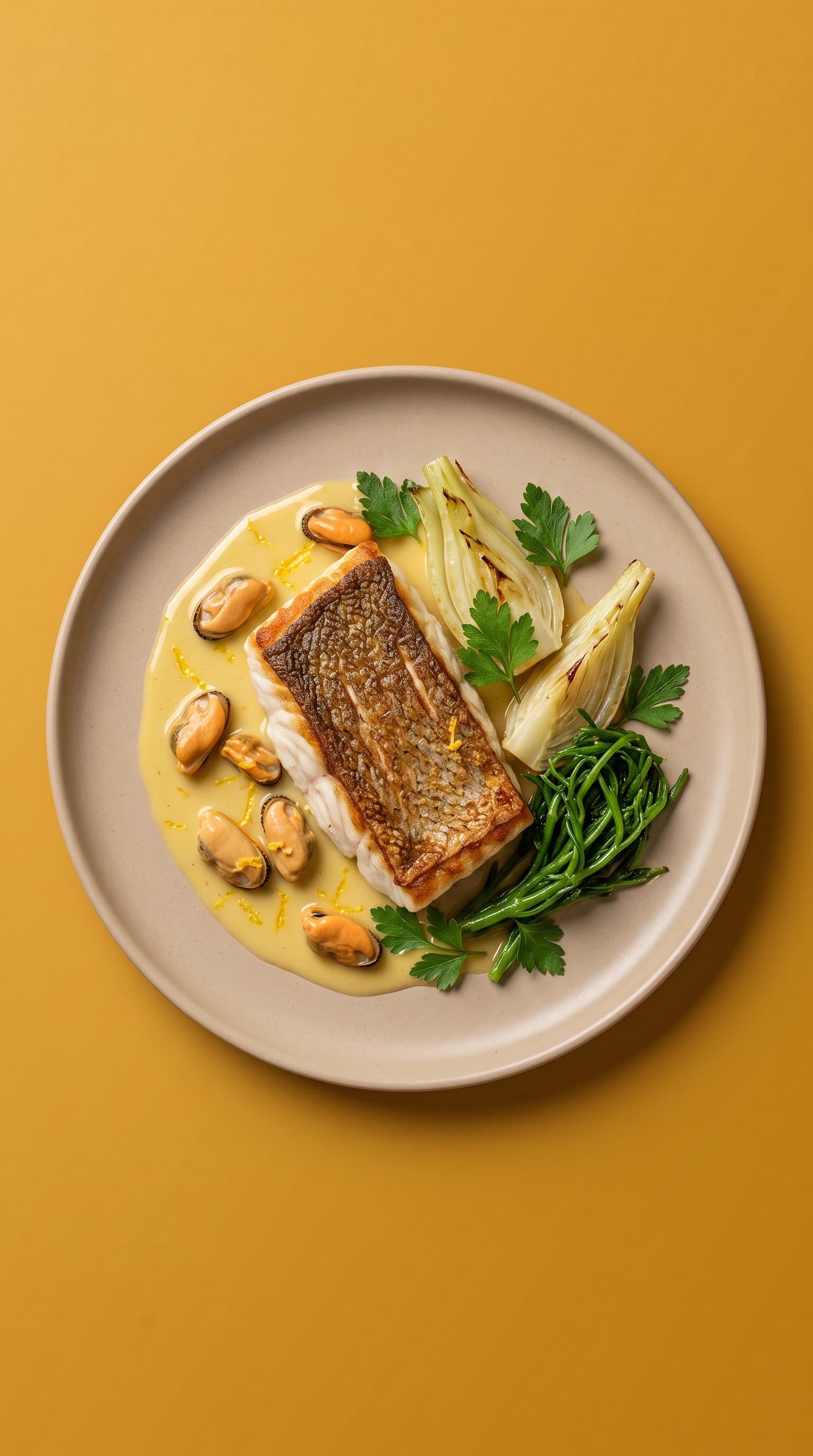
John Dory Recipe with Saffron Mussel Sauce
This John Dory recipe pairs crisp, golden skin with sweet confit fennel, tender sea aster, and a silky saffron mussel sauce. Steam the mussels first, reduce their liquor, and finish the sauce with cold butter. The dish takes about 1 hour 45 minutes and serves 4 for a special dinner.
105 min · Intermediate · Belgium
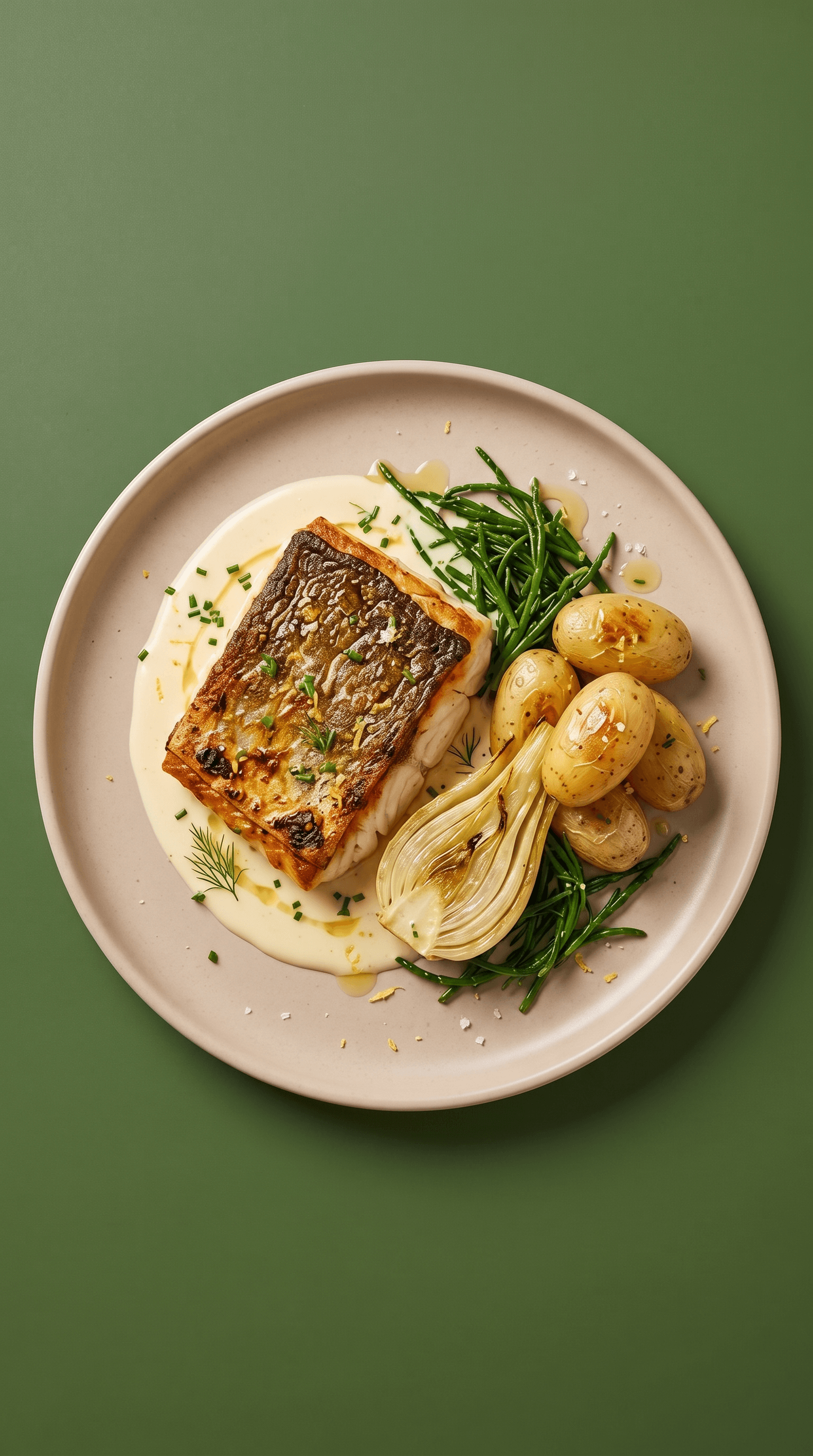
Roasted Turbot Recipe with Vermouth Beurre Blanc and Fennel
This roasted turbot recipe pairs a crisp-skinned, oven-finished fillet with a silky vermouth beurre blanc, buttery braised fennel, and confit-style baby potatoes. The trick is a hard sear for color, then a gentle 180°C / 356°F oven finish so the delicate flesh stays moist. It takes about 90 minutes total and serves 4.
90 min · Intermediate · Belgium