

Citrus-Honey Glazed Daikon with Beurre-Monté Sauce
Prefer not to cook?
Order Citrus-Honey Glazed Daikon with Beurre-Monté Sauce as a ready-made meal and get it delivered to your door.
Order this meal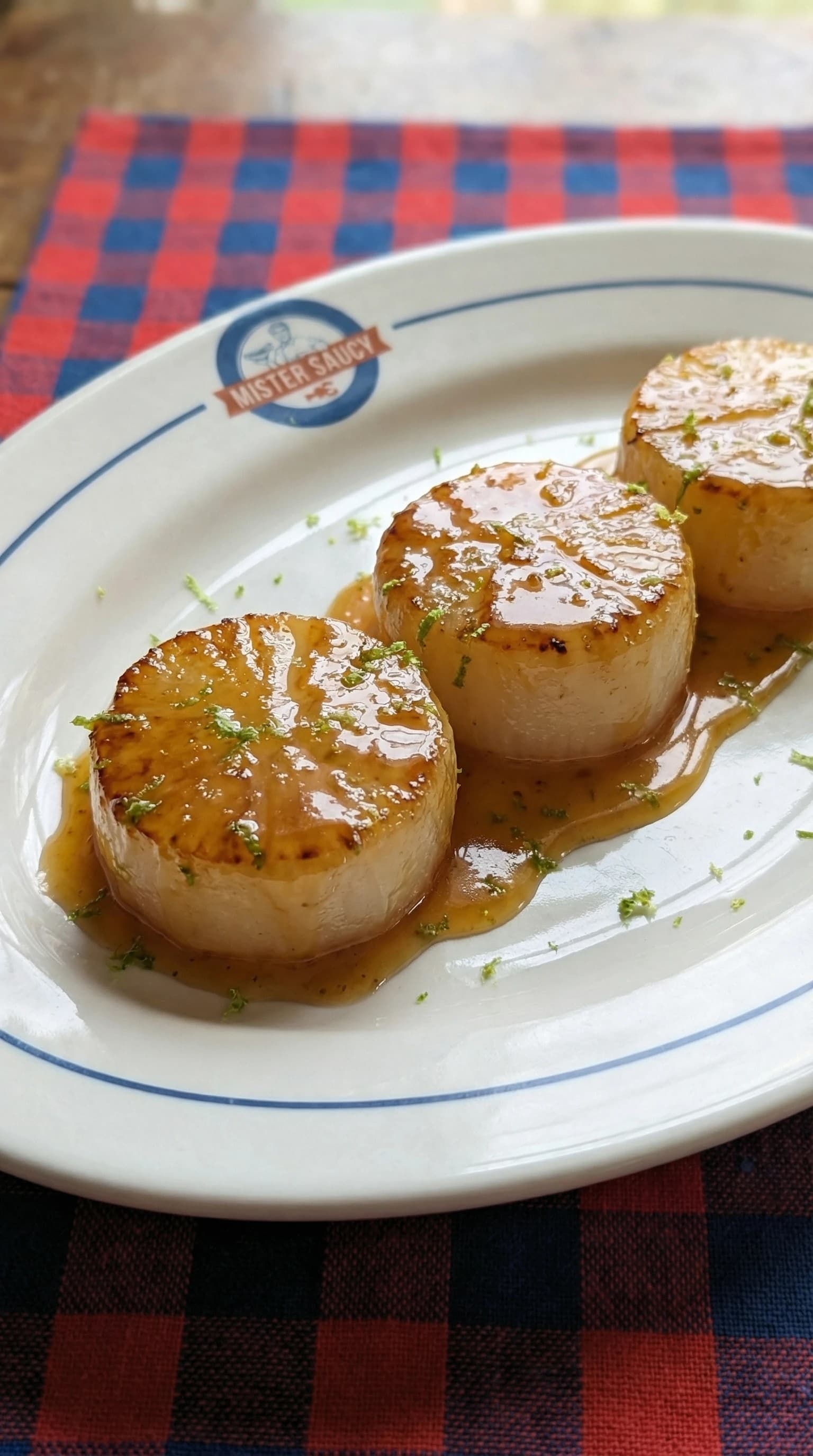
This elegant side dish transforms daikon radish into restaurant-quality fare using a two-step process: vacuum-marinating in citrus-honey, then finishing with a silky French butter sauce. The radish becomes tender and translucent, coated in a glossy glaze that tastes even better the next day. Takes about an hour of active work, serves 4-6, and makes ahead beautifully for dinner parties.

Recipe by Mr Saucy aka Christophe
Christophe is a culinary professional with expertise in French and global cuisine. He has developed recipes and cooking techniques that bridge traditional methods with modern home cooking approaches. Christophe focuses on making classic culinary techniques accessible to home cooks through clear instruction and practical applications. He studied at Le Cordon Bleu Paris and has work experience at a two star Michelin restaurant.
Homecook turned pro with a Cordon Bleu Paris graduate
Quick Info
How Does Vacuum-Marinating Make Daikon So Flavorful?
Professional chefs know that vacuum-sealing forces marinade deep into dense vegetables like daikon. The pressure pushes citrus and honey into the radish's cellular structure, seasoning it from the inside out instead of just coating the surface.
Traditional French technique called 'monte au beurre' creates that glossy, stable sauce. When you whisk cold butter into reduced liquid off the heat, the fat and water form a creamy emulsion that won't break when you reheat it—unlike regular melted butter which separates.
Food science shows that the Maillard reaction from searing adds nutty, caramelized notes that balance the sweet glaze. Without that golden-brown crust, the dish would taste one-dimensional and syrupy instead of complex and sophisticated.
Ingredients
Recipe yields 4-6 servings
For the Citrus-Honey Marinade
| Amount | Ingredient | Notes |
|---|---|---|
| 60 g (1/4 cup) | Rice vinegar | provides the essential acidic backbone |
| 45 g (2 tablespoons) | Honey | for sweetness and glaze viscosity |
| 100 g (scant 1/2 cup) | Orange juice | freshly squeezed for citrus base |
For the Daikon and Sauce
| Amount | Ingredient | Notes |
|---|---|---|
| 800 g (about 1 large radish) | Daikon radish | peeled and cut into 2.5 cm (1-inch) thick pucks |
| 15 g (1 tablespoon) | Neutral oil | for initial searing |
| 250 g (1 cup) | Vegetable stock | unsalted or low-sodium preferred |
| 60 g (4 tablespoons) | Unsalted butter | cold, cubed for emulsifying the sauce |
| 5 g (1 teaspoon) | Salt | to taste |
For Serving
| Amount | Ingredient | Notes |
|---|---|---|
| 5 g (from 1-2 fresh limes) | Lime zest | added at service for bright aromatic lift |
Instructions
Marinate the Daikon (The Night Before or 4+ Hours Ahead)
- 1
Mix the Marinade
Whisk the rice vinegar, honey, and orange juice together until the honey is fully dissolved. This ensures the sweet and acidic flavors distribute evenly throughout the radish instead of pooling in spots.
- 2
Vacuum-Seal the Daikon
Place the daikon pucks and the marinade into a vacuum bag and seal. The pressure forces the marinade deep into the dense cellular structure of the radish, seasoning it from the inside out. If you don't have a vacuum sealer, use a heavy-duty zip-top bag and the water displacement method to remove as much air as possible.
- 3
Refrigerate to Infuse
Let the daikon marinate in the refrigerator for at least 4 hours or overnight. This allows the acidity to begin breaking down the tough fibers of the radish, making it tender and receptive to the glaze.
Sear and Braise the Daikon
- 4
Dry the Daikon Thoroughly
Remove the daikon from the bag, reserving every drop of the marinade, and pat the pucks completely dry with paper towels. Moisture on the surface prevents proper browning—you want a golden crust, not steamed radish.
- 5
Sear Until Golden (The Flavor Foundation)
Heat oil in a non-stick pan over medium-high heat (around 375°F / 190°C) and sear the daikon pucks until golden brown on both sides, about 3-4 minutes per side. This Maillard reaction adds nutty, caramelized depth that balances the sweet glaze and keeps the dish from tasting one-dimensional.
- 6
Braise Until Tender
Add the reserved marinade and vegetable stock to the pan, cover with a lid, and simmer on low heat (around 185°F / 85°C) for 15-20 minutes. The daikon is ready when it's tender enough to be pierced easily with a knife but still holds its shape—not mushy.
Build the Beurre-Monté Sauce
- 7
Transfer and Reduce
Transfer the daikon pucks to a storage container and increase the heat to medium-high to reduce the liquid by half, about 8-10 minutes. Concentrating the sugars and acids creates the base for a professional-grade sauce with deep, layered flavor.
- 8
Mount the Butter (The Silky Finish)
Remove the pan from the heat and whisk in the cold butter cubes one at a time. This classic French 'monte au beurre' technique creates a stable, glossy emulsion that won't break when cooled and reheated. Make sure the liquid isn't boiling—excessive heat will cause the sauce to separate and become greasy.
- 9
Store Together
Pour the finished sauce over the daikon pucks and store in the refrigerator. Keeping the radish submerged in the sauce prevents oxidation and allows for further flavor penetration. The dish actually tastes better the next day after soaking in the glaze.
Reheat and Serve
- 10
Gently Reheat
Gently reheat the daikon and sauce in a pan over medium-low heat (around 160°F / 71°C), basting the pucks as the sauce warms. If the sauce is too thick, whisk in a teaspoon of water to restore its silky coating consistency.
- 11
Finish with Fresh Lime Zest
Plate the glazed pucks and finish with fresh lime zest using a microplane. The volatile oils in the zest provide a bright, aromatic contrast to the rich, cooked citrus notes of the sauce—it's the final touch that makes the dish sing.
Tips & Tricks
If your daikon steams instead of searing: Always pat the daikon completely dry before searing. Any residual moisture will cause the radish to steam rather than develop that essential golden crust that adds nutty flavor.
If your butter sauce breaks and looks greasy: Make sure the liquid isn't boiling when you whisk in the butter. Remove the pan from heat completely and add the cold butter cubes one at a time. If it does break, whisk in a tiny splash of cold water or citrus juice to re-emulsify.
If you don't have a vacuum sealer: Use a heavy-duty zip-top bag and the water displacement method. Submerge the bag in water up to the seal, letting the pressure push out the air, then close it. You'll get about 80% of the infusion effect.
If your sauce is too thick when reheating: Whisk in water a teaspoon at a time over gentle heat. The emulsion will loosen and regain its silky coating consistency without breaking.
If you want more citrus brightness: Use a microplane for the lime zest to ensure it's fine enough to cling to the glaze. Coarse zest adds bitter texture instead of aromatic lift.
If the dish tastes too sweet: Add a small squeeze of fresh lime juice when reheating. The acidity will balance the honey and make the glaze taste more sophisticated.
Frequently Asked Questions
Can I make this ahead of time?
Yes! This dish is perfect for make-ahead. Store the glazed daikon in the sauce for up to 3-4 days in the fridge. The flavor actually improves after 24 hours as the citrus and honey notes deepen. Just reheat gently before serving.
Why did my sauce separate when I reheated it?
This usually happens if the sauce is heated too quickly or boiled. To fix a broken sauce, remove it from the heat immediately and whisk in a tiny splash of cold water or citrus juice to re-emulsify the fats and sugars.
Can I use lemon instead of orange juice?
Yes, but keep in mind lemon is much more acidic. You may need to increase the honey by 10-15 grams (about 1 tablespoon) to balance the sharpness and ensure the glaze has enough sugar to reach the desired syrupy consistency.
Why use vegetable stock instead of just water?
Vegetable stock adds a layer of savory umami that prevents the dish from tasting like a dessert. It provides a complex background that makes the citrus and honey feel like a sophisticated glaze rather than a syrup.
What if I don't have a vacuum sealer?
Use a heavy-duty zip-top bag and the water displacement method. Place the daikon and marinade in the bag, then slowly lower it into a bowl of water. The water pressure pushes out the air. Seal it just before it goes under. You'll get most of the infusion effect.
Can I use a different vegetable instead of daikon?
Yes! Turnips, large radishes, or even thick-cut carrots work well with this technique. Just adjust the braising time—softer vegetables like turnips may only need 10-12 minutes instead of 15-20.
How do I know when the daikon is done braising?
Pierce it with a knife. It should slide in easily but the daikon should still hold its shape—tender but not mushy. If it falls apart, you've gone too far.
Why does the recipe call for cold butter cubes?
Cold butter emulsifies better because the temperature difference helps create a stable sauce. Room temperature butter melts too fast and can make the sauce greasy instead of silky and glossy.