Charred Tomato and Garlic Meatballs with Parmesan-Emulsified Sauce
55 min · Medium · Serves 4
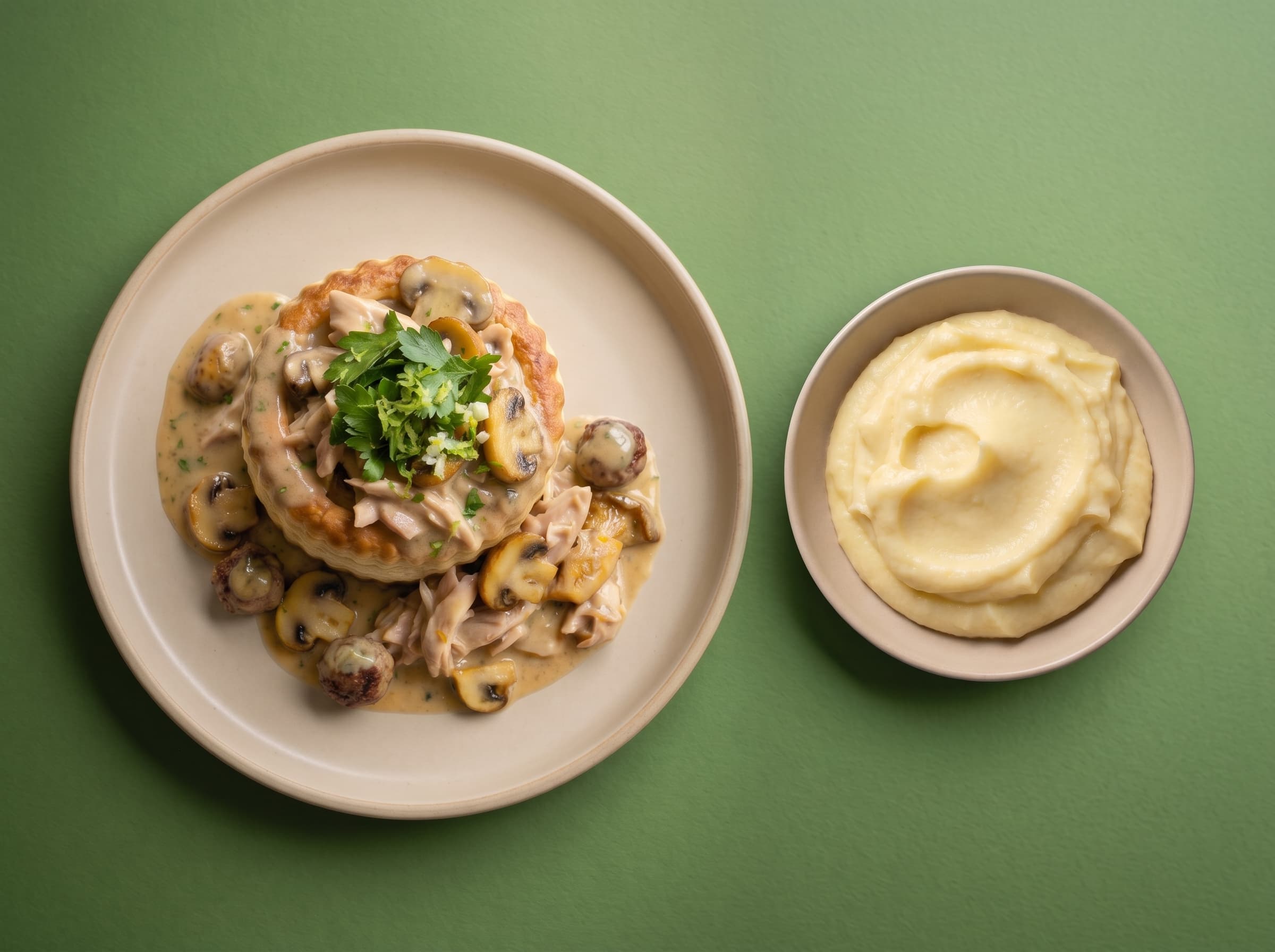 From our menuVol-au-Vent East meets West€19.95 · Made by us, delivered chilled.
These tender meatballs combine beef and pork with crispy onions and smoked paprika, then simmer in a smoky tomato sauce with a unique Parmesan crumble texture. The secret is our signature sauce — a smoky, deeply savory emulsion we've been perfecting behind the scenes. It's coming soon, but in the meantime we've included a great alternative below. Ready in 55 minutes, serves 4.
Recipe by Christophe Rammant
Cordon Bleu Paris alumni - Two star Michelin kitchen experience
What Makes This Sauce Different from Regular Tomato Sauce?
Traditional Italian technique shows that charring whole tomatoes and garlic in their skins creates deep, smoky flavors you can't get from canned tomatoes. The high heat caramelizes the natural sugars while the skins protect the garlic from burning bitter.
Professional chefs know that blending the Parmesan into a coarse crumble—instead of melting it smooth—creates little pockets of salty, nutty flavor throughout the sauce. Food science shows that adding cheese to slightly cooled sauce prevents it from turning stringy and keeps that satisfying texture.
The blender-emulsion method borrowed from French cooking creates a thick, clingy sauce that coats each meatball. Slowly drizzling in olive oil while blending makes the fat and tomato juice bind together, while the sherry vinegar cuts through the richness and makes all the flavors pop.
Estimated nutrition per serving
Estimated from ingredient weights, not lab-tested.
- Calories
- 1068
- Protein
- 47g
- Fat
- 88g
- Carbohydrates
- 23g
The weekly recipe note
Enjoyed this recipe? Get the next one first.
One new recipe each week from Christophe: global flavor, French technique, and practical home-cook timing.
By signing up, you agree to receive emails from Mr. Saucy.
Ingredients
Recipe yields 4 servings
For the Meatballs
| Amount | Ingredient | Notes |
|---|---|---|
| 375 g (about 13 oz) | ground beef | 80/20 fat ratio, mixed with pork for balanced flavor |
| 375 g (about 13 oz) | ground pork | mixed with beef for tenderness |
| 1 large (50 g) | egg | to bind the meatballs |
| 40 g (about 1/3 cup) | crispy fried onions | adds savory crunch and sweetness to the meat |
| 5 g (1 teaspoon) | smoked paprika | adds subtle depth to the meatballs |
| 10 g (2 teaspoons) | sea salt | adjust to taste |
| 5 g (1 teaspoon) | black peppercorns | freshly cracked |
For the Sauce
| Amount | Ingredient | Notes |
|---|---|---|
| 1200 g (about 2.5 lbs) | Roma or vine-ripened tomatoes | whole, unpeeled for maximum char |
| 40 g (8-10 large cloves) | garlic cloves | kept in skins |
| 150 g (2/3 cup) | extra virgin olive oil | divided for roasting and emulsifying, use high-quality peppery oil |
| 100 g (about 1 cup) | Parmigiano-Reggiano | aged 24 months for best texture |
| 10 g (2 teaspoons) | sherry vinegar | essential to balance richness and lift tomato flavor |
| 5 g (1 teaspoon) | sea salt | adjust to taste |
This recipe is built around our signature charred tomato sauce — coming very soon! Here's a delicious alternative to cook with right now:
| Amount | Ingredient | Notes |
|---|---|---|
| 700 g (about 3 cups) | good-quality passata (strained tomatoes) | look for a brand with no added sugar or starch — San Marzano-based passata is ideal |
| 40 g (3 tablespoons) | unsalted butter | stirred in off the heat for a glossy, rich finish |
| 3-4 cloves | garlic cloves, thinly sliced | gently softened in olive oil before adding the passata |
| 2 tablespoons | extra virgin olive oil | for softening the garlic |
| a generous pinch | smoked paprika | echoes the smoky depth of the original dish |
| a small splash | red wine vinegar | added at the end to lift and brighten the sauce |
| to taste | sea salt and black pepper | season generously — the sauce should be bold enough to stand up to the meatballs |
Instructions
Prep the Cheese and Roast the Aromatics
- 1
Create the Parmesan Crumble
Prepare your sauce base according to the alternative ingredients listed below. If you're using a cheese-forward sauce, a light grating of Parmesan over the finished dish adds a lovely salty finish.
- 2
Char the Tomatoes and Garlic
While the meatballs rest, warm your sauce gently in a wide pan over low heat. If using the passata alternative below, stir in the butter now and let it melt into the sauce for a glossy, rich finish.
Form and Sear the Meatballs
- 3
Mix the Meatball Ingredients
In a large bowl, combine the ground beef, ground pork, egg, crispy fried onions, salt, smoked paprika, and black pepper. Mix gently by hand until just combined—overworking makes the meatballs tough and dense. The crispy onions absorb moisture and add concentrated onion flavor without making the meat wet.
- 4
Shape and Sear Until Golden
Form the mixture into 40 g balls (about golf-ball size, makes roughly 18-20 meatballs). Heat a heavy skillet over medium-high heat and sear the meatballs until a deep brown crust forms on all sides—this Maillard reaction creates the savory, meaty foundation of the dish. They should still be slightly pink inside; they'll finish cooking in the sauce.
Build the Emulsified Sauce
- 5
Blend the Charred Tomatoes and Garlic
Squeeze the softened roasted garlic out of their skins and place them in the blender with the charred tomatoes and any accumulated juices. The skins protected the garlic from burning, so the flavor stays sweet and nutty instead of harsh and bitter.
- 6
Emulsify with Oil and Vinegar
Add your prepared sauce to the pan with the meatball drippings and stir to combine, scraping up any browned bits from the base of the pan — these add incredible depth to whatever sauce you're using.
- 7
Add the Parmesan Crumble
Let the sauce settle off the heat for a couple of minutes before spooning generously over the meatballs. A final grating of Parmesan at the table is always welcome.
Finish and Serve
- 8
Marry the Meatballs and Sauce
Combine the seared meatballs and the finished sauce in a warm pan and simmer gently over low heat for 5 minutes. This allows the meat juices to blend with the smoky sauce and brings the meatballs to a perfect medium-well (about 70°C / 160°F internally) without melting all the cheese bits. The sauce should coat each meatball thickly.
The weekly recipe note
Enjoyed this recipe? Get the next one first.
One new recipe each week from Christophe: global flavor, French technique, and practical home-cook timing.
By signing up, you agree to receive emails from Mr. Saucy.
Tips & Tricks
your garlic tastes bitter or harsh:
Keep the garlic in its skin during roasting. The papery skin acts like a protective jacket that prevents the sulfur compounds from burning at high heat, keeping the flavor sweet and mellow.
the sauce feels too thick after adding cheese:
Add a tablespoon of warm water or beef stock and pulse gently. This loosens the emulsion without washing out the flavor or destroying the Parmesan crumble texture.
you don't have crispy fried onions:
Finely mince a small onion and sauté it in butter until deeply golden and crispy, then cool completely before adding to the meat. Or use panko breadcrumbs mixed with a pinch of onion powder for similar texture.
your meatballs are falling apart in the pan:
Let them sit undisturbed for 2-3 minutes after placing them in the hot skillet. A proper crust needs time to form—flipping too early breaks the seal and makes them crumble.
the sauce tastes too acidic:
Add a tiny pinch of sugar or an extra splash of olive oil. High-heat roasting usually sweetens tomatoes, but if yours are particularly tart, fat and sugar balance the pH and round out the flavors.
you want to make this ahead:
Form and sear the meatballs up to 1 day ahead, then refrigerate covered. Make the sauce separately and store it in the fridge for up to 3 days. Combine and simmer gently when ready to serve.
your garlic tastes bitter or harsh:
Keep the garlic in its skin during roasting. The papery skin acts like a protective jacket that prevents the sulfur compounds from burning at high heat, keeping the flavor sweet and mellow.
the sauce feels too thick after adding cheese:
Add a tablespoon of warm water or beef stock and pulse gently. This loosens the emulsion without washing out the flavor or destroying the Parmesan crumble texture.
you don't have crispy fried onions:
Finely mince a small onion and sauté it in butter until deeply golden and crispy, then cool completely before adding to the meat. Or use panko breadcrumbs mixed with a pinch of onion powder for similar texture.
your meatballs are falling apart in the pan:
Let them sit undisturbed for 2-3 minutes after placing them in the hot skillet. A proper crust needs time to form—flipping too early breaks the seal and makes them crumble.
the sauce tastes too acidic:
Add a tiny pinch of sugar or an extra splash of olive oil. High-heat roasting usually sweetens tomatoes, but if yours are particularly tart, fat and sugar balance the pH and round out the flavors.
you want to make this ahead:
Form and sear the meatballs up to 1 day ahead, then refrigerate covered. Make the sauce separately and store it in the fridge for up to 3 days. Combine and simmer gently when ready to serve.
Frequently Asked Questions
Why keep the tomato skins on?
Great question — and one we get a lot! The answer is tied to how our signature sauce is made, which we're keeping close to our chest for now. Watch this space for the full story when we launch.
Can I use pre-grated Parmesan?
For the alternative sauce below, a good-quality block Parmesan grated fresh at the table will always outperform the pre-grated stuff — but either works here since you're finishing the dish rather than building the sauce base.
How do I know when the meatballs are done?
Pull them off the skillet when they're deeply browned outside but still slightly pink in the center—they'll reach perfect medium-well (about 70°C / 160°F) during the 5-minute sauce simmer. If you cook them all the way through during searing, they'll be dry and tough by serving time.
What if my sauce is too acidic?
Add a tiny pinch of sugar or an extra splash of olive oil. High-heat roasting usually sweetens tomatoes naturally, but if yours are particularly tart, fat and sugar balance the acidity and round out the flavors without making the sauce taste sweet.
Can I make this ahead of time?
Partial yes. Form and sear the meatballs up to 1 day ahead, then refrigerate covered. Make the sauce separately and store it in the fridge for up to 3 days. When ready to serve, combine them in a warm pan and simmer gently for 5 minutes to marry the flavors.
What if I don't have a high-speed blender?
A regular blender works, but you may need to blend longer to get a smooth emulsion. Add the oil even more slowly and stop to scrape down the sides. The sauce might be slightly chunkier, but the flavor will still be excellent.
Can I use ground turkey instead of beef and pork?
Yes, but the meatballs will be leaner and drier. Add an extra tablespoon of olive oil to the meat mixture and don't overcook them. Turkey doesn't have the same fat content, so it needs extra moisture and gentle handling.
Why add sherry vinegar instead of regular vinegar?
Sherry vinegar is a lovely pantry staple for all kinds of cooking — its nutty sweetness works beautifully in braises and dressings. For the alternative sauce in this recipe, a small splash of red wine vinegar or even a squeeze of lemon does the job perfectly.
What sauce do you normally use in this recipe?
We use our own signature sauce — a recipe we've spent a long time developing and are incredibly excited to share. It's launching very soon, and trust us, it's worth the wait. In the meantime, the passata-and-butter alternative listed here makes a genuinely delicious dish and is a great weeknight staple in its own right.
Why keep the tomato skins on?
Great question — and one we get a lot! The answer is tied to how our signature sauce is made, which we're keeping close to our chest for now. Watch this space for the full story when we launch.
Can I use pre-grated Parmesan?
For the alternative sauce below, a good-quality block Parmesan grated fresh at the table will always outperform the pre-grated stuff — but either works here since you're finishing the dish rather than building the sauce base.
How do I know when the meatballs are done?
Pull them off the skillet when they're deeply browned outside but still slightly pink in the center—they'll reach perfect medium-well (about 70°C / 160°F) during the 5-minute sauce simmer. If you cook them all the way through during searing, they'll be dry and tough by serving time.
What if my sauce is too acidic?
Add a tiny pinch of sugar or an extra splash of olive oil. High-heat roasting usually sweetens tomatoes naturally, but if yours are particularly tart, fat and sugar balance the acidity and round out the flavors without making the sauce taste sweet.
Can I make this ahead of time?
Partial yes. Form and sear the meatballs up to 1 day ahead, then refrigerate covered. Make the sauce separately and store it in the fridge for up to 3 days. When ready to serve, combine them in a warm pan and simmer gently for 5 minutes to marry the flavors.
What if I don't have a high-speed blender?
A regular blender works, but you may need to blend longer to get a smooth emulsion. Add the oil even more slowly and stop to scrape down the sides. The sauce might be slightly chunkier, but the flavor will still be excellent.
Can I use ground turkey instead of beef and pork?
Yes, but the meatballs will be leaner and drier. Add an extra tablespoon of olive oil to the meat mixture and don't overcook them. Turkey doesn't have the same fat content, so it needs extra moisture and gentle handling.
Why add sherry vinegar instead of regular vinegar?
Sherry vinegar is a lovely pantry staple for all kinds of cooking — its nutty sweetness works beautifully in braises and dressings. For the alternative sauce in this recipe, a small splash of red wine vinegar or even a squeeze of lemon does the job perfectly.
What sauce do you normally use in this recipe?
We use our own signature sauce — a recipe we've spent a long time developing and are incredibly excited to share. It's launching very soon, and trust us, it's worth the wait. In the meantime, the passata-and-butter alternative listed here makes a genuinely delicious dish and is a great weeknight staple in its own right.
Recipe Reviews
No reviews yet — Be the first to review this recipe!
The collection
All recipesVenison Fillet Recipe with Blackberry Juniper Jus
This venison fillet recipe gives you tender, rosy meat with a quick sear and gentle roasting. Serve it with silky celeriac mousseline, honey-glazed carrots, blackberry-juniper jus, and crisp hazelnuts. Plan about 3 hours for cooking and resting, plus advance chilling if you dry-season the venison overnight. It serves 4.
180 min · Intermediate · Belgium
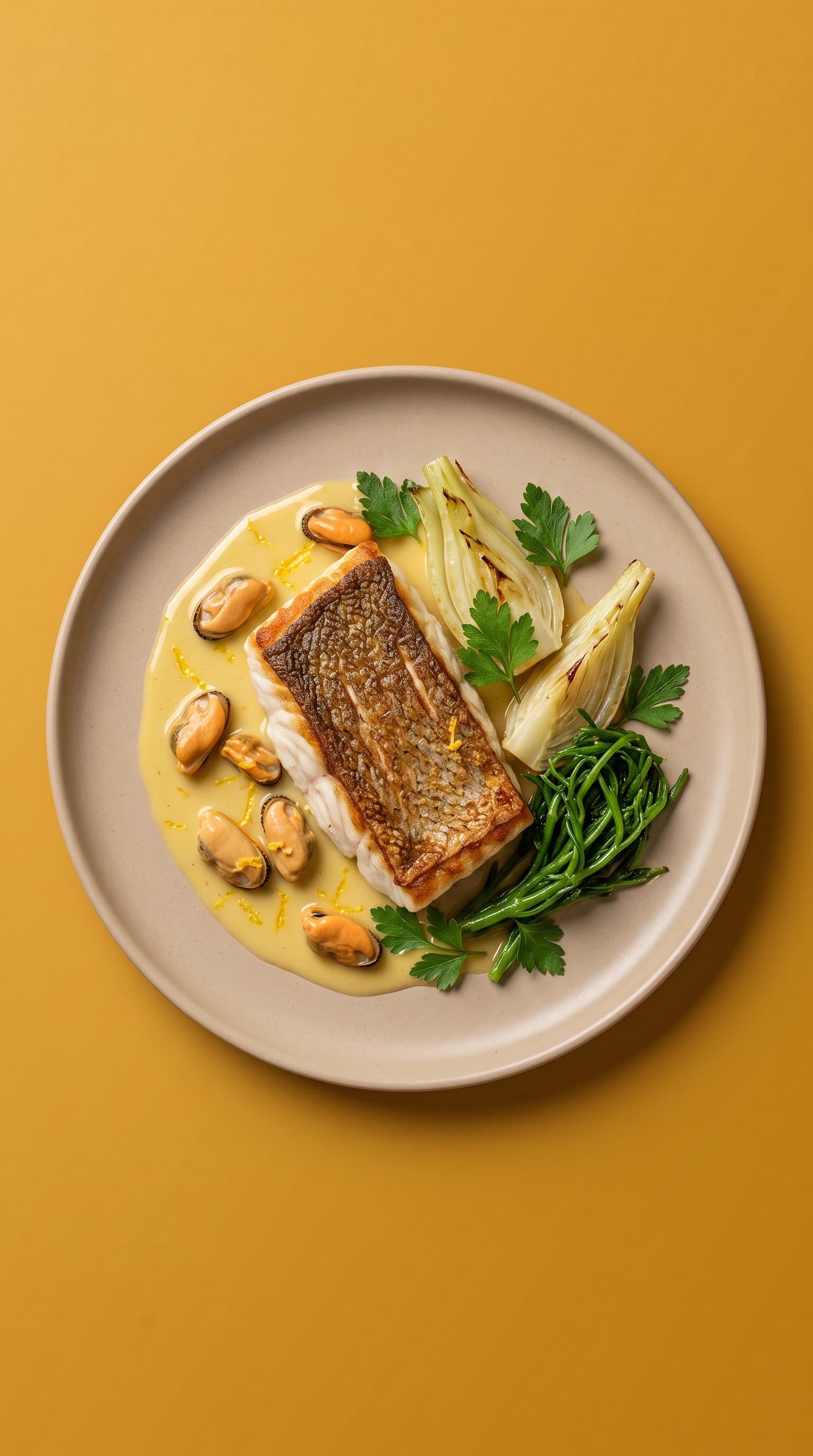
John Dory Recipe with Saffron Mussel Sauce
This John Dory recipe pairs crisp, golden skin with sweet confit fennel, tender sea aster, and a silky saffron mussel sauce. Steam the mussels first, reduce their liquor, and finish the sauce with cold butter. The dish takes about 1 hour 45 minutes and serves 4 for a special dinner.
105 min · Intermediate · Belgium
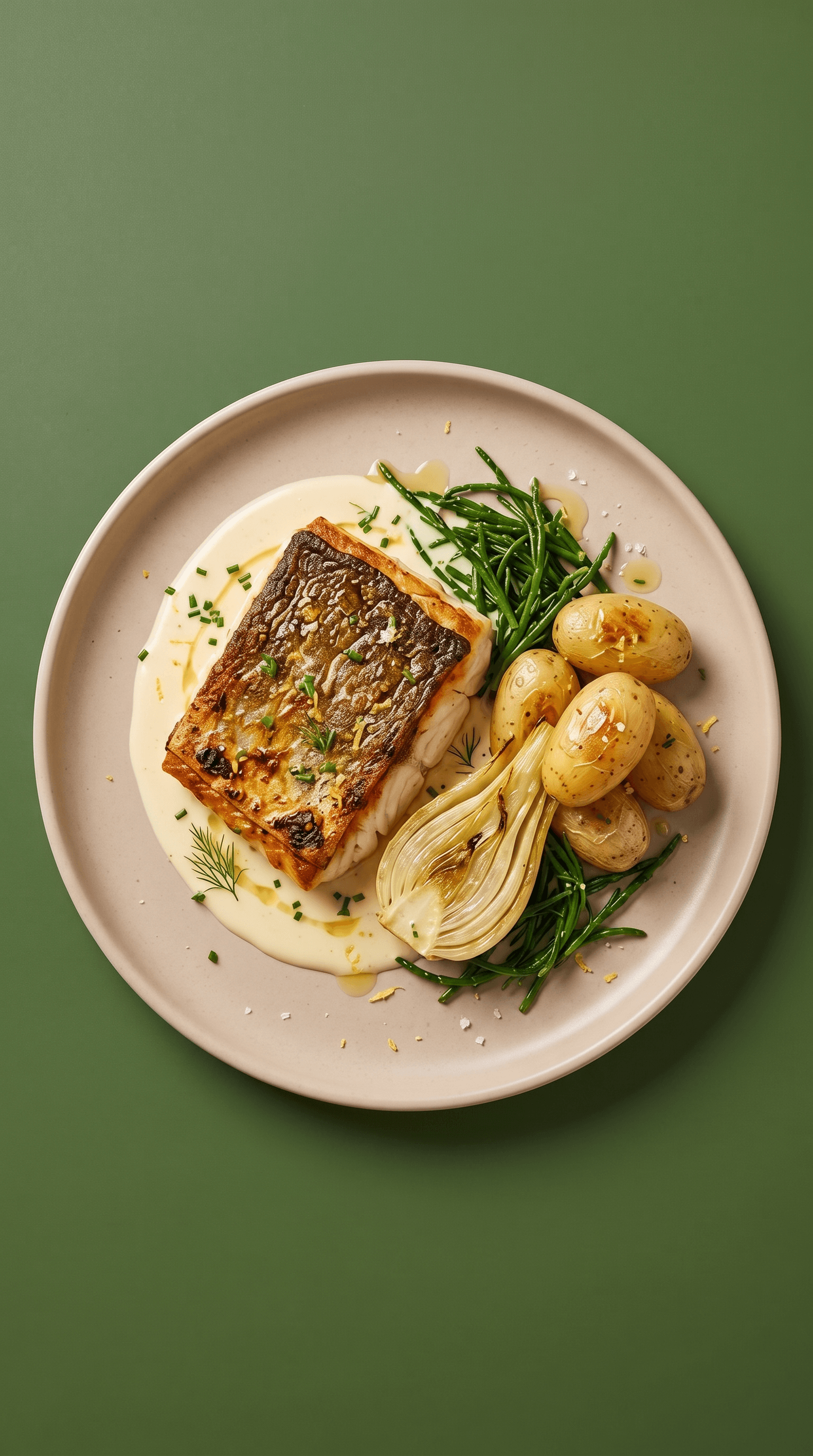
Roasted Turbot Recipe with Vermouth Beurre Blanc and Fennel
This roasted turbot recipe pairs a crisp-skinned, oven-finished fillet with a silky vermouth beurre blanc, buttery braised fennel, and confit-style baby potatoes. The trick is a hard sear for color, then a gentle 180°C / 356°F oven finish so the delicate flesh stays moist. It takes about 90 minutes total and serves 4.
90 min · Intermediate · Belgium