

Candied Ginger and Fleur d'Oranger Cake
Prefer not to cook?
Order Candied Ginger and Fleur d'Oranger Cake as a ready-made meal and get it delivered to your door.
Order this meal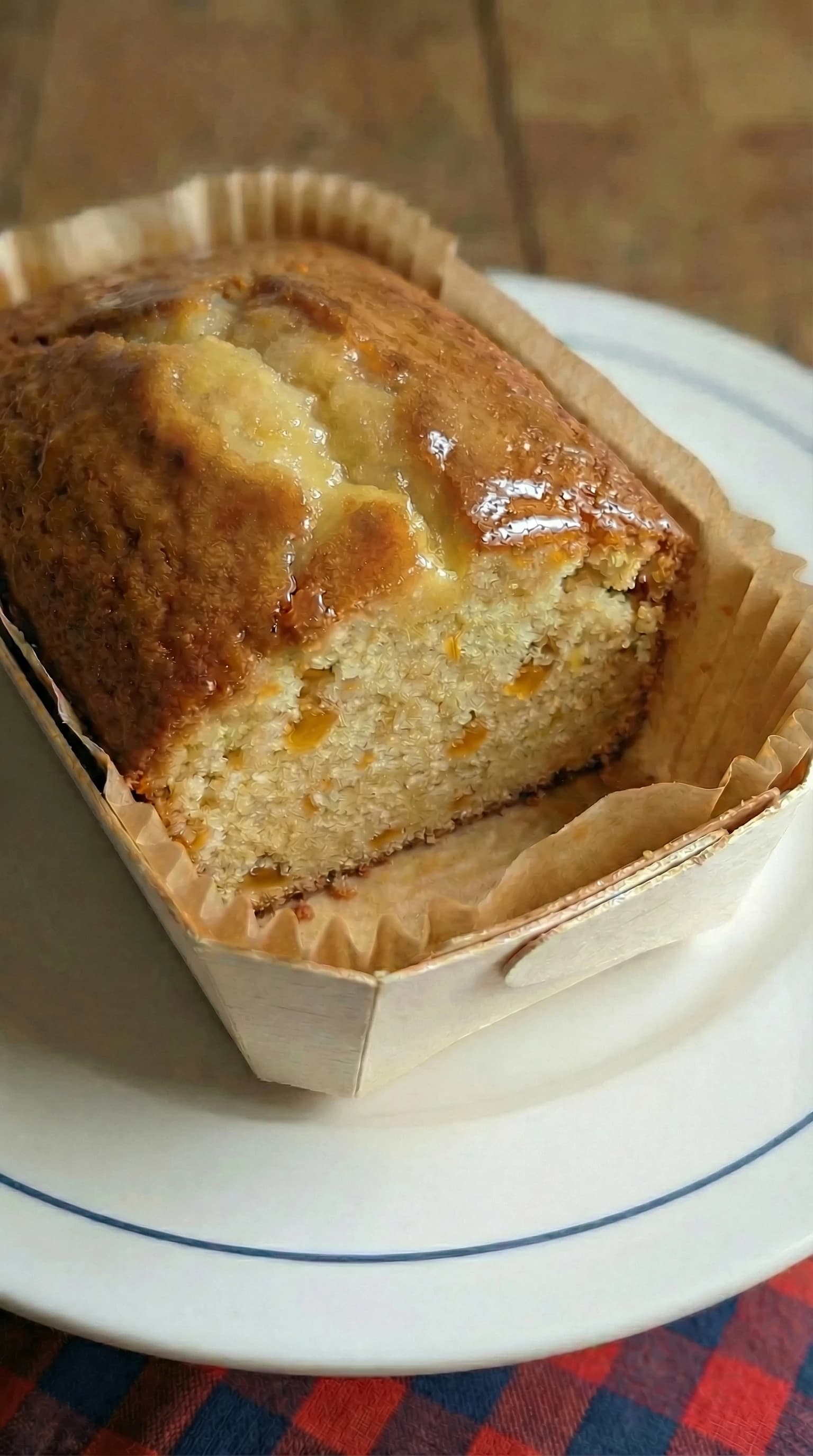
This French-style lemon loaf cake combines tender crumb with spicy candied ginger and orange blossom water. The secret is a hot syrup that soaks deep into the warm cake, creating incredible moisture that lasts for days. Takes about 90 minutes total and serves 6-8 people perfectly.

Recipe by Mr Saucy aka Christophe
Christophe is a culinary professional with expertise in French and global cuisine. He has developed recipes and cooking techniques that bridge traditional methods with modern home cooking approaches. Christophe focuses on making classic culinary techniques accessible to home cooks through clear instruction and practical applications. He studied at Le Cordon Bleu Paris and has work experience at a two star Michelin restaurant.
Homecook turned pro with a Cordon Bleu Paris graduate
Quick Info
How Does This Stay So Moist for Days?
Traditional French technique uses a hot syrup applied the moment the cake leaves the oven. When the cake is hot, its structure is open and expanded like a sponge, pulling the syrup deep into every layer instead of just sitting on top.
Professional pastry chefs know that the 'crémage' method—beating butter and sugar for a full 5 minutes—creates thousands of tiny air pockets. Food science shows these pockets trap moisture and give you that incredibly soft, almost fondant-like texture inside.
The fleur de sel acts as a flavor magnifier. Salt suppresses bitterness and makes our taste buds more sensitive to sweetness and citrus oils, so the lemon flavor pops without needing extra sugar.
Ingredients
Recipe yields 6-8 servings
For the Cake
| Amount | Ingredient | Notes |
|---|---|---|
| 200 g (7 oz / about 14 tablespoons) | unsalted butter | softened to room temperature for optimal aeration |
| 200 g (1 cup) | caster sugar | fine grain dissolves better during creaming |
| 220 g (approximately 4 eggs) | large eggs | weighed without shells, at room temperature |
| 200 g (1⅔ cups) | cake flour | lower protein content ensures a tender crumb |
| 5 g (1 teaspoon) | baking powder | — |
| 15 g (from 3 large lemons) | lemon zest | finely grated |
| 40 g (about 3 tablespoons) | candied ginger | finely minced to distribute spice evenly |
| 2 g (a generous pinch) | fleur de sel | to brighten the citrus notes |
For the Finishing Syrup
| Amount | Ingredient | Notes |
|---|---|---|
| 50 g (3 tablespoons) | water | — |
| 50 g (¼ cup) | granulated sugar | — |
| 45 g (3 tablespoons / 1 large lemon) | fresh lemon juice | — |
| 15 g (1 tablespoon) | orange blossom water | alcohol-free aromatic boost |
Instructions
Prep and Mix the Batter
- 1
Cream the Butter and Sugar (The Foundation)
Beat the softened butter, caster sugar, and lemon zest together for at least 5 minutes until pale and voluminous. This 'crémage' step is crucial—the sugar crystals tear into the butter creating thousands of air pockets that make the cake light and also neutralize any metallic taste from the baking powder.
- 2
Add the Eggs Slowly (Build the Emulsion)
Add the eggs one at a time, beating thoroughly after each addition to create a stable emulsion. If the batter starts to look curdled or separated, add 1 tablespoon of the weighed flour to bind the fats and liquids back together.
- 3
Fold in the Flour Gently (Keep It Tender)
Sift the cake flour and baking powder directly over the butter mixture and fold gently by hand using a spatula. Over-mixing at this stage develops too much gluten, which would give you a tough, bread-like texture instead of a delicate, soft cake.
- 4
Add the Ginger and Salt (The Flavor Boost)
Gently fold in the finely minced candied ginger and fleur de sel. The ginger provides a modern heat that cuts through the butter's richness, while the salt acts as a flavor magnifier making the lemon oils taste brighter and more intense.
Bake the Cake
- 5
Prepare the Pan and Bake Low and Slow
Transfer the batter to a lined loaf tin. For a professional split down the center, dip a knife in melted butter and draw a line down the middle of the batter. Bake at 160°C / 320°F for 50-60 minutes—the lower temperature prevents the edges from drying out before the center is fully set. The cake is done when a skewer inserted in the center comes out clean.
Make and Apply the Syrup
- 6
Prepare the Finishing Syrup (Preserve the Aromatics)
While the cake bakes, simmer the water and sugar in a small saucepan until the sugar dissolves completely. Remove from heat and stir in the lemon juice and orange blossom water—adding them off the heat preserves the fresh, volatile aromatics of the citrus and floral notes without cooking them away.
- 7
Soak the Hot Cake (Lock in Moisture)
The moment the cake leaves the oven, brush the hot syrup generously all over the top and sides. The heat causes the crumb to act like a sponge, pulling the syrup deep into the center while creating a thin, protective 'fondant' seal on the exterior. This is what keeps the cake incredibly moist for days.
Tips & Tricks
If your lemon flavor tastes weak: Always zest your lemons directly into the sugar or butter. The oils are highly volatile and you want to capture them in the fat rather than losing them to a cutting board where they evaporate.
If the candied ginger sinks to the bottom: If your candied ginger is very sticky, toss the minced pieces in a teaspoon of flour before adding them to the batter. This helps them stay suspended throughout the cake.
If the cake crumbles when you slice it: Allow the cake to cool completely in the tin before slicing. The syrup needs time to set and distribute moisture evenly through the crumb. For the cleanest slices, use a serrated knife and wipe it between cuts.
If you don't have cake flour: Remove 2 tablespoons of all-purpose flour for every cup used and replace it with 2 tablespoons of cornstarch. This lowers the protein content and mimics the tender texture cake flour provides.
If your batter looks curdled after adding eggs: Don't panic—this happens when cold eggs hit warm butter. Add 1 tablespoon of flour and beat well. The flour helps bind everything back together into a smooth emulsion.
Frequently Asked Questions
Why add salt to a sweet lemon cake?
Salt, particularly fleur de sel, suppresses bitterness and enhances our perception of sweetness and acidity. In citrus desserts, a tiny amount of salinity makes the lemon flavor 'pop' and feel much brighter on the palate, preventing the cake from tasting one-dimensionally sweet.
Can I use all-purpose flour instead of cake flour?
You can, but the texture will be slightly heartier. To mimic cake flour, remove 2 tablespoons of all-purpose flour for every cup used and replace it with 2 tablespoons of cornstarch. This lowers the overall protein content, ensuring the 'fondant' softness this recipe aims for.
Why apply the syrup while the cake is hot?
This is a classical French technique. When the cake is hot, its cell structure is open and expanded. The syrup penetrates deeply rather than just sitting on the surface. As the cake cools, it 'locks' that moisture in, resulting in a significantly longer shelf life and incredibly moist texture.
My cake didn't rise much, what happened?
This usually stems from insufficient creaming of the butter and sugar or cold eggs. Ensure your eggs are room temperature so they don't seize the butter. The air incorporated during the initial 5-minute creaming stage is just as important for lift as the baking powder.
Can I make this ahead of time?
Yes! This cake actually improves after a day. The syrup continues to distribute moisture throughout the crumb. Store it wrapped tightly in plastic wrap at room temperature for up to 5 days, or freeze for up to 3 months.
What if I don't have orange blossom water?
You can substitute with rose water (use half the amount as it's stronger), or simply use extra lemon juice. The cake will still be delicious, just without the sophisticated floral note.
Can I use fresh ginger instead of candied?
Fresh ginger will give you heat but not the sweet, chewy texture. If you want to use fresh, reduce the amount to 1 tablespoon finely grated and add 2 tablespoons of chopped crystallized ginger for texture.
How do I know when the cake is fully baked?
Insert a skewer or toothpick into the center—it should come out clean or with just a few moist crumbs. The top should be golden brown and spring back lightly when touched. Internal temperature should reach about 200°F / 93°C.