Belgian Goat Cheese and Anchovy Puff Tart
1 hr · Medium · Serves 6
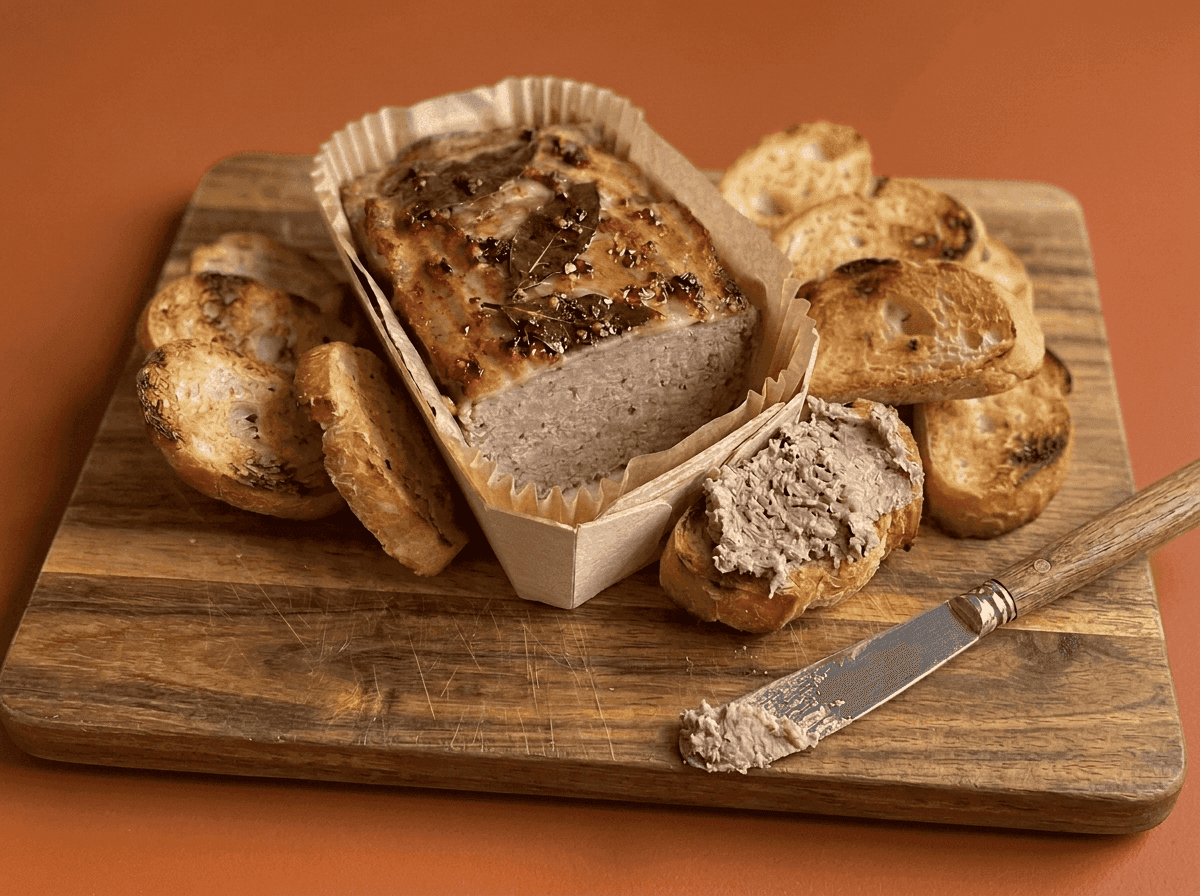 From our menuHouse Pâté + Baguette Toasts€17.35 · Made by us, delivered chilled.
This Belgian beer café classic combines flaky puff pastry with tangy goat cheese and briny anchovies in a stunning sun-dial pattern. The secret is par-baking the pastry first to keep it crisp under the creamy toppings. Ready in about an hour, this impressive tart serves 4-6 people and pairs beautifully with a cold Belgian ale.
Recipe by Christophe Rammant
Cordon Bleu Paris alumni - Two star Michelin kitchen experience
How Does This Create Such a Crisp, Flaky Base?
Traditional French pastry technique shows that preheating your baking sheet is the secret to avoiding soggy bottoms. When cold pastry hits the hot surface, it creates an instant burst of steam that lifts the layers and crisps the base from underneath.
Professional chefs know that docking—pricking the pastry with a fork—releases trapped steam so the center stays flat instead of puffing up like a balloon. The scored border acts as a frame, letting the edges rise freely while keeping your toppings level.
Food science shows that par-baking sets the pastry's structure before you add wet ingredients. This two-stage baking process means the dough can support the creamy sauce and cheese without collapsing or getting soggy.
Estimated nutrition per serving
Estimated from ingredient weights, not lab-tested.
- Calories
- 700
- Protein
- 22g
- Fat
- 50g
- Carbohydrates
- 43g
The weekly recipe note
Enjoyed this recipe? Get the next one first.
One new recipe each week from Christophe: global flavor, French technique, and practical home-cook timing.
By signing up, you agree to receive emails from Mr. Saucy.
Ingredients
Recipe yields 6 servings
For the Pastry Base
| Amount | Ingredient | Notes |
|---|---|---|
| 230 g (14 oz) | fresh puff pastry | use all-butter variety for best flavor |
| 1 large (50 g) | egg | beaten for egg wash |
For the Cream Sauce
| Amount | Ingredient | Notes |
|---|---|---|
| 35 g (3 tbsp) | tomato paste concentrate | double-concentrated Italian variety preferred |
| 196 g (1/2 cup) | sour cream | full-fat, room temperature |
| 1 g (1/2 tsp) | Espelette pepper | substitute with mild paprika if unavailable |
For the Toppings
| Amount | Ingredient | Notes |
|---|---|---|
| 45 g (12 pieces) | anchovy fillets | high-quality oil-packed, drained on paper towels |
| 30 g (2 tbsp) | capers | small nonpareil variety, drained and rinsed |
| 150 g (5 oz) | Belgian goat cheese | fresh chèvre style, room temperature, crumbled |
| 30 g (1/4 cup) | Parmigiano-Reggiano | freshly grated |
| to taste | fresh thyme | leaves only, optional garnish |
Instructions
Prep and Par-Bake the Pastry
- 1
Preheat with the Baking Sheet Inside
Preheat your oven to 200°C / 400°F with the baking sheet inside. The residual heat from the tray immediately hits the bottom of the pastry when you add it, creating that instant steam burst that prevents a soggy bottom and makes the layers crisp and flaky.
- 2
Roll and Score the Pastry
Roll the cold pastry to 3 mm (about 1/8 inch) thickness on parchment paper. Score a 1 cm (1/2 inch) border around the edge with a sharp knife, being careful not to cut all the way through. This border acts as a frame—it rises freely while the center stays flat to hold your toppings.
- 3
Dock the Center
Prick the center of the pastry repeatedly with a fork, making holes every inch or so. This docking releases steam during baking so the middle doesn't puff up like a balloon and stays flat enough to support the wet toppings.
- 4
Brush and Par-Bake
Brush only the border with beaten egg wash, avoiding the cut edges so the layers can rise freely. Carefully slide the parchment onto the hot baking sheet and bake for 12-15 minutes until the pastry is partially cooked and lightly golden. This par-baking sets the structure so it can hold the weight of the cream and cheese without collapsing.
Make the Sauce and Assemble
- 5
Mix the Cream Base
While the pastry bakes, whisk together the tomato paste, sour cream, and Espelette pepper until completely smooth. The fat in the sour cream carries the spice flavors throughout and balances the acidity of the tomato, creating a tangy, creamy base.
- 6
Spread and Arrange the Toppings
Remove the par-baked pastry from the oven and spread the cream mixture evenly inside the border. Arrange the anchovies in a sun-dial pattern radiating from the center—pat them very dry first so their oil doesn't separate and make the tart greasy. Scatter the capers between the anchovies.
- 7
Add the Cheese
Crumble the room-temperature goat cheese over the top, then sprinkle with freshly grated Parmesan. The combination gives you tangy creaminess from the goat cheese and a nutty, salty finish from the Parmesan.
Final Bake and Serve
- 8
Bake Until Golden
Return the tart to the oven and bake for another 10-12 minutes until the cheese is slightly browned and bubbling, and the pastry edges are deep golden brown. The cheese should be melted and just starting to caramelize at the edges.
- 9
Rest Before Slicing
Let the tart rest for 5 minutes before slicing. This allows the cheese to set slightly so your slices are clean and neat, and the flavors become more pronounced when served warm rather than piping hot. Garnish with fresh thyme leaves if desired.
The weekly recipe note
Enjoyed this recipe? Get the next one first.
One new recipe each week from Christophe: global flavor, French technique, and practical home-cook timing.
By signing up, you agree to receive emails from Mr. Saucy.
Tips & Tricks
your pastry has a soggy bottom:
Always preheat your baking sheet in the oven. Placing cold pastry onto a hot surface creates an immediate steam burst that lifts the layers and crisps the base from the very start.
the pastry puffs too much in the center during baking:
Quickly open the oven and pierce any large bubbles with a fork to deflate them. This keeps the center flat so your toppings sit level and look professional.
oil pools on top of your tart:
Pat your anchovies and capers bone-dry with paper towels before arranging them. Excess moisture or oil prevents the cream base from setting properly and makes the tart look greasy.
the pastry edges don't rise properly:
Keep the pastry as cold as possible until it goes into the oven, and avoid brushing egg wash on the cut edges. If the butter melts before baking or the layers get glued together, you lose that beautiful flaky rise.
you don't have Espelette pepper:
Use mild paprika or a tiny pinch of cayenne mixed with sweet paprika. Espelette has a gentle heat and fruity flavor, so you want warmth without overwhelming the delicate goat cheese.
your pastry has a soggy bottom:
Always preheat your baking sheet in the oven. Placing cold pastry onto a hot surface creates an immediate steam burst that lifts the layers and crisps the base from the very start.
the pastry puffs too much in the center during baking:
Quickly open the oven and pierce any large bubbles with a fork to deflate them. This keeps the center flat so your toppings sit level and look professional.
oil pools on top of your tart:
Pat your anchovies and capers bone-dry with paper towels before arranging them. Excess moisture or oil prevents the cream base from setting properly and makes the tart look greasy.
the pastry edges don't rise properly:
Keep the pastry as cold as possible until it goes into the oven, and avoid brushing egg wash on the cut edges. If the butter melts before baking or the layers get glued together, you lose that beautiful flaky rise.
you don't have Espelette pepper:
Use mild paprika or a tiny pinch of cayenne mixed with sweet paprika. Espelette has a gentle heat and fruity flavor, so you want warmth without overwhelming the delicate goat cheese.
Frequently Asked Questions
Can I make this tart ahead of time?
Partially, yes. You can par-bake the pastry base up to 4 hours in advance and store it at room temperature. Add the toppings just before the final bake so the pastry stays crisp and the sour cream doesn't soak into the dough and make it soggy.
What if I can't find Belgian goat cheese?
Use any high-quality fresh French chèvre or a mild, creamy goat cheese. Look for a 'fresh' style rather than an aged one—it should crumble easily and provide that signature tangy contrast to the salty anchovies without being too sharp.
Why is my puff pastry not rising on the edges?
This usually happens when egg wash drips down the cut sides of the pastry, essentially gluing the layers together. When brushing, be careful to only coat the top surface of the border and avoid the exposed edges where the layers separate.
Is there a substitute for anchovies?
If you're not a fan of anchovies, use sun-dried tomatoes or roasted red peppers for a similar umami punch. For that salty, briny hit without fish, try Kalamata olives or extra capers to maintain the Mediterranean flavor profile.
Can I use store-bought puff pastry?
Absolutely—that's what this recipe calls for. Just make sure to choose an all-butter variety rather than one made with vegetable shortening. The butter creates better flavor and those beautiful flaky layers that make puff pastry special.
How do I know when the tart is done?
Look for deep golden-brown pastry edges and cheese that's melted and just starting to brown on top. The center should look set, not wet or jiggly. If the edges brown too quickly, tent them loosely with foil for the last few minutes.
What should I serve this with?
This tart is perfect with a crisp Belgian ale or a dry white wine like Sauvignon Blanc. For a complete meal, serve it alongside a simple green salad dressed with lemon vinaigrette to cut through the richness of the cheese and anchovies.
Can I freeze leftover tart?
It's not ideal because the pastry loses its crispness when frozen and reheated. If you must, freeze individual slices wrapped tightly, then reheat in a 180°C / 350°F oven for 10-12 minutes. The texture won't be quite as good as fresh, but the flavor holds up well.
Can I make this tart ahead of time?
Partially, yes. You can par-bake the pastry base up to 4 hours in advance and store it at room temperature. Add the toppings just before the final bake so the pastry stays crisp and the sour cream doesn't soak into the dough and make it soggy.
What if I can't find Belgian goat cheese?
Use any high-quality fresh French chèvre or a mild, creamy goat cheese. Look for a 'fresh' style rather than an aged one—it should crumble easily and provide that signature tangy contrast to the salty anchovies without being too sharp.
Why is my puff pastry not rising on the edges?
This usually happens when egg wash drips down the cut sides of the pastry, essentially gluing the layers together. When brushing, be careful to only coat the top surface of the border and avoid the exposed edges where the layers separate.
Is there a substitute for anchovies?
If you're not a fan of anchovies, use sun-dried tomatoes or roasted red peppers for a similar umami punch. For that salty, briny hit without fish, try Kalamata olives or extra capers to maintain the Mediterranean flavor profile.
Can I use store-bought puff pastry?
Absolutely—that's what this recipe calls for. Just make sure to choose an all-butter variety rather than one made with vegetable shortening. The butter creates better flavor and those beautiful flaky layers that make puff pastry special.
How do I know when the tart is done?
Look for deep golden-brown pastry edges and cheese that's melted and just starting to brown on top. The center should look set, not wet or jiggly. If the edges brown too quickly, tent them loosely with foil for the last few minutes.
What should I serve this with?
This tart is perfect with a crisp Belgian ale or a dry white wine like Sauvignon Blanc. For a complete meal, serve it alongside a simple green salad dressed with lemon vinaigrette to cut through the richness of the cheese and anchovies.
Can I freeze leftover tart?
It's not ideal because the pastry loses its crispness when frozen and reheated. If you must, freeze individual slices wrapped tightly, then reheat in a 180°C / 350°F oven for 10-12 minutes. The texture won't be quite as good as fresh, but the flavor holds up well.
Recipe Reviews
No reviews yet — Be the first to review this recipe!
The collection
All recipesVenison Fillet Recipe with Blackberry Juniper Jus
This venison fillet recipe gives you tender, rosy meat with a quick sear and gentle roasting. Serve it with silky celeriac mousseline, honey-glazed carrots, blackberry-juniper jus, and crisp hazelnuts. Plan about 3 hours for cooking and resting, plus advance chilling if you dry-season the venison overnight. It serves 4.
180 min · Intermediate · Belgium
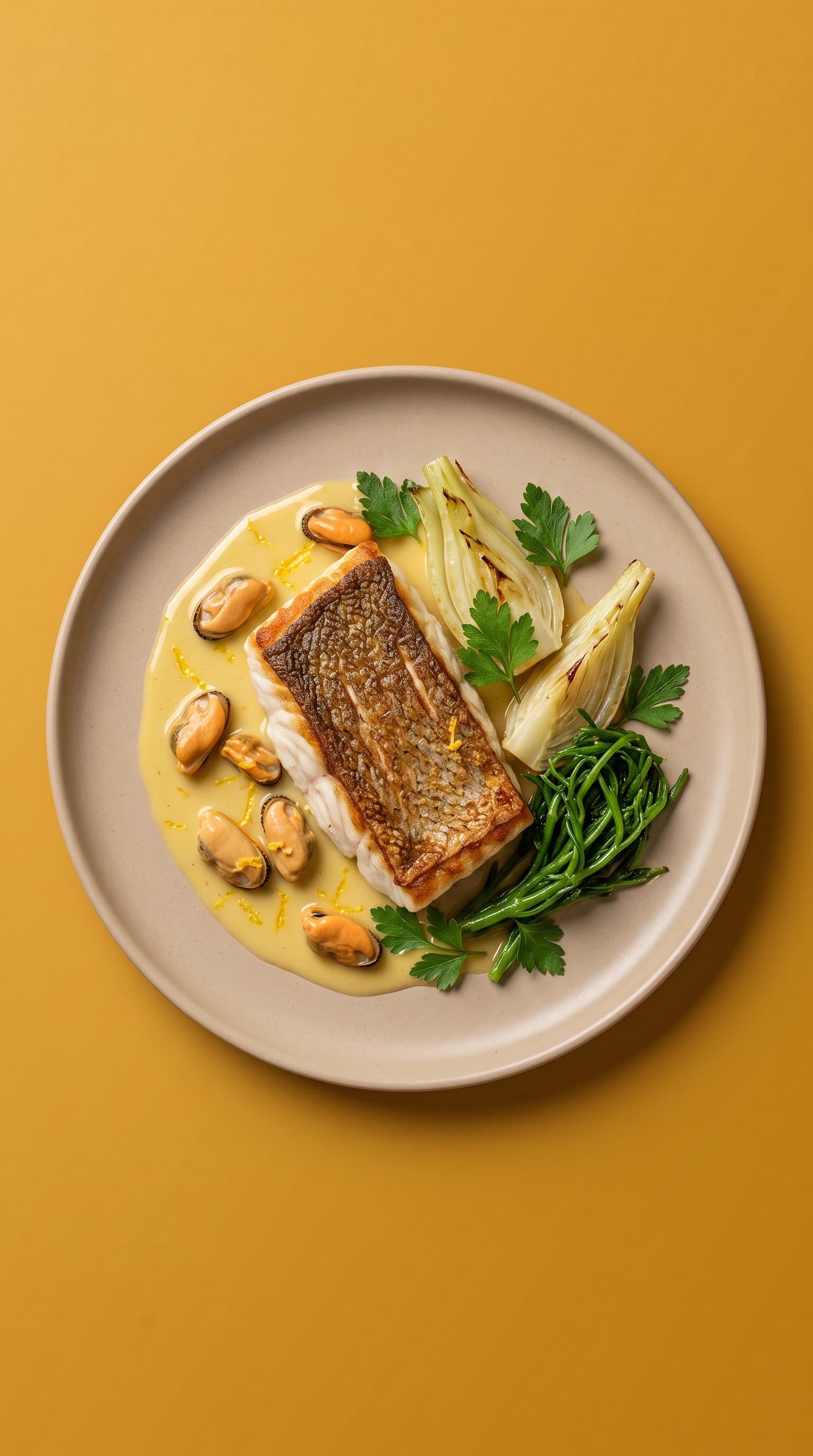
John Dory Recipe with Saffron Mussel Sauce
This John Dory recipe pairs crisp, golden skin with sweet confit fennel, tender sea aster, and a silky saffron mussel sauce. Steam the mussels first, reduce their liquor, and finish the sauce with cold butter. The dish takes about 1 hour 45 minutes and serves 4 for a special dinner.
105 min · Intermediate · Belgium
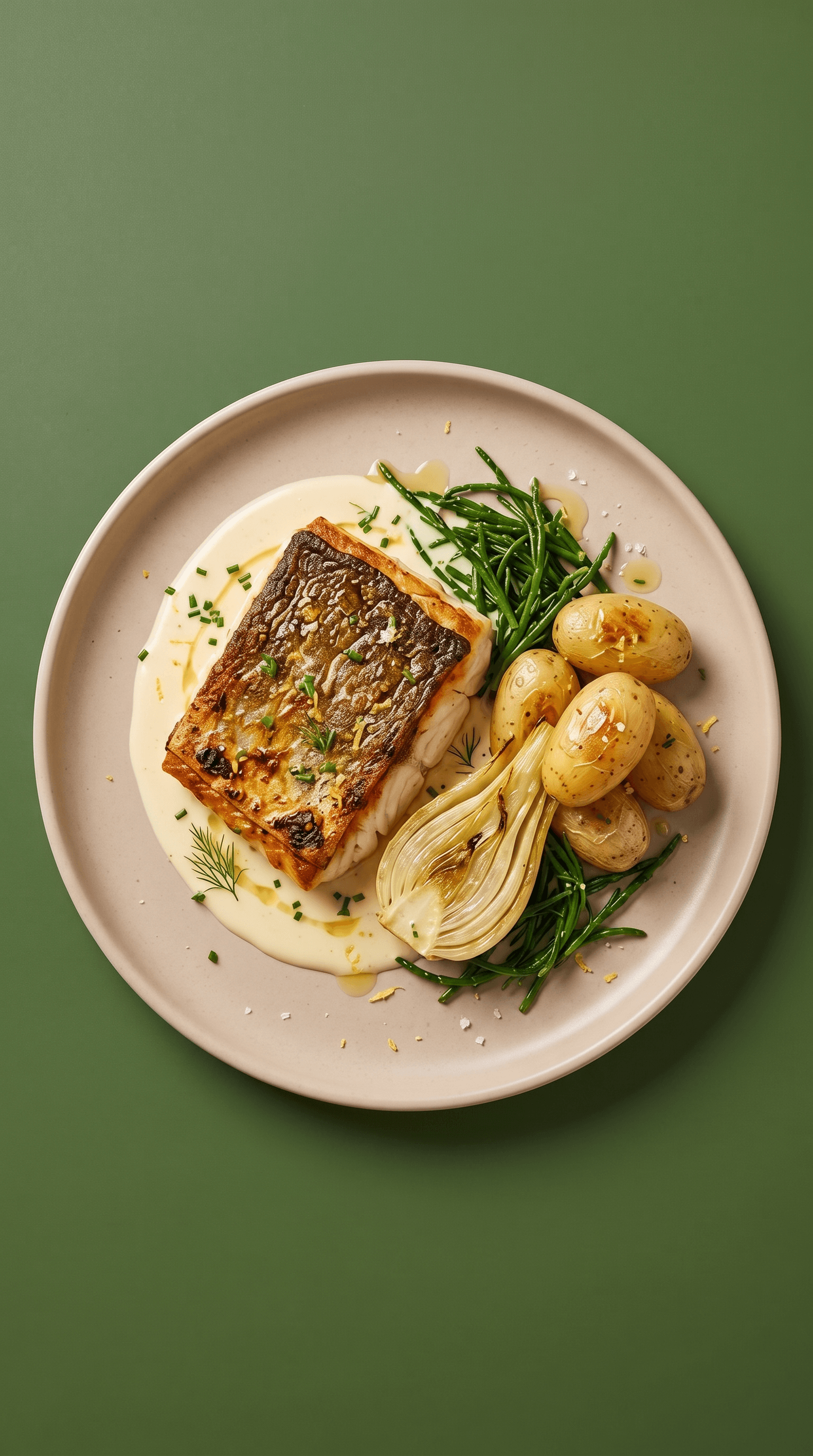
Roasted Turbot Recipe with Vermouth Beurre Blanc and Fennel
This roasted turbot recipe pairs a crisp-skinned, oven-finished fillet with a silky vermouth beurre blanc, buttery braised fennel, and confit-style baby potatoes. The trick is a hard sear for color, then a gentle 180°C / 356°F oven finish so the delicate flesh stays moist. It takes about 90 minutes total and serves 4.
90 min · Intermediate · Belgium