Belgian Endive and Meat Puff Tart
55 min · Medium · Serves 4-6
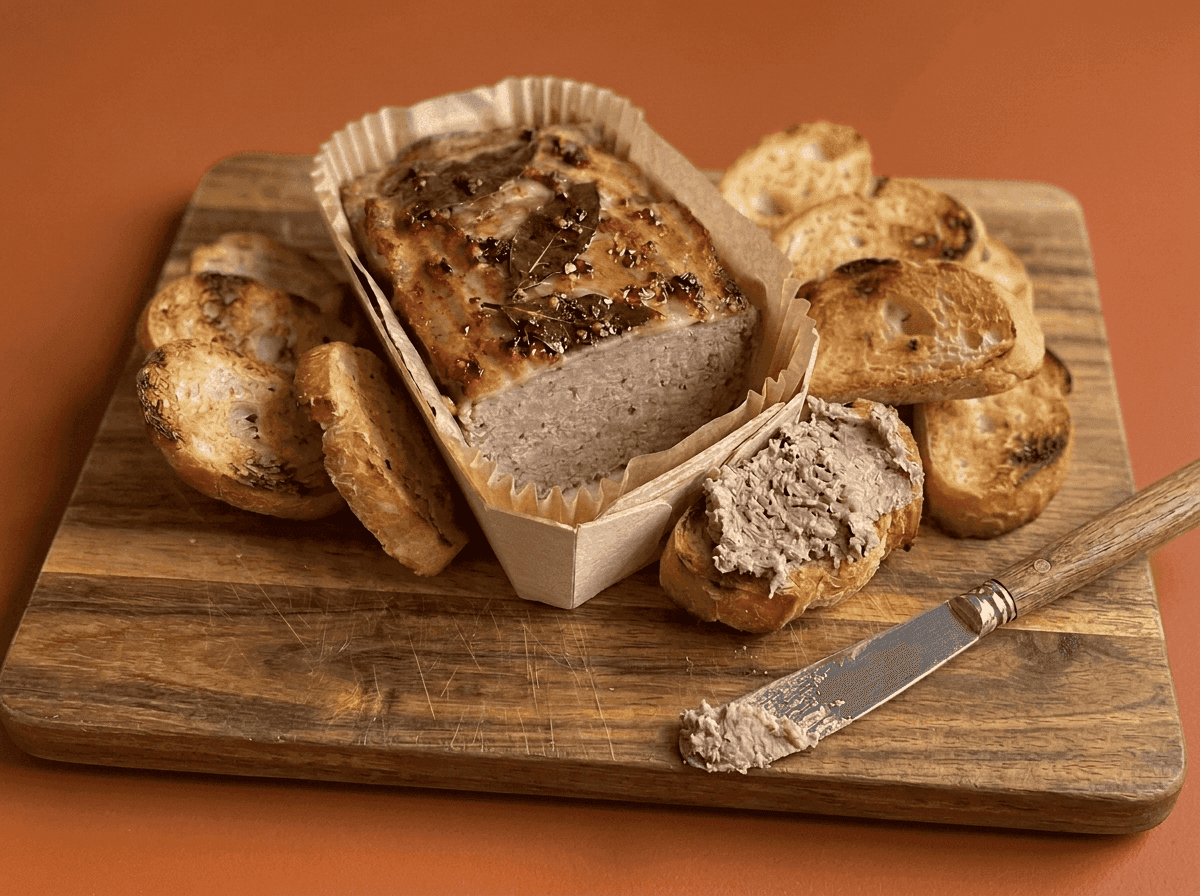 From our menuHouse Pâté + Baguette Toasts€17.35 · Made by us, delivered chilled.
This Belgian Endive and Meat Puff Tart is a sophisticated savory pastry that combines crispy puff pastry with a creamy nutmeg-scented béchamel, triple-meat blend, and tender Belgian endives. The key technique is blind-baking the pastry first to keep it crisp, then finishing with a bright lemon zest that cuts through the richness. Total time is 55 minutes and serves 4-6 people as an elegant appetizer or main course.
Recipe by Christophe Rammant
Cordon Bleu Paris alumni - Two star Michelin kitchen experience
What Makes This Tart Stay Crispy Despite the Creamy Filling?
Traditional French technique shows that blind-baking—partially cooking the pastry before adding toppings—creates a moisture barrier. The heat sets the gluten structure and evaporates surface moisture, so when you add the wet béchamel later, the pastry stays crisp instead of turning soggy.
Professional chefs know that docking (pricking holes in the pastry) controls how it puffs. The fork holes let trapped steam escape from the center while leaving the edges intact to rise into a golden frame that holds all the filling.
Food science shows that cooking the meat directly on the tart releases its juices into the sauce below. This creates layers of flavor as the meat browns at 400°F / 200°C while its fat and drippings enrich the béchamel underneath.
Estimated nutrition per serving
Estimated from ingredient weights, not lab-tested.
- Calories
- 343
- Protein
- 17g
- Fat
- 26g
- Carbohydrates
- 10g
The weekly recipe note
Enjoyed this recipe? Get the next one first.
One new recipe each week from Christophe: global flavor, French technique, and practical home-cook timing.
By signing up, you agree to receive emails from Mr. Saucy.
Ingredients
Recipe yields 4-6 servings
For the Pastry Base
| Amount | Ingredient | Notes |
|---|---|---|
| 1 sheet | all-butter puff pastry | thawed; use all-butter for best flavor |
For the Béchamel Sauce
| Amount | Ingredient | Notes |
|---|---|---|
| 30 g (2 tablespoons) | unsalted butter | diced; European butter preferred |
| 30 g (1/4 cup) | all-purpose flour | sifted |
| 200 ml (3/4 cup plus 1 tablespoon) | chicken stock | made from 1/4 stock cube dissolved in warm water |
| 100 ml (scant 1/2 cup) | whole milk | warm; full fat for creaminess |
| 1.25 g (1/4 teaspoon) | freshly grated nutmeg | essential flavor |
For the Filling
| Amount | Ingredient | Notes |
|---|---|---|
| 3 pieces | Belgian endives | trimmed, bitter core removed, chopped into 1 cm pieces |
| 250 g (about 9 oz) | pork, beef, and veal blend ground meat | 80/20 lean-to-fat ratio ideal |
| 25 g (1 small) | shallot | minced |
| 3 g (1 clove) | garlic | minced |
| 2 g (1 teaspoon) | smoked paprika | Spanish pimentón dulce recommended |
| 0.5 g (1/2 teaspoon) | crushed dried oregano | Greek oregano preferred |
| 40 g (1/3 cup) | Parmigiano-Reggiano | freshly grated |
| to taste | salt and black pepper | — |
For Finishing
| Amount | Ingredient | Notes |
|---|---|---|
| 2 g (from 1 lemon) | lemon zest | from 1 organic, unwaxed lemon |
| 15 ml (1 tablespoon) | extra virgin olive oil | for finishing |
Instructions
Prep the Pastry
- 1
Preheat and Prepare the Tray
Preheat your oven to 200°C / 400°F and line a baking sheet with parchment paper. This prevents sticking and ensures the pastry browns evenly on the bottom without burning.
- 2
Dock the Pastry (Control the Puff)
Prick the thawed puff pastry all over with a fork, leaving a 1 cm border around the edges. These holes let trapped steam escape so the center stays flat while the edges puff up into a beautiful golden frame.
- 3
Blind-Bake for Crispness
Bake the pastry for 5-7 minutes until lightly golden. This partial bake sets the structure and creates a moisture barrier, so when you add the wet béchamel later, the bottom stays crisp instead of soggy.
Make the Béchamel
- 4
Create the Roux Base
Melt the butter in a saucepan over medium heat, then whisk in the flour. Cook for 2 minutes, stirring constantly. This brief cooking removes the raw flour taste without browning the butter, giving you a smooth, neutral base.
- 5
Add Liquids Slowly (No Lumps)
Slowly whisk in the warm stock and milk, a little at a time. Using warm liquids prevents lumps from forming because the temperature stays consistent. Keep whisking until the sauce thickens and coats the back of a spoon, about 3-4 minutes.
- 6
Season with Nutmeg
Stir in the freshly grated nutmeg and season with salt and pepper. Nutmeg is the classic French béchamel spice—it adds warmth without overpowering the delicate dairy flavors.
Assemble and Bake
- 7
Prepare the Endives
Remove the cone-shaped root at the bottom of each endive—this is where the intense bitterness lives. Chop the remaining leaves into 1 cm pieces. Removing the core lets the delicate, nutty sweetness shine through.
- 8
Layer the Tart
Spread the béchamel evenly over the pre-baked pastry. Top with the raw meat blend, chopped endives, minced shallot, garlic, smoked paprika, oregano, and grated Parmigiano-Reggiano. The meat cooks directly on the tart, releasing its juices into the sauce below for maximum flavor.
- 9
Bake Until Golden
Bake for 12-15 minutes at 200°C / 400°F until the meat is fully cooked and the pastry edges are deep golden brown. The high heat browns the meat and crisps the pastry while the béchamel bubbles underneath.
Finish and Serve
- 10
Add Fresh Lemon Zest
Immediately zest a fresh lemon over the hot tart using a microplane. The residual heat releases the essential oils in the zest, providing a bright, aromatic contrast that cuts through the rich meat and creamy sauce.
- 11
Rest Before Slicing
Let the tart rest for 5 minutes before slicing. This allows the sauce to set slightly, ensuring clean cuts and distinct layers instead of a runny mess.
- 12
Drizzle and Serve
Drizzle with extra virgin olive oil and serve warm. The fruity oil adds a final layer of richness and makes each slice glisten.
The weekly recipe note
Enjoyed this recipe? Get the next one first.
One new recipe each week from Christophe: global flavor, French technique, and practical home-cook timing.
By signing up, you agree to receive emails from Mr. Saucy.
Tips & Tricks
your pastry bottom is soggy:
Always blind-bake the pastry for 5-7 minutes before adding wet toppings. This creates a moisture barrier that keeps the bottom crisp even after the béchamel goes on.
your béchamel is lumpy:
Remove from heat immediately and whisk vigorously. If lumps remain, pass the sauce through a fine-mesh strainer to restore smoothness. Next time, make sure your liquids are warm before adding.
the endives taste too bitter:
Lightly sauté the chopped endives with a pinch of sugar for 2-3 minutes before adding to the tart. This caramelizes their natural sugars and mellows the bitterness.
the pastry center puffs up despite docking:
Prick the bubbles with a fork immediately after taking the tart out of the oven. The steam escapes and the pastry deflates back down.
you don't have a triple-meat blend:
Use 100% ground beef or a 50/50 mix of pork and beef. Just make sure it has about 20% fat content so the tart stays juicy during the high-heat bake.
you don't have Parmigiano-Reggiano:
Substitute with Gruyère or sharp white cheddar. Both melt beautifully and complement the earthy flavor of Belgian endives.
your pastry bottom is soggy:
Always blind-bake the pastry for 5-7 minutes before adding wet toppings. This creates a moisture barrier that keeps the bottom crisp even after the béchamel goes on.
your béchamel is lumpy:
Remove from heat immediately and whisk vigorously. If lumps remain, pass the sauce through a fine-mesh strainer to restore smoothness. Next time, make sure your liquids are warm before adding.
the endives taste too bitter:
Lightly sauté the chopped endives with a pinch of sugar for 2-3 minutes before adding to the tart. This caramelizes their natural sugars and mellows the bitterness.
the pastry center puffs up despite docking:
Prick the bubbles with a fork immediately after taking the tart out of the oven. The steam escapes and the pastry deflates back down.
you don't have a triple-meat blend:
Use 100% ground beef or a 50/50 mix of pork and beef. Just make sure it has about 20% fat content so the tart stays juicy during the high-heat bake.
you don't have Parmigiano-Reggiano:
Substitute with Gruyère or sharp white cheddar. Both melt beautifully and complement the earthy flavor of Belgian endives.
Frequently Asked Questions
Can I make this tart ahead of time?
Partially. You can prepare the béchamel sauce and chop the endives up to 24 hours in advance and store them covered in the fridge. However, for the best texture, assemble and bake the tart just before serving. Puff pastry loses its signature crispness if it sits with wet toppings for too long.
What if I can't find a triple-meat blend?
No problem. While the pork-beef-veal mix offers traditional Belgian depth of flavor, you can easily substitute with 100% ground beef or a 50/50 mix of pork and beef. Just ensure the meat has about 20% fat content so the tart remains juicy during the high-heat bake.
Why do I need to remove the endive core?
The small, hard white cone at the base of the endive contains the highest concentration of lactucarium, which is very bitter. Removing it allows the delicate, nutty sweetness of the leaves to shine through without overpowering the other ingredients in the tart.
Can I use a different type of cheese?
Yes. Parmigiano-Reggiano provides a salty, umami punch that cuts through the rich béchamel, but if you don't have it, Gruyère or a sharp white cheddar are excellent alternatives. Both melt well and complement the earthy flavor of Belgian endives.
How do I know when the meat is fully cooked?
The meat should reach an internal temperature of 160°F / 71°C for food safety. Visually, it will turn from pink to brown and the juices will run clear. If you're unsure, use an instant-read thermometer to check.
Can I freeze this tart?
It's not recommended. Puff pastry loses its flaky texture when frozen after baking, and the béchamel can separate when reheated. This tart is best enjoyed fresh from the oven or within a few hours of baking.
What if I don't have parchment paper?
Lightly grease your baking sheet with butter or oil instead. Parchment makes cleanup easier and prevents sticking, but a greased pan works in a pinch. Just watch the bottom closely to avoid burning.
Why does the recipe call for warm milk and stock?
Warm liquids blend smoothly into the roux without forming lumps. Cold liquids cause the butter in the roux to seize up, creating clumps that are hard to whisk out. Warming them to about 120°F / 49°C ensures a silky, smooth béchamel.
Can I make this tart ahead of time?
Partially. You can prepare the béchamel sauce and chop the endives up to 24 hours in advance and store them covered in the fridge. However, for the best texture, assemble and bake the tart just before serving. Puff pastry loses its signature crispness if it sits with wet toppings for too long.
What if I can't find a triple-meat blend?
No problem. While the pork-beef-veal mix offers traditional Belgian depth of flavor, you can easily substitute with 100% ground beef or a 50/50 mix of pork and beef. Just ensure the meat has about 20% fat content so the tart remains juicy during the high-heat bake.
Why do I need to remove the endive core?
The small, hard white cone at the base of the endive contains the highest concentration of lactucarium, which is very bitter. Removing it allows the delicate, nutty sweetness of the leaves to shine through without overpowering the other ingredients in the tart.
Can I use a different type of cheese?
Yes. Parmigiano-Reggiano provides a salty, umami punch that cuts through the rich béchamel, but if you don't have it, Gruyère or a sharp white cheddar are excellent alternatives. Both melt well and complement the earthy flavor of Belgian endives.
How do I know when the meat is fully cooked?
The meat should reach an internal temperature of 160°F / 71°C for food safety. Visually, it will turn from pink to brown and the juices will run clear. If you're unsure, use an instant-read thermometer to check.
Can I freeze this tart?
It's not recommended. Puff pastry loses its flaky texture when frozen after baking, and the béchamel can separate when reheated. This tart is best enjoyed fresh from the oven or within a few hours of baking.
What if I don't have parchment paper?
Lightly grease your baking sheet with butter or oil instead. Parchment makes cleanup easier and prevents sticking, but a greased pan works in a pinch. Just watch the bottom closely to avoid burning.
Why does the recipe call for warm milk and stock?
Warm liquids blend smoothly into the roux without forming lumps. Cold liquids cause the butter in the roux to seize up, creating clumps that are hard to whisk out. Warming them to about 120°F / 49°C ensures a silky, smooth béchamel.
Recipe Reviews
No reviews yet — Be the first to review this recipe!
The collection
All recipesVenison Fillet Recipe with Blackberry Juniper Jus
This venison fillet recipe gives you tender, rosy meat with a quick sear and gentle roasting. Serve it with silky celeriac mousseline, honey-glazed carrots, blackberry-juniper jus, and crisp hazelnuts. Plan about 3 hours for cooking and resting, plus advance chilling if you dry-season the venison overnight. It serves 4.
180 min · Intermediate · Belgium
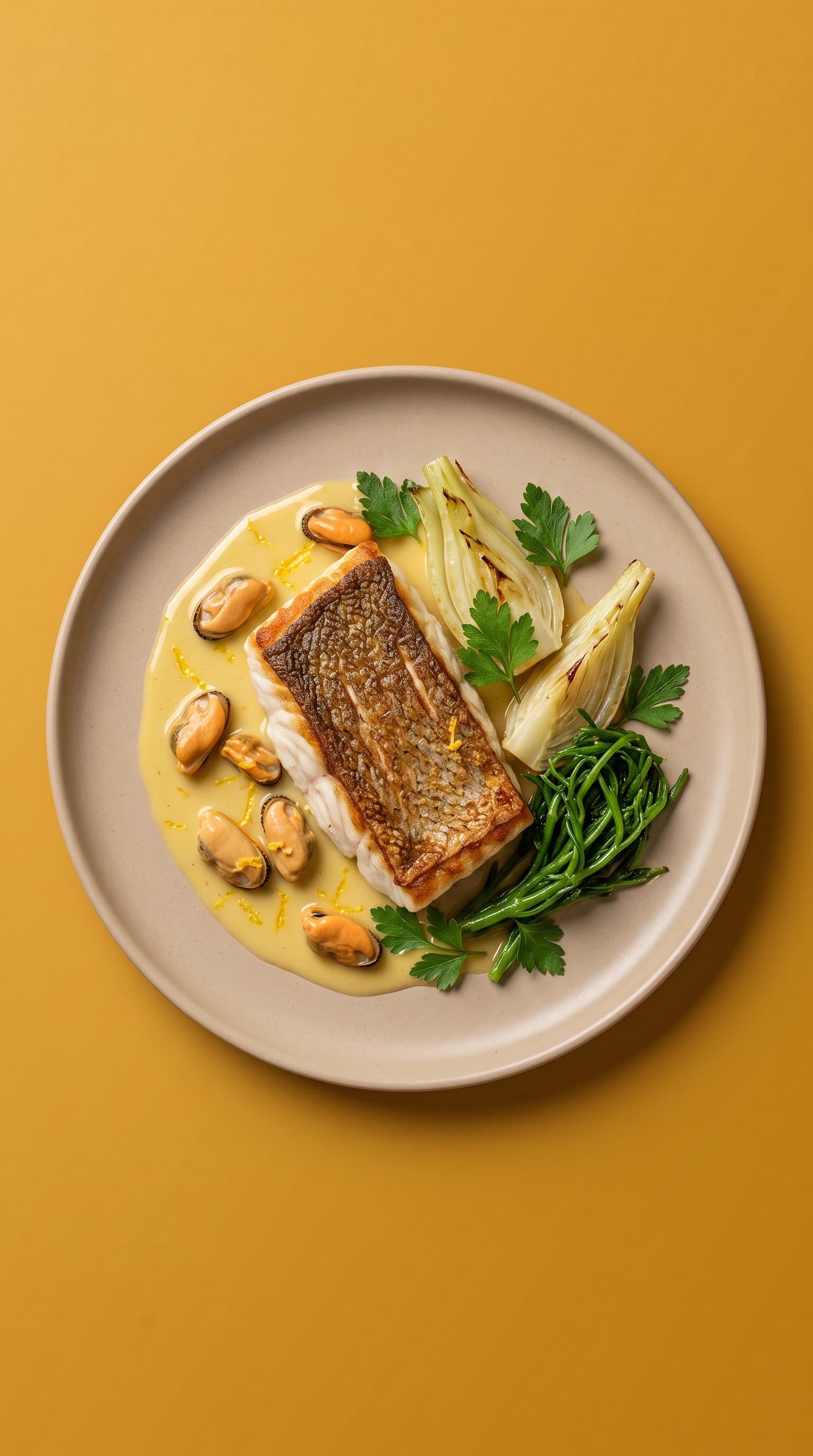
John Dory Recipe with Saffron Mussel Sauce
This John Dory recipe pairs crisp, golden skin with sweet confit fennel, tender sea aster, and a silky saffron mussel sauce. Steam the mussels first, reduce their liquor, and finish the sauce with cold butter. The dish takes about 1 hour 45 minutes and serves 4 for a special dinner.
105 min · Intermediate · Belgium
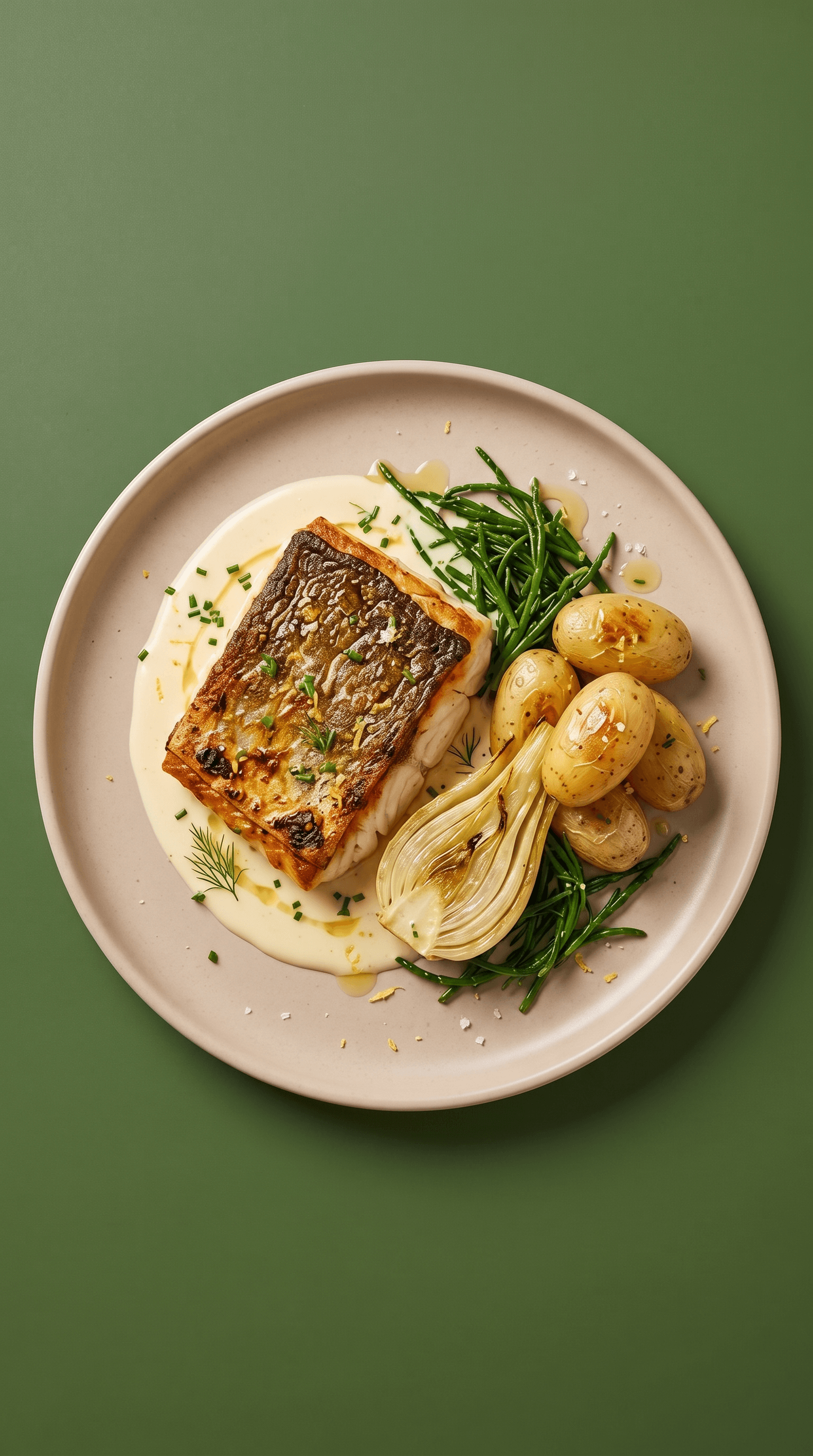
Roasted Turbot Recipe with Vermouth Beurre Blanc and Fennel
This roasted turbot recipe pairs a crisp-skinned, oven-finished fillet with a silky vermouth beurre blanc, buttery braised fennel, and confit-style baby potatoes. The trick is a hard sear for color, then a gentle 180°C / 356°F oven finish so the delicate flesh stays moist. It takes about 90 minutes total and serves 4.
90 min · Intermediate · Belgium