Authentic Spaghetti Carbonara
15 min · Medium · Serves 4
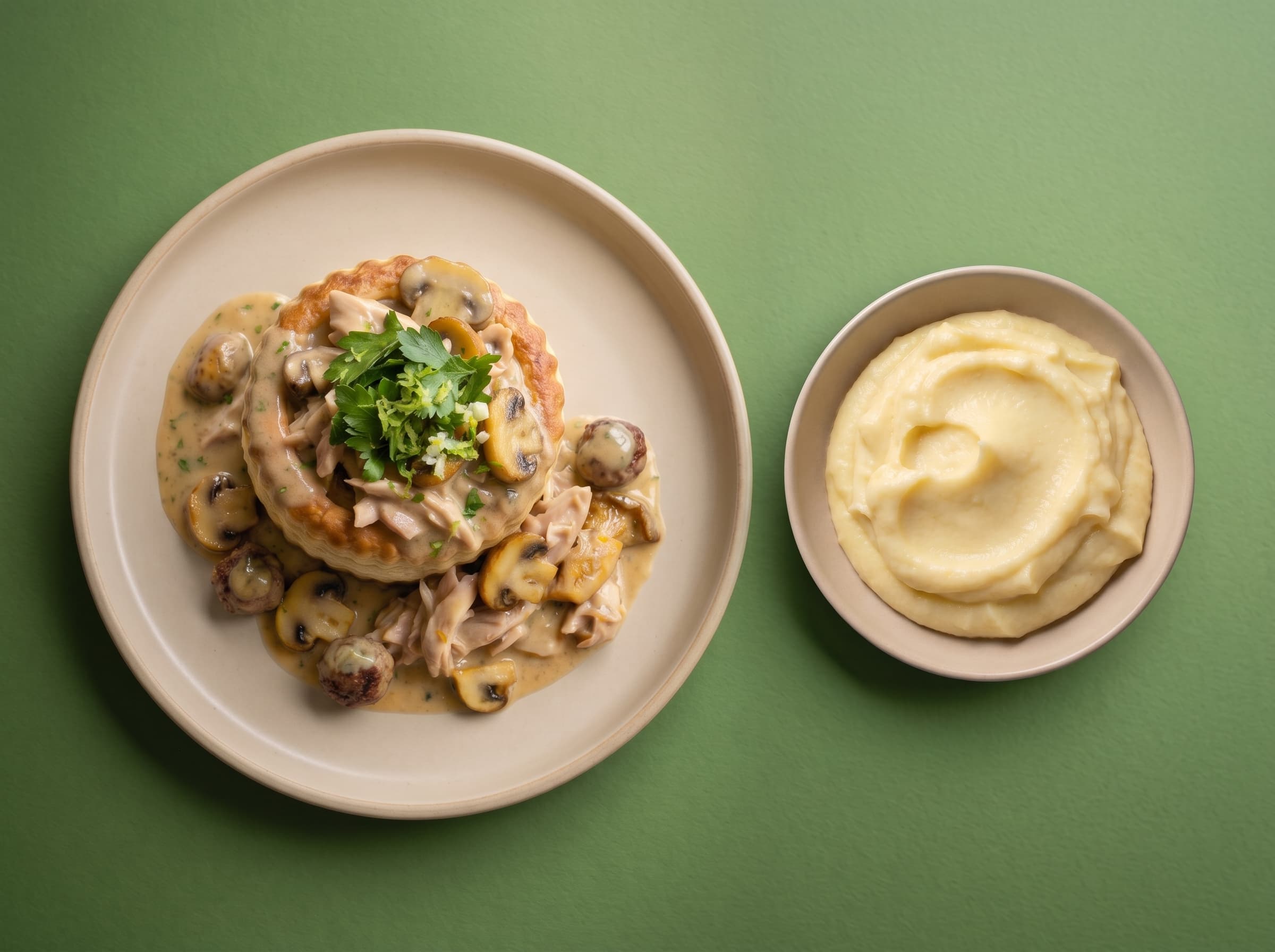 From our menuVol-au-Vent East meets West€19.95 · Made by us, delivered chilled.
This is the real Roman carbonara—no cream, just eggs, cheese, and pork fat creating a silky sauce through gentle heat. The secret is using the pasta's warmth (around 160°F / 70°C) to cook the eggs into a glossy coating without scrambling them. Ready in 15 minutes, serves 4.
Recipe by Christophe Rammant
Cordon Bleu Paris alumni - Two star Michelin kitchen experience
How Does This Create Such a Creamy Sauce Without Any Cream?
Traditional Roman technique relies on a stable emulsion—the starchy pasta water acts as a bridge between the fat from the guanciale and the proteins in the eggs. Food science shows that this starch coats the fat droplets and prevents them from separating, creating that restaurant-quality silkiness.
Professional chefs know the magic happens at exactly the right temperature. When you toss the eggs with pasta that's around 160°F / 70°C (not on the flame), the proteins gently thicken into a sauce instead of scrambling. Too hot and you get lumpy curds, too cool and the sauce stays runny.
The aged Pecorino Romano does double duty—its salty, sharp flavor seasons the dish while its proteins help stabilize the emulsion. Freshly grated cheese melts smoothly into the egg mixture, while pre-grated versions with anti-clumping agents can make your sauce grainy and broken.
Estimated nutrition per serving
Estimated from ingredient weights, not lab-tested.
- Calories
- 819
- Protein
- 28g
- Fat
- 43g
- Carbohydrates
- 76g
The weekly recipe note
Enjoyed this recipe? Get the next one first.
One new recipe each week from Christophe: global flavor, French technique, and practical home-cook timing.
By signing up, you agree to receive emails from Mr. Saucy.
Ingredients
Recipe yields 4 servings
For the Pasta
| Amount | Ingredient | Notes |
|---|---|---|
| 400 g (14 oz) | spaghetti | bronze-cut dried pasta for best texture |
| 40 g (3 tablespoons) | salt | for pasta water only |
For the Sauce
| Amount | Ingredient | Notes |
|---|---|---|
| 200 g (7 oz) | guanciale | cut into 1 cm x 2 cm lardons; do not substitute with pancetta or bacon |
| 6 large | egg yolks | room temperature, freshest possible |
| 2 large | whole eggs | room temperature |
| 120 g (1 cup) | Pecorino Romano | aged 24 months minimum, freshly grated (100 g for sauce, 20 g for garnish) |
| 2 teaspoons | black pepper | freshly cracked Tellicherry peppercorns preferred |
Instructions
Prep the Base
- 1
Boil the Pasta Water (The Seasoning Step)
Bring 4 liters (16 cups) of water to a rolling boil with 40 g of salt—this creates a 10% salinity that seasons the pasta from the inside as it absorbs water. The high salt level is essential because you won't add any more salt to the finished dish.
- 2
Make the Egg Mixture (Your Sauce Base)
Whisk the 6 egg yolks, 2 whole eggs, 100 g of Pecorino, and 1.5 teaspoons of pepper in a heatproof bowl until smooth and creamy. Room temperature eggs blend more easily and won't shock the emulsion later when you add the hot pasta water.
Cook the Components
- 3
Cook the Spaghetti (Al Dente is Key)
Add the spaghetti to the boiling water and cook for 2 minutes less than the package instructions. This slightly underdone texture—called al dente—means the pasta will finish cooking perfectly when you toss it with the sauce, absorbing flavor without turning mushy.
- 4
Render the Guanciale (Create the Flavorful Fat)
While the pasta cooks, place the guanciale lardons in a cold heavy-bottomed pan and turn the heat to medium. Cook for 6-8 minutes until the fat turns translucent and the edges are golden and crispy. This slow rendering extracts maximum flavor and creates the 'oil' that will bind your sauce.
- 5
Reserve the Pasta Water (Your Secret Weapon)
Before draining, scoop out 300 ml (1¼ cups) of the starchy pasta water and set aside. This cloudy liquid is packed with starch that acts as a natural emulsifier—it's what transforms separated fat and eggs into a cohesive, glossy sauce.
Build the Emulsion
- 6
Toss Pasta with Guanciale (Off the Heat)
Remove the pan from the burner completely. Add the drained pasta to the guanciale and toss for 30 seconds to coat every strand. The rendered fat creates a protective layer that helps the egg sauce cling to the noodles instead of pooling at the bottom of the bowl.
- 7
Temper the Eggs (The Critical Step)
Whisk 60 ml (¼ cup) of the reserved pasta water into the egg mixture to warm it gently. Pour this over the pasta and toss constantly with tongs for 1-2 minutes. The residual heat of the pasta—around 160°F / 70°C—gently cooks the eggs into a silky sauce without scrambling them. Never put the pan back on the flame.
- 8
Adjust and Serve (Get the Perfect Consistency)
Add more pasta water 1 tablespoon at a time, tossing constantly, until the sauce is glossy and coats every strand like a ribbon. It should look creamy but not soupy. Serve immediately on warmed plates, topped with the remaining 20 g of Pecorino and extra black pepper.
The weekly recipe note
Enjoyed this recipe? Get the next one first.
One new recipe each week from Christophe: global flavor, French technique, and practical home-cook timing.
By signing up, you agree to receive emails from Mr. Saucy.
Tips & Tricks
your sauce turns into scrambled eggs:
The pan was too hot. Always remove it completely from the heat before adding the egg mixture. The pasta's warmth (around 160°F / 70°C) is enough to cook the eggs gently. If it happens, start over—there's no fixing scrambled carbonara.
the sauce is too thick and sticky:
Add reserved pasta water one tablespoon at a time while tossing. The starch in that water loosens the sauce and helps it coat the noodles smoothly. Keep adding until it looks glossy and flows like heavy cream.
the sauce is watery and won't cling:
You added too much pasta water too quickly. Keep tossing over very low heat (or off the heat) to let some moisture evaporate. The constant motion helps the emulsion tighten up as it cools slightly.
the cheese is clumping instead of melting:
Pre-grated cheese has anti-clumping agents that prevent smooth melting. Always grate aged Pecorino Romano yourself using the finest holes on your grater. The cheese should look like fresh snow—fine and fluffy.
you don't have guanciale:
Pancetta is the closest substitute (though less funky and rich). Cut it into small pieces and render it the same way. Avoid bacon—the smoky flavor overpowers the delicate egg and cheese. If you must use bacon, choose unsmoked.
you need to serve this at a dinner party:
Prep everything ahead—grate the cheese, cut the guanciale, crack the eggs into a bowl—but only cook the pasta and build the sauce when guests are seated. Carbonara waits for no one; it sets as it cools and can't be reheated successfully.
your sauce turns into scrambled eggs:
The pan was too hot. Always remove it completely from the heat before adding the egg mixture. The pasta's warmth (around 160°F / 70°C) is enough to cook the eggs gently. If it happens, start over—there's no fixing scrambled carbonara.
the sauce is too thick and sticky:
Add reserved pasta water one tablespoon at a time while tossing. The starch in that water loosens the sauce and helps it coat the noodles smoothly. Keep adding until it looks glossy and flows like heavy cream.
the sauce is watery and won't cling:
You added too much pasta water too quickly. Keep tossing over very low heat (or off the heat) to let some moisture evaporate. The constant motion helps the emulsion tighten up as it cools slightly.
the cheese is clumping instead of melting:
Pre-grated cheese has anti-clumping agents that prevent smooth melting. Always grate aged Pecorino Romano yourself using the finest holes on your grater. The cheese should look like fresh snow—fine and fluffy.
you don't have guanciale:
Pancetta is the closest substitute (though less funky and rich). Cut it into small pieces and render it the same way. Avoid bacon—the smoky flavor overpowers the delicate egg and cheese. If you must use bacon, choose unsmoked.
you need to serve this at a dinner party:
Prep everything ahead—grate the cheese, cut the guanciale, crack the eggs into a bowl—but only cook the pasta and build the sauce when guests are seated. Carbonara waits for no one; it sets as it cools and can't be reheated successfully.
Frequently Asked Questions
Can I substitute bacon or pancetta for guanciale?
You can, but it won't taste authentic. Guanciale is cured pork cheek with more fat and a peppery funk that's essential to real carbonara. Bacon adds smokiness that overpowers the eggs and cheese. Pancetta is closer but milder. If you can't find guanciale, pancetta is your best bet.
Why is my carbonara sauce clumping or grainy?
Two common causes: pre-grated cheese with anti-clumping agents, or adding the eggs to a pan that's still too hot. Always grate high-quality aged Pecorino yourself, and remove the pan completely from the heat before adding the egg mixture. The pasta's residual warmth is all you need.
Can I make carbonara ahead of time for a dinner party?
No—carbonara is a live emulsion that sets as it cools and can't be reheated without breaking. Prep your ingredients ahead (grate cheese, cut guanciale, crack eggs), but cook the pasta and build the sauce only when your guests are ready to eat. It takes just 15 minutes start to finish.
What if I don't have a microplane for the cheese?
Use the finest holes on a standard box grater. You want a snow-like consistency—fine and fluffy. Large shreds won't melt quickly into the warm egg mixture, which leads to lumps instead of that smooth, velvety coating on your spaghetti.
How do I know when the sauce is the right consistency?
It should coat the spaghetti like a glossy ribbon—creamy but not soupy or sticky. When you lift the pasta with tongs, the sauce should cling to every strand and look silky. If it pools at the bottom of the pan, it's too thin. If it clumps, it's too thick.
Can I use a different type of pasta?
Yes, but choose long pasta like bucatini, fettuccine, or rigatoni. Bronze-cut pasta (look for rough, matte surfaces) grips the sauce better than smooth, shiny pasta. Avoid short shapes like penne—the sauce slides off instead of coating each piece.
Why do I need both egg yolks and whole eggs?
The yolks create richness and help the emulsion stay stable, while the whole eggs add just enough liquid to keep the sauce from being too thick. This 6-yolk, 2-whole-egg ratio is the traditional Roman formula that gives you the perfect creamy texture without being heavy.
What should I do with leftover carbonara?
Honestly, it doesn't reheat well—the emulsion breaks and the eggs can turn rubbery. If you must save it, store it in an airtight container for up to 1 day and reheat very gently in a pan with a splash of water, stirring constantly. But it's best to make only what you'll eat right away.
Can I substitute bacon or pancetta for guanciale?
You can, but it won't taste authentic. Guanciale is cured pork cheek with more fat and a peppery funk that's essential to real carbonara. Bacon adds smokiness that overpowers the eggs and cheese. Pancetta is closer but milder. If you can't find guanciale, pancetta is your best bet.
Why is my carbonara sauce clumping or grainy?
Two common causes: pre-grated cheese with anti-clumping agents, or adding the eggs to a pan that's still too hot. Always grate high-quality aged Pecorino yourself, and remove the pan completely from the heat before adding the egg mixture. The pasta's residual warmth is all you need.
Can I make carbonara ahead of time for a dinner party?
No—carbonara is a live emulsion that sets as it cools and can't be reheated without breaking. Prep your ingredients ahead (grate cheese, cut guanciale, crack eggs), but cook the pasta and build the sauce only when your guests are ready to eat. It takes just 15 minutes start to finish.
What if I don't have a microplane for the cheese?
Use the finest holes on a standard box grater. You want a snow-like consistency—fine and fluffy. Large shreds won't melt quickly into the warm egg mixture, which leads to lumps instead of that smooth, velvety coating on your spaghetti.
How do I know when the sauce is the right consistency?
It should coat the spaghetti like a glossy ribbon—creamy but not soupy or sticky. When you lift the pasta with tongs, the sauce should cling to every strand and look silky. If it pools at the bottom of the pan, it's too thin. If it clumps, it's too thick.
Can I use a different type of pasta?
Yes, but choose long pasta like bucatini, fettuccine, or rigatoni. Bronze-cut pasta (look for rough, matte surfaces) grips the sauce better than smooth, shiny pasta. Avoid short shapes like penne—the sauce slides off instead of coating each piece.
Why do I need both egg yolks and whole eggs?
The yolks create richness and help the emulsion stay stable, while the whole eggs add just enough liquid to keep the sauce from being too thick. This 6-yolk, 2-whole-egg ratio is the traditional Roman formula that gives you the perfect creamy texture without being heavy.
What should I do with leftover carbonara?
Honestly, it doesn't reheat well—the emulsion breaks and the eggs can turn rubbery. If you must save it, store it in an airtight container for up to 1 day and reheat very gently in a pan with a splash of water, stirring constantly. But it's best to make only what you'll eat right away.
Recipe Reviews
No reviews yet — Be the first to review this recipe!
The collection
All recipes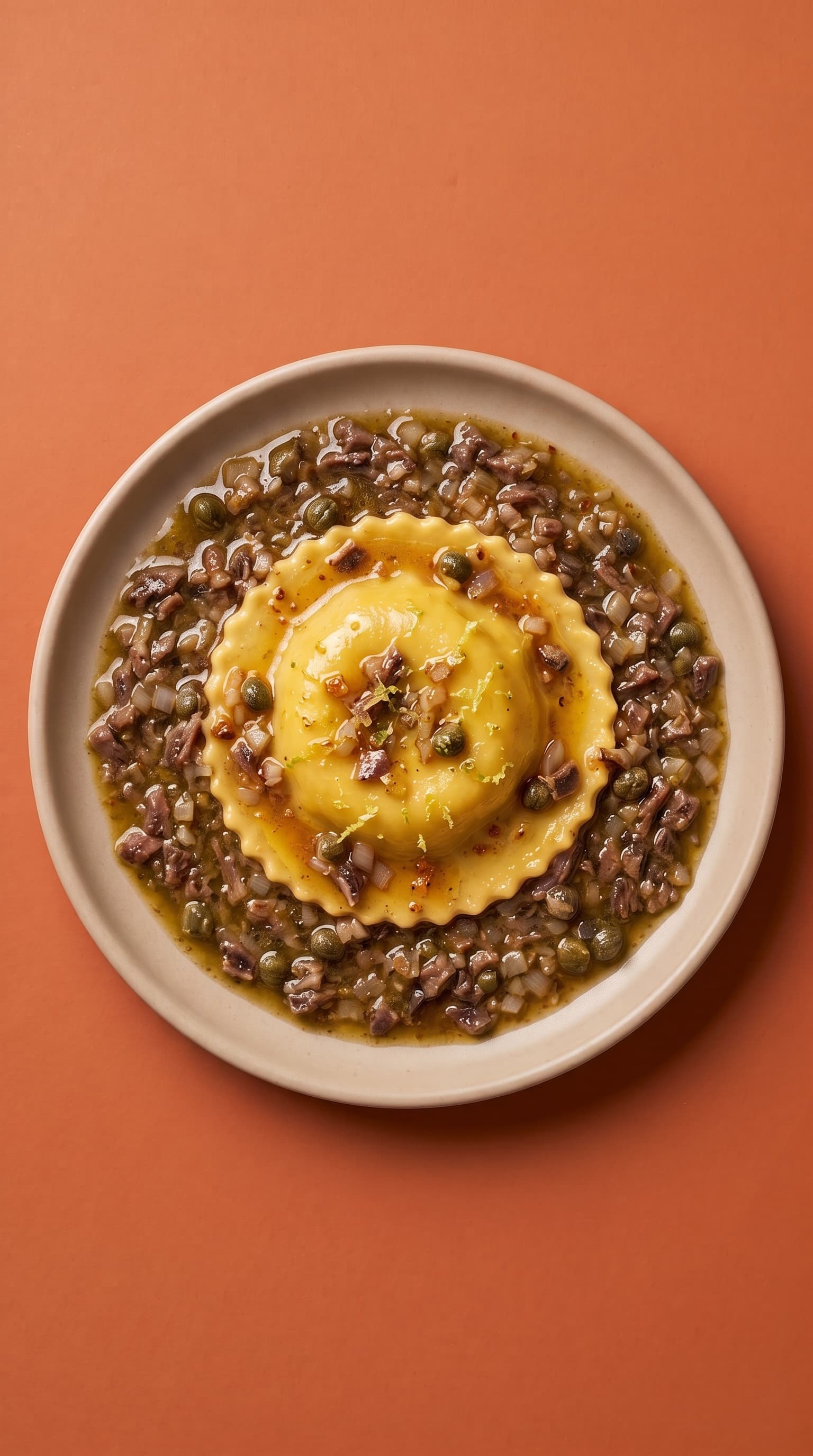
Egg Yolk Ravioli with Brown Butter Anchoïade
This showstopper egg yolk ravioli wraps a whole runny yolk inside a thin golden pasta parcel, then drowns it in nutty brown butter with anchovy, capers, and lemon. The key trick is a ricotta ring that cradles and protects the yolk. Ready in about 75 minutes, it serves 4 as a stunning appetizer.
75 min · Intermediate · Italy
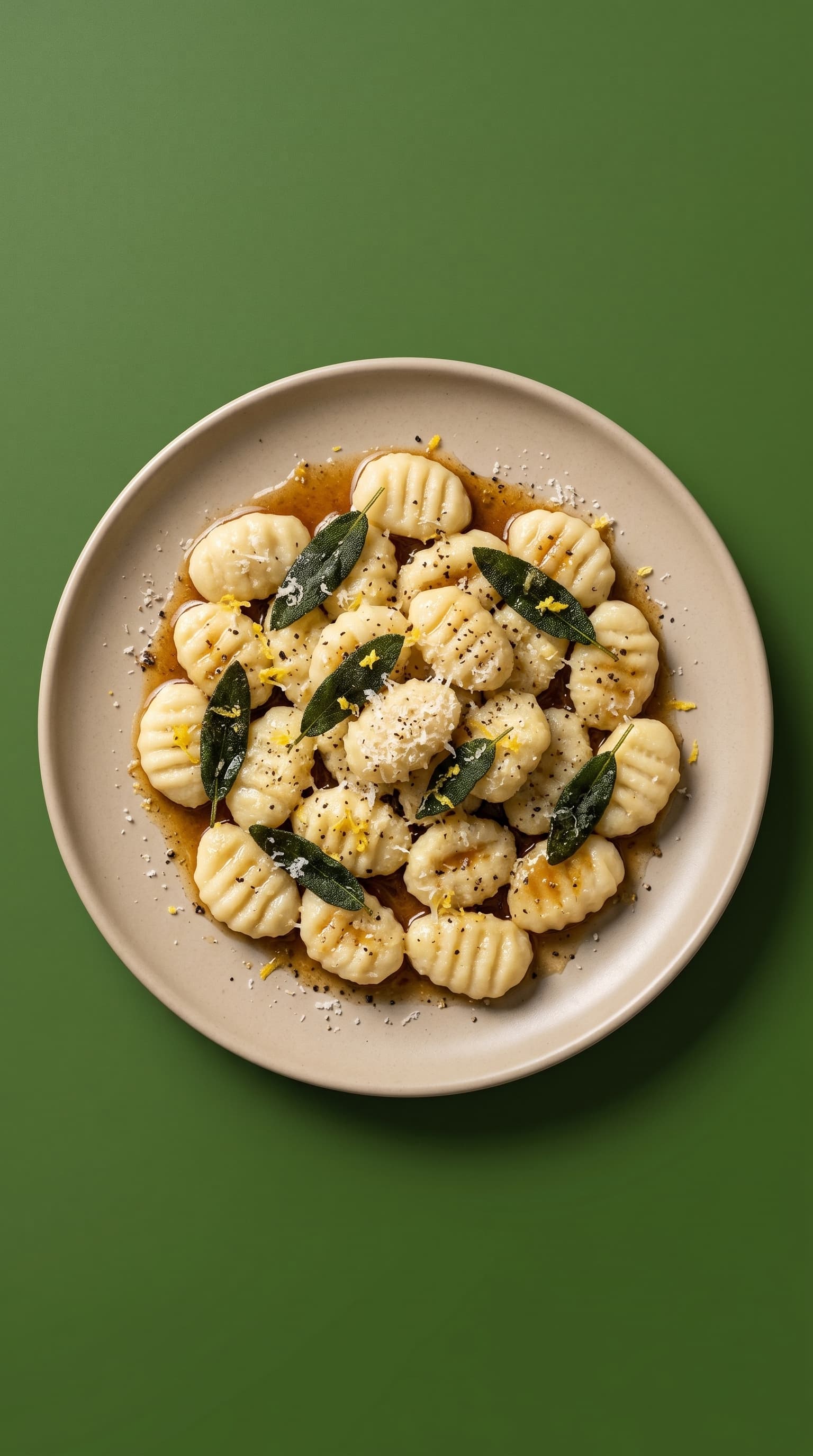
Classic Potato Gnocchi with Brown Butter and Sage
This classic potato gnocchi recipe gives you soft, pillowy dumplings every time. The secret is baking the potatoes to keep them dry, so you use less flour. Ready in about 90 minutes, this comforting dish serves 4 and pairs perfectly with a rich, nutty brown butter sauce.
90 min · Intermediate · Italy
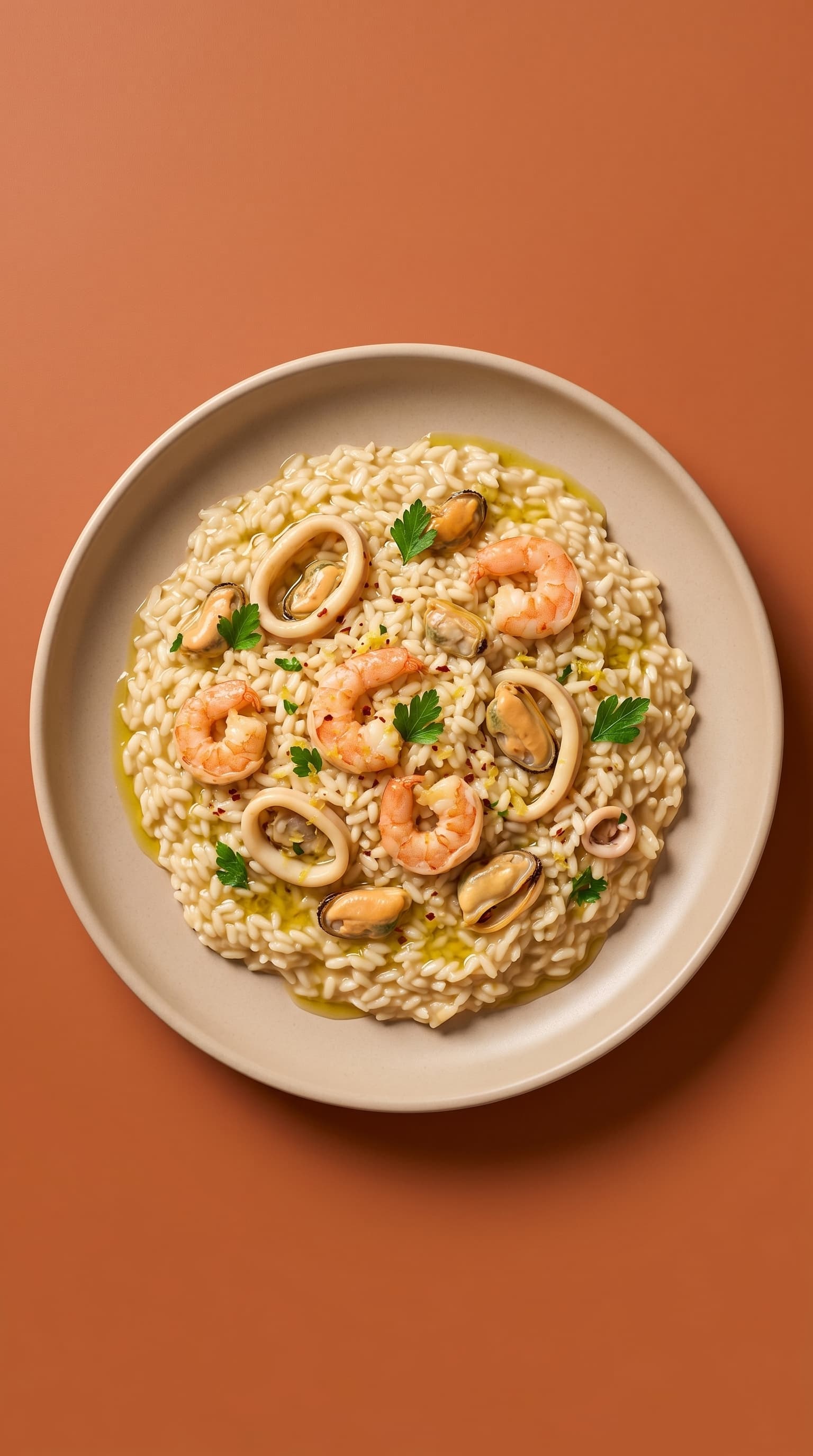
Seafood Risotto ai Frutti di Mare, the Italian Way
This classic Italian seafood risotto is built on a rich homemade broth from toasted prawn shells, cooked ladle by ladle with Carnaroli rice, and finished with a cold-butter mantecatura for silky creaminess without cream or cheese. Every seafood goes in at the perfect moment. Ready in about 75 minutes. Serves 4.
75 min · Intermediate · Italy